.webp&w=384&q=75)

Loading, please wait...
Loading, please wait...
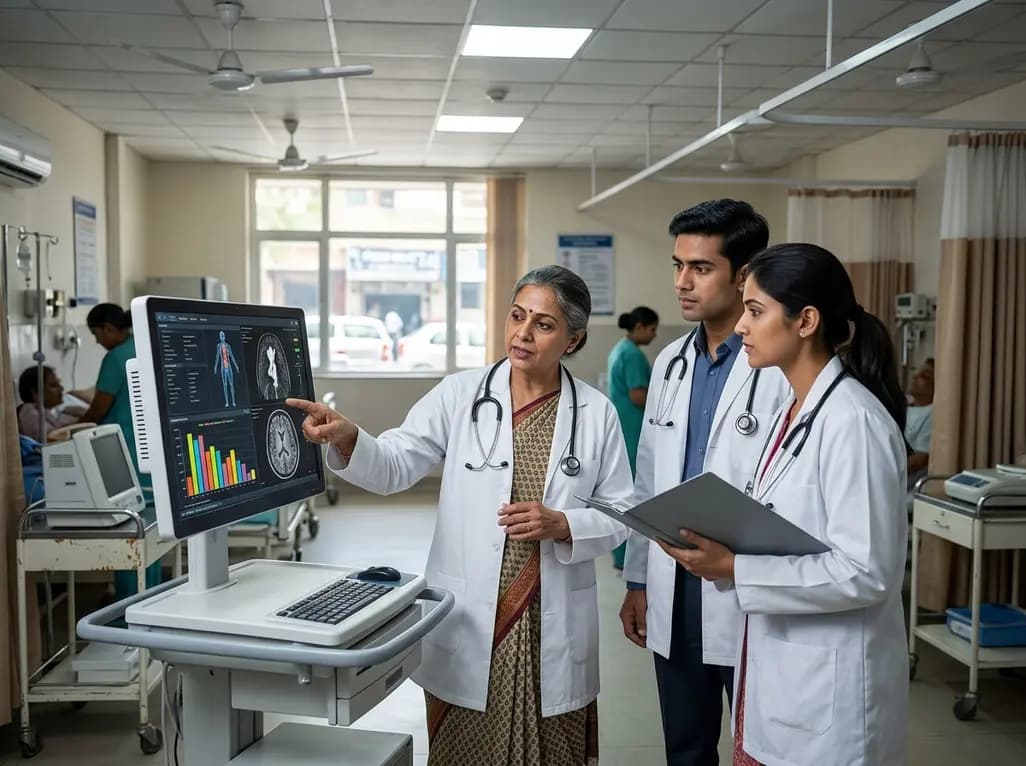
Facial Phenotypes in Alzheimer's represent an emerging frontier in the digital transformation of dementia screening. Currently, the global healthcare community faces a mounting challenge in identifying cognitive decline before significant neurodegeneration occurs. Traditional diagnostic frameworks often rely on expensive neuroimaging or invasive lumbar punctures, which remain inaccessible for many populations. Consequently, researchers are increasingly investigating facial analysis as a scalable, non-invasive source of behavioral signals. These signals reflect underlying neurobiological changes that manifest in subtle alterations of expression and movement. Therefore, understanding these phenotypes provides a unique opportunity to enhance early detection and patient monitoring through digital biomarkers.
Moreover, the integration of technology into clinical workflows allows for more frequent assessments than traditional paper-based tests. Specifically, behavioral manifestations such as reduced emotional range or altered blink rates serve as valuable indicators of cognitive health. These markers are particularly relevant in resource-limited settings where specialized neurology care is scarce. Additionally, digital tools can capture longitudinal data that clinicians might miss during a single office visit. As a result, the analysis of facial behavior is moving from a subjective observation to an objective, data-driven methodology. This shift underscores the growing importance of behavioral phenotyping in modern geriatric medicine.
Furthermore, the use of facial analysis aligns with the shift toward personalized and precision medicine. By identifying specific facial signatures associated with different stages of dementia, physicians can better tailor intervention strategies. Specifically, early risk stratification allows for timely lifestyle modifications and pharmacological treatments. Thus, the study of facial phenotypes serves as a bridge between complex neurobiology and accessible clinical tools. Ultimately, this approach aims to improve the quality of life for millions of individuals living with Alzheimer’s disease.
The biological basis of altered Facial Phenotypes in Alzheimer's is deeply rooted in the progressive disruption of neural circuits. Primarily, the disease targets the limbic system and the prefrontal cortex, which are essential for emotional regulation and facial movement. Consequently, patients often exhibit a phenomenon known as affective flattening or reduced facial expressivity. This lack of emotional response is frequently linked to apathy, a common neuropsychiatric symptom in dementia. Moreover, neuroanatomical studies suggest that damage to the motor cortex and basal ganglia contributes to facial bradykinesia. Therefore, the face becomes a visible map of internal neurological decay.
In addition to emotional changes, dynamic facial behaviors such as micro-expressions and eye movements are significantly affected. For instance, the coordination of facial muscles becomes less precise as the disease progresses. Specifically, researchers have observed that patients with Alzheimer's often show delayed responses to emotional stimuli compared to healthy controls. Additionally, some individuals may display inappropriate facial reactions that do not match the social context. These alterations are not merely behavioral quirks but are direct consequences of neurofibrillary tangles and amyloid plaques. Thus, facial analysis offers a window into the integrity of the central nervous system.
Notably, the relationship between cognitive decline and facial behavior is complex and multi-faceted. While cognitive deficits lead to less specific expressions, underlying neuropsychiatric symptoms like depression or agitation can further complicate the phenotype. Therefore, clinicians must distinguish between motor-related changes and mood-related expressivity. Understanding these neurobiological nuances is essential for developing accurate AI models. By grounding digital analysis in established neuroanatomy, we can ensure that facial biomarkers remain clinically relevant. Consequently, the study of these phenotypes remains a critical area of neuroscientific research.
Technological advancements in artificial intelligence have revolutionized how we interpret Facial Phenotypes in Alzheimer's. Modern AI frameworks utilize sophisticated datasets to identify patterns that are invisible to the human eye. Specifically, these models employ facial landmarks and texture descriptors to quantify subtle changes in skin tension and muscle movement. Furthermore, deep learning architectures, such as Convolutional Neural Networks (CNNs), are now capable of analyzing spatiotemporal video data. This allows for the evaluation of dynamic facial behavior over time rather than just static images. Consequently, AI provides a level of granularity that significantly surpasses traditional clinical observation.
Additionally, multimodal fusion techniques are becoming increasingly popular in the research community. By combining facial data with speech analysis and eye-tracking, AI systems can achieve higher diagnostic accuracy. For example, language-enhanced frameworks integrate the semantic content of a patient's speech with their corresponding facial expressions. This holistic approach captures the intricate interplay between communication and emotion. Moreover, transition to transformer-based models has improved the ability of AI to handle long-term dependencies in behavioral data. Thus, the synergy between computer vision and natural language processing is driving the next generation of diagnostic tools.
However, the development of these AI models requires standardized data acquisition protocols to be truly effective. Currently, variations in lighting, camera quality, and participant positioning can negatively affect model performance. Therefore, researchers are working toward creating robust datasets that represent diverse populations and settings. Specifically, the inclusion of different ethnic backgrounds is vital for ensuring the global applicability of these tools. Furthermore, moving toward real-world validation is essential for clinical adoption. As these technologies mature, they will likely become integral components of the diagnostic toolkit for neurologists and geriatricians worldwide.
In the current diagnostic landscape, facial analysis is best viewed as an auxiliary tool for risk stratification and triage. Specifically, it can help identify individuals who require more intensive diagnostic workups, such as PET imaging. Because facial screening is low-cost and non-invasive, it can be implemented in primary care settings or through telehealth platforms. Consequently, this allows for a broader reach in screening programs, particularly in rural or underserved areas. Additionally, the ability to perform rapid assessments makes it an ideal tool for large-scale population health monitoring. Thus, facial phenotypes act as a first-line filter in the clinical pathway.
Moreover, the longitudinal monitoring of Facial Phenotypes in Alzheimer's provides invaluable data on disease progression. Unlike episodic cognitive testing, digital facial analysis can be conducted frequently in the patient's home environment. This continuous stream of data allows clinicians to track the efficacy of treatments and the development of neuropsychiatric symptoms. Specifically, changes in facial expressivity may signal a worsening of apathy or the onset of depression. Therefore, digital biomarkers enable a more proactive and responsive approach to patient care. This real-time feedback loop is essential for managing the complex needs of dementia patients over many years.
Furthermore, facial analysis can support family members and caregivers by providing objective evidence of changes in their loved ones. Often, caregivers notice subtle behavioral shifts long before they are captured by standardized tests. By validating these observations with data, AI tools can help facilitate better communication between families and healthcare providers. Consequently, this technology serves not only the clinician but also the broader care team. In summary, while not a replacement for gold-standard diagnostics, facial analysis enhances the efficiency and depth of clinical care. Its role in triage and monitoring marks a significant step toward more accessible dementia management.
Despite the promise of AI-driven facial analysis, several significant hurdles remain before widespread clinical implementation is possible. Primarily, the "black box" nature of many deep learning models raises concerns regarding interpretability and clinical specificity. Physicians must understand why an algorithm classifies a specific facial pattern as indicative of Alzheimer's. Therefore, the development of explainable AI (XAI) is a critical priority for the research community. Specifically, XAI aims to highlight the specific facial regions or features that contribute most to a model's prediction. Consequently, this transparency builds trust and allows for better clinical correlation.
Additionally, the heterogeneity of Alzheimer's disease poses a major challenge for model validation. Patients may present with vastly different facial signatures depending on their specific genetic makeup and comorbidities. Furthermore, current evidence is often limited by small, single-center cohorts that lack external validation. This means that a model developed in one hospital may not perform as well in a different geographic or cultural context. Thus, there is an urgent need for large-scale, multi-center studies to ensure the robustness of these digital biomarkers. Moreover, researchers must address confounding factors such as medication side effects, which can mimic facial bradykinesia.
Notably, ethical considerations regarding privacy and data security are paramount when handling facial video recordings. Because facial data is inherently identifiable, strict protocols must be in place to protect patient anonymity. Specifically, the use of edge computing—where data is processed locally rather than in the cloud—may offer a solution. Furthermore, ensuring equitable access to these technologies is essential to prevent widening health disparities. Therefore, the path to clinical translation requires a balanced focus on technical excellence and ethical responsibility. Ultimately, overcoming these challenges will determine the long-term success of facial phenotyping in geriatric neurology.
The future of dementia care lies in the integration of digital biomarkers into standardized clinical practice. Specifically, the move toward a biomarker-based diagnostic framework for Alzheimer's requires tools that are both accurate and accessible. Facial analysis fits this requirement perfectly, especially when combined with other non-invasive markers like speech and gait. Therefore, the development of multimodal diagnostic platforms will likely be the next major milestone in the field. Consequently, these platforms will provide a comprehensive view of a patient’s neurological status through simple, everyday interactions. This evolution will fundamentally change how we screen for cognitive impairment.
In regions like India, where the geriatric population is rapidly expanding, the need for scalable screening tools is particularly acute. Digital biomarkers offer a way to bridge the gap between high patient volumes and limited specialist availability. Specifically, primary care doctors can use these AI tools to quickly identify high-risk individuals for referral. Additionally, the low cost of camera-based systems makes them highly sustainable for public health initiatives. Thus, the implementation of facial analysis could significantly improve early diagnosis rates across the country. Furthermore, it supports the growing trend of digital health and tele-neurology in the Indian healthcare ecosystem.
Ultimately, the successful adoption of these technologies will require collaboration between engineers, clinicians, and policymakers. Standardized acquisition settings and improved calibration reporting are essential for creating a reliable clinical tool. Moreover, prospective real-world validation studies must be conducted to prove the utility of facial phenotypes in diverse populations. As we refine these AI models, the dream of a non-invasive, "face-based" screening for Alzheimer's becomes increasingly attainable. Therefore, the ongoing research into facial phenotypes represents a vital investment in the future of brain health and geriatric care.
Facial analysis provides a continuous and objective stream of behavioral data, whereas traditional cognitive tests like the MMSE offer only a periodic snapshot of mental performance. Unlike verbal tests, which can be influenced by a patient's education level or language proficiency, AI-driven facial assessment captures involuntary phenotypes. Consequently, these digital markers can potentially detect neurodegenerative changes much earlier by identifying subtle alterations in affective expressivity that are often missed during standard clinical interviews.
The primary technical challenges involve the high degree of phenotypic heterogeneity across different individuals and the need for high-quality, diverse datasets. Many AI models struggle with variations in lighting, camera angles, and ethnic facial structures, which can introduce significant bias. Furthermore, ensuring the interpretability of deep learning models is essential so that clinicians can understand the biological basis for a specific prediction. Therefore, extensive real-world validation and improved explainability are required for clinical adoption.
No, facial phenotype analysis is currently viewed as a candidate tool for auxiliary risk stratification and longitudinal monitoring rather than a stand-alone diagnostic test. It serves as a non-invasive triage mechanism to identify patients who may require more expensive or invasive testing. While MRI and CSF analysis remain the gold standards for identifying amyloid and tau pathology, facial analysis offers a scalable way to monitor behavioral changes and disease progression in a home or primary care setting.
Disclaimer: This content is for informational and educational purposes only. It does not constitute professional medical advice, diagnosis, or treatment. Always seek the advice of your physician or other qualified healthcare provider with any questions you may have regarding a medical condition. Refer to the latest local and national guidelines for clinical practice.
References
1. Sun W et al. Facial phenotypes in Alzheimer's disease: from neurobiology to artificial intelligence. Alzheimers Res Ther. 2026 Jun 29. doi: 10.1186/s13195-026-02129-x. PMID: 42366401.
2. Gerłowska J, et al. Facial emotion mimicry in older adults with and without cognitive impairments due to Alzheimer's disease. AIMS Neuroscience. 2021; 8(2): 226-238.
3. Okunishi T, et al. AI-Based Facial Emotion Analysis for Early and Differential Diagnosis of Dementia. Bioengineering (Basel). 2025; 12(10): 1082.

Read summarized clinical updates, watch expert medical content, and earn CME certifications right from your smartphone.
Open your smartphone camera to scan and install.





This review examines the potential of facial phenotypes in Alzheimer's disease as digital biomarkers. It explores AI-based analysis methods, neurobiological insights, and the current challenges in clinical validation for auxiliary risk stratification and longitudinal monitoring of dementia patients.
3 months ago

Explore vital recurrent stroke predictors in lacunar stroke patients managed with intensive blood pressure lowering. This analysis examines trial findings from SPS3 to uncover residual vascular risks, metabolic factors, and targeted secondary prevention strategies for high-risk neurological patients.
Today

Odisha has established India's first state-level clinical protocol specifically tailored for pregnant women with sickle cell disease. Developed with NHM and UNICEF, the framework provides structured antenatal screening, crisis mitigation, standardized referral pathways, and specialized interdisciplinary care.
Today

The Directorate General of Health Services directs Indian states to halt the hazardous reuse and reprocessing of single-use medical devices. Discover regulatory implications under the Drugs and Cosmetics Act, critical infection risks, legal liabilities, and operational changes required across clinical specialties.
Today

Mitochondria-targeted nanoparticles self-assembled from EGCG and L-glutamic acid effectively restore mitochondrial homeostasis, suppress synovial inflammation, and attenuate chondrocyte senescence in osteoarthritis, offering a promising disease-modifying nanotherapy.
Today

India is advancing preventive healthcare by integrating genomics, artificial intelligence, and quantum technologies. With the SANGAM programme sequencing one million Indian genomes, clinicians can unlock personalized therapies, detect cardiometabolic risks early, and curb the burden of diabetes and heart disease.
Today
