

Loading, please wait...
Loading, please wait...

Mental health challenges and poor sleep hygiene represent growing global concerns among emerging adults in higher education. Clinicians widely recognize that lifestyle factors influence emotional well-being. However, traditional aggregate scores frequently obscure the precise pathways linking physical activity, rest, and psychiatric symptoms. Understanding the granular relationship between exercise and psychological distress offers vital clarity for targeted behavioral strategies. Therefore, researchers recently examined these complex interactions using regularized partial correlation network modeling. By evaluating dimension-specific associations, this approach uncovers how particular facets of movement and sleep interact to relieve emotional strain.
Traditional psychiatric research commonly analyzes global summary scores for sleep quality, depression, anxiety, and physical activity. While such composite indices provide valuable epidemiological insights, they routinely mask critical dimension-specific interactions. For instance, global scores cannot reveal whether sleep latency or daytime dysfunction drives emotional vulnerability. Similarly, summary activity scores conceal whether workout frequency or exercise duration exerts a stronger therapeutic effect. To resolve these ambiguities, investigators surveyed 1,600 university students across two higher-education institutions in central China. The team administered the Physical Activity Rating Scale, Pittsburgh Sleep Quality Index, and Depression Anxiety Stress Scales. Subsequently, researchers estimated a 12-node regularized partial correlation network to isolate unique associations among symptoms and behaviors. This analytical model eliminated spurious correlations while identifying influential bridge nodes across domains. Furthermore, the resulting graphical structure retained 27 non-zero edges out of possible pairwise combinations. Most robust connections emerged within individual symptom domains. Nonetheless, several prominent cross-domain pathways appeared, demonstrating that physical activity and sleep architecture directly communicate with psychological distress in university cohorts.
Network analysis measures the statistical centrality and bridge expected influence of individual nodes within a system. In this cohort, stress emerged as a central operational hub across the network structure. Specifically, stress demonstrated high expected influence and positive bridge expected influence point estimates. This prominence indicates that stress actively binds psychological suffering to somatic sleep disruptions. Among all cross-domain relationships, daytime dysfunction and subjective stress displayed the largest positive edge-weight point estimate. Students experiencing significant daytime impairment consequently reported intensified stress levels during academic routines. In addition, sleep disturbances maintained strong direct edges with depressive thoughts and generalized anxiety. These close connections emphasize that disrupted diurnal rhythmicity directly magnifies cognitive distress. Conversely, emotional dysregulation impairs nocturnal rest, generating a self-perpetuating cycle of distress and fatigue. Notably, bootstrap difference tests did not statistically separate the centrality of stress from every other node. Nevertheless, the prominence of stress across bridge metrics underscores its pivotal role. Clinicians must recognize that daytime dysfunction serves as an observable warning signal for escalating stress.
A major contribution of this network model involves differentiating the therapeutic contributions of physical activity dimensions. Historically, practitioners have prescribed exercise as a uniform intervention without specifying duration or repetition targets. However, the network reveals that exercise frequency and exercise duration operate through distinct physiological pathways. Specifically, exercise frequency demonstrated a prominent negative connection with perceived stress. Engaging in physical activity on multiple days each week appears to interrupt chronic rumination and calm sympathetic arousal. In contrast, exercise duration exhibited an independent negative connection with subjective sleep disturbances. Longer exercise sessions likely deplete physical energy stores and enhance homeostatic sleep pressure, thereby promoting deeper nocturnal rest. Interestingly, exercise intensity did not show equivalent cross-domain strength in the regularized network. Therefore, clinicians advising students should recommend consistent weekly sessions rather than sporadic bursts of extreme exertion. Regular moderate activity curbs psychological tension, while adequate workout length optimizes restorative sleep. By differentiating these behavioral parameters, clinicians can prescribe targeted lifestyle modifications for insomnia or academic burnout.
Gender differences frequently emerge in epidemiological studies evaluating depression, anxiety disorders, and physical activity habits. Consequently, researchers conducted network comparison tests to examine whether male and female students displayed divergent network architectures. The comparative analysis evaluated global network strength, structural distribution, and individual edge weights between sexes. Remarkably, statistical tests revealed no significant gender-related differences across the network after multiple-comparison correction. Male and female students exhibited comparable topological arrangements linking exercise habits, sleep characteristics, and distress symptoms. However, clinicians must interpret this apparent uniformity with appropriate caution. Supplementary statistical analyses indicated that the study possessed limited detection capability for small effect sizes. Furthermore, previous literature demonstrates that young men and women often process academic stress through distinct coping mechanisms. While the overall wiring of symptoms appears largely invariant across sexes, subjective experiences and sociocultural expectations may still modulate treatment responses. Clinicians should maintain an individualized approach when addressing physical activity and mental health in university populations. Future multi-center cohorts should evaluate whether subtle gender disparities influence specific bridge edges over time.
The identification of dimension-specific connections provides valuable guidance for university health centers and primary care clinicians. Rather than addressing distress solely through pharmaceutical therapy, clinicians can leverage targeted behavioral prescriptions. For example, screening students for daytime dysfunction offers an efficient method to detect early psychological decompensation. When students report persistent lethargy and daytime exhaustion, providers should immediately assess stress levels and sleep architecture. Additionally, healthcare providers can tailor physical activity recommendations based on the patient's primary complaint. If a student struggles primarily with acute stress, increasing weekly exercise frequency provides an evidence-based outlet for emotional decompression. Conversely, when poor sleep quality dominates the clinical picture, prolonging exercise duration enhances physical fatigue and restorative sleep. Nevertheless, clinicians must recognize the inherent boundaries of cross-sectional network models. Observational cross-sectional designs identify meaningful correlations but cannot definitively prove causal directionality. Interventions targeting bridge nodes may produce bidirectional improvements, yet longitudinal trials remain necessary to confirm outcomes. Ultimately, incorporating network perspectives into collegiate healthcare fosters nuanced interventions integrating lifestyle modification with mental health care.
Exercise frequency exhibits an inverse association with subjective stress by promoting routine neurochemical regulation and physiological recovery. Frequent physical activity downregulates sympathetic nervous system reactivity and reduces cortisol surges throughout the academic week. Consequently, engaging in regular workouts provides predictable cognitive respite, disrupting cycles of academic rumination and emotional tension.
Daytime dysfunction reflects impaired alertness, cognitive slowing, and diminished energy resulting from fragmented nocturnal sleep. When students experience these debilitating diurnal symptoms, they struggle to satisfy demanding scholastic expectations. This continuous cognitive friction amplifies perceived stress, which subsequently undermines nighttime sleep quality and establishes a reinforcing cycle of distress.
Physical exercise serves as a powerful adjunctive lifestyle intervention but cannot completely replace professional psychiatric care for severe distress. Clinicians should incorporate structured movement to enhance sleep and mitigate stress alongside psychotherapy or pharmacotherapy. Comprehensive medical evaluations remain essential to ensure patient safety, accurate diagnosis, and personalized multi-modal care.
Disclaimer: This content is for informational and educational purposes only and should not be considered medical advice. Always consult a qualified healthcare professional regarding any clinical concerns. Refer to the latest local and national guidelines for clinical practice.
References
Wang J et al. Network analysis of physical exercise, sleep quality, and psychological distress among Chinese university students. PLoS One. 2026. doi: 10.1371/journal.pone.0362609. PMID: 43019354.
Feng H, et al. The associations between sleep problems and physical exercise among Chinese university students: A network analysis of gender differences. J Affect Disord. 2026;378:121104.
Che L, et al. Physical activity and sleep quality among Chinese college students: the serial mediating roles of anxiety and depression. Front Psychol. 2025;16:1635406.

Read summarized clinical updates, watch expert medical content, and earn CME certifications right from your smartphone.
Open your smartphone camera to scan and install.





A regularized network analysis of 1,600 university students clarifies the specific dimensions linking exercise, sleep quality, and psychological distress. Findings highlight stress, daytime dysfunction, exercise frequency, and exercise duration as critical nodes for lifestyle and mental health interventions.
Today

Gastrointestinal smooth muscle cells rely on nanoscale membrane domains to integrate mechanosensitive currents. Recent insights show that nanodomain architecture, rather than channel properties alone, orchestrates motility, opening new therapeutic avenues for clinical dysmotility and gastrointestinal aging.
Today

A landmark study reveals that lipid-rich malignant ascites alters the T-cell metabolic transcriptome, causing cholesterol efflux and impaired fatty acid oxidation. This suppresses TCR signalling and blocks BiTE immunotherapy, while lipid depletion restores antitumour cytotoxicity in ovarian cancer.
Today
Novel clinical evidence demonstrates the feasibility of combining VA-ECMO with the NyokAssist self-expanding transvalvular pump for active left ventricular unloading in infarct-related cardiogenic shock, achieving successful stabilization and decannulation.
Today
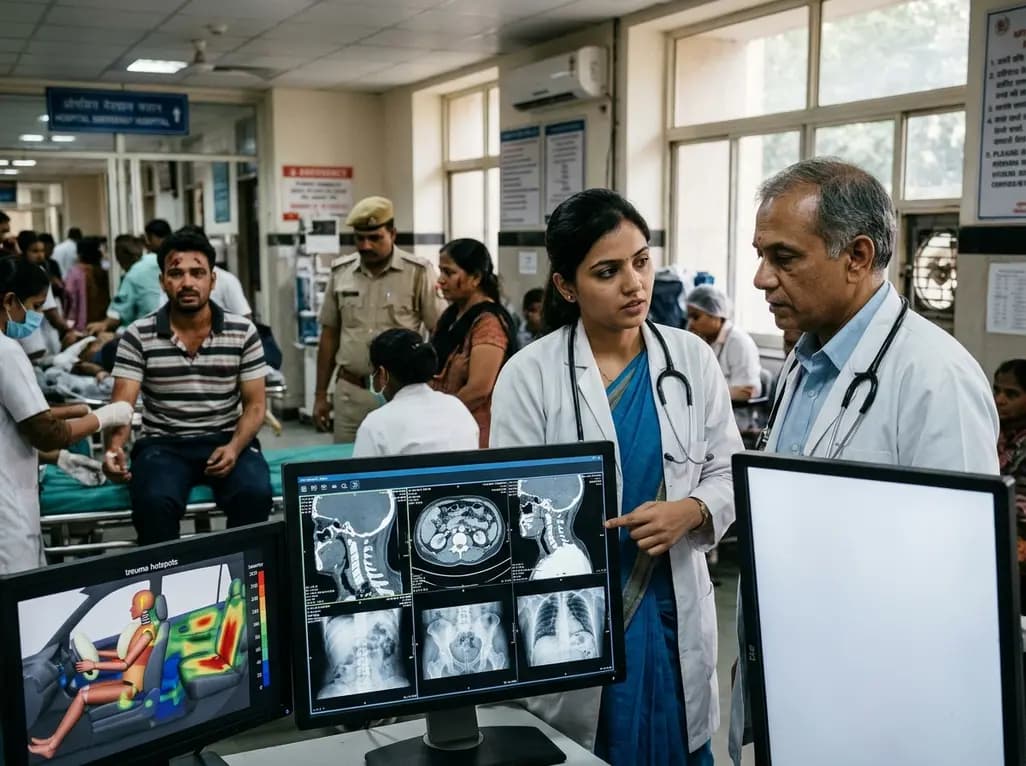
Recent crash analyses demonstrate significant variations in traffic injury severity across vehicle seating positions. Electric vehicle passengers face disproportionately higher trauma risks than drivers, particularly during airbag deployments, demanding adapted emergency assessment and clinical vigilance.
Today
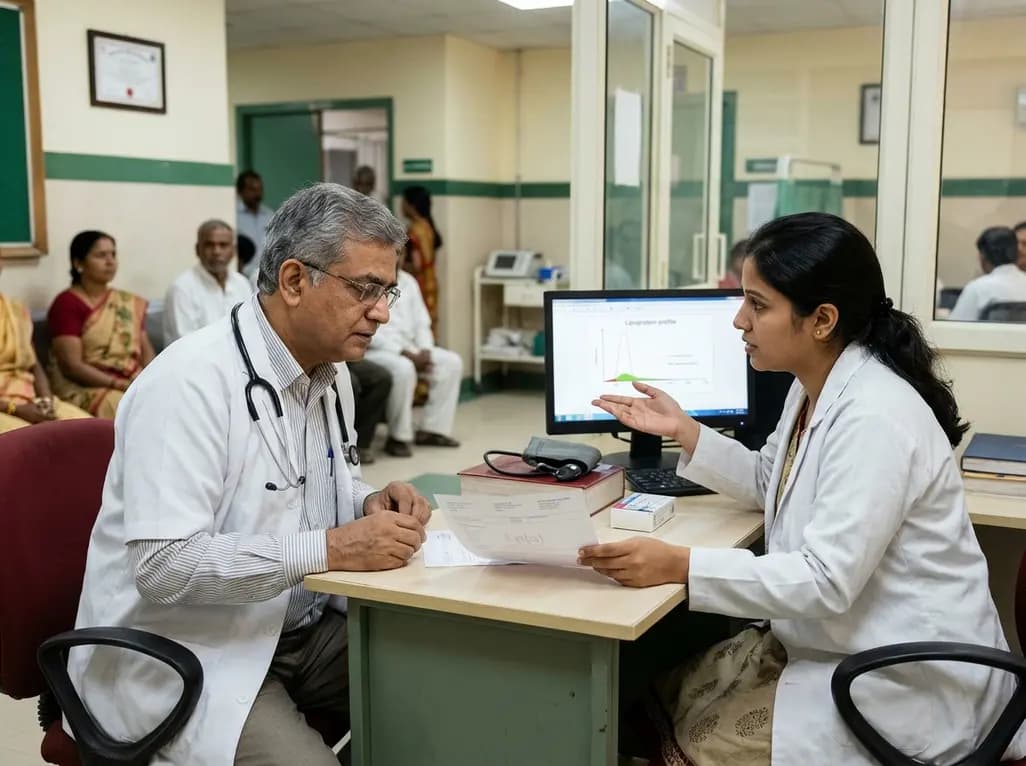
Understand the causal role of Lipoprotein(a) in cardiovascular disease, why international guidelines recommend once-in-a-lifetime molar testing, and the clinical implications of recent phase 3 RNA outcome trials.
Today
