.webp&w=384&q=75)

Loading, please wait...
Loading, please wait...
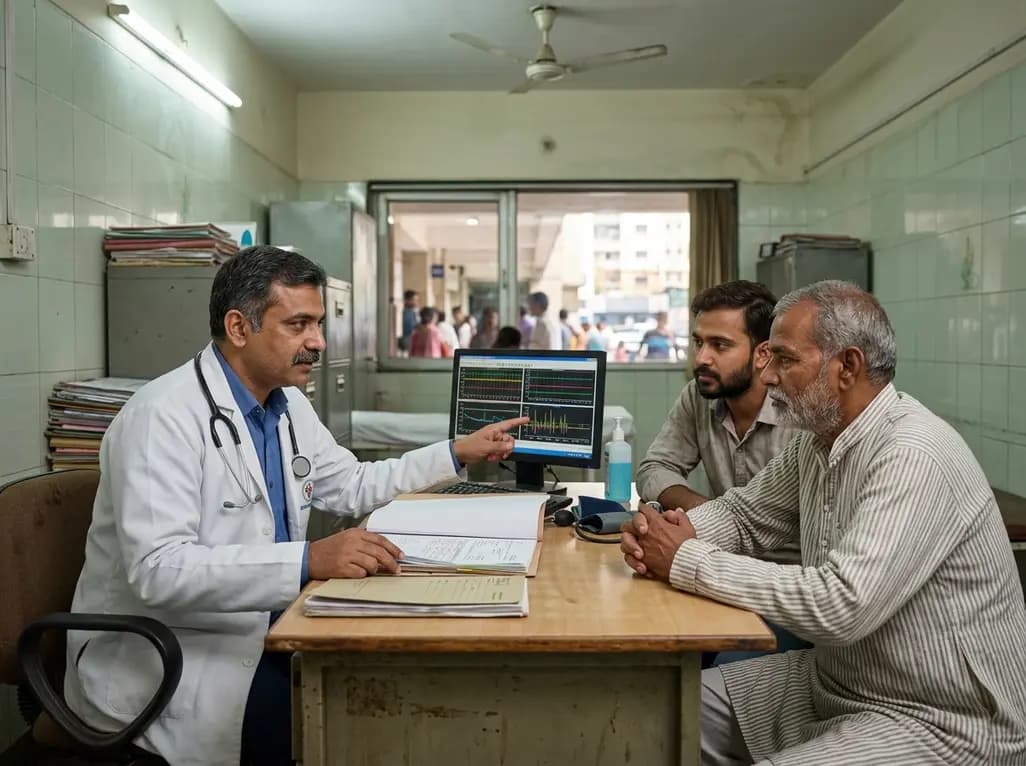
Understanding the esophageal cancer age prognosis is essential for modern oncology, particularly as global demographics shift toward an aging population. Esophageal cancer remains a formidable challenge for clinicians, often presenting at advanced stages with complex therapeutic requirements. Historically, age has served as a primary factor in determining treatment eligibility and predicting patient outcomes. However, recent large-scale research provides a more nuanced view of how the age at diagnosis influences disease behavior and survival. Specifically, clinicians now recognize that the age of onset is not merely a chronological marker but a reflection of distinct biological and environmental interactions. In many regions, including India and China, the epidemiological landscape of this malignancy is changing. These changes necessitate a thorough re-evaluation of how age interacts with tumor histology, anatomical site, and surgical feasibility. Consequently, medical educators emphasize the importance of tailoring management strategies based on these emerging age-related insights. By analyzing thousands of patient records, researchers have identified critical temporal and spatial patterns that help refine our prognostic models. This discussion explores the evolving relationship between age and esophageal cancer, offering guidance for multi-disciplinary teams managing this high-burden disease.
Recent epidemiological data highlight a significant shift in the age distribution of patients diagnosed with esophageal cancer. Evidence suggests that the proportion of patients diagnosed under the age of 60 is steadily declining. Furthermore, linear regression analyses of massive cohorts indicate that the median age of onset is rising annually. This trend reflects broader societal changes, including increased life expectancy and shifting risk factor exposures. For instance, while tobacco and alcohol consumption remain classic drivers, the rising incidence of obesity and metabolic syndromes often correlates with later-onset cases. Notably, the decline in early-onset cases suggests that public health interventions or environmental shifts may be altering the timing of oncogenesis. Nevertheless, the total number of elderly patients continues to grow, placing a heavier burden on geriatric oncology services. Clinicians must therefore remain vigilant regarding the specific needs of older patients who may present with multiple comorbidities. Understanding these temporal shifts allows healthcare systems to allocate resources more effectively, ensuring that screening and diagnostic facilities are accessible to the age groups most at risk. This demographic evolution underscores the need for continuous monitoring of regional cancer registries to maintain accurate prognostic expectations.
Anatomical tumor localization varies significantly across different age groups, adding another layer of complexity to the esophageal cancer age prognosis. Research indicates that younger patients frequently present with tumors in the middle thoracic esophagus. In contrast, older patients are more likely to develop lesions in the lower thoracic region. These spatial variations are often linked to different histological subtypes and underlying etiologies. For example, lower thoracic tumors are frequently associated with gastroesophageal reflux disease and Barrett’s esophagus, conditions that often take decades to progress to malignancy. Consequently, the anatomical site of the tumor serves as an indirect indicator of the patient’s clinical trajectory. Younger patients may require more aggressive upper-segment interventions, while older patients often necessitate complex lower-esophageal reconstructions. Furthermore, the tumor site significantly influences the choice of radiotherapy fields and surgical approaches. By recognizing these age-dependent spatial patterns, surgical oncologists can better anticipate the technical challenges associated with each case. These insights also suggest that the biological drivers of esophageal cancer may differ between early-onset and late-onset cohorts. Therefore, integrating age-related spatial data into the initial staging process is vital for accurate prognostic assessment and treatment planning.
The feasibility of surgical intervention represents a critical junction in the management of esophageal cancer. Data derived from restricted cubic spline models reveal that surgery rates typically peak in the early fifties before beginning a gradual decline. This trend reflects the clinical reality that as patients age, the risk of perioperative mortality and postoperative complications increases. Surgeons often find that older patients, particularly those over the age of 70, possess lower physiological reserves, making them more susceptible to cardiac and pulmonary adverse events. However, advanced age alone should not be a definitive contraindication for esophagectomy. Instead, modern practice favors a comprehensive geriatric assessment to evaluate functional status rather than relying solely on chronological age. Interestingly, perioperative mortality risk remains relatively stable across mid-life but shows a sharp upward trajectory in the octogenarian population. Furthermore, the decision to proceed with surgery must balance the potential for cure against the high risk of treatment-related morbidity. Consequently, clinicians are increasingly utilizing minimally invasive techniques and enhanced recovery protocols to mitigate these risks in older populations. Successfully navigating these surgical decisions requires a deep understanding of how age impacts the body's response to major oncological trauma.
When assessing the long-term outlook, survival differences between age groups offer striking prognostic insights. Multivariate Cox regression analyses consistently demonstrate that younger patients with esophageal cancer enjoy a survival advantage over their older counterparts. Specifically, patients diagnosed before age 60 tend to have significantly better overall survival rates. This advantage persists even when accounting for tumor stage and treatment intensity. Several factors may contribute to this outcome, including the ability of younger patients to tolerate aggressive multi-modality therapies, such as neoadjuvant chemoradiation. Furthermore, younger individuals often have fewer competing causes of death, allowing the focus to remain entirely on oncological control. In contrast, the prognosis for elderly patients is often clouded by cardiovascular disease and other age-related conditions. Notably, the mortality risk for esophageal cancer appears to increase linearly with age beyond the sixth decade. This suggests that the biological aggressiveness of the tumor may be compounded by the physiological decline of the host. Therefore, clinicians must manage expectations carefully when treating older patients. While younger patients may achieve longer remission periods, the goal for many elderly patients shifts toward preserving quality of life and managing symptomatic disease effectively.
In the Indian healthcare context, esophageal cancer presents unique demographic and prognostic challenges. India maintains some of the highest incidence rates for esophageal squamous cell carcinoma globally, particularly in the northern and northeastern regions. Indian studies indicate a median age of diagnosis around 55 to 57 years, which is slightly younger than global averages. This early onset is frequently linked to specific environmental exposures, such as hot beverage consumption and betel nut chewing. Consequently, the findings regarding survival advantages in younger cohorts are particularly relevant for Indian practitioners. Additionally, the prevalence of malnutrition in many esophageal cancer patients further complicates the age-related prognosis. Therefore, Indian clinicians must integrate nutritional support into the standard care for all age groups. Furthermore, the rising burden of non-communicable diseases in the aging Indian population means that geriatric oncology is becoming an increasingly critical specialty. By applying global data on age-related trends to the local context, healthcare providers can improve diagnostic accuracy and survival outcomes. Ultimately, a localized approach that considers both the universal biology of age and regional risk factors will define the future of esophageal cancer care in the country.
Age significantly influences the overall prognosis because it correlates with physiological reserve and the ability to tolerate intensive treatments. Younger patients generally survive longer because they can complete aggressive chemoradiotherapy and surgical protocols. Furthermore, older patients often present with multiple comorbidities, such as heart disease, which increase the risk of non-cancer-related mortality. Therefore, clinicians use age to guide the intensity of treatment and predict long-term survival outcomes.
Research indicates that the likelihood of receiving surgical treatment peaks in a patient's early fifties and declines thereafter. This reduction in surgery rates for elderly patients is often due to increased perioperative risks and a higher prevalence of frailty. While age is not an absolute contraindication, surgeons must carefully weigh the benefits of resection against the elevated risk of postoperative complications and mortality in patients over age seventy.
Yes, statistics show that patients diagnosed at a younger age, typically under 60, have a superior overall survival compared to older age groups. This survival benefit is attributed to better physical health, which allows for more effective neoadjuvant and adjuvant therapies. Additionally, younger patients generally have fewer age-related health issues, meaning they are less likely to die from competing medical causes during or after their cancer treatment.
Disclaimer: This content is for informational and educational purposes only and does not constitute medical advice. It is not intended to be a substitute for professional medical advice, diagnosis, or treatment. Always seek the advice of your physician or other qualified health provider with any questions you may have regarding a medical condition. Refer to the latest local and national guidelines for clinical practice.
References
Zhong K et al. Age of onset by temporal and spatial changes and prognostic value for esophageal cancer. Chin Med J (Engl). 2026 Jul 05. doi: 10.1097/CM9.0000000000003856. PMID: 42401993.
Indian Council of Medical Research (ICMR). Consensus Document on Management of Esophageal Cancer. ICMR Task Force project. 2023.
The epidemiological trend of esophageal cancer in Mumbai, India over the past two decades. Tata Memorial Hospital study. ASCO Publications. 2021.
Globocan 2022. Oesophageal cancer statistics. World Cancer Research Fund International. 2023.

Read summarized clinical updates, watch expert medical content, and earn CME certifications right from your smartphone.
Open your smartphone camera to scan and install.





Understanding esophageal cancer age prognosis is vital for modern oncology. Recent data from large-scale cohorts reveal significant shifts in the age of onset, variations in tumor localization, and distinct survival advantages for younger patients compared to the elderly.
3 months ago

As monsoon seasons elevate arboviral disease threats, Tamil Nadu has initiated an ICMR-monitored evaluation of the tetravalent dengue vaccine in Tenkasi district. Clinicians emphasize clinical monitoring, public prevention, and high-quality early pediatric care to reduce disease morbidity across endemic regions.
Today

Leucine Rich Bio has introduced South Asia's first comprehensive vaginal microbiome test, BugSpeaks. By profiling microbial dysbiosis, pathogens, and antimicrobial resistance, this next-generation diagnostic platform provides clinicians with deeper insights into recurrent infections, fertility, and reproductive health.
Today

Review how tailored exercise programs benefit frail older patients with heart failure. Explore pathophysiological mechanisms, individualized training prescriptions, and strategies to overcome adherence barriers in clinical practice.
Today

This comparative study evaluates posterior labral tears with and without glenohumeral instability, highlighting distinct demographic patterns, MRI underestimation in stable shoulders, and successful arthroscopic repair outcomes.
Today

A clinical study demonstrates that early intervention with tocilizumab, either as monotherapy or bridged with corticosteroids, achieves significant proptosis reduction and resolves active inflammation in treatment-naive thyroid eye disease.
Today
