.webp&w=384&q=75)

Loading, please wait...
Loading, please wait...

The Democratic Republic of Congo has recently secured 70,000 doses of the Ervebo Ebola vaccine from the global stockpile to address an escalating epidemiological crisis. Managed by the International Coordinating Group on Vaccine Provision, this allocation aims to contain a rapidly expanding epidemic. The ongoing emergency has surpassed 5,000 confirmed cases and resulted in more than 2,300 deaths, making it the largest Ebola outbreak in the country's history. Consequently, the World Health Organization continues to classify the situation as a major public health emergency of international concern. This extensive intervention combines targeted prophylactic immunization with urgent clinical research.
The International Coordinating Group allocated the vaccines following a formal request from the Congolese Ministry of Health. This partnership includes the World Health Organization, Médecins Sans Frontières, UNICEF, and the International Federation of Red Cross and Red Crescent Societies. Furthermore, Gavi, the Vaccine Alliance, provides essential funding to maintain and transport the global stockpile. Under the agreed distribution plan, authorities will allocate 50,000 doses directly to frontline healthcare personnel and high-risk contacts. Meanwhile, researchers will dedicate the remaining 20,000 doses to an emergency clinical trial.
Logistics teams face formidable geographic and infrastructural hurdles across affected eastern provinces. Because the formulation requires stringent ultra-cold chain storage, international partners have deployed specialized solar-powered refrigeration units. In addition, mobile vaccination teams are navigating complex security environments to reach remote health zones. Health leaders emphasize that transparent communication remains critical to community acceptance. Therefore, local civic leaders and community health workers actively participate in coordinating delivery logistics. Through these coordinated mechanisms, international agencies aim to establish rapid containment rings around active transmission clusters.
Understanding the distinct viral biology is crucial for clinicians evaluating this public health response. The ongoing epidemic stems from the Bundibugyo virus, a distinct species within the Orthoebolavirus genus. Historically, public health authorities approved the Ervebo vaccine specifically to protect against the Zaire ebolavirus species. Although both pathogens cause severe viral hemorrhagic fever, their surface glycoproteins exhibit notable genetic variation. Consequently, standard monoclonal antibody therapies engineered for Zaire ebolavirus fail to neutralize the Bundibugyo species effectively.
Patients infected with either virus typically present with sudden onset fever, profound fatigue, myalgia, and severe gastrointestinal symptoms. However, case fatality rates for Bundibugyo virus infections generally range between 30% and 50%, compared to up to 90% for Zaire ebolavirus. Despite this lower case fatality rate, the massive volume of cases has strained local medical infrastructure severely. Diagnostic confirmation relies on reverse transcription-polymerase chain reaction assays calibrated to detect species-specific RNA sequences. Therefore, clinical laboratories must maintain precise molecular testing capabilities to distinguish between orthoebolavirus species during co-circulating alerts.
Because regulators originally licensed the Ervebo vaccine for Zaire ebolavirus, its efficacy against Bundibugyo virus remains unproven in human populations. However, preliminary preclinical investigations and animal challenge models suggest that the vaccine may confer partial cross-reactive immunological protection. To validate these laboratory findings, Congolese investigators and global researchers are launching a randomized Phase 3 clinical trial. This trial will utilize 20,000 allocated doses under robust ethical oversight and regulatory frameworks.
Investigators have structured the protocol to measure both humoral antibody responses and cell-mediated immunity among vaccinees. In addition, trial coordinators will closely monitor safety profiles, reactogenicity, and breakthrough infection rates among high-risk contacts. Researchers must obtain comprehensive informed consent from all participants, ensuring communities understand the investigational nature of the trial. Furthermore, international research consortia are analyzing stored serum samples from previous immunization campaigns to evaluate cross-neutralizing antibody titers. Ultimately, empirical data generated from this trial will establish vital guidelines for future viral hemorrhagic fever containment strategies globally.
Frontline healthcare professionals face severe occupational hazards during filovirus epidemics. Tragically, reports indicate that over 160 healthcare workers have contracted the disease during the current crisis, resulting in dozens of fatalities. Therefore, deploying 50,000 vaccine doses to healthcare personnel provides essential protection for vital medical infrastructure. The Strategic Advisory Group of Experts on Immunization strongly endorsed this preventive measure to preserve functional clinical facilities.
In addition to vaccination, authorities are enforcing stringent infection prevention and control protocols across designated treatment units. Hospitals must maintain continuous supplies of personal protective equipment, including fluid-resistant coveralls, dual gloving systems, and respiratory shields. Furthermore, dedicated triage zones ensure immediate isolation of suspected cases upon hospital presentation. Clinicians emphasize aggressive early supportive therapy, incorporating intravenous fluid resuscitation, electrolyte rebalancing, and empirical broad-spectrum antimicrobials. Accordingly, integrated hospital protocols substantially reduce mortality when teams initiate supportive critical care during the earliest disease stages.
The unprecedented scale of this epidemic highlights critical vulnerabilities in international biosecurity and pathogen surveillance systems. Given increased modern global travel and commercial transit routes, infectious disease specialists worldwide must maintain heightened vigilance. Clinicians across outpatient departments and emergency rooms must obtain detailed travel histories from patients presenting with unexplained acute febrile illnesses. Prompt identification and immediate contact isolation prevent potential secondary transmission within urban healthcare facilities.
Moreover, this emergency underscores the urgent necessity for multilateral investments in pan-filovirus diagnostics and broad-spectrum medical countermeasures. International regulatory agencies and research coalitions are accelerating the development of multivalent vaccines capable of targeting multiple orthoebolavirus species simultaneously. Strengthening decentralized molecular laboratory networks in endemic regions remains indispensable for rapid viral sequencing. Consequently, medical practitioners worldwide must stay informed regarding evolving viral epidemiology and updated biosafety recommendations. Collaborative international surveillance networks ultimately form the bedrock of global health security against high-consequence emerging pathogens.
Q1: Why is the Ervebo vaccine being deployed against the Bundibugyo virus outbreak?
Authorities deployed the Ervebo vaccine because preclinical animal studies demonstrated potential cross-reactive immune protection against Bundibugyo virus. Although licensed exclusively for Zaire ebolavirus, the lack of approved Bundibugyo vaccines prompted health officials to allocate 70,000 doses. This strategy protects frontline medical personnel while simultaneously enabling a formal Phase 3 clinical trial to determine whether the formulation provides meaningful clinical efficacy and reduces mortality in human populations.
Q2: How does the Bundibugyo virus differ clinically from the Zaire ebolavirus?
Both pathogens belong to the Orthoebolavirus genus and cause severe viral hemorrhagic fever with similar symptoms, including fever, gastrointestinal distress, and coagulopathies. However, Bundibugyo virus historically exhibits a lower case fatality rate of 30% to 50%, compared to 60% to 90% for Zaire ebolavirus. Additionally, structural variations in their surface glycoproteins mean that existing monoclonal antibodies designed for Zaire ebolavirus do not provide therapeutic neutralization against Bundibugyo infections.
Q3: What critical precautions should healthcare facilities take for suspected Ebola cases?
Healthcare facilities must implement immediate patient isolation in dedicated negative-pressure or segregated rooms and enforce strict infection control measures. Clinical staff must utilize full personal protective equipment, including impermeable coveralls, respirators, face shields, and double gloves. Furthermore, clinicians should obtain thorough travel histories, order confirmatory molecular testing, avoid invasive aerosol-generating procedures whenever possible, and initiate early aggressive supportive care, emphasizing intravenous hydration and electrolyte correction.
Disclaimer: This content is for informational and educational purposes only. It does not constitute medical advice or replace professional judgment. Refer to the latest local and national guidelines for clinical practice.
References

Read summarized clinical updates, watch expert medical content, and earn CME certifications right from your smartphone.
Open your smartphone camera to scan and install.





The WHO and ICG have released 70,000 doses of the Ervebo vaccine to the Democratic Republic of Congo. Amid a surge surpassing 5,000 Bundibugyo virus cases, 20,000 doses will evaluate cross-protection in clinical trials, while 50,000 doses protect frontline health workers against severe illness.
last month

Explore the therapeutic promise of TLR7 and TLR8 inhibitors in managing systemic lupus erythematosus and monogenic autoimmune diseases. Learn how targeting endolysosomal single-stranded RNA sensing and regulatory checkpoints like UNC93B1 and PLD4 offers precision treatment without broad immunosuppression.
Today
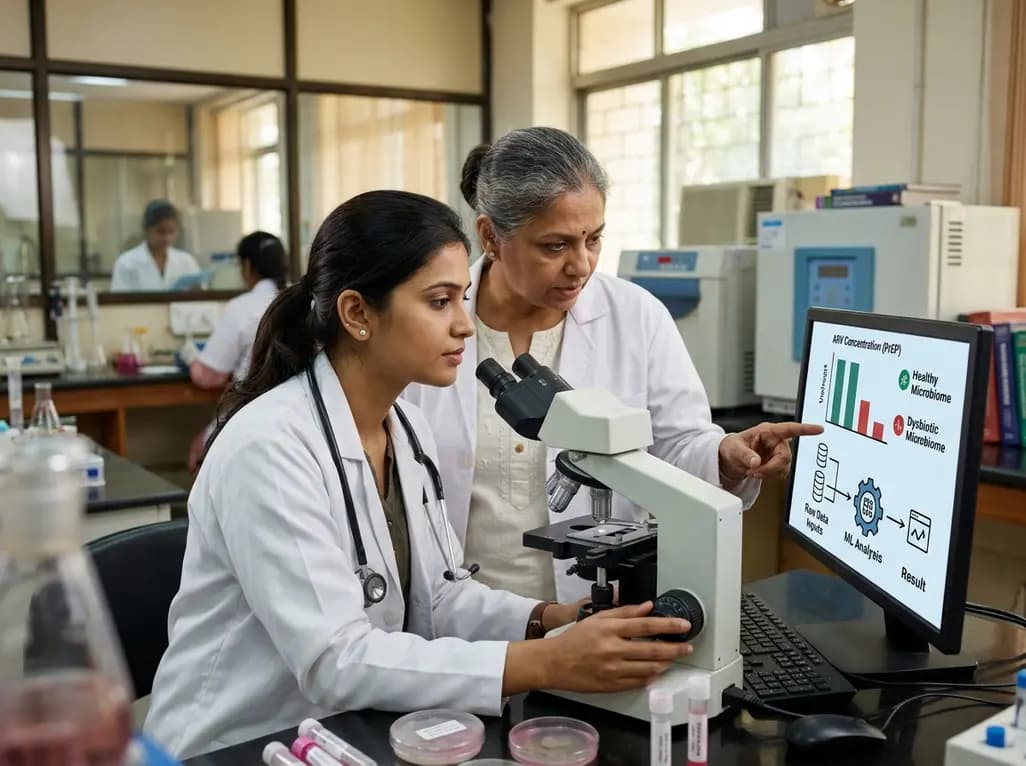
A pharmacometric and machine learning study reveals that specific vaginal bacteria alter cervical antiretroviral exposure, highlighting the need for precision HIV PrEP strategies.
Today
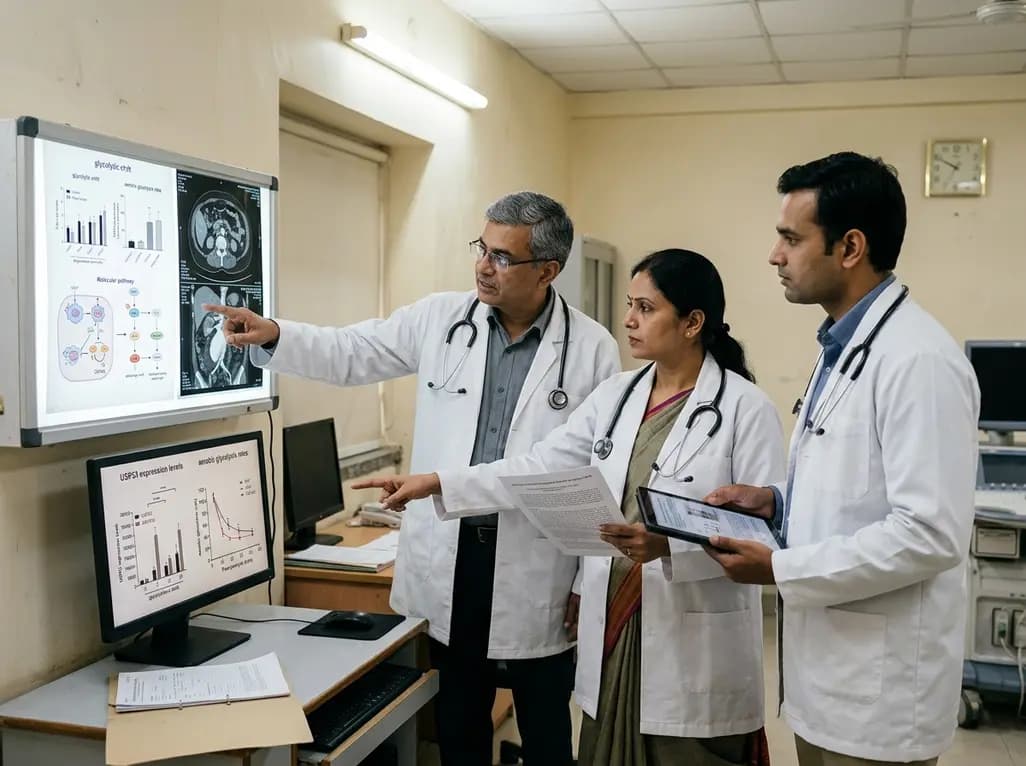
Abdominal aortic aneurysm rupture remains a catastrophic vascular emergency. Groundbreaking research reveals that USP53 accelerates aneurysm progression by reprogramming smooth muscle cell metabolism toward aerobic glycolysis, highlighting a promising target beyond conventional diameter-based surveillance.
Today
A breakthrough study leverages natural language processing to accurately identify incident medication-related osteonecrosis of the jaw and track antiresorptive drug holidays from clinical narratives in electronic health records, advancing osteoporosis pharmacovigilance and dental safety.
Today
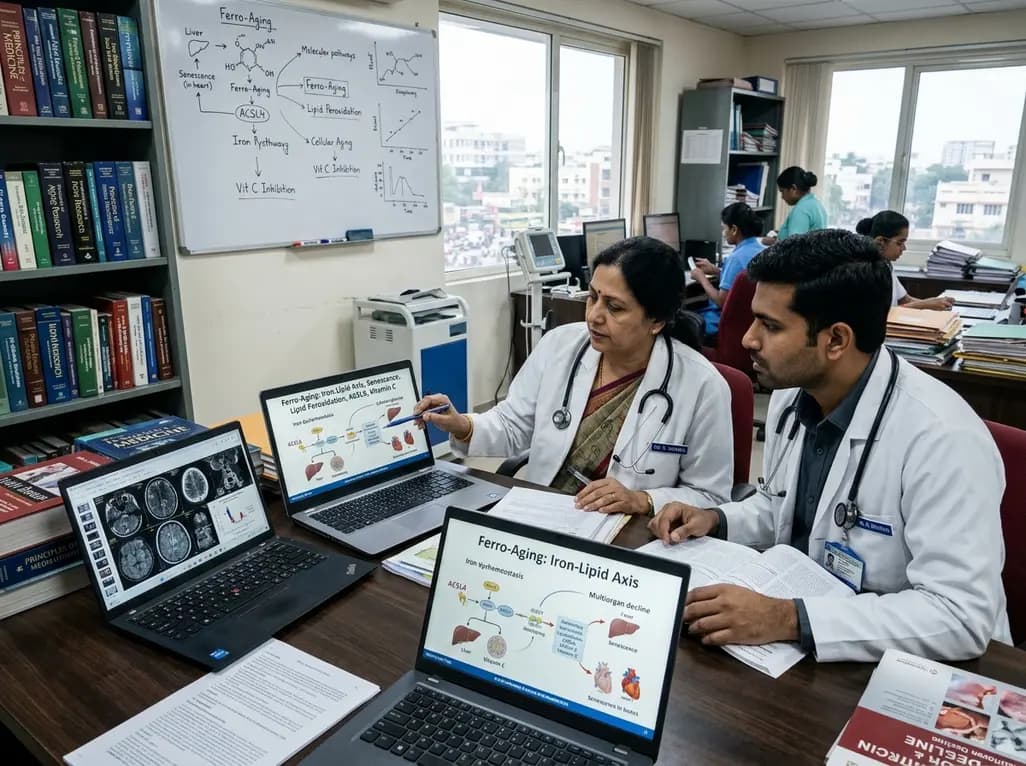
Recent research defines ferro-aging as a conserved iron-lipid axis driving organ decline across primates. Age-related iron dyshomeostasis stimulates ACSL4-mediated lipid peroxidation, promoting cellular senescence. Notably, vitamin C directly inhibits ACSL4, suppressing phospholipid oxidation and multi-organ decay.
Today
