.webp&w=384&q=75)

Loading, please wait...
Loading, please wait...

The transfer of adolescent patients with chronic neurological illnesses from pediatric facilities to adult healthcare providers represents a vulnerable clinical period. Without structured support, youth frequently experience disruptions in antiepileptic therapy, increased seizure emergencies, and heightened psychosocial anxiety. Establishing a formalized epilepsy transition program addresses these vulnerabilities by guiding patients toward independent disease management. A recent quality improvement initiative at Dayton Children's Hospital evaluated a structured roadmap designed for young adults aged 18 to 23 years with normal cognitive function. Consequently, clinical teams developed a sustainable framework through repeated Plan-Do-Study-Act cycles to bridge the care gap effectively. By providing tailored education, setting realistic expectations, and enhancing communication channels, pediatric neurologists ensure that youth maintain continuous epilepsy care throughout adulthood while fostering critical self-advocacy skills.
Pediatric neurology clinics typically deliver comprehensive, multidisciplinary, and family-centered care. In contrast, adult neurology models expect young adult patients to demonstrate full autonomy in appointment scheduling, prescription refills, and clinical history reporting. Therefore, young adults frequently struggle when transitioning between these distinct healthcare cultures. Many adolescents living with epilepsy lack sufficient self-advocacy skills, which often results in missed appointments, delayed therapy adjustments, and medication non-compliance. Furthermore, parents often remain primary decision-makers throughout childhood, which inadvertently delays the adolescent's development of independent health behaviors. In addition, adult neurological providers may have limited time or institutional resources to navigate complex pediatric psychosocial dynamics. When healthcare systems lack coordinated transfer protocols, vulnerable patients often disengage from specialty medical services entirely. Consequently, unmanaged seizures, avoidable status epilepticus, preventable physical injuries, and emergency department visits increase substantially during this critical developmental window. To mitigate these risks, clinical teams must construct structured transitional pathways that proactively prepare adolescents and their caregivers for adult medical environments well in advance of transfer.
A robust epilepsy transition program requires clear operational pillars to ensure continuous and coordinated neurological care delivery. First, clinicians must develop a detailed roadmap that outlines each developmental milestone from early adolescence through young adulthood. Second, multidisciplinary teams must establish transparent expectations regarding transfer timelines, clinic policies, and patient self-advocacy responsibilities. Third, healthcare institutions must expand patient communication modalities, incorporating secure text messaging platforms, interactive patient portals, and dedicated nursing navigators. Finally, comprehensive transition documentation ensures that receiving adult neurologists receive succinct yet detailed summaries of seizure semiology, electroencephalogram findings, neuroimaging results, and prior pharmacotherapy responses. By standardizing these essential elements, pediatric centers prevent critical medical information from getting lost during provider handoffs. Moreover, introducing structured transition concepts around ages 12 to 14 allows adolescents to gradually build disease literacy and medication self-management confidence before entering adult clinics. Creating an organized transfer process bridges clinical gaps and empowers young adults to take active ownership of their long-term neurological health.
Implementing an effective clinical transition protocol requires continuous refinement through structured, iterative quality improvement methodologies. In the Dayton Children's Hospital project, investigators conducted four distinct clinical interventions, each refined across three Plan-Do-Study-Act (PDSA) cycles over a two-year period from February 2023 to January 2025. Specifically, the clinical team focused on roadmap development, expectation alignment, patient communication expansion, and structured clinical documentation. Through continuous clinical audits and multidisciplinary feedback, hospital staff identified procedural bottlenecks such as delayed adult referral acceptance and patient scheduling inertia. Consequently, the team adapted outreach methods to include multi-channel communication strategies, which markedly improved adolescent patient engagement and appointment completion rates. In addition, standardized electronic medical record templates facilitated seamless transfer summaries for receiving adult neurologists. These deliberate adjustments transformed the initial quality improvement initiative into an institutional standard of care, ensuring long-term program sustainability and high physician adherence across departmental workflows over successive operational years.
The Dayton Children's Hospital quality improvement initiative demonstrated remarkable success in retaining young adults within the neurological care continuum. Among the 102 developmentally normal patients aged 18 to 23 enrolled in the program, 72 patients (70%) successfully completed their first appointment with an adult neurologist. Furthermore, 26 patients remained actively engaged in the transition pathway with pending actions, such as scheduled upcoming visits, insurance approvals, or ongoing outreach. Only four patients were formally dismissed from the department due to persistent inability to establish contact or relocation. These quantifiable metrics underscore the immense value of proactive transition planning in preventing patient loss to follow-up. Most importantly, the program maintained its operational efficacy and high retention rates over two consecutive years of institutional follow-up. Therefore, structured navigation and clear administrative tracking directly improve care continuity, substantially reducing the risk of catastrophic seizure recurrence and status epilepticus during early adulthood.
Despite measurable successes, clinicians frequently encounter several recurring obstacles during transition program execution. The Dayton study identified three primary challenges: missed adult clinic appointments, patient communication difficulties, and delayed self-management behaviors. Young adults frequently change contact details, relocate for higher education or employment, or deprioritize routine health appointments. To overcome these communication gaps, clinics must leverage digital health platforms, automated text reminders, and patient portal tools. Moreover, clinicians must encourage adolescents to speak privately during clinic visits without parental intervention. By practicing prescription refill requests, navigating pharmacy logistics, and tracking seizure logs independently, patients build necessary practical skills. Additionally, multidisciplinary teams should routinely screen for common psychosocial comorbidities, including anxiety, depression, and cognitive fatigue, which frequently undermine treatment adherence. Addressing these behavioral and emotional factors holistically fosters resilient self-care habits, ensuring that young adults navigate healthcare independence safely, confidently, and successfully.
While the Dayton model originated in a pediatric tertiary hospital, its foundational principles apply across global clinical environments, including resource-diverse settings in India and other developing regions. Pediatricians, general physicians, and adult neurologists often work in parallel without formal linkage networks or shared electronic health records. Therefore, creating shared transition checklists and standardized transfer summaries can significantly bridge this gap in resource-constrained environments. Furthermore, primary care physicians can act as transitional quarterbacks, coordinating care when specialized adult epileptologists are geographically distant or inaccessible. Family engagement remains particularly vital in collectivist healthcare cultures, where joint decision-making is common. However, clinicians must still cultivate the patient's individual understanding of seizure triggers, lifestyle modifications, contraception, and medication compliance. Ultimately, establishing structured transition protocols strengthens health system resilience, reduces unnecessary hospitalizations, and elevates long-term neurological care standards across diverse clinical landscapes.
Clinicians should initiate transition discussions during early adolescence, typically between 12 and 14 years of age. Introducing self-management concepts early gives youth and their caregivers adequate time to understand adult healthcare expectations, learn antiepileptic medication regimens, and build independent decision-making skills before formal transfer occurs at age 18 to 21.
A successful transition is clinically defined by the patient's completion of their initial intake appointment with an adult neurologist, accompanied by uninterrupted medication access. Furthermore, successful models demonstrate sustained attendance at follow-up consultations, effective disease self-management, and proactive communication between pediatric and adult neurology teams.
The primary barriers include patient communication breakdown, missed intake appointments, delayed adolescent self-management skills, and parental reluctance to relinquish control. In addition, systemic hurdles such as adult specialist shortages, insurance coverage transitions, and insufficient electronic health record interoperability frequently impede timely and seamless neurological care continuity.
Disclaimer: This content is for informational and educational purposes only and does not constitute medical advice, diagnosis, or treatment. Healthcare professionals should exercise their independent clinical judgment. Refer to the latest local and national guidelines for clinical practice.
References

Read summarized clinical updates, watch expert medical content, and earn CME certifications right from your smartphone.
Open your smartphone camera to scan and install.





A quality improvement project at Dayton Children's Hospital established an epilepsy transition program for young adults aged 18-23, achieving a 70% successful transfer rate to adult neurology care through iterative Plan-Do-Study-Act cycles and multi-modal communication roadmaps.
last month

New immunological research reveals how PTPN22 forms a delayed inhibitory signaling complex to restrain T cell activation, explaining how the autoimmune-linked R620W variant disrupts feedback control and promotes persistent inflammation in conditions like rheumatoid arthritis and type 1 diabetes.
Today

A nationwide study covering 3.7 million Swedish births reveals that prenatal exposure to TORCH pathogens significantly elevates long-term risks of intellectual disability and autism. Healthcare providers must recognize clinical indicators, promote prenatal prevention, and track early pediatric neurodevelopment.
Today
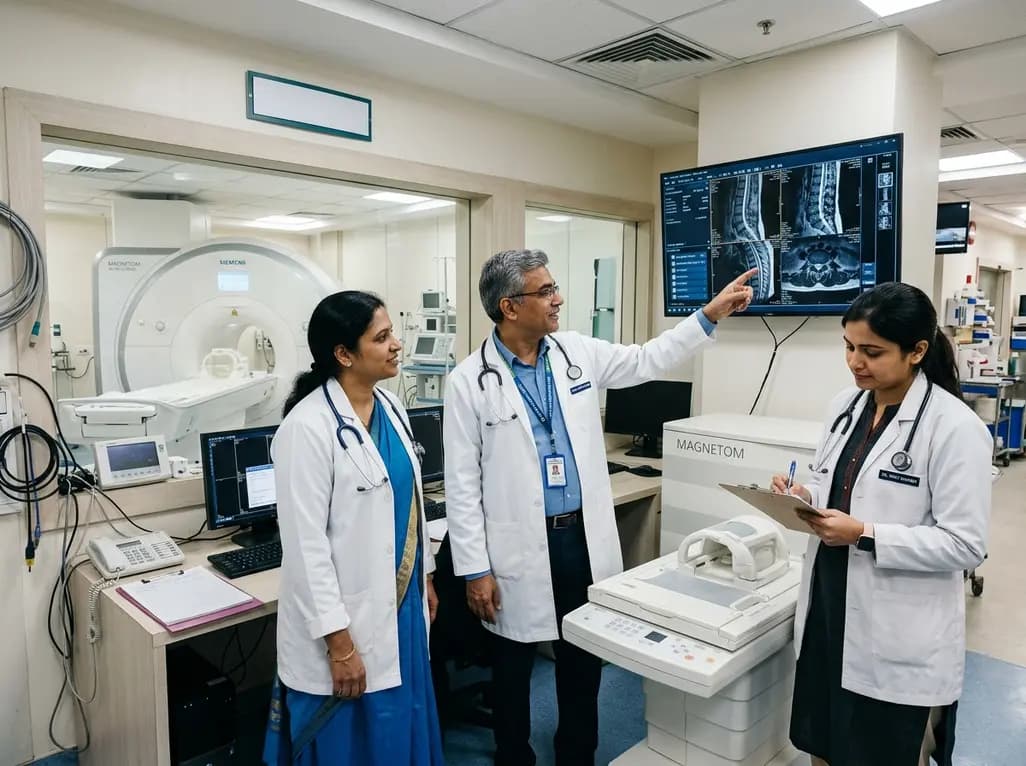
Under India's PLI initiative, domestic production of 57 critical medical devices has commenced, including MRI and CT scanners, cath labs, and heart valves. Global partnerships and local investments are expanding high-end technology, curbing import reliance, and strengthening clinical accessibility nationwide.
Today
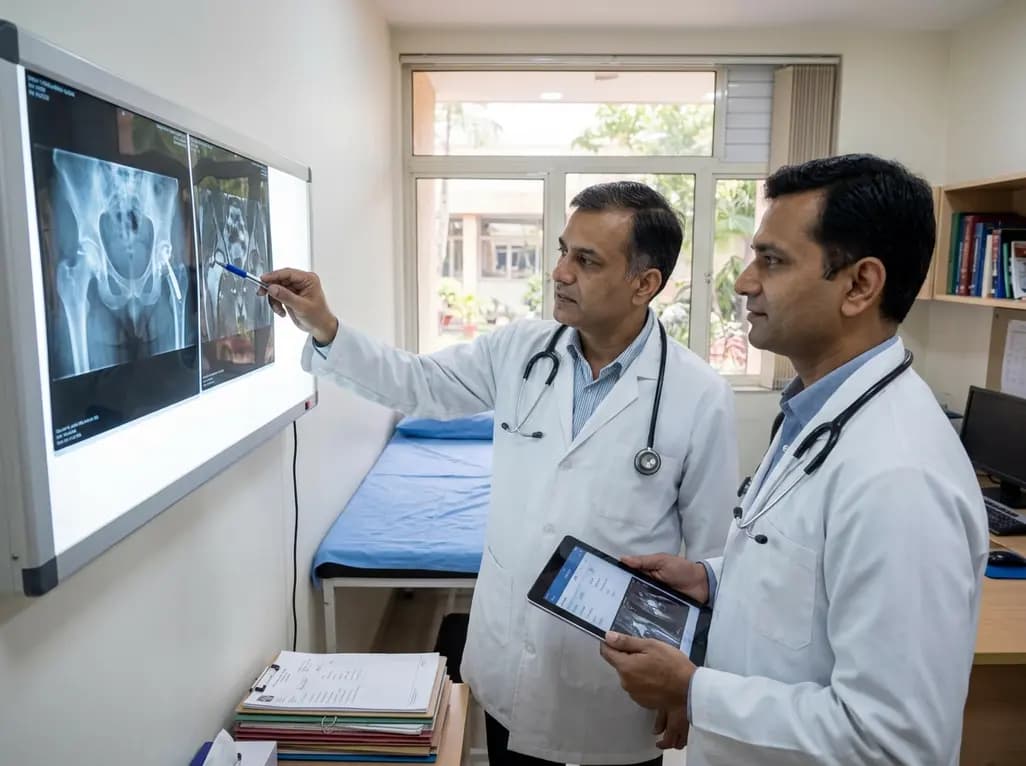
A longitudinal study reveals that patients undergoing staged bilateral hip arthroscopy experience progressive contralateral labral deterioration during surgical intervals. However, structural degradation does not compromise 2-year postoperative clinical outcomes or patient-reported satisfaction scores.
Today

SWEDEPAD-1 trial insights show paclitaxel-coated devices do not improve long-term limb salvage in patients with chronic limb-threatening ischemia and tissue loss. While one-year reinterventions decreased, the devices were linked to a higher risk of major amputation at three months.
Yesterday
