.webp&w=384&q=75)

Loading, please wait...
Loading, please wait...
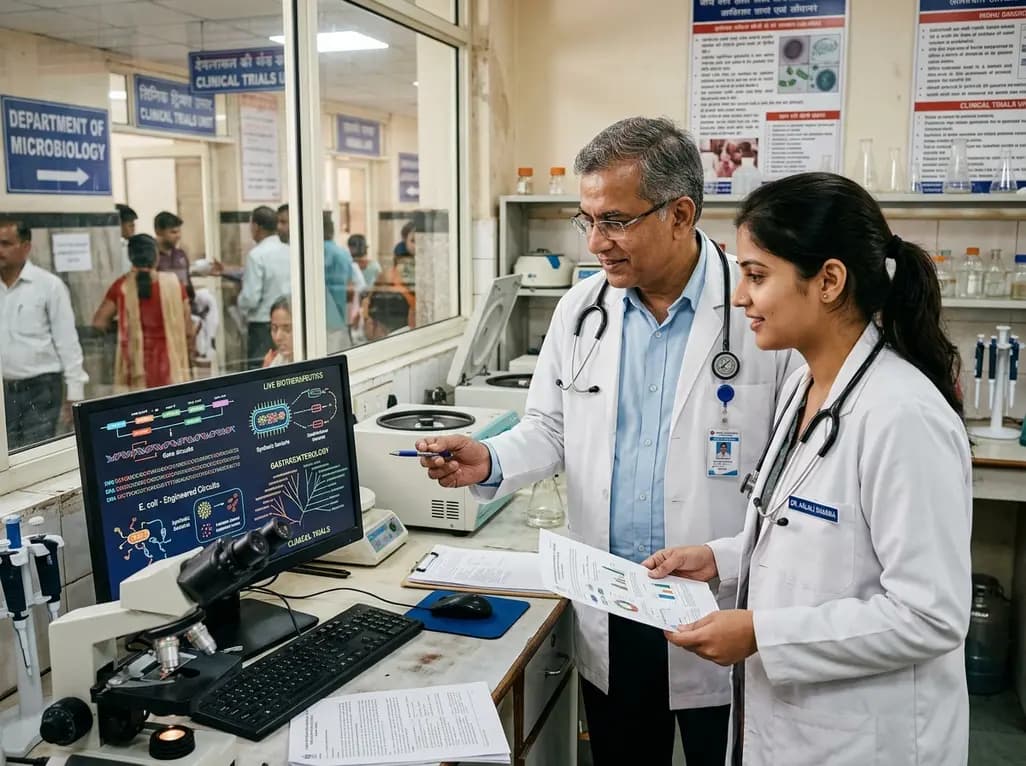
The emergence of synthetic biology has transformed living microbes into programmable medicinal agents. Today, engineered bacterial therapeutics represent a revolutionary frontier in precision healthcare. These living medicines integrate synthetic gene networks to perform complex physiological actions, such as microenvironmental sensing, targeted payload delivery, and immune modulation. As clinical investigations accelerate worldwide, clinicians must understand the underlying science, therapeutic mechanisms, and translational trajectory of these innovative biological platforms.
Over the past two decades, living microbial platforms have advanced from basic laboratory curiosities into sophisticated clinical candidates. Initial investigations primarily focused on fundamental microbial chassis construction, genetic characterization, and preliminary circuit design. However, researchers quickly recognized that native bacterial species possessed distinct biological attributes, including intrinsic chemotaxis and selective organ colonization. Consequently, the research community shifted its focus toward constructing disease-responsive platforms and engineered live biotherapeutic products.
Recent global scientometric analyses demonstrate an exponential rise in research output, particularly following the year 2020. International research hubs in North America and Asia have pioneered innovative strains that overcome historical limitations of systemic toxicity and genomic instability. Furthermore, high-throughput genetic sequencing and CRISPR-based genome editing have allowed bioengineers to insert stable therapeutic payloads into well-characterized host chassis such as Escherichia coli Nissle 1917 and Lactobacillus species. Therefore, these living therapies now demonstrate predictable pharmacodynamics in preclinical models, establishing a robust foundation for human clinical trials across multiple organ systems.
Living medicines achieve therapeutic precision through advanced synthetic gene circuits that operate logically within host environments. Unlike traditional small molecules or static biologics, engineered bacteria can dynamically sense and respond to pathological biochemical cues. For example, bioengineers frequently program synthetic promoters to detect hypoxia, specific metabolites, elevated inflammatory cytokines, or pathologically low pH. When the engineered strain encounters these specific triggers, it activates downstream gene expression to synthesize and secrete bioactive molecules directly at the pathological locus.
In addition, modern synthetic circuits incorporate sophisticated regulatory logic gates, feedback loops, and quorum-sensing mechanisms. Quorum-sensing circuits enable bacterial populations to grow locally until they reach a predefined density threshold before releasing their therapeutic payload via synchronized lysis. This controlled release mechanism maximizes local drug concentrations while substantially minimizing systemic exposure and associated toxicities. Consequently, the host experiences potent targeted therapeutic effects without suffering widespread adverse events. Modern engineering strategies also incorporate genetic kill switches and nutrient auxotrophy, which strictly prevent unintentional environmental shedding or persistent host colonization.
Solid tumors present formidable physiological barriers that often restrict the penetration and efficacy of standard chemotherapeutics and monoclonal antibodies. However, engineered bacterial therapeutics possess a unique ability to selectively colonize the necrotic, hypoxic, and immunosuppressive cores of solid tumors. Facultative and obligate anaerobic bacteria actively migrate toward tumor microenvironments due to abundant nutrients and immune-privileged conditions. Once localized within the malignant tissue, these programmable microbes act as autonomous micro-factories.
These engineered microbial platforms deliver diverse immunomodulatory molecules, including checkpoint inhibitor nanobodies, tumor antigens, cytokines such as interleukin-2, and cytotoxic payloads directly into tumors. Simultaneously, bacterial cell wall components naturally stimulate host pattern recognition receptors, converting immunologically "cold" tumors into highly inflamed, "hot" microenvironments. Consequently, surrounding dendritic cells and cytotoxic T lymphocytes undergo robust activation, promoting comprehensive systemic antitumor immunity. Preclinical and early-phase clinical data confirm that combining bacterial delivery platforms with standard immune checkpoint blockade produces synergistic antitumor responses, especially in traditionally resistant malignancies like pancreatic and gastrointestinal cancers.
The human gastrointestinal tract represents the most natural and extensively explored operational environment for living biotherapeutics. Chronic inflammatory bowel diseases, metabolic disorders, and enteric pathogen colonization frequently stem from disrupted mucosal immunity and microbial dysbiosis. Engineered probiotic bacteria offer an attractive, non-invasive therapeutic modality because they survive transit through the digestive tract and engage directly with mucosal surfaces.
Researchers have successfully engineered strains of Lactococcus lactis and Bifidobacterium to secrete therapeutic anti-inflammatory proteins, including interleukin-10, regulatory peptides, and cytokine-neutralizing antibody fragments directly into the gut lumen. Furthermore, these synthetic microbes can degrade dietary toxins, convert toxic metabolic byproducts into harmless metabolites, and neutralize pathogenic virulence factors. By establishing symbiotic interactions with the native gut microflora, engineered biotherapeutics actively restore intestinal barrier integrity, suppress mucosal inflammation, and rebalance metabolic equilibrium. Clinical studies continue to demonstrate that localized mucosal production reduces systemic drug exposure, thereby offering a significantly superior safety profile compared to systemic immunosuppressive agents.
Despite tremendous therapeutic promise, translating living microorganisms from laboratory benches into human clinical practice introduces complex safety challenges. Patient safety remains the foremost clinical priority, particularly when administering viable bacteria to immunocompromised individuals. Uncontrolled bacterial replication, systemic bacteremia, immune hyperactivation, and unintended horizontal gene transfer to commensal microbes represent critical risks that bioengineers must strictly mitigate.
To resolve these significant safety hurdles, researchers incorporate multi-layered biocontainment mechanisms into every therapeutic strain. Stringent synthetic auxotrophies force engineered bacteria to depend on non-natural amino acids or synthetic nutrients, ensuring complete elimination outside controlled environments. Additionally, fail-safe genomic kill switches trigger programmed cell death upon exposure to specific environmental signals or systemic clearance signals. From a manufacturing perspective, producing live biotherapeutic products requires rigorous adherence to current Good Manufacturing Practices (cGMP). Developers must guarantee batch-to-batch genetic stability, precise microbial viability, formulation integrity, and freedom from adventitious contaminants throughout production and clinical storage.
The translation of living therapeutics into standard medical practice requires continuous alignment between biotechnological innovators and global health authorities. Historically, standard pharmacological guidelines evaluated static, non-living chemical entities or recombinant proteins. However, regulatory frameworks established by major global authorities now define clear criteria for live biotherapeutic products, addressing strain characterization, pharmacokinetic behavior, and environmental containment.
Currently, numerous engineered bacterial formulations are undergoing active phase 1 and phase 2 clinical trials worldwide. Clinical trial investigators are establishing reliable protocols to quantify in vivo microbial kinetics, shedding profiles, and patient immune responses. Clinicians must familiarize themselves with these emerging protocols as combination regimens involving engineered bacteria enter oncology and gastroenterology pipelines. Furthermore, establishing clear international regulatory consensus will accelerate localized clinical trials, enabling healthcare systems globally to safely adopt living biotherapeutic products for complex, treatment-resistant human diseases.
Conventional probiotics are dietary supplements containing wild-type microbial strains that provide general health benefits through non-specific gut interactions. In contrast, engineered bacterial therapeutics are regulated medicinal products built with precision synthetic gene circuits. Bioengineers modify these living strains to sense specific pathological disease biomarkers and dynamically produce targeted therapeutic proteins, immunomodulatory cytokines, or diagnostic enzymes directly at disease sites with strictly defined pharmacokinetics.
Solid tumors frequently develop abnormal vasculature, producing necrotic, hypoxic, and immune-deficient microenvironments that hinder standard pharmaceuticals. Facultative and obligate anaerobic bacteria thrive in these nutrient-rich, low-oxygen conditions while escaping systemic immune clearance. Consequently, engineered bacteria selectively accumulate and proliferate inside the core of solid tumors, where they function as autonomous living factories that deliver potent therapeutic agents directly into malignant tissues.
Scientists implement redundant biocontainment strategies to prevent uncontrolled bacterial growth and environmental dissemination. Engineered strains frequently feature synthetic auxotrophy, making their survival dependent on specific exogenous molecules unavailable in natural environments. Furthermore, researchers embed genomic kill switches, such as inducible toxin-antitoxin systems, that trigger rapid self-destruction when bacteria exit target anatomical tissues or encounter specific clearance signals administered by clinicians.
Disclaimer: This content is for informational and educational purposes only, and should not be taken as professional medical advice. It is not intended to diagnose, treat, cure, or prevent any disease. Healthcare professionals must use their clinical judgment, consider individual patient needs, and evaluate potential risks before applying any diagnostic or treatment approaches discussed. Refer to the latest local and national guidelines for clinical practice.
References

Read summarized clinical updates, watch expert medical content, and earn CME certifications right from your smartphone.
Open your smartphone camera to scan and install.





A scientometric analysis highlights the clinical evolution of engineered bacterial therapeutics from synthetic gene circuit design to targeted applications in oncology, gastroenterology, and live biotherapeutic products.
last month

A Bayesian multilevel meta-analysis reveals that aerobic training combined with moderate carbohydrate restriction modestly lowers HbA1c in type 2 diabetes. However, sparse data and very low certainty leave incremental benefits over exercise or diet alone unproven, highlighting the need for individualized care.
Today

Findings from Project Viva indicate that sustained postpartum weight retention, rather than excessive gestational weight gain alone, directly worsens women's mid-life cardiovascular health, degrading blood pressure and glycemic parameters decades after delivery.
Today
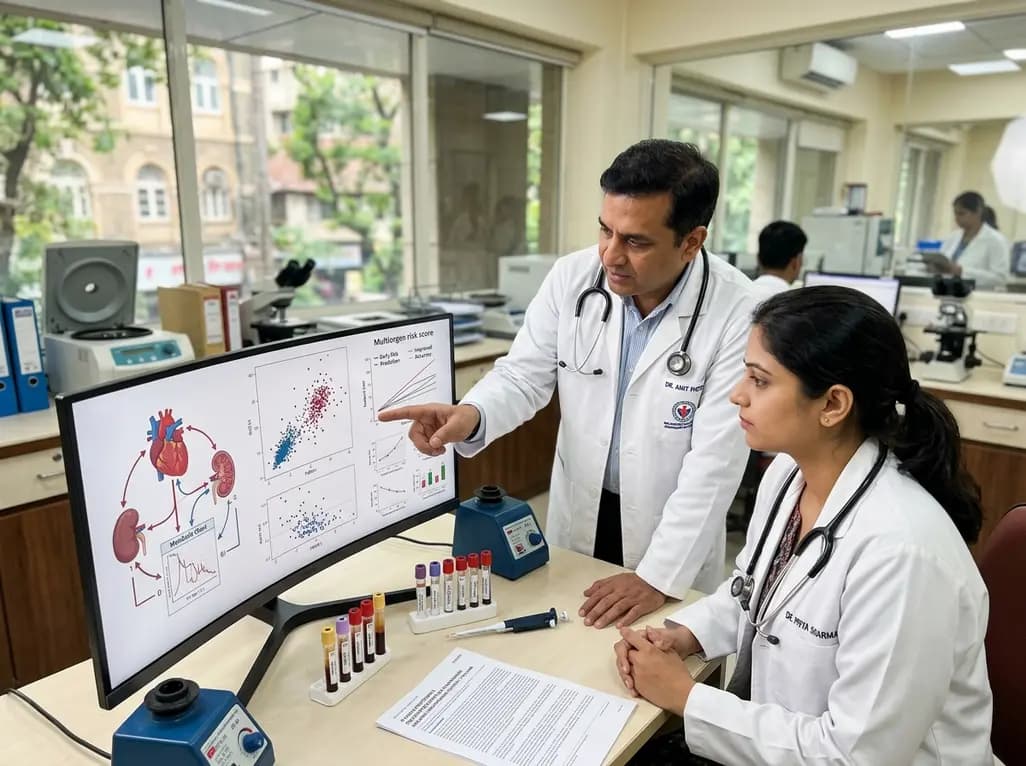
A large UK Biobank study reveals that plasma proteomic signatures capture preclinical organ damage and improve multiorgan risk prediction across early CKM syndrome stages 0 to 2 beyond traditional PREVENT clinical models.
Today

A retrospective CBCT study reveals that superior TMJ space asymmetry correlates moderately with occipital condyle-atlas-axis asymmetry in unilateral TMJ osteoarthritis, highlighting an imaging correlate between jaw biomechanics and upper cervical alignment rather than a standalone diagnostic marker.
Today
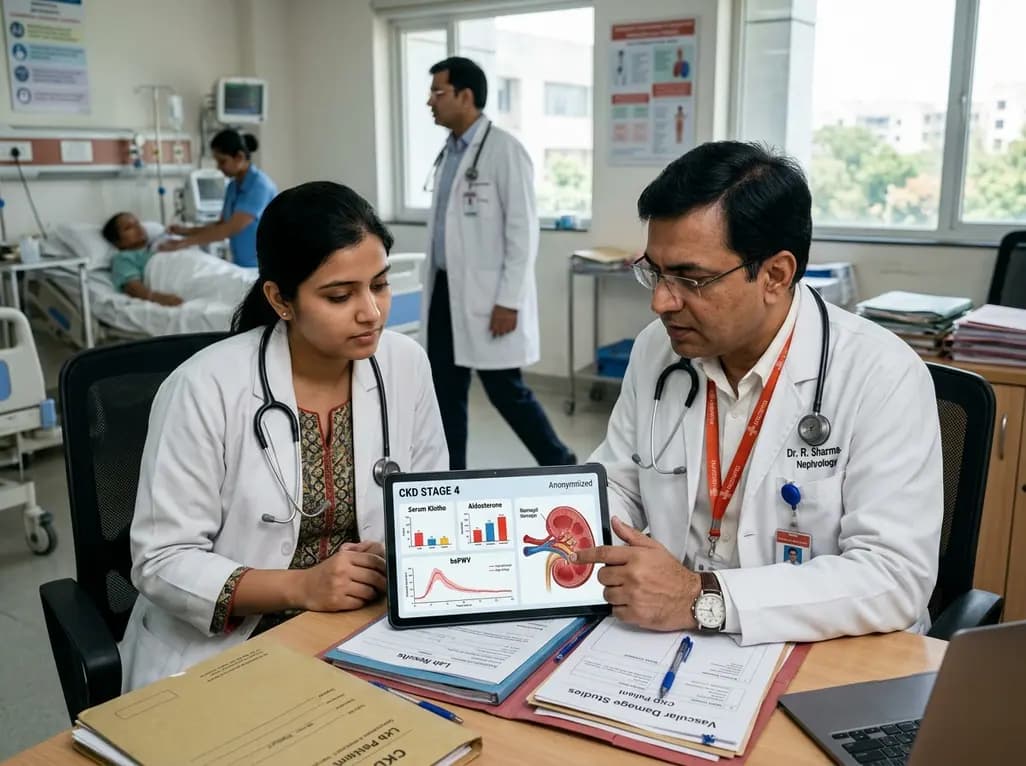
A cross-sectional investigation highlights the complex pathophysiological links between serum Klotho deficiency, secondary hyperaldosteronism, and vascular damage in CKD. Discover key insights into non-invasive vascular stiffness markers and targeted therapeutic pathways for cardiorenal protection.
Today
