.webp&w=384&q=75)

Loading, please wait...
Loading, please wait...
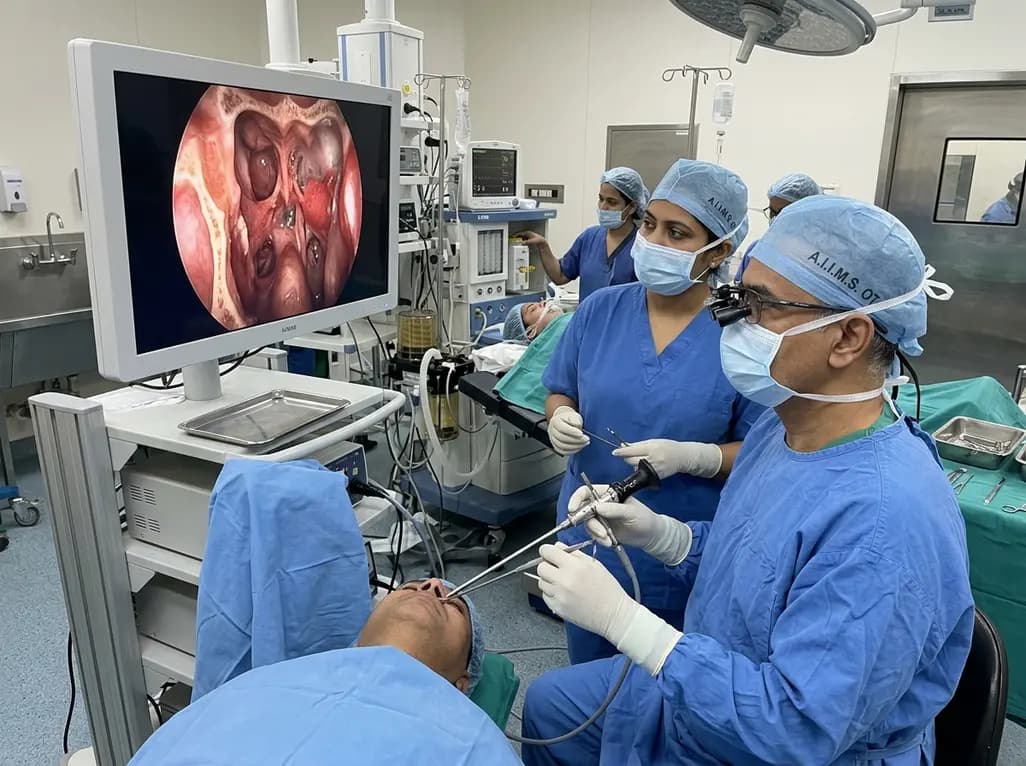
Surgeons often find total maxillectomy challenging due to the complex anatomy of the pterygomaxillary junction. However, a recent technical note describes a novel approach for endoscopic pterygoid process resection that avoids breaching the maxillary sinus. This sinus-sparing method utilizes two specific transnasal techniques to achieve detachment while maintaining anatomical integrity.
Firstly, the surgical procedure involves a lower cut at the level of the nasal floor. Secondly, surgeons perform an upper cut positioned specifically below the vidian canal. Consequently, this method allows for direct visualization of the posterior maxillary osteotomy. Furthermore, this technique facilitates a precise assessment of the posterior margins during the operation. Therefore, clinicians can keep the tumor within an intact maxillary sinus compartment. This containment potentially reduces the risk of local recurrence and enhances oncological safety.
Moreover, cadaveric dissections have confirmed the feasibility and safety of this approach. In addition to improved visualization, the technique avoids unnecessary trauma to the sinus mucosa. Thus, the integrity of the sinus remains preserved throughout the surgical process. Finally, clinical cases demonstrate that this technique effectively manages the pterygomaxillary junction without traditional complications. Ultimately, this advancement provides a refined tool for surgeons performing complex head and neck resections.
Preserving the sinus integrity helps maintain the tumor within an intact compartment. This facilitates better visualization and more accurate margin assessment during the resection.
The technique requires a lower cut at the level of the nasal floor and an upper cut placed carefully below the vidian canal.
Yes, this approach enables direct visualization of the posterior maxillary osteotomy. Such visibility is often difficult to achieve through conventional open or endoscopic surgery.
Disclaimer: This content is for informational and educational purposes only. It does not constitute medical advice or establish a doctor-patient relationship. Always seek the advice of a qualified healthcare provider for any medical condition. Refer to the latest local and national guidelines for clinical practice.
References

Read summarized clinical updates, watch expert medical content, and earn CME certifications right from your smartphone.
Open your smartphone camera to scan and install.





This technical note details a sinus-sparing endoscopic technique for pterygomaxillary junction detachment during total maxillectomy, improving visualization and margin control while maintaining the integrity of the maxillary sinus compartment.
4 months ago

A retrospective cohort study of 7,716 ICU patients from the MIMIC-IV database demonstrates that Gradient Boosting Decision Trees significantly outperform traditional SOFA scores in predicting in-hospital mortality among patients with sepsis and diabetes, with SHAP analysis providing clinical interpretability.
Today
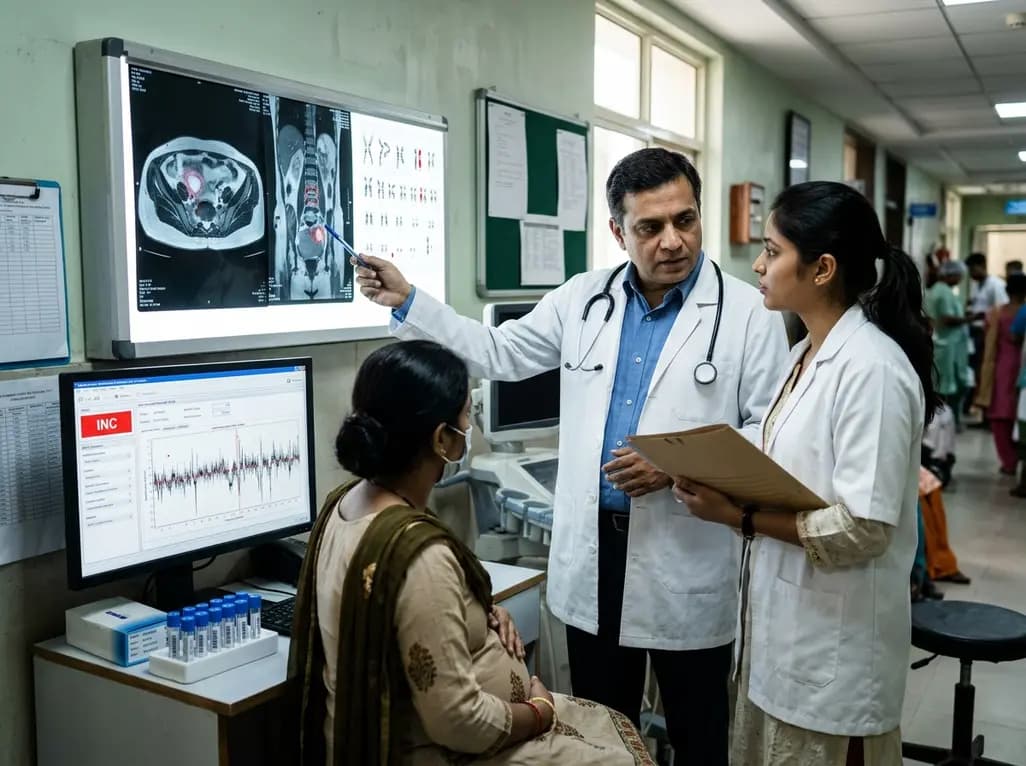
Occult maternal malignancy accounts for 3.82% of persistent unreportable NIPT results with genomic noise. Multiple chromosomal aberrations, notably on chromosome 18, warrant thorough oncological evaluation and whole-body MRI to ensure timely maternal diagnosis while preserving fetal care.
Today

This article reviews the forensic and clinical complexities of acute myocarditis arising on left ventricular hypertrophy in children, highlighting early diagnostic red flags and multidisciplinary postmortem autopsy protocols.
Today

This comparative study evaluates posterior labral tears with and without glenohumeral instability, highlighting distinct demographic patterns, MRI underestimation in stable shoulders, and successful arthroscopic repair outcomes.
Yesterday

A clinical study demonstrates that early intervention with tocilizumab, either as monotherapy or bridged with corticosteroids, achieves significant proptosis reduction and resolves active inflammation in treatment-naive thyroid eye disease.
Yesterday
