.webp&w=384&q=75)

Loading, please wait...
Loading, please wait...
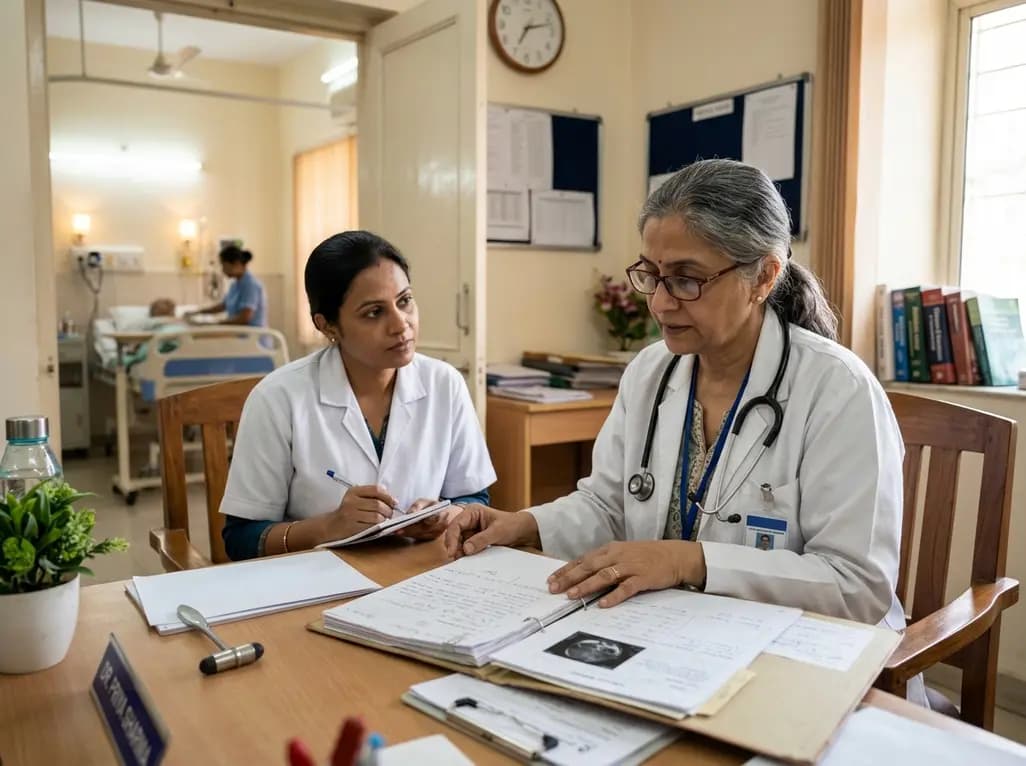
Glioblastoma remains one of the most aggressive and challenging central nervous system malignancies. Despite multimodal interventions involving maximal surgical resection, chemoradiotherapy, and targeted therapies, tumor recurrence is virtually universal. Because curative options do not exist, standardizing end-of-life care in glioblastoma is essential to preserve dignity and mitigate neurological symptom burden. Historically, terminal management in neuro-oncology was fragmented, leading to frequent emergency department presentations and institutional deaths. However, recent longitudinal analyses provide valuable insights into evolving care delivery patterns, supportive care access, and persistent healthcare disparities among brain tumor populations.
Recent long-term cohort data evaluating over 9,000 patients diagnosed with glioblastoma across a 25-year period demonstrate significant evolutions in terminal care paradigms. Over the observation window, clinicians integrated supportive and specialized palliative services far more consistently. Supportive care utilization surged dramatically from less than 30% in the late 1990s to over 60% in more recent years. Consequently, this shift reflects a broader recognition among oncology teams that early supportive care improves quality of life without compromising clinical vigilance.
Furthermore, the timing of palliative involvement has shifted substantially across modern practice. Palliative consultation historically occurred only during the final days of life, when patients were already comatose or profoundly incapacitated. In contrast, modern cohorts demonstrate earlier specialist referrals, allowing meaningful discussions regarding advance care planning, durable powers of attorney, and symptom goals before cognitive impairment accelerates. Therefore, this proactive approach allows physicians and families to navigate the terminal trajectory with greater preparedness and less acute emotional crisis.
The systematic integration of outpatient supportive services has fundamentally reshaped the location of terminal events for brain cancer patients. Specifically, population analyses show that in-hospital deaths plummeted from over 50% in the late 1990s to approximately 21% in recent years. Simultaneously, acute hospital admissions occurring within the final 30 days of life dropped from nearly two-thirds of all patients to roughly half. Thus, comprehensive supportive frameworks have successfully redirected terminal care toward home-based environments, specialized hospices, and community settings.
Nevertheless, keeping patients comfortable at home during the terminal phase of high-grade glioma presents formidable logistical and clinical hurdles. Patients frequently experience progressive motor paralysis, cognitive decline, seizures, dysphagia, and raised intracranial pressure. When community nursing infrastructure and caregiver education are inadequate, families often default to emergency medical services during acute decompensation. Consequently, preventing unplanned terminal hospitalizations requires robust multidisciplinary teams capable of managing complex neurological deterioration in outpatient and home-care settings.
Despite encouraging reductions in terminal hospitalizations, population registries highlight a paradoxical rise in aggressive medical interventions near the end of life. Over the last two decades, the proportion of patients receiving systemic chemotherapy within 14 days of death increased measurably. Additionally, intensive care unit admissions within the final month of life also demonstrated an upward trajectory. This pattern indicates that while general supportive referrals have increased, oncologists sometimes struggle with timely treatment cessation.
Moreover, distinguishing between salvage therapeutic attempts and futile medical overtreatment remains difficult in neuro-oncology. Physicians may continue alkylating agents or novel targeted therapies because of strong patient desires, diagnostic ambiguity regarding pseudo-progression versus true progression, or reluctance to acknowledge terminal decline. However, late systemic antineoplastic therapy frequently exposes patients to cytopenias, infection, and severe fatigue without conferring meaningful survival benefit. Clinicians must therefore balance therapeutic optimism against the physical toxicities of late antineoplastic administration.
While overarching trends illustrate clinical progress, population data demonstrate stark socioeconomic and geographic inequities in end-of-life management. Patients residing in affluent urban sectors consistently receive higher rates of home-based palliative visits, early allied health consultations, and specialized hospice placements compared to their rural or lower-income counterparts. As a result, socially vulnerable patients remain at elevated risk for uncoordinated terminal care, frequent emergency room visits, and in-hospital mortality.
In addition, geographic isolation poses severe obstacles to neuro-palliative delivery. Rural regions frequently lack access to neuro-oncology specialists, dedicated hospice teams, and specialized home infusion services. Consequently, families in underserved locations shoulder immense psychological and physical caregiving burdens alone. Addressing these pervasive disparities requires targeted health policy reforms, expansion of neuro-palliative telemedicine, and localized community support networks to ensure equitable palliative delivery across diverse demographic groups.
To optimize clinical outcomes and patient experience, modern neuro-oncology frameworks must establish structured, multidisciplinary care pathways from the time of initial diagnosis. Palliative specialists should ideally collaborate with neurosurgeons, radiation oncologists, and medical oncologists in joint clinics. Through this early alignment, clinicians can introduce anticipatory guidance regarding expected neurological decline, seizure action plans, steroid titration strategies, and advance directives well before cognitive decline impairs patient decision-making capacity.
Furthermore, multidisciplinary teams must proactively educate family caregivers regarding the expected symptoms of the terminal trajectory. Providing clear algorithms for managing delirium, respiratory secretions, focal motor seizures, and agitation empowers caregivers to manage crises at home safely. Ultimately, shifting from a reactive crisis-management model to an intentional, proactive neuro-palliative strategy ensures that therapeutic intensity aligns with patient values and minimizes avoidable suffering at the close of life.
Clinicians should introduce palliative care early in the disease course, ideally at diagnosis or during initial chemoradiotherapy. Early introduction allows patients to articulate personal values and complete advance directives before neurological impairment or cognitive deficits compromise their decision-making capacity and communication abilities.
In-hospital deaths have decreased primarily due to expanded outpatient supportive care services, earlier palliative integration, and enhanced community-based hospice resources. These coordinated frameworks enable multidisciplinary teams to manage complex neurological symptoms, raised intracranial pressure, and seizures effectively within home and residential hospice environments.
Administering chemotherapy within the final weeks of life exposes patients to unnecessary toxicities, including myelosuppression, infectious complications, nausea, and severe fatigue, without improving overall survival. Late systemic treatment can precipitate acute hospitalizations, delay hospice enrollment, and significantly compromise the patient's remaining quality of life.
Disclaimer: This content is for informational and educational purposes only. It is not intended to be a substitute for professional medical advice, diagnosis, or treatment. Always seek the advice of your physician or other qualified health provider with any questions you may have regarding a medical condition. Please note that medical guidelines and best practices may vary by country and region. Refer to the latest local and national guidelines for clinical practice.
References

Read summarized clinical updates, watch expert medical content, and earn CME certifications right from your smartphone.
Open your smartphone camera to scan and install.





A 25-year population study reveals evolving trends in end-of-life care for glioblastoma patients. Findings demonstrate increased supportive care utilization and fewer in-hospital deaths, alongside persistent socioeconomic disparities and rising late-stage aggressive interventions.
4 weeks back
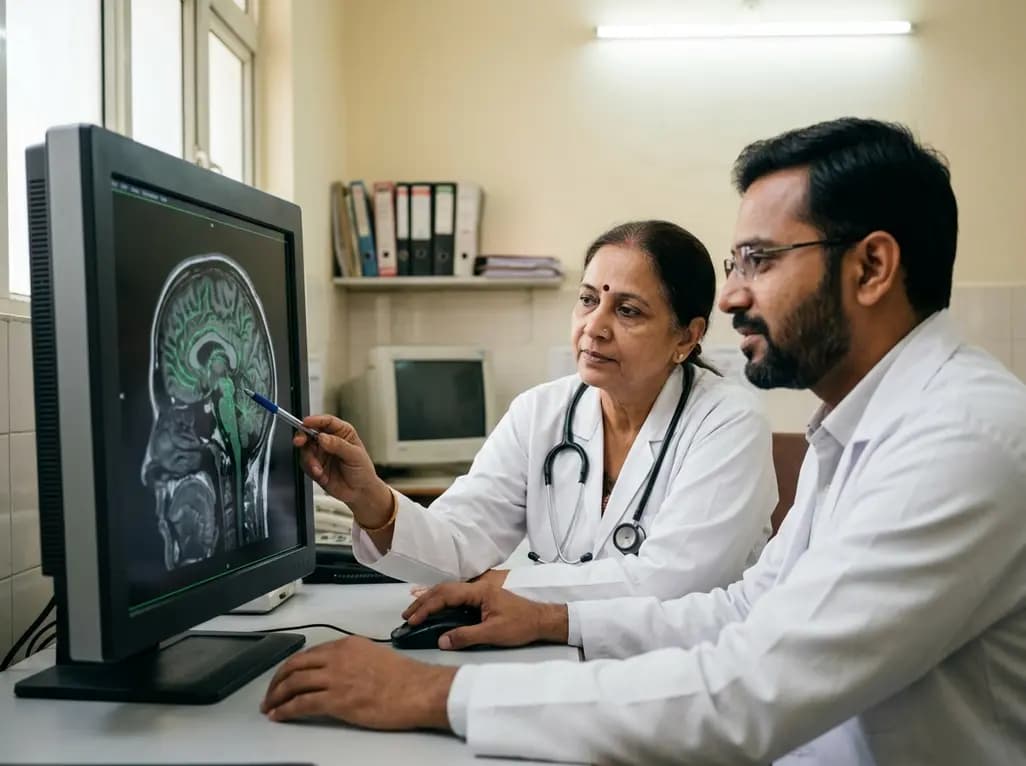
UK Research and Innovation is deploying £80 million across the NHS to trial nine cutting-edge technologies. The initiative features seven-minute brain MRIs, blood biomarker assays, and predictive AI tools, aiming to evaluate 92% of suspected cases within 18 weeks and overcome lengthy diagnostic backlogs.
Today

A mixed-methods study identifies key drivers of PMTCT service utilization among adolescent girls and young women aged 15-24. Highlighting age disparities, PrEP uptake, and systemic barriers, the evidence guides clinicians toward adolescent-responsive, integrated maternal HIV prevention protocols.
Today

PepsiCo and Monster Beverage have challenged the FSSAI ban on the energy drink label in Indian courts. While companies highlight supply disruptions, regulatory actions spotlight severe cardiovascular and metabolic risks associated with excessive caffeine, sugar, and taurine consumption, especially in adolescents.
Today

A narrative review investigates whether the articularis genus muscle functions as an independent anatomical entity or blends with the vastus intermedius. We evaluate its morphology, role in retracting the suprapatellar bursa, and direct clinical significance in anterior knee pain and arthroplasty.
Today

A Bayesian multilevel meta-analysis reveals that aerobic training combined with moderate carbohydrate restriction modestly lowers HbA1c in type 2 diabetes. However, sparse data and very low certainty leave incremental benefits over exercise or diet alone unproven, highlighting the need for individualized care.
Today
