.webp&w=384&q=75)

Loading, please wait...
Loading, please wait...
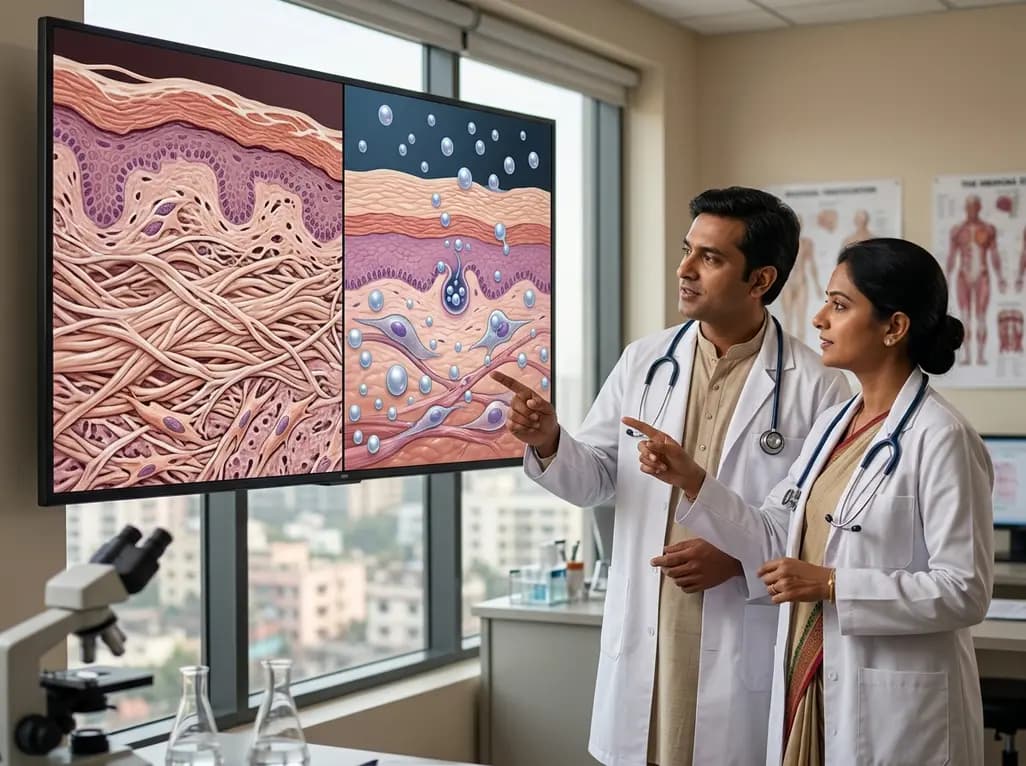
Fibrotic scarring affects more than 100 million individuals globally each year, often resulting from trauma, surgery, or severe burns. These conditions frequently lead to significant functional impairment and aesthetic concerns, placing a substantial psychological burden on patients. Currently, conventional treatments often fail to provide adequate restoration of the original skin architecture. Consequently, there is an urgent clinical need for novel therapeutic strategies that are both effective and easily accessible. Recent research has focused on the promise of regenerative medicine, particularly the role of eMSC extracellular vesicles fibrosis modulation. By utilizing extracellular vesicles (EVs) instead of whole cells, clinicians can leverage the paracrine benefits of stem cells while avoiding the immunogenic and regulatory challenges associated with direct cell transplantation. Endometrial mesenchymal stem cells (eMSCs) have emerged as a unique and potent source for these vesicles. These cell-free preparations offer a standardized, scalable approach to improving tissue repair quality and managing complex dermatological conditions.
Human endometrial mesenchymal stem cells (eMSCs) possess distinct advantages over traditional sources like bone marrow or adipose tissue. Primarily, these cells are isolated from endometrial biopsies, a procedure that is significantly less invasive than bone marrow aspiration. The endometrium is a highly regenerative tissue, and the MSCs derived from it exhibit robust proliferation and multi-lineage differentiation potential. Furthermore, eMSCs are known for their exceptional immunomodulatory properties, which are essential for controlling the inflammatory phase of wound healing. The regenerative effects of these cells are largely attributed to the secretion of extracellular vesicles. These lipid-bilayer vesicles act as transport vehicles for bioactive molecules, including proteins and microRNAs. In comparative studies, eMSC-EV-enriched preparations have shown superior performance in modulating fibroblast activity compared to other stem cell sources. This makes them a prime candidate for applications in regenerative dermatology and women's health. Therefore, understanding the characterization and functional capacity of these vesicles is crucial for their translation into clinical practice.
One of the most significant challenges in wound management is preventing the development of excessive fibrosis, which leads to disordered scarring. In experimental models, the application of eMSC extracellular vesicles fibrosis modulation has demonstrated remarkable efficacy in reducing collagen accumulation. Specifically, research using bleomycin-induced dermal fibrosis models in mice shows that these preparations can attenuate dermal thickening significantly. Histological analyses have revealed that treatment with eMSC-EVs promotes a more organized collagen structure, resembling healthy skin rather than pathological scar tissue. Moreover, these preparations effectively reduce the expression of key fibrosis markers, including alpha-smooth muscle actin (α-SMA) and types I and III collagen. This reduction is vital because myofibroblasts, characterized by α-SMA expression, are the primary cells responsible for the contraction and stiffness of scars. By inhibiting the overactivation of these cells, eMSC-EVs help maintain tissue elasticity and functional integrity. Consequently, this cell-free strategy represents a targeted approach to preventing the transition from acute injury to permanent fibrotic damage.
The speed and quality of wound closure are critical factors in determining the long-term cosmetic and functional outcome of skin repair. Research indicates that eMSC-EV-enriched preparations significantly enhance the rate of re-epithelialization in full-thickness cutaneous wounds. In comparison with bone marrow-derived vesicles, endometrial-derived vesicles have demonstrated a superior ability to regulate the proliferation and migration of fibroblasts. Furthermore, the resulting tissue treated with eMSC-EVs shows a higher density of appendage-like structures, such as hair follicles and sebaceous glands. This suggests that the vesicles promote true regeneration rather than mere repair. The organized remodeling of the extracellular matrix is another hallmark of eMSC-EV therapy, leading to improved skin texture and strength. Additionally, transwell invasion assays have shown that these vesicles can modulate the aggressive behavior of fibroblasts, preventing the overgrowth associated with keloids. Thus, the clinical application of these vesicles could revolutionize how surgeons and dermatologists manage post-operative and traumatic wounds in India.
The therapeutic efficacy of eMSC-EV-enriched preparations is driven by complex molecular interactions, specifically involving the miR-125b-5p/Smad2 signaling axis. MicroRNAs are vital regulators of cellular processes, and miR-125b-5p has been identified as a major constituent of the eMSC-EV cargo. This microRNA plays a pivotal role in suppressing the pro-fibrotic signaling mediated by the transforming growth factor-beta (TGF-β) pathway. Specifically, miR-125b-5p targets the Smad2 protein, which is essential for the activation of genes related to collagen synthesis and myofibroblast differentiation. By delivering this microRNA directly to recipient fibroblasts, eMSC-EVs reduce the phosphorylation and total expression of Smad2. This molecular dampening prevents the runaway production of extracellular matrix components that otherwise leads to hypertrophic scarring. Moreover, understanding this pathway provides clinicians with a potential biomarker for evaluating the potency of EV-enriched preparations. Furthermore, the identification of this specific axis opens the door for future bioengineering efforts to enhance the microRNA content of vesicles. Consequently, this deep molecular insight bridges the gap between laboratory discovery and advanced clinical therapeutics.
The transition of eMSC-EV-enriched preparations from preclinical studies to human clinical application holds great promise for the healthcare sector in India. Because these therapies are cell-free, they offer improved safety profiles, including lower risks of immune rejection and tumorigenicity. Furthermore, the ability to store and transport these vesicles more easily than live cells makes them suitable for use in diverse clinical settings across the country. However, standardizing isolation protocols and ensuring consistent potency remains a significant hurdle for researchers and regulatory bodies. Future clinical trials must focus on long-term safety data and optimal dosage for various types of skin injuries. Additionally, the development of topical or injectable formulations will be necessary to facilitate easy administration in outpatient dermatology clinics. Integrating these advanced regenerative strategies into existing protocols could significantly improve the quality of life for patients with chronic wounds or severe scarring. Therefore, continued investment in this research area is essential for India to remain at the forefront of regenerative medicine and biotechnology.
Human endometrial mesenchymal stem cells are highly advantageous because they can be obtained through minimally invasive endometrial biopsies, whereas bone marrow harvesting is a more painful and complex procedure. Furthermore, research indicates that eMSC-EVs may have superior effects on fibroblast activity, showing greater efficiency in reducing excessive proliferation and migration. This makes them a more potent candidate for cell-free regenerative therapies aimed at minimizing scar formation and enhancing wound repair quality.
The miR-125b-5p/Smad2 axis functions by regulating the signaling pathways responsible for collagen production. Specifically, the miR-125b-5p contained within the vesicles targets Smad2, a protein that facilitates the pro-fibrotic effects of the TGF-beta pathway. By decreasing Smad2 levels and its phosphorylation, the vesicles prevent fibroblasts from turning into myofibroblasts. This suppression reduces the excessive deposition of collagen types I and III, thereby attenuating the development of thick, fibrotic skin tissue during the healing process.
While eMSC-EV-enriched preparations show immense potential for improving wound closure and reducing scarring, they are currently viewed as a supplementary strategy within a comprehensive wound management plan. These preparations focus on the biological signaling aspect of healing, promoting organized tissue remodeling and re-epithelialization. However, clinical success also depends on traditional wound care practices, such as debridement, infection control, and proper dressing. Future clinical trials will determine if they can eventually serve as primary standalone therapies for specific conditions.
Disclaimer: This content is for informational and educational purposes only. It does not constitute medical advice or establish a doctor-patient relationship. Clinicians should use their professional judgment when evaluating new therapies. Refer to the latest local and national guidelines for clinical practice.
References
1. Lin FY et al. Regenerative potential of extracellular vesicles from endometrial mesenchymal stem cells for modulating fibrosis and wound healing. Stem Cell Res Ther. 2026 Jul 18. doi: 10.1186/s13287-026-05189-w. PMID: 42471747.
2. Gargett CE, et al. Endometrial mesenchymal stem cells: qualities and applications. Expert Opin Biol Ther. 2012 Jun;12(6):745-71. doi: 10.1517/14712598.2012.674507.
3. Borrelli MR, et al. The Role of Extracellular Vesicles in Wound Healing and Scarring. Adv Wound Care (New Rochelle). 2020 May;9(5):233-247. doi: 10.1089/wound.2019.0983.

Read summarized clinical updates, watch expert medical content, and earn CME certifications right from your smartphone.
Open your smartphone camera to scan and install.





This article discusses the breakthrough potential of extracellular vesicles derived from endometrial mesenchymal stem cells (eMSC-EVs) in mitigating skin fibrosis and improving the quality of cutaneous wound healing through advanced cell-free regenerative mechanisms.
3 months ago

An observational study from the NIH All of Us Research Program reveals that adding a multi-ancestry polygenic risk score to machine learning models provides only modest improvements in predicting adult weight gain, underscoring the enduring significance of routine clinical and lifestyle factors.
Today

A study in JAMIA Open shows lightweight open-source reasoning LLMs achieve up to 95% sensitivity and accelerate evidence synthesis screening by nearly twentyfold, presenting a cost-effective, scalable AI solution for biomedical research and systematic reviews.
Today
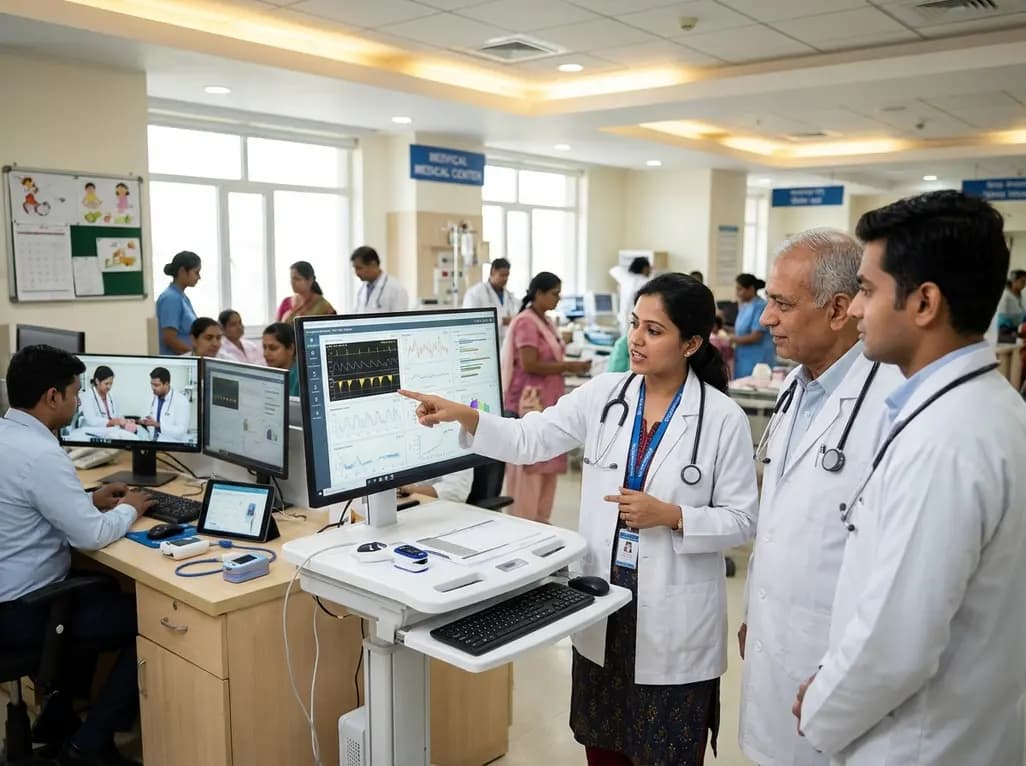
A landmark study details how an enterprise pediatric remote patient management model expanded from a single cardiology pilot to 16 diverse specialty programs by combining centralized digital operations with specialty clinical leadership.
Today
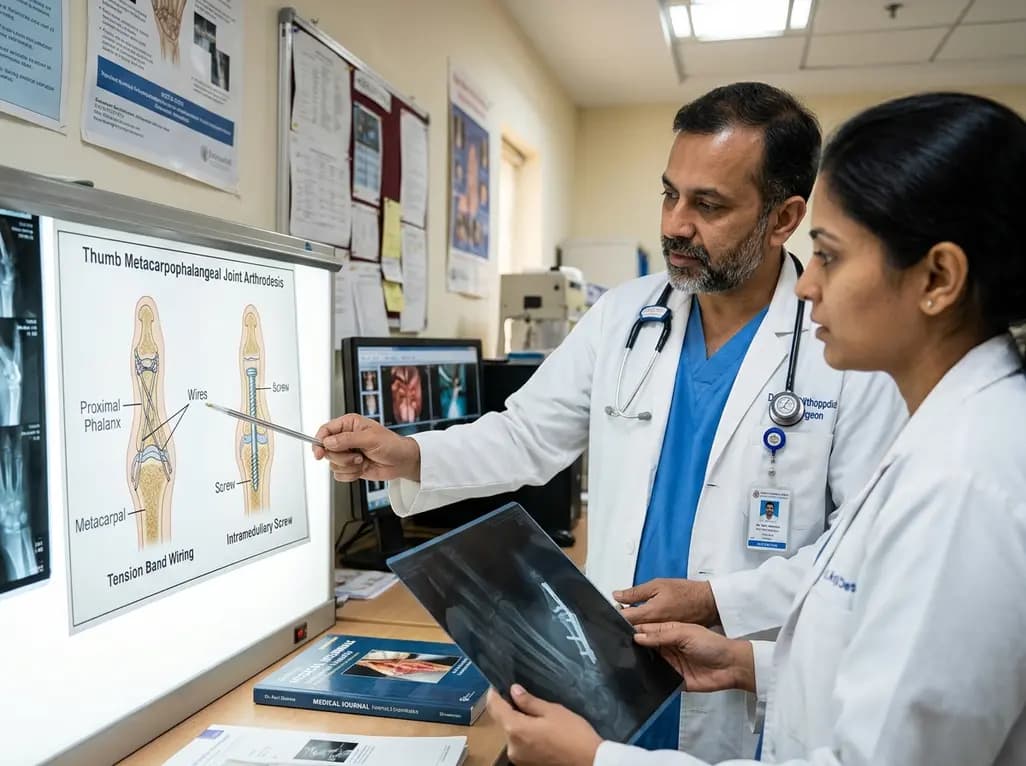
A comparative review of tension band wiring and intramedullary screw fixation in thumb metacarpophalangeal arthrodesis, evaluating union rates, hardware complications, and clinical outcomes.
Yesterday
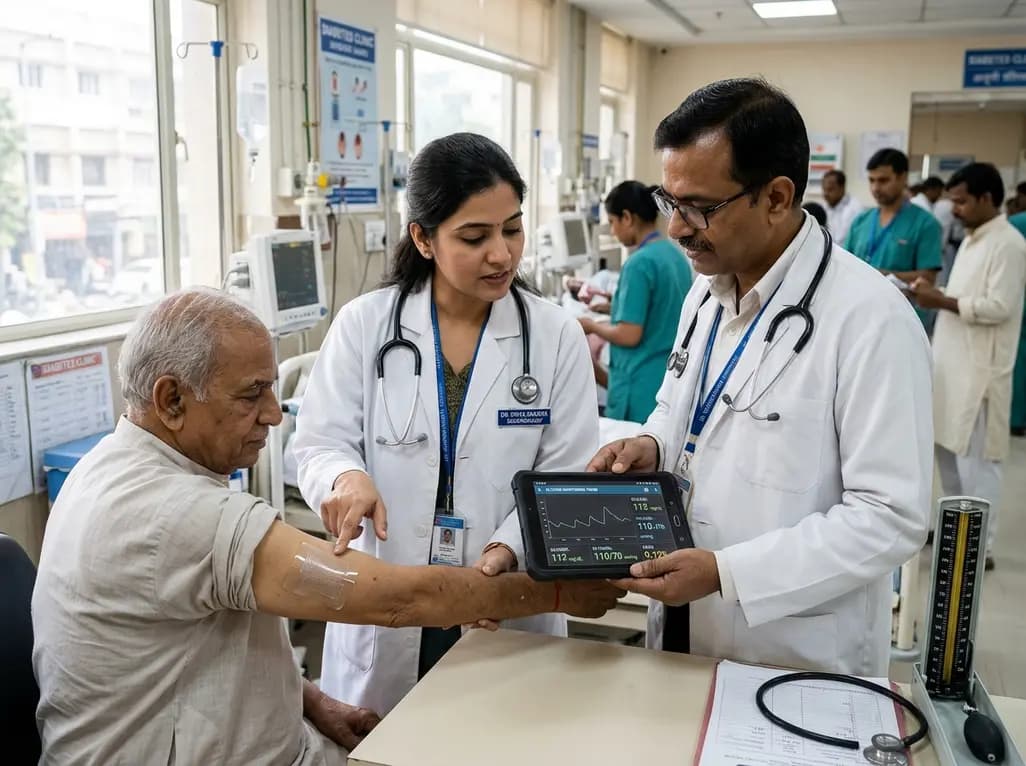
A breakthrough ultrathin multimodal sensor decouples physical hemodynamic monitoring from disposable electrochemical calibration, achieving long-term wearable glucose prediction with 81.36% accuracy and a 9.12% MARD. This offers a robust, drift-free solution for outpatient metabolic surveillance.
Yesterday
