.webp&w=384&q=75)

Loading, please wait...
Loading, please wait...
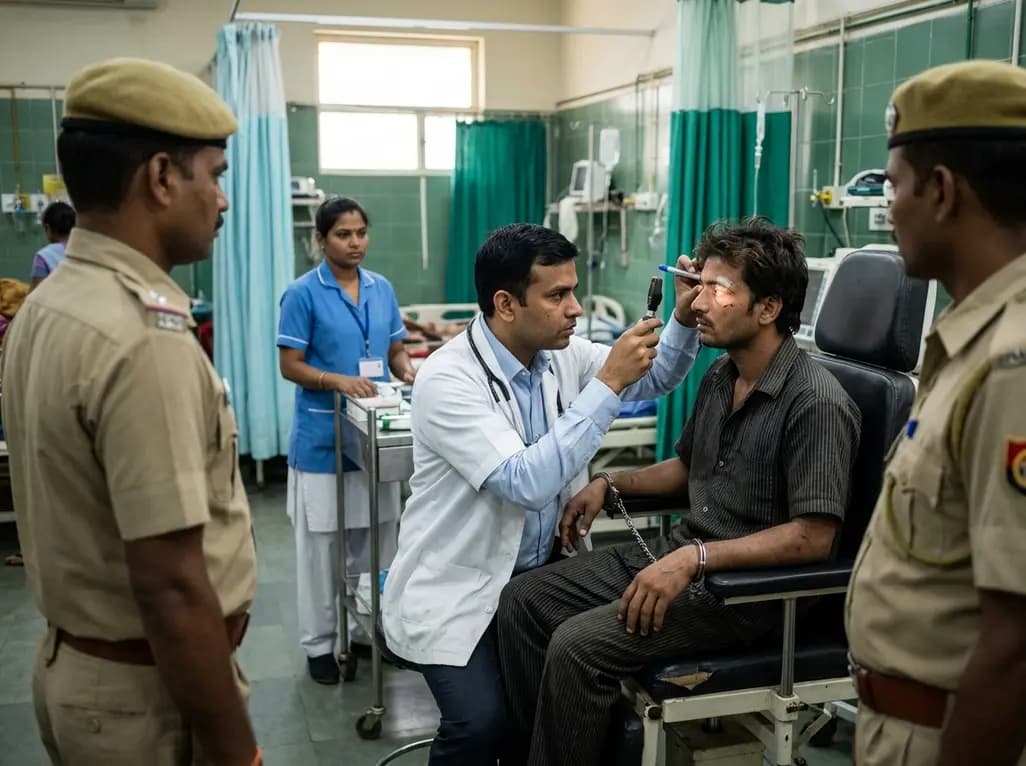
Providing timely emergency ocular care to marginalized and institutionalized populations remains a fundamental pillar of global ophthalmic practice. Incarcerated individuals experience substantial hurdles when accessing specialized medical services, particularly ophthalmic interventions where delayed care can lead to irreversible vision loss. A recent prospective observational study highlights the intricate referral dynamics, triage accuracy, and logistical barriers encountered by custodial patients referred to tertiary eye care centers. Consequently, understanding these patterns allows healthcare providers to optimize referral pathways, decrease unnecessary visual morbidity, and enhance inter-facility communication.
Ophthalmic complaints in correctional facilities span a wide spectrum ranging from benign anterior segment inflammation to catastrophic mechanical trauma. However, ocular trauma consistently represents the most frequent indication for tertiary referral in custodial cohorts. Interpersonal violence, occupational hazards in correctional workshops, and self-injurious behaviors contribute significantly to these traumatic presentations. Because primary medical personnel in institutional settings frequently lack specialized ophthalmic equipment such as slit lamps and applanation tonometers, initial triage often relies on macroscopic evaluation.
Furthermore, non-traumatic emergencies such as corneal ulcers, acute angle-closure glaucoma, retinal detachments, and post-surgical endophthalmitis demand prompt evaluation. Clinicians must recognize that incarcerated patients often present with advanced disease pathology due to delayed reporting or baseline systemic comorbidities like poorly controlled diabetes mellitus and hypertension. Therefore, tertiary centers must establish clear clinical guidelines that facilitate rapid identification of sight-threatening emergencies and prevent administrative delays from compromising urgent clinical care.
Standardized triage protocols serve as the cornerstone of effective ophthalmic emergency workflows. In tertiary referral settings, on-call ophthalmologists categorize incoming consultations into priority tiers based on clinical acuity. High-priority referrals, which mandate clinical assessment within 24 to 48 hours, encompass open globe injuries, severe chemical burns, acute sight-threatening infections, and rapidly progressing retinal vascular occlusions.
Conversely, intermediate and low-priority categories accommodate subacute complaints, chronic visual disturbances, and non-progressive ocular surface disorders. When emergency ocular care systems function efficiently, high-priority cases experience minimal triage delay. Nevertheless, observational data demonstrate that lower-priority referrals frequently encounter prolonged waiting periods. These delays not only risk potential disease progression but also create significant anxiety for patients awaiting specialist intervention. Hence, refining triage algorithms specifically tailored to institutional referrals ensures that clinical urgency dictates scheduling rather than custodial logistical constraints.
Delivering outpatient ophthalmic consultations to incarcerated individuals introduces distinct operational complexities that community-dwelling patients rarely face. Transporting an incarcerated patient requires coordinated security details, dedicated transport vehicles, custodial paperwork, and escort personnel. Consequently, transport logistics frequently dictate appointment scheduling rather than ophthalmic urgency alone.
Moreover, unexpected security lockdowns, vehicle shortages, or inter-facility transfers regularly disrupt scheduled appointments. As a result, follow-up compliance in this population often drops substantially compared to standard outpatient cohorts. These scheduling friction points exacerbate median wait times, particularly for intermediate-priority referrals where the window of therapeutic opportunity might quietly narrow. To overcome these systematic barriers, healthcare administrators and ophthalmology departments must build collaborative frameworks with correctional health services to streamline transport authorizations and prioritize high-risk clinical follow-up appointments.
When an incarcerated patient arrives at a tertiary emergency eye clinic, the examining clinician must execute a thorough, systematic ocular examination while adhering to institutional security protocols. The assessment begins with the mandatory measurement of visual acuity in each eye using standardized charts. In cases of acute chemical injury, copious ocular irrigation must precede any detailed diagnostic assessment.
Subsequently, the ophthalmologist conducts detailed slit-lamp biomicroscopy, intraocular pressure measurement, and dilated funduscopic examination unless contraindicated by shallow anterior chambers or suspected open globe injury. When blunt or penetrating trauma occurs, clinicians should maintain a low threshold for non-contrast computed tomography of the orbits to exclude occult open globe injuries, intraocular foreign bodies, and orbital wall fractures. Rapid diagnosis and prompt initiation of topical antibiotics, cycloplegics, intraocular pressure-lowering agents, or immediate surgical repair remain paramount in preserving long-term visual prognosis.
Ensuring continuity of care represents one of the most demanding aspects of custodial ophthalmic healthcare delivery. After initial emergency evaluation or surgical intervention, patients require structured follow-up visits to monitor wound healing, manage intraocular inflammation, and prevent secondary complications. Unfortunately, high rates of missed follow-up appointments threaten long-term visual rehabilitation.
To solve these systemic shortcomings, medical institutions are increasingly turning toward digital health innovations. Tele-ophthalmology platforms equipped with non-mydriatic fundus cameras and anterior segment imaging devices allow correctional medical officers to transmit high-resolution ocular images directly to tertiary specialists. In addition, providing correctional medical staff with direct access to electronic discharge summaries and medication regimens ensures continuous postoperative compliance. By bridging technological capabilities and administrative processes, health systems can substantially improve follow-up attendance and ensure equitable ophthalmic outcomes across all demographics.
First, clinicians should remember that trauma accounts for the vast majority of emergency ophthalmic consultations among incarcerated individuals, requiring meticulous structural evaluation. Second, standardized triage systems are essential to differentiate emergent, vision-threatening conditions from subacute disorders, ensuring rapid care delivery within 24 to 48 hours for critical cases.
Third, addressing custodial transport logistics and inter-institutional communication gaps is essential to reduce median wait times and improve outpatient attendance. Finally, establishing integrated tele-ophthalmology consultation networks and robust electronic health record sharing can mitigate geographic and logistical barriers, elevating the overall quality of emergency ocular care delivered to vulnerable populations.
Trauma represents the most prevalent indication for tertiary ophthalmic referral among incarcerated individuals, frequently resulting from interpersonal altercations or mechanical injuries. Other frequent presentations include acute corneal infections, foreign body sensation, severe uveitis, and sudden vision loss secondary to retinal detachment or vascular occlusions. Clinicians must conduct systematic diagnostic evaluations to exclude occult structural damage promptly.
Triage timelines directly influence visual prognosis because sight-threatening emergencies require rapid intervention to prevent irreversible damage. High-priority conditions such as open globe injuries, acute angle closure, and microbial keratitis demand specialist assessment within 24 to 48 hours. When triage protocols function accurately, clinicians can prevent structural complications, initiate targeted medical or surgical therapies, and preserve baseline visual acuity effectively.
Tele-ophthalmology connects correctional health clinics with tertiary specialists through secure digital imaging and remote consultations. This approach allows on-call ophthalmologists to evaluate anterior segment disease and fundus pathology without requiring immediate physical patient transport. Consequently, tele-ophthalmology reduces logistical costs, minimizes security risks, accelerates emergency triage, and improves ongoing monitoring for chronic ophthalmic conditions.
Disclaimer: This content is for informational and educational purposes only. It is not intended to be a substitute for professional medical advice, diagnosis, or treatment. Always seek the advice of your physician or other qualified health provider with any questions you may have regarding a medical condition. Refer to the latest local and national guidelines for clinical practice.
References
Kim R et al. Patterns in Outpatient Emergency Ocular Care for Incarcerated Individuals: A Tertiary Center Experience. J Correct Health Care. 2026 Aug 18. doi: 10.1177/10783458261477066. PMID: 42613311.
Armstrong GW, et al. Teleophthalmology in correctional health: improving access to specialty eye care in underserved populations. Ophthalmology. 2021;128(7):980-988.
MacEwen CJ, et al. Eye injuries: A prospective survey of 5671 cases presenting to an eye emergency department. Br J Ophthalmol. 1999;83(8):933-936.
Channa R, et al. Visual impairment and ophthalmic disease burden among incarcerated populations: systematic review and clinical recommendations. JAMA Ophthalmol. 2020;138(4):412-420.

Read summarized clinical updates, watch expert medical content, and earn CME certifications right from your smartphone.
Open your smartphone camera to scan and install.





A tertiary center study examines emergency ocular care patterns among incarcerated individuals, revealing high trauma prevalence, triage challenges, and critical scheduling delays that impact visual outcomes.
last month

This clinical review examines the dangerous intersection of climate change and antimicrobial resistance (AMR). It highlights thermal selection, altered transmission pathways, and the imperative for One Health and Planetary Health adaptation frameworks to preserve therapeutic efficacy.
Today
Discover the crucial distinctions between mesonephric and mesonephric-like proliferations of the female genital tract. Learn the key histomorphologic, immunohistochemical, and molecular differences essential for accurate diagnosis and clinical management.
Today
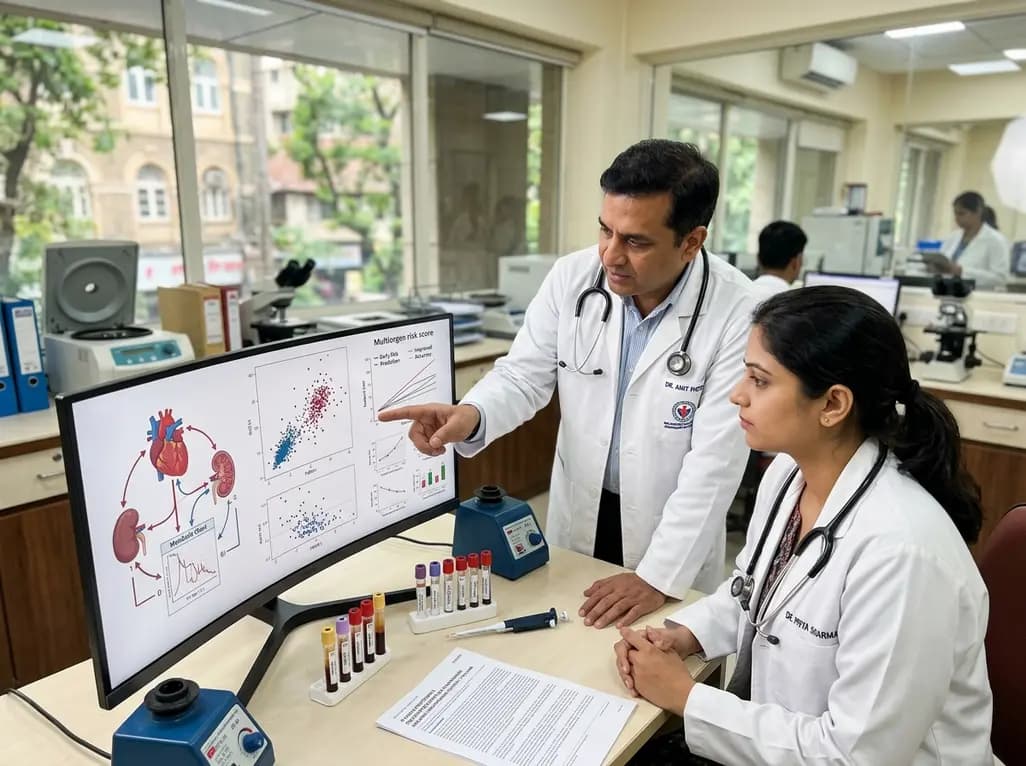
A large UK Biobank study reveals that plasma proteomic signatures capture preclinical organ damage and improve multiorgan risk prediction across early CKM syndrome stages 0 to 2 beyond traditional PREVENT clinical models.
Today
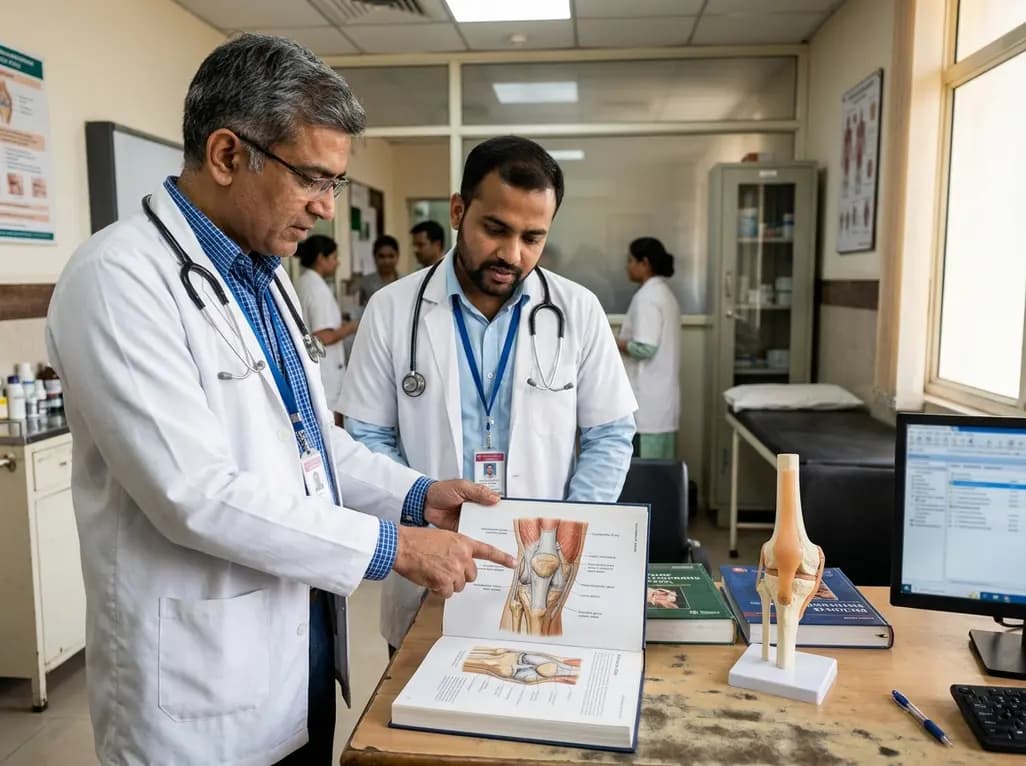
A narrative review investigates whether the articularis genus muscle functions as an independent anatomical entity or blends with the vastus intermedius. We evaluate its morphology, role in retracting the suprapatellar bursa, and direct clinical significance in anterior knee pain and arthroplasty.
Today

A Bayesian multilevel meta-analysis reveals that aerobic training combined with moderate carbohydrate restriction modestly lowers HbA1c in type 2 diabetes. However, sparse data and very low certainty leave incremental benefits over exercise or diet alone unproven, highlighting the need for individualized care.
Today
