.webp&w=384&q=75)

Loading, please wait...
Loading, please wait...
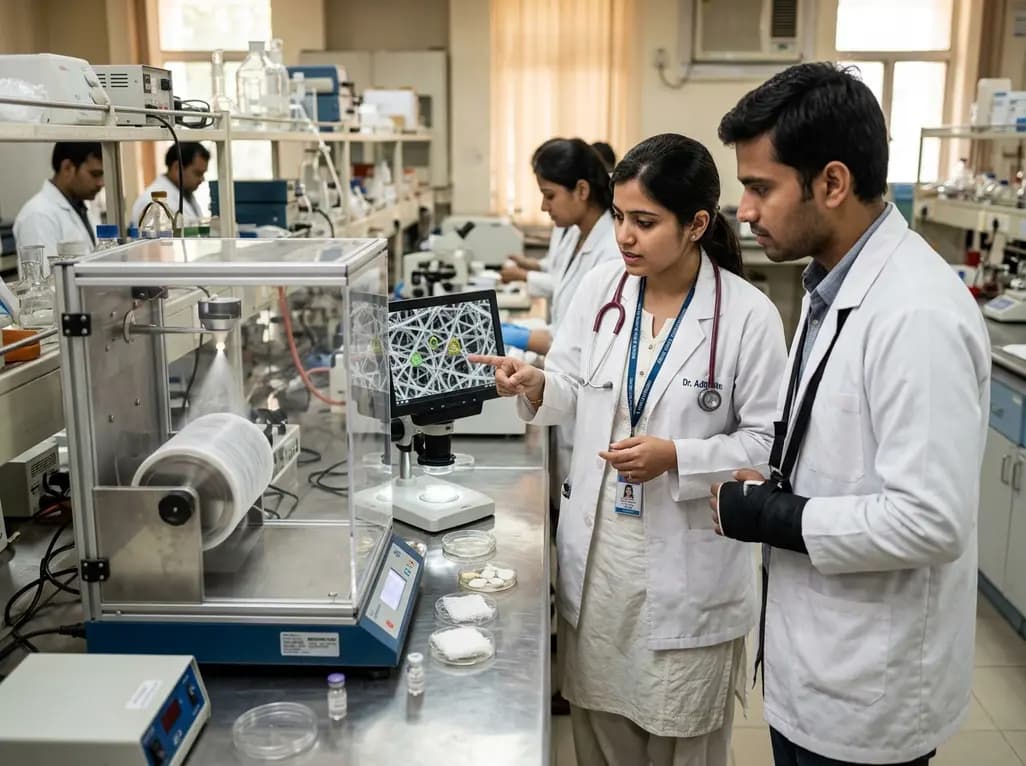
Electrospun composite scaffolds represent a groundbreaking advancement in biomedical engineering and regenerative medicine. Researchers manufacture these biomimetic structures using electrospinning, a versatile technique that draws polymer solutions into ultrafine threads. Consequently, these microarchitectures closely replicate the natural extracellular matrix, which provides critical topographical signals to surrounding cells. Furthermore, native tissues demand complex mechanical and biological support during repair. Traditional single-component matrices often fail to meet these demanding clinical requirements. Therefore, engineers combine electrospun fibers with hydrogels, three-dimensional printed constructs, and responsive nanoparticles. This integration overcomes the inherent limitations of isolated polymers. For instance, composite systems exhibit superior mechanical compliance, enhanced water retention, and high drug-loading efficiency. Clinicians now evaluate these advanced platforms across diverse surgical and regenerative specialties. In India and worldwide, rising surgical volumes require resilient biomaterials that accelerate tissue repair. Moreover, these hybrid biomaterials provide an adaptable architecture for localized therapy. As material science evolves, electrospun composite scaffolds offer remarkable potential to bridge laboratory engineering and clinical bedside applications effectively.
Fabricating electrospun composite scaffolds requires precise material selection to match specific tissue targets. Scientists routinely blend natural biopolymers like gelatin, collagen, and chitosan with durable synthetic polymers such as polycaprolactone and polylactic acid. Additionally, integrating hydrogels into fibrous meshes creates an optimal aqueous microenvironment that promotes rapid cell migration. Meanwhile, three-dimensional printed frameworks provide rigid structural scaffolding for load-bearing anatomical sites. Microneedles and nano-sized drug carriers also embed directly within the nanofiber network. Consequently, clinicians gain multifunctional devices capable of sustained macromolecule release. Furthermore, structural modifications such as core-shell configurations and aligned fiber patterns allow researchers to program precise drug delivery kinetics. As a result, therapeutic agents release gradually without causing initial burst toxicity. These custom combinations also enhance suture retention, biological compatibility, and enzymatic degradation rates. Thus, tailoring polymer chemistry enables surgeons to address unique anatomical and physiological demands across diverse tissues.
Tissue regeneration requires a delicate balance between mechanical support and cellular stimulation. Electrospun composite scaffolds excel in restoring complex tissue architectures such as bone, cartilage, nerves, and skin. In orthopedic reconstruction, for instance, incorporating bioactive ceramic nanoparticles into polymeric nanofibers fosters osteogenic differentiation and rapid mineralization. Similarly, aligned nanofibrous conduits provide essential directional guidance for regenerating peripheral nerve axons across critical gap injuries. In wound healing, composite dressings maintain a moist physiological environment while steadily delivering broad-spectrum antimicrobial agents and growth factors. Therefore, these composite dressings accelerate re-epithelialization and reduce infection risks simultaneously. Moreover, cardiovascular researchers apply flexible tubular constructs to guide endothelial cell proliferation and withstand arterial hemodynamic pressures. Consequently, patient recovery times decrease, and graft integration improves markedly. By mimicking natural tissue hierarchies, these composite systems offer reliable solutions for challenging reconstructive procedures.
Local cancer recurrence remains a formidable challenge following surgical tumor resection. Electrospun composite scaffolds offer an innovative platform for localized adjuvant therapy. Surgeons can place these thin, bioactive mats directly into the resection cavity during surgery. Consequently, the scaffold releases chemotherapeutic agents directly to the target margin while minimizing systemic toxicity. Furthermore, researchers incorporate functional nanoparticles into these matrices to achieve responsive drug delivery triggered by local acidic pH or hyperthermia. This spatiotemporally controlled release eliminates residual malignant cells without damaging adjacent healthy structures. Additionally, composite fiber meshes can simultaneously release anti-inflammatory compounds and promote localized tissue healing. Therefore, these dual-action platforms diminish postoperative complications while providing robust antineoplastic coverage. As personalized oncology advances, these versatile matrices empower oncologists and surgical teams to treat aggressive solid tumors with greater precision.
Postoperative tissue adhesions frequently cause chronic pain, bowel obstruction, and repeat surgical interventions. Electrospun composite scaffolds provide an effective physical barrier to prevent abnormal tissue fusion between adjacent organs during healing. For instance, surgical teams apply smooth, non-adherent composite barriers over abdominal and pelvic incisions. Consequently, these films block invading fibroblasts while maintaining lubricity at the surgical interface. Furthermore, engineers often load these barrier membranes with anti-inflammatory molecules and fibrinolytic enzymes. As a result, the scaffold actively suppresses local inflammatory cascades that drive fibrin deposition and fibrous scar formation. Because these materials undergo controlled bioresorption, they eliminate the need for secondary retrieval procedures. In addition, their superior flexibility allows seamless adaptation to irregular anatomical contours. Therefore, composite barrier membranes significantly improve patient safety and long-term surgical outcomes across multiple disciplines.
Despite immense therapeutic promise, translating electrospun composite scaffolds into standard clinical practice presents practical hurdles. Large-scale manufacturing requires strict batch-to-batch consistency in fiber alignment, porosity, and drug encapsulation efficiency. Furthermore, standardizing sterilization protocols without altering polymeric structures or denaturing delicate bioactive proteins remains paramount. Regulatory approval pathways in India and globally also demand rigorous long-term in vivo biocompatibility and degradation studies. Fortunately, emerging advancements in artificial intelligence and robotic manufacturing promise to automate electrospinning parameters and optimize scaffold geometry. Moreover, future research aims to construct dynamic, stimuli-responsive matrices that communicate directly with host cellular pathways. Consequently, interdisciplinary collaboration between bioengineers, pharmaceutical scientists, and clinicians will accelerate translational progress. As these technological refinements mature, composite nanofibrous matrices will undoubtedly transform personalized regenerative therapies and surgical management.
Electrospun composite scaffolds support stem cell differentiation by providing nanoscale topographical cues that closely mimic the natural extracellular matrix. In addition, researchers embed osteogenic, chondrogenic, or neurogenic growth factors within the composite matrix. Consequently, stem cells encounter both mechanical stiffness and biochemical signals that stimulate specific lineage pathways. Furthermore, these multi-component systems ensure sustained factor release, guiding prolonged stem cell maturation into functional bone, cartilage, or neural tissues reliably.
These composite matrices prevent postoperative adhesions by acting as physical barriers that separate healing internal tissues. Furthermore, their microarchitecture prevents aberrant fibroblast migration across anatomical planes during critical recovery phases. Additionally, researchers incorporate anti-inflammatory drugs, lubricants, or anti-fibrotic agents directly into the nanofiber mesh. Consequently, the barrier attenuates localized inflammation, limits fibrin band deposition, and gradually degrades safely without necessitating secondary surgical removal procedures.
Composite nanofibers improve localized chemotherapeutic delivery by concentrating antineoplastic agents directly at the surgical resection cavity. Consequently, this targeted delivery maintains high therapeutic drug levels around residual tumor margins while minimizing systemic toxicities. Furthermore, incorporating responsive hydrogels or nanoparticles allows programmed, sustained drug release in response to physiological triggers like tumor acidity. As a result, patients experience enhanced local disease control, reduced adverse effects, and accelerated surrounding tissue recovery.
Disclaimer: This content is for informational and educational purposes only and does not constitute medical advice. Refer to the latest local and national guidelines for clinical practice.
References

Read summarized clinical updates, watch expert medical content, and earn CME certifications right from your smartphone.
Open your smartphone camera to scan and install.





Electrospun composite scaffolds combine nanofiber biomimicry with hydrogels and nanoparticles to revolutionize tissue regeneration, localized drug delivery, and postoperative care.
4 weeks back

Red blood cell transfusion is critical in sickle cell disease management but brings significant immunological complexity, including alloimmunisation and iron overload. Extended RBC phenotyping and tailored protocols optimize clinical safety.
Today
Discover the crucial distinctions between mesonephric and mesonephric-like proliferations of the female genital tract. Learn the key histomorphologic, immunohistochemical, and molecular differences essential for accurate diagnosis and clinical management.
Today
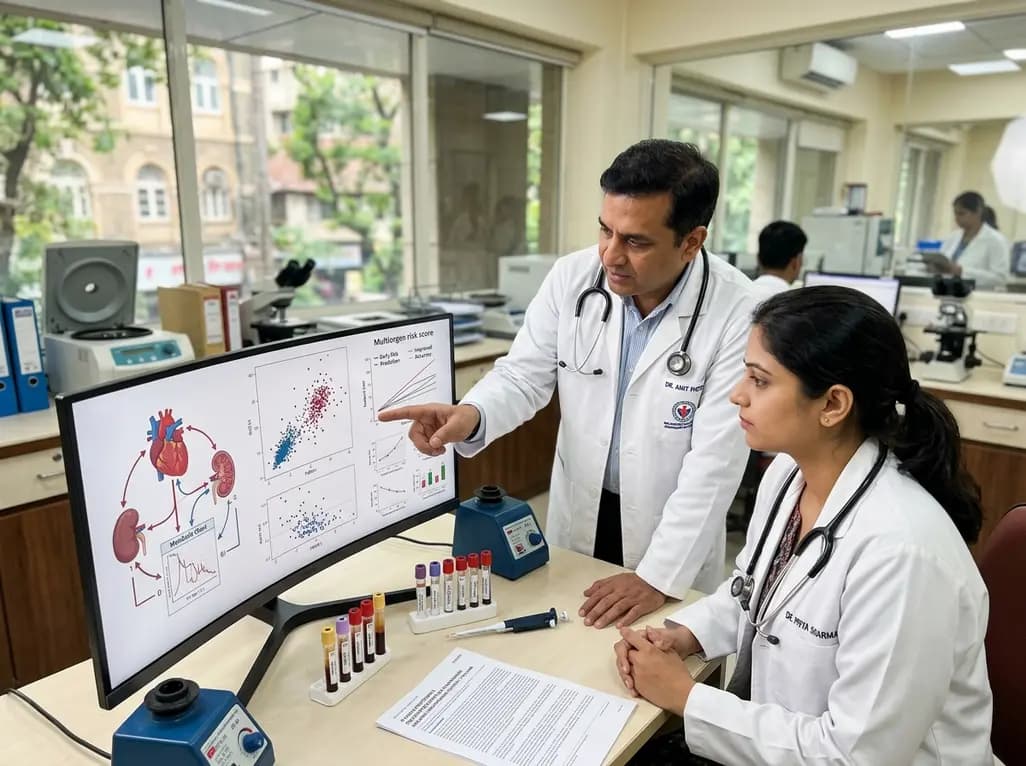
A large UK Biobank study reveals that plasma proteomic signatures capture preclinical organ damage and improve multiorgan risk prediction across early CKM syndrome stages 0 to 2 beyond traditional PREVENT clinical models.
Today
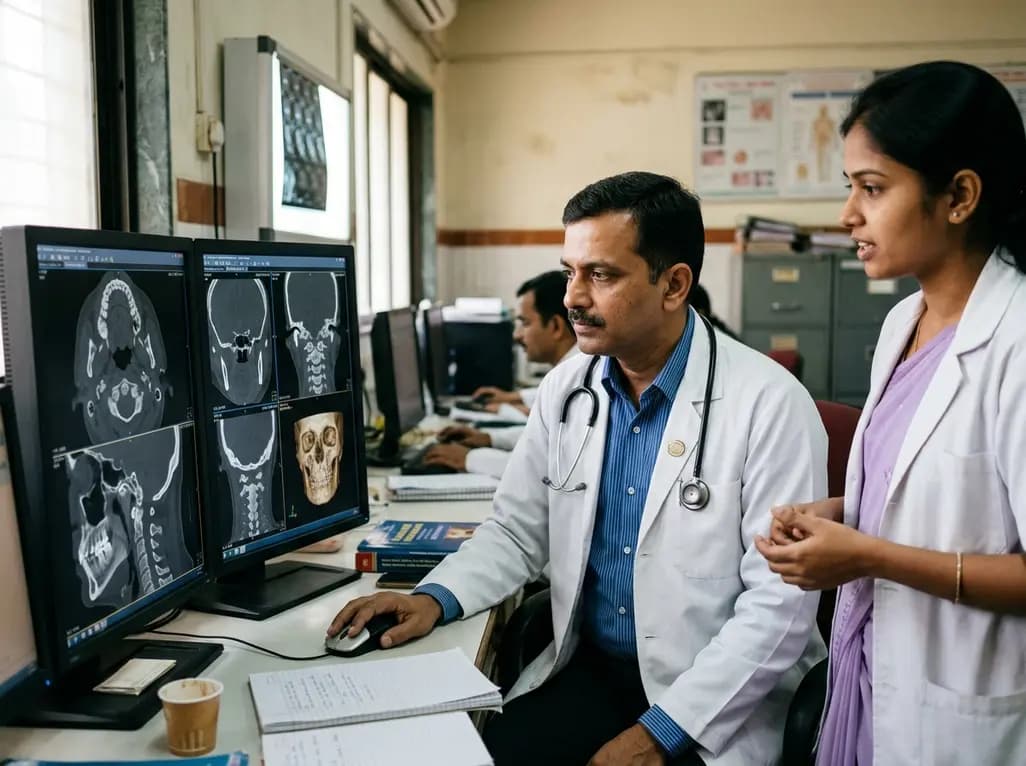
A retrospective CBCT study reveals that superior TMJ space asymmetry correlates moderately with occipital condyle-atlas-axis asymmetry in unilateral TMJ osteoarthritis, highlighting an imaging correlate between jaw biomechanics and upper cervical alignment rather than a standalone diagnostic marker.
Today

A Bayesian multilevel meta-analysis reveals that aerobic training combined with moderate carbohydrate restriction modestly lowers HbA1c in type 2 diabetes. However, sparse data and very low certainty leave incremental benefits over exercise or diet alone unproven, highlighting the need for individualized care.
Today
