

Loading, please wait...
Loading, please wait...
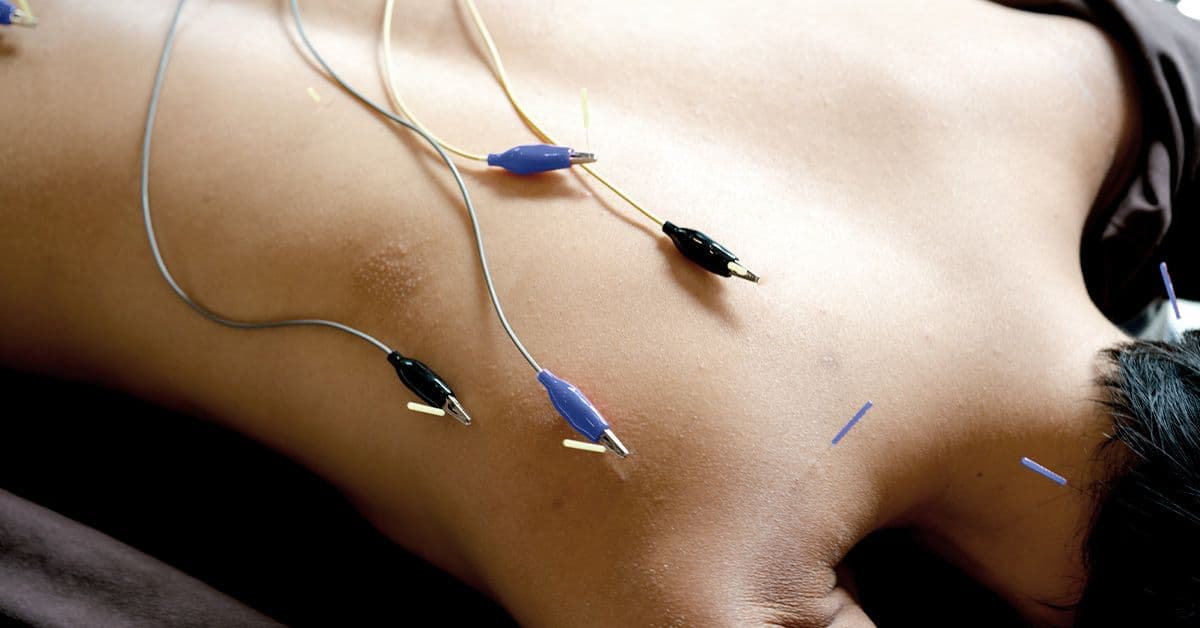
This study evaluated the efficacy and safety of electroacupuncture in patients with postherpetic neuralgia (PHN), a chronic neuropathic pain condition that may persist following herpes zoster infection. The multicentre trial was conducted across seven tertiary hospitals in China and included 448 patients aged 45–75 years with moderate-to-severe PHN. Participants were randomized to receive electroacupuncture (n=225) or sham electroacupuncture (n=223). The treatment protocol consisted of 20 sessions over four weeks, followed by a four-week post-treatment observation period. The primary outcome was the change in pain intensity measured using the 11-point Numeric Rating Scale (NRS-11), with a reduction of at least 30% considered a clinically relevant response. At week 4, the mean pain score decreased by 1.52 points in the electroacupuncture group compared with 0.99 points in the sham group, demonstrating a statistically significant between-group difference of −0.53 points

Read summarized clinical updates, watch expert medical content, and earn CME certifications right from your smartphone.
Open your smartphone camera to scan and install.





This study evaluated the efficacy and safety of electroacupuncture in patients with postherpetic neuralgia (PHN), a chronic neuropathic pain condition that may persist following herpes zoster infection. The multicentre trial was conducted across seven tertiary hospitals in China and included 448 patients aged 45–75 years with moderate-to-severe PHN. Participants were randomized to receive electroacupuncture (n=225) or sham electroacupuncture (n=223). The treatment protocol consisted of 20 sessions over four weeks, followed by a four-week post-treatment observation period. The primary outcome was the change in pain intensity measured using the 11-point Numeric Rating Scale (NRS-11), with a reduction of at least 30% considered a clinically relevant response. At week 4, the mean pain score decreased by 1.52 points in the electroacupuncture group compared with 0.99 points in the sham group, demonstrating a statistically significant between-group difference of −0.53 points
Today

Maternal cardiovascular risk factors such as hypertension, obesity, and diabetes significantly elevate offspring cardiovascular disease risk through placental dysfunction and fetal programming. Enhancing preconception screening and antenatal care offers clinicians a powerful strategy to protect long-term heart health.
Today

Non-RhD alloimmunization poses an emerging challenge in modern obstetric care as RhIG reduces RhD cases. This review highlights key non-RhD antigens, Doppler monitoring, and neonatal management strategies.
Today

New phase I data evaluate the impact of food and beverages on enlicitide, the first oral PCSK9 inhibitor. While food reduces peak absorption, model simulations demonstrate robust LDL-C lowering of approximately 60%, confirming meaningful pharmacokinetic forgiveness and flexible real-world administration.
Today

A retrospective cohort study reveals that lumbar spine bone mineral density does not distinguish extremity long bone fracture status in adults with severe motor and intellectual disabilities. Because age drove fracture risk rather than spinal density, clinicians must adopt comprehensive assessment tools.
Today

A landmark UK Biobank study by Karolinska Institutet researchers reveals that optimal rest mitigates neurodegeneration in cardiometabolic illness. Patients maintaining high sleep quality demonstrated superior cognitive scores and larger brain volumes, highlighting sleep optimization as an actionable clinical strategy.
Yesterday
