.webp&w=384&q=75)

Loading, please wait...
Loading, please wait...

Recent survey data shows that elective healthcare financing is a critical factor for patient retention in India. Specifically, a nationwide study by CarePay found that 60% of patients abandon treatment after their initial consultation. This high drop-off rate stems primarily from financial liquidity issues rather than a lack of intent. Many elective procedures, such as IVF and dental care, require substantial upfront payments. Therefore, patients often seek alternative credit options to manage these high-ticket expenses effectively. Despite the demand, slow approval processes at the clinic level frequently cause momentum to stall. Consequently, clinics must integrate faster financing infrastructure to prevent losing potential patients.
High treatment costs, such as IVF cycles priced at Rs. 1.2 lakh, often exceed household cash flows. Because insurance typically excludes wellness treatments, patients must rely on out-of-pocket spending. Currently, the \"Missing Middle\" includes 400 million Indians who lack both insurance and credit access. Furthermore, around 89% of clinics now recommend using multi-lender financing systems to boost conversion. If approval outcomes remain uncertain, patients are far more likely to leave without booking a procedure. This bottleneck highlights why 52% of clinics experience significant drop-offs when financing is unavailable.
Clinics that adopt embedded financing solutions report significant improvements in treatment uptake. For instance, these systems can provide a financing eligibility check in under 30 seconds. This speed helps maintain patient interest immediately following a consultation. Moreover, digital tools have reduced patient drop-offs by 30% while increasing overall treatment value. As the wellness market grows toward $100 billion by 2030, robust financing infrastructure becomes indispensable for doctors. Thus, streamlining the payment stage is the most effective way to grow a modern elective practice.
Q1: Why is there a high patient drop-off rate in elective healthcare?
Most patients abandon treatment because of financial liquidity constraints and slow loan approval processes. Although they intend to proceed, the lack of immediate, transparent financing options at the clinic often leads to rejection at the payment stage.
Q2: How do embedded financing solutions improve clinic outcomes?
Embedded solutions offer instant eligibility checks, often within 30 to 42 seconds. This maintains patient momentum, reduces drop-offs by an average of 30%, and allows clinics to provide flexible no-cost EMI options that patients increasingly demand.
Disclaimer: This content is for informational and educational purposes only. It does not constitute medical advice or replace professional judgment. Refer to the latest local and national guidelines for clinical practice.
References

Read summarized clinical updates, watch expert medical content, and earn CME certifications right from your smartphone.
Open your smartphone camera to scan and install.





A CarePay survey reveals 60% of Indian patients drop off post-consultation due to financing delays, highlighting the need for embedded lending in clinics....
5 months ago

A retrospective cohort study of 7,716 ICU patients from the MIMIC-IV database demonstrates that Gradient Boosting Decision Trees significantly outperform traditional SOFA scores in predicting in-hospital mortality among patients with sepsis and diabetes, with SHAP analysis providing clinical interpretability.
Today
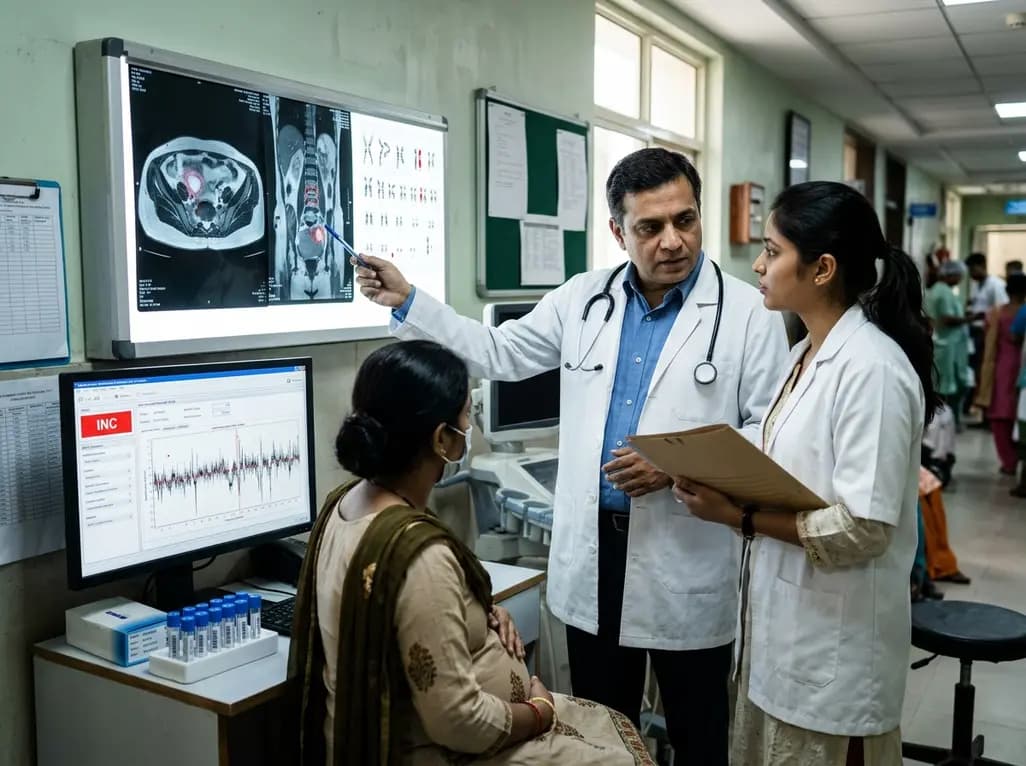
Occult maternal malignancy accounts for 3.82% of persistent unreportable NIPT results with genomic noise. Multiple chromosomal aberrations, notably on chromosome 18, warrant thorough oncological evaluation and whole-body MRI to ensure timely maternal diagnosis while preserving fetal care.
Today
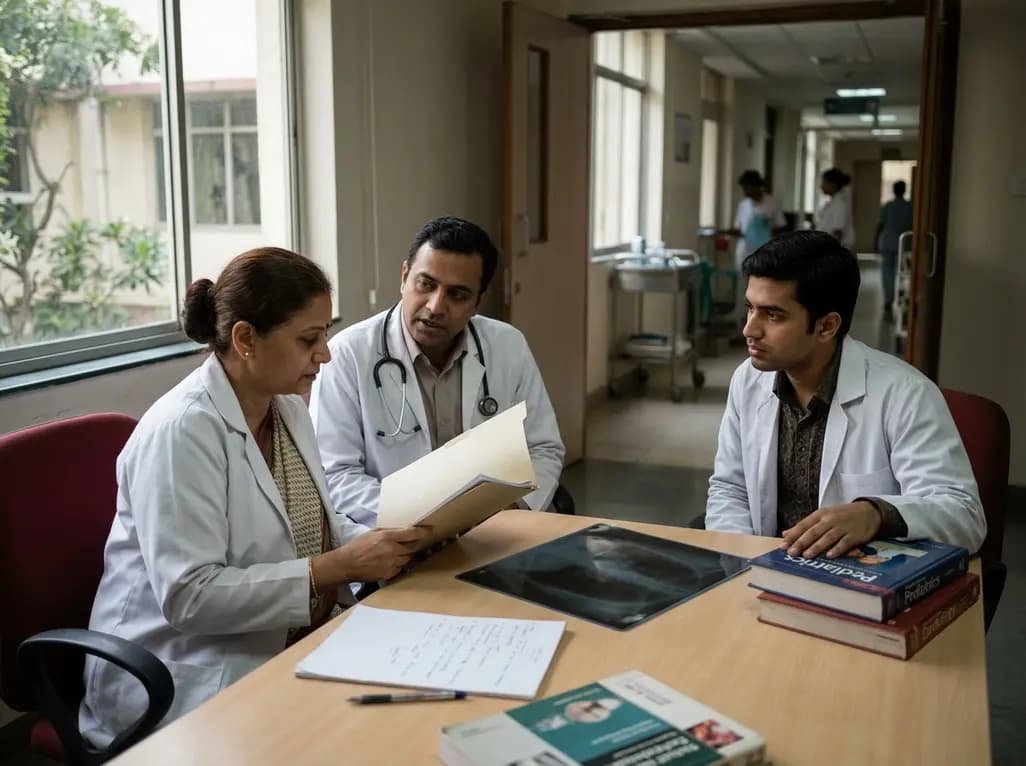
This article reviews the forensic and clinical complexities of acute myocarditis arising on left ventricular hypertrophy in children, highlighting early diagnostic red flags and multidisciplinary postmortem autopsy protocols.
Today

This comparative study evaluates posterior labral tears with and without glenohumeral instability, highlighting distinct demographic patterns, MRI underestimation in stable shoulders, and successful arthroscopic repair outcomes.
Yesterday

A clinical study demonstrates that early intervention with tocilizumab, either as monotherapy or bridged with corticosteroids, achieves significant proptosis reduction and resolves active inflammation in treatment-naive thyroid eye disease.
Yesterday
