.webp&w=384&q=75)

Loading, please wait...
Loading, please wait...

The landscape of reproductive medicine in India is shifting significantly. As fertility rates decline globally, elective egg freezing has emerged as a transformative safety net for women. Dr. Neeta Singh from AIIMS Delhi highlights that India's total fertility rate could drop to 1.2 within 25 years. Consequently, many women now view oocyte cryopreservation as a way to maintain reproductive autonomy. This proactive approach helps counteract age-related physiological declines while allowing for personal and professional growth.
Clinicians are now utilizing artificial intelligence to refine fertility outcomes. AI-based predictive tools help patients understand the optimal number of cycles required for a successful pregnancy. These tools analyze large datasets of oocyte images to predict fertilization potential and blastocyst development. Furthermore, AI precision reduces the uncertainty traditionally associated with egg quality. This transition toward technology-driven care ensures that patients receive realistic expectations during their consultations.
Age remains the most critical factor in determining the success of fertility preservation. Specifically, experts suggest that preserving eggs before the age of 32 yields the most favorable outcomes for Indian women. Clinicians must provide comprehensive consultations that address medical history and financial capacity. Dr. Singh notes that only about 11 per cent of patients eventually use their frozen eggs. Therefore, counseling must emphasize that the procedure is a safety net rather than a guarantee of future pregnancy.
The field of fertility care is moving toward individualized reproductive forecasting. This evolution includes personalized ovarian stimulation and advances in ovarian tissue preservation. Additionally, better embryo competence assessments help practitioners navigate the challenges of oocyte immaturity and survival rates. Technological integration will better prepare patients for their results and promote a responsible uptake of the procedure across India.
Q1: At what age should Indian women ideally consider egg freezing?
According to experts, preserving eggs before the age of 32 is likely to yield the best results. This recommendation accounts for the tendency toward premature ovarian aging often observed in the Indian population.
Q2: Is elective egg freezing a guarantee of pregnancy?
No, it is not a guarantee. Clinicians emphasize that it should be viewed as a reproductive safety net. Success depends on various factors including egg quality, survival during thawing, and fertilization rates.
Q3: How does AI assist in the egg freezing process?
AI tools serve as predictive instruments that guide patients on when to preserve eggs and how many cycles might be necessary. They analyze oocyte maturity and quality more precisely than traditional visual assessments.
Disclaimer: This content is for informational and educational purposes only. It does not constitute medical advice or replace professional judgment. Refer to the latest local and national guidelines for clinical practice.
References

Read summarized clinical updates, watch expert medical content, and earn CME certifications right from your smartphone.
Open your smartphone camera to scan and install.





AIIMS Professor Dr. Neeta Singh discusses the future of elective egg freezing, highlighting AI predictive tools and personalized reproductive care in India....
7 months ago
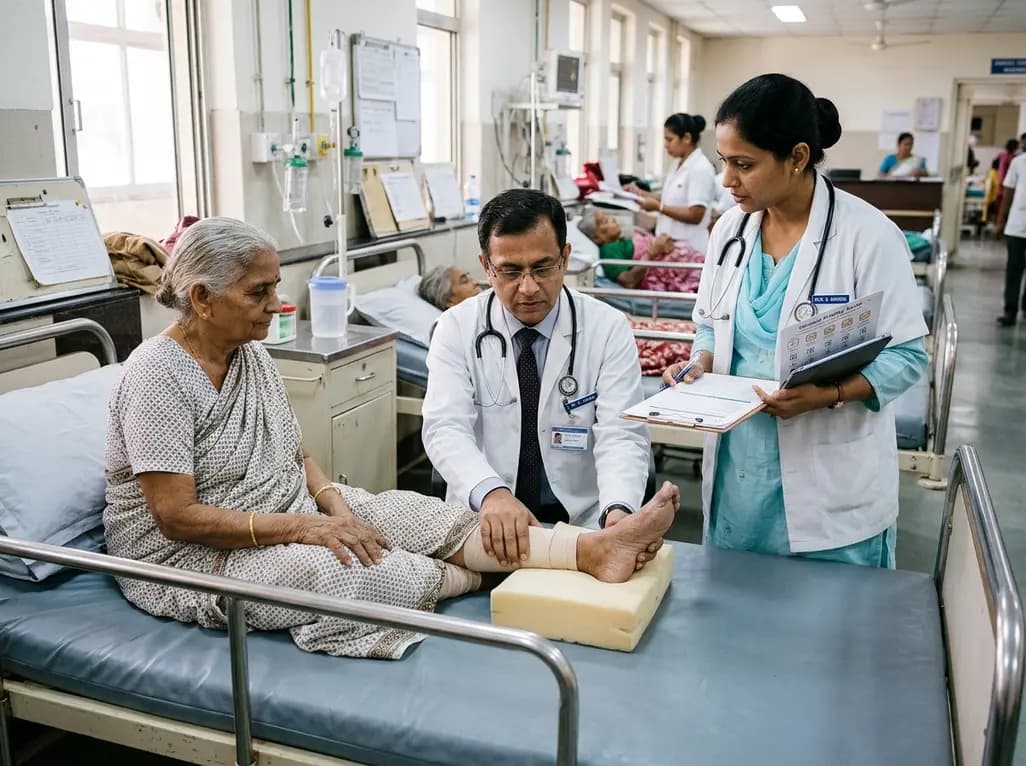
A retrospective cohort study reveals that frailty quadruples the odds of pressure injuries in hospitalized older adults. Integrating the Clinical Frailty Scale with comprehensive geriatric care is crucial for identifying vulnerability early and implementing targeted multidisciplinary prevention.
Today
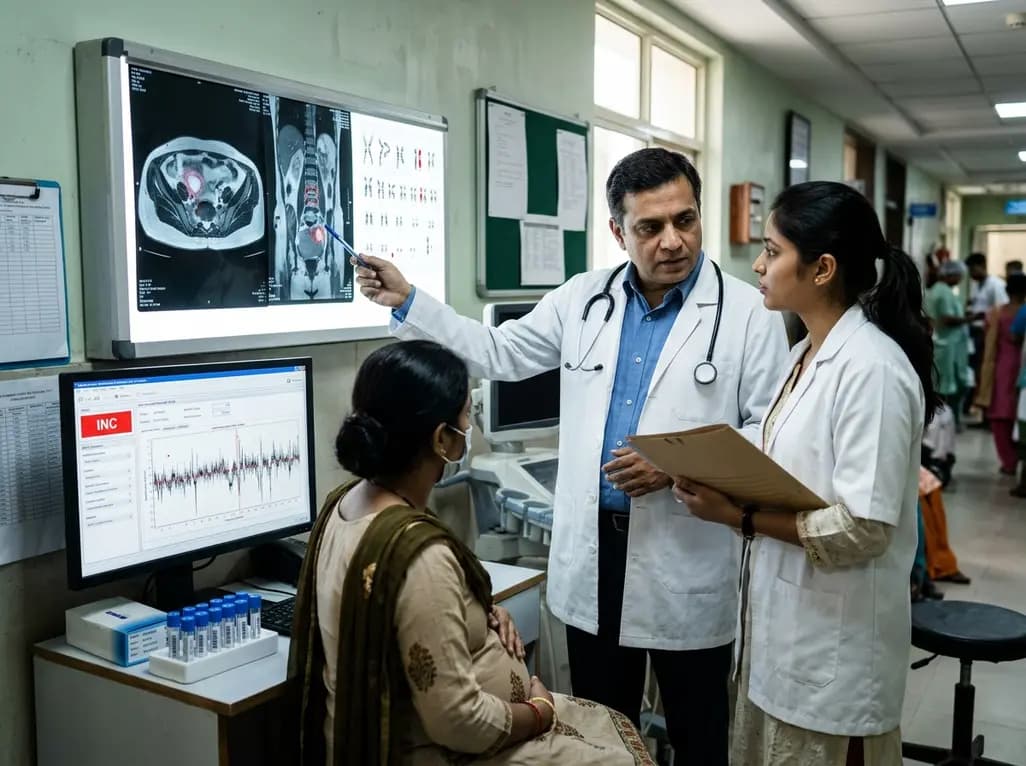
Occult maternal malignancy accounts for 3.82% of persistent unreportable NIPT results with genomic noise. Multiple chromosomal aberrations, notably on chromosome 18, warrant thorough oncological evaluation and whole-body MRI to ensure timely maternal diagnosis while preserving fetal care.
Today
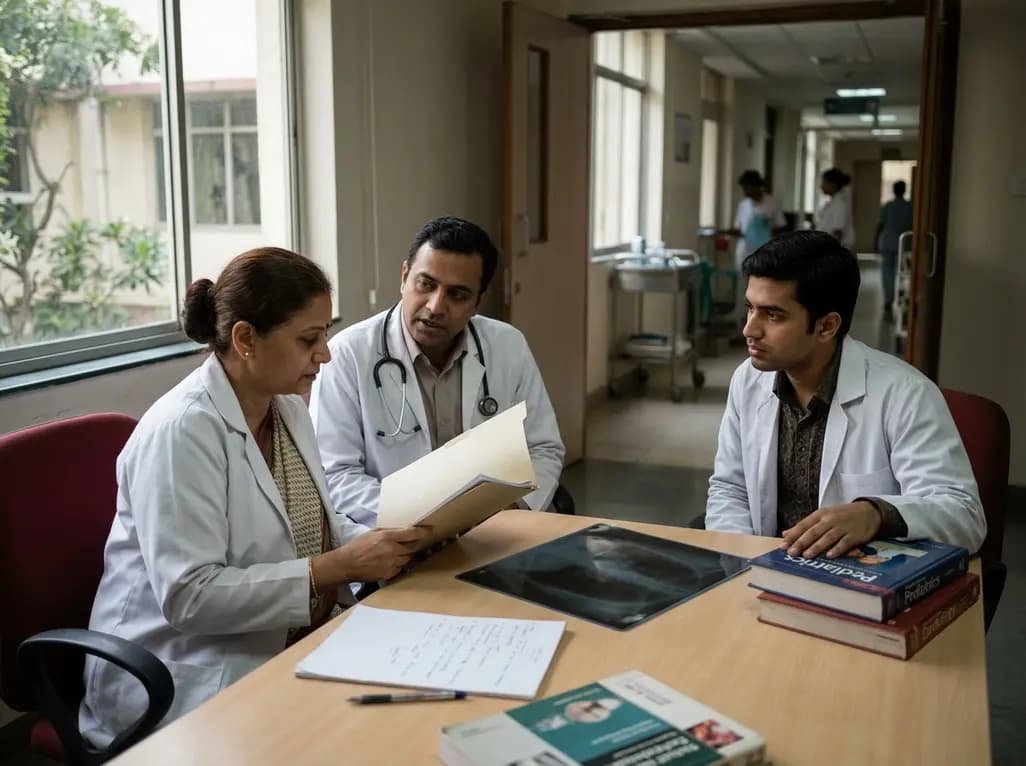
This article reviews the forensic and clinical complexities of acute myocarditis arising on left ventricular hypertrophy in children, highlighting early diagnostic red flags and multidisciplinary postmortem autopsy protocols.
Today
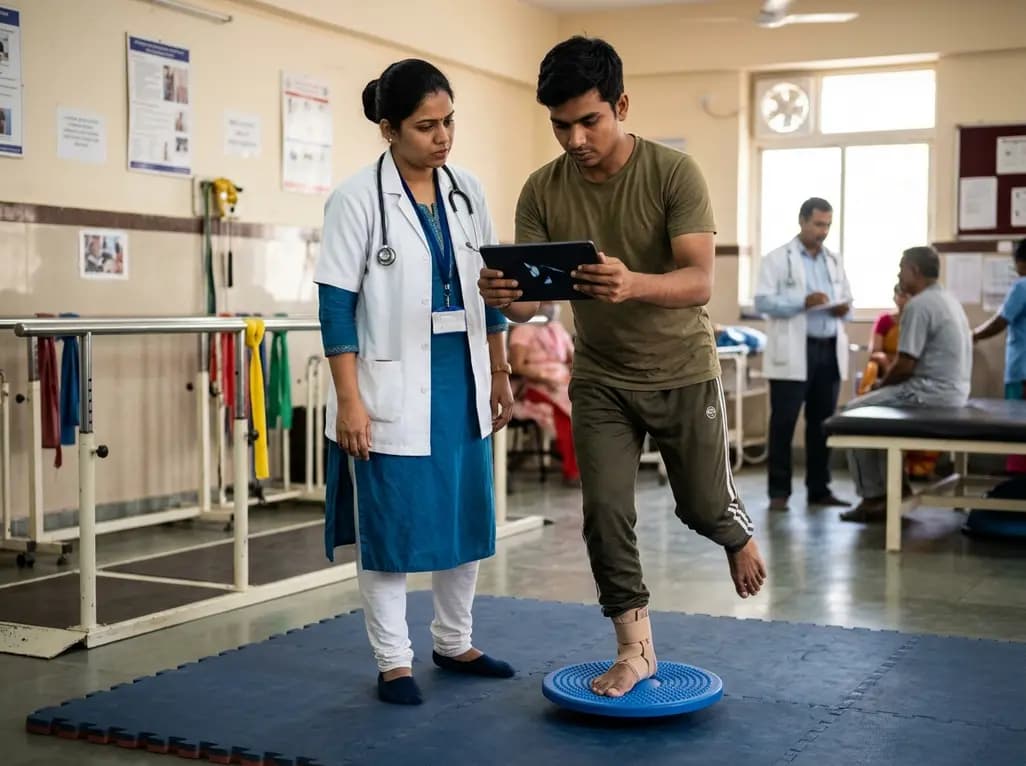
A randomized controlled trial demonstrates that an eight-week dual-task training intervention significantly improves static and dynamic postural control over standard balance exercises in individuals with chronic ankle instability, addressing critical neurocognitive deficits during athletic and daily activities.
Today

A retrospective cohort study of 7,716 ICU patients from the MIMIC-IV database demonstrates that Gradient Boosting Decision Trees significantly outperform traditional SOFA scores in predicting in-hospital mortality among patients with sepsis and diabetes, with SHAP analysis providing clinical interpretability.
Today
