.webp&w=384&q=75)

Loading, please wait...
Loading, please wait...
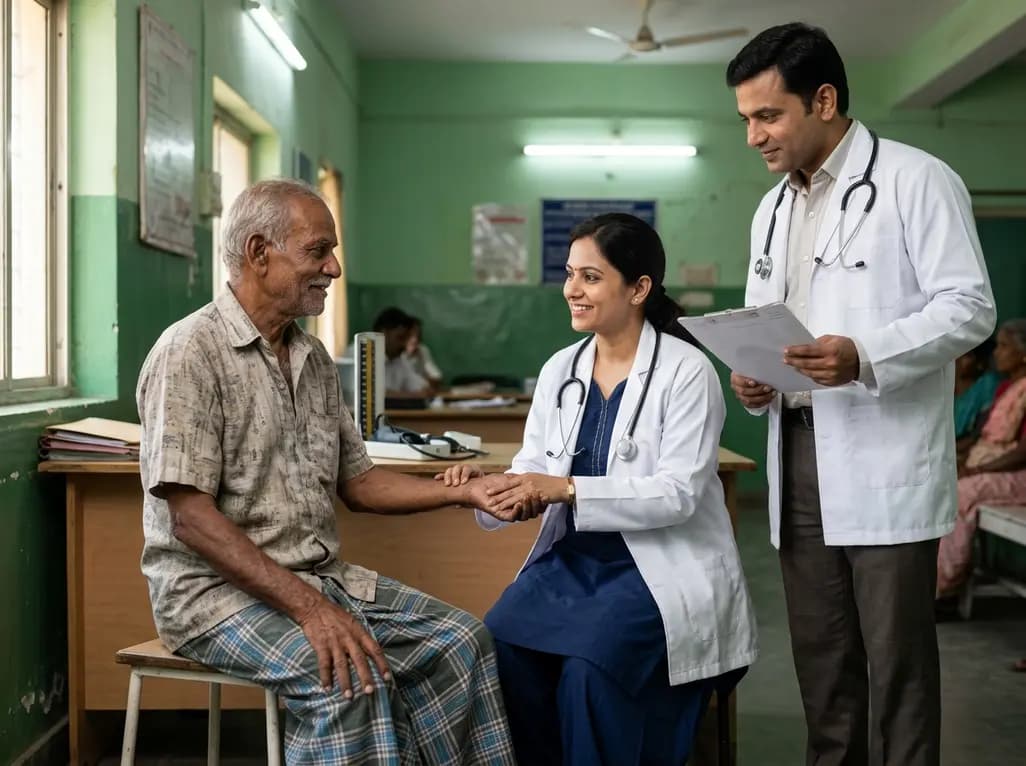
As global populations age, understanding the unique health dynamics of specific occupational groups becomes increasingly vital for clinicians. Specifically, the elderly fisherman health quality in artisan communities offers a compelling look at how lifelong physical labor impacts geriatric well-being. A recent study conducted in Chile explored the realities of older artisan fishermen in the regions of La Serena, La Higuera, and Coquimbo. These communities rely heavily on traditional fishing methods, including underwater gathering and shore collection. Consequently, the researchers aimed to determine how health-related quality of life (HRQoL), life satisfaction, and personal well-being intersect in this demographic. For healthcare providers in regions with similar coastal economies, such as India, these findings provide a valuable blueprint for managing geriatric care in labor-intensive sectors. Furthermore, the study highlights that while aging presents inevitable physical challenges, the specific context of one's occupation and community can significantly buffer the negative effects of senescence.
The researchers employed a cross-sectional descriptive design to evaluate 101 artisan fishermen, both men and women. To provide a comprehensive view of the elderly fisherman health quality, they utilized the EuroQol-5D (EQ-5D-3L) survey alongside the visual analogue scale (EQ-VAS). These tools are essential for quantifying subjective health states across five dimensions: mobility, self-care, usual activities, pain or discomfort, and anxiety or depression. Additionally, the Diener scale was used to assess overall life satisfaction. This multi-dimensional approach allows for a granular understanding of how physical ailments translate into psychological perceptions of life quality. Notably, the study also integrated FRAIL-related questions to gather data on physical vulnerability. By combining these metrics, the study paints a vivid picture of a population that is physically taxed but mentally resilient. Therefore, the methodology underscores the necessity of using validated geriatric assessment tools when evaluating populations engaged in traditional, high-effort occupations. This ensures that clinical interventions are tailored to both the physical and emotional needs of the patient.
A primary finding of the study was that self-reported health among older artisanal fishers is intrinsically linked to physical mobility and the presence of pain. Chronic pain is a common byproduct of decades spent in the rigorous environment of artisanal fishing. Consequently, those who maintained better mobility and lower pain levels reported significantly higher health-related quality of life. For clinicians, this emphasizes that maintaining elderly fisherman health quality requires aggressive and early intervention in pain management and physical therapy. Pain in this group is often musculoskeletal, resulting from the repetitive motions and environmental exposures inherent in shore collecting and underwater gathering. Furthermore, the visual analogue scale results showed that fishers who perceive themselves as physically capable tend to have a more optimistic outlook on their health. This suggests that in artisan populations, the ability to perform work-related tasks is a primary indicator of successful aging. Therefore, medical strategies should focus on functional preservation, enabling these individuals to continue their activities safely for as long as possible.
One of the most significant takeaways from the research is the protective effect of remaining professionally active. The data revealed that active fishermen exhibit less frailty and fewer mobility problems compared to their retired counterparts. Specifically, being an active participant in fishing activities was associated with a better self-reported health status. This phenomenon is likely due to the continuous physical engagement and mental stimulation required by the trade. In the context of the elderly fisherman health quality, work acts as a form of non-traditional physical therapy that combats the onset of frailty syndrome. Moreover, active fishers reported greater life satisfaction, which reinforces the idea that labor in this community is not just a source of income but a core component of identity. Similarly, findings from other regions suggest that sudden retirement in artisanal sectors can lead to rapid physical and cognitive decline. Therefore, encouraging modified, lower-intensity involvement in traditional occupations may be a viable strategy for promoting geriatric health in coastal communities.
Beyond the physical metrics, the study shed light on the psychological and social pillars of well-being. Despite the adverse and often hazardous working conditions, older artisanal fishers maintained a remarkably positive outlook on their lives. This positivity is deeply rooted in the recognition they receive from their communities. These individuals are often seen as repositories of traditional knowledge and local history. Consequently, their inclusion in community life provides a sense of purpose that transcends physical health. The study concluded that being recognized by their peers and neighbors allows for a level of social integration that is often missing in urban geriatric populations. For health practitioners, this highlights the importance of social prescribing. Improving the elderly fisherman health quality involves more than just medicine; it requires fostering environments where the elderly feel valued and included. Furthermore, the strong social bonds found in fishing cooperatives can serve as a vital support network for managing age-related health issues.
While the study was centered in Chile, the implications for the elderly fisherman health quality are globally relevant, particularly in countries like India with vast artisan fishing populations. The challenges of pain, mobility, and frailty are universal among those who engage in lifelong manual labor. However, the Chilean experience demonstrates that these challenges do not preclude a high level of life satisfaction if community support and active lifestyles are maintained. Healthcare systems must shift toward integrated care models that address the specific occupational risks of these communities. For instance, regular screenings for frailty and musculoskeletal disorders should be combined with programs that celebrate and utilize the skills of senior fishers. In addition, improving safety and working conditions could further enhance the well-being of this demographic. Ultimately, the resilience of older artisan fishers serves as a testament to the power of purpose and community in the aging process. By prioritizing functional health and social inclusion, we can ensure that our aging workforce enjoys a high quality of life throughout their sunset years.
Physical mobility is a cornerstone of well-being for elderly fishermen because it directly correlates with their ability to perform daily tasks and professional activities. In artisan communities, mobility is often equated with independence and identity. When mobility is preserved, these individuals report higher life satisfaction and better health scores on scales like the EQ-5D-3L. Therefore, maintaining functional movement is critical for preventing the psychological distress often associated with physical decline in this active population.
Chronic pain acts as a major determinant of health-related quality of life among older fishers. Years of physically demanding labor often lead to musculoskeletal issues that manifest as persistent pain. The study indicates that self-reported health status significantly declines as pain levels increase. Effective pain management is therefore essential, as it not only improves physical comfort but also enhances the individual's overall perception of their health and their ability to remain socially active.
Active fishermen tend to have lower frailty levels because the physical demands of their work serve as a continuous form of exercise, maintaining muscle mass and cardiovascular health. Furthermore, the cognitive engagement required for fishing helps preserve mental acuity. Retirement in these communities often leads to a more sedentary lifestyle and social isolation, which are known catalysts for frailty. Remaining active provides a protective buffer that supports both physical resilience and mental well-being in old age.
Disclaimer: This content is for informational and educational purposes only. It is not intended as a substitute for professional medical advice, diagnosis, or treatment. Always seek the advice of your physician or other qualified health provider with any questions you may have regarding a medical condition. Refer to the latest local and national guidelines for clinical practice.
References
Arias P et al. [Ealth, life satisfaction, and personal well-being of elderly fishermen in Chile]. Rev Esp Geriatr Gerontol. 2026 Jun 23. doi: undefined. PMID: 42335528.
Villalobos Dintrans P. Older people in Chile: the new social, economic and health challenge for the 21st century. Rev Panam Salud Publica. 2017; 41: e86.
Bengre A. Occupational health problems and job satisfaction among fishermen of Udupi district. ResearchGate. 2026 Mar.

Read summarized clinical updates, watch expert medical content, and earn CME certifications right from your smartphone.
Open your smartphone camera to scan and install.





A Chilean study highlights that while elderly fishermen face physical challenges like pain and reduced mobility, active lifestyles and community inclusion foster high life satisfaction. These findings underscore the importance of physical activity and social support for geriatric well-being in labor-intensive roles.
3 months ago
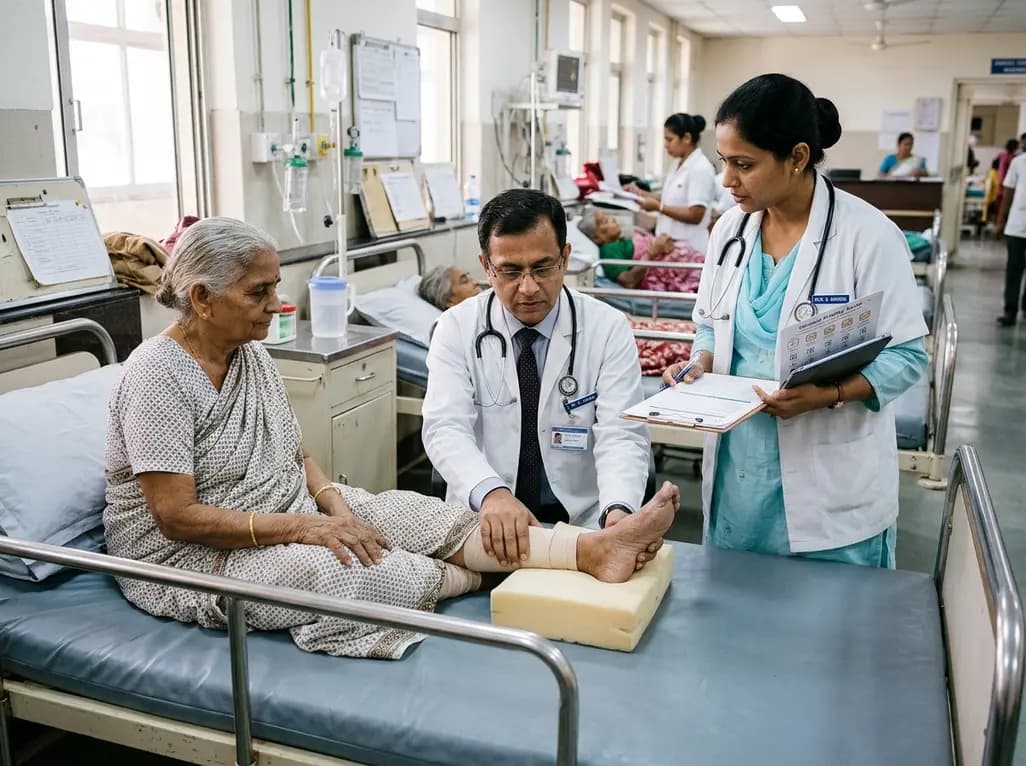
A retrospective cohort study reveals that frailty quadruples the odds of pressure injuries in hospitalized older adults. Integrating the Clinical Frailty Scale with comprehensive geriatric care is crucial for identifying vulnerability early and implementing targeted multidisciplinary prevention.
Today

Occult maternal malignancy accounts for 3.82% of persistent unreportable NIPT results with genomic noise. Multiple chromosomal aberrations, notably on chromosome 18, warrant thorough oncological evaluation and whole-body MRI to ensure timely maternal diagnosis while preserving fetal care.
Today

This article reviews the forensic and clinical complexities of acute myocarditis arising on left ventricular hypertrophy in children, highlighting early diagnostic red flags and multidisciplinary postmortem autopsy protocols.
Today

A randomized controlled trial demonstrates that an eight-week dual-task training intervention significantly improves static and dynamic postural control over standard balance exercises in individuals with chronic ankle instability, addressing critical neurocognitive deficits during athletic and daily activities.
Today

A retrospective cohort study of 7,716 ICU patients from the MIMIC-IV database demonstrates that Gradient Boosting Decision Trees significantly outperform traditional SOFA scores in predicting in-hospital mortality among patients with sepsis and diabetes, with SHAP analysis providing clinical interpretability.
Today
