.webp&w=384&q=75)

Loading, please wait...
Loading, please wait...
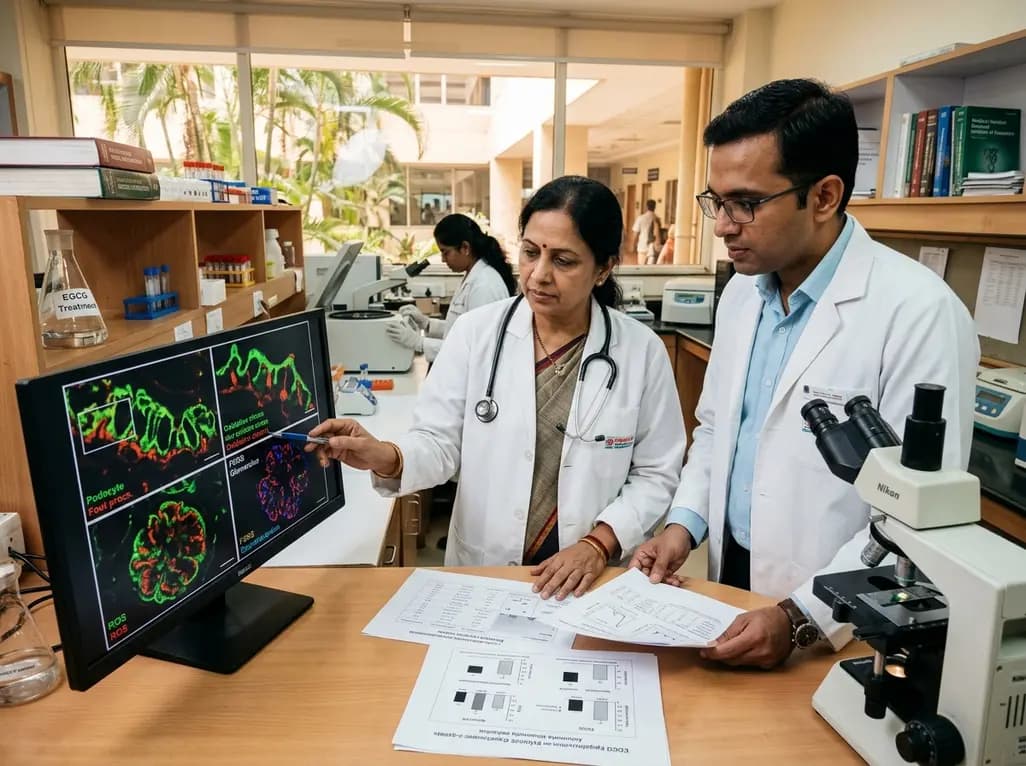
Focal segmental glomerulosclerosis represents a primary clinicopathological challenge in modern nephrology. Progressive podocyte injury in FSGS serves as the primary driver of glomerular filtration barrier disruption and irreversible proteinuria. Podocytes possess extremely limited regenerative capacity because they are terminally differentiated visceral epithelial cells. Therefore, cumulative injury directly triggers foot process effacement, cell detachment, and progressive glomerulosclerosis. Clinicians face significant therapeutic hurdles when managing primary FSGS cases. Standard immunosuppressive regimens frequently cause substantial systemic toxicity and yield inconsistent long-term renal survival. Consequently, researchers continue to explore novel molecular targets to preserve podocyte integrity and halt disease progression. Recent investigations highlight oxidative stress and downstream apoptosis as key pathophysiological events during FSGS evolution. Excess reactive oxygen species overwhelm endogenous antioxidant defenses, leading to lipid peroxidation and cytoskeletal collapse. Addressing these intracellular oxidative cascades offers a viable strategy for stabilizing filtration integrity and preventing end-stage kidney disease. By protecting podocytes from oxidative damage, clinicians may successfully arrest glomerulosclerosis progression. Hence, understanding these molecular pathways paves the way for innovative, targeted nephroprotective therapies.
Recent multi-omic profiling provides unprecedented insights into glomerular cellular heterogeneity and disease mechanisms. Specifically, single-nucleus RNA sequencing reveals distinct transcriptional signatures within damaged podocyte subpopulations during FSGS pathogenesis. Researchers analyzed renal tissue from human FSGS patients alongside adriamycin-induced nephropathy mouse models. Through this approach, they mapped unique transcriptional alterations associated with progressive cellular deterioration and functional decline. The sequencing data demonstrated that injured podocytes exhibit massive upregulation of pro-apoptotic genes and stress-responsive pathways. Concurrently, these damaged cells display profound repression of endogenous antioxidant enzymes, disrupting intracellular homeostasis. This molecular profile confirms that elevated intracellular reactive oxygen species directly accelerate apoptotic pathways in vulnerable cells. Furthermore, single-nucleus transcriptomics demonstrated notable cross-species conservation of these stress pathways between mice and humans. These findings emphasize that oxidative injury is not merely a secondary bystander effect in chronic glomerulopathy. Instead, redox imbalance constitutes a core driver of podocyte attrition. Therefore, single-cell and single-nucleus profiling technologies clarify critical disease mechanisms. They also establish robust cellular targets for targeted antioxidant pharmacological interventions.
Natural polyphenolic compounds have gathered substantial interest due to their pleiotropic cytoprotective and anti-inflammatory properties. Among these compounds, epigallocatechin-3-gallate stands out as a potent bioactive polyphenol derived from green tea. Recent experimental studies evaluated the therapeutic efficacy of EGCG in murine models of adriamycin-induced nephropathy. Mice treated with EGCG demonstrated significant reductions in the urine albumin-to-creatinine ratio compared to untreated controls. In addition, histopathological evaluation revealed marked attenuation of focal segmental lesions and preserved capillary architecture throughout the glomerulus. EGCG administration also restored the critical reduced glutathione to oxidized glutathione ratio in renal tissue and serum. Consequently, systemic and local oxidative burden decreased substantially following therapeutic intervention. These robust preclinical findings indicate that EGCG provides potent organ-level renal protection against progressive structural damage. Moreover, the compound effectively halts the structural deterioration typically associated with toxic and oxidative glomerular insults. As a result, EGCG emerges as a compelling candidate for complementary therapeutic development in progressive proteinuric diseases.
In vitro experiments using conditionally immortalized mouse podocytes further elucidate the direct cytoprotective actions of EGCG. When exposed to adriamycin, cultured podocytes typically generate excessive intracellular reactive oxygen species. This sudden oxidative surge triggers mitochondrial outer membrane permeabilization, caspase activation, and rapid programmed cell death. However, concurrent treatment with EGCG significantly suppresses cellular reactive oxygen species accumulation. Furthermore, EGCG treatment preserves mitochondrial membrane potential and downregulates pro-apoptotic signaling cascades, including caspase-3 activation. By replenishing intracellular antioxidant capacity, EGCG prevents actin cytoskeletal rearrangement and preserves slit diaphragm protein expression, including nephrin and podocin. These cellular benefits directly translate into enhanced podocyte survival and improved attachment under toxic stress conditions. Importantly, these findings confirm that the nephroprotective effects of EGCG stem from direct podocyte stabilization rather than purely systemic alterations. Thus, the polyphenol acts as a precise intracellular modulator of oxidative homeostasis and cell survival pathways in renal epithelial cells.
The therapeutic management of focal segmental glomerulosclerosis remains demanding in routine clinical practice. Currently, nephrologists rely heavily on corticosteroids, calcineurin inhibitors, and renin-angiotensin system blockers. However, many patients experience steroid resistance, frequent disease relapses, or medication-related adverse effects. Therefore, adjunctive therapies targeting cellular oxidative stress represent an attractive translational avenue. Preclinical evidence supporting EGCG provides a rational framework for designing future clinical trials. Polyphenols offer favorable safety profiles and broad mechanistic actions across multiple cellular pathways. Nevertheless, clinical translation requires careful optimization of bioavailability and standardized pharmaceutical formulation. Clinicians must also await rigorous human pharmacokinetic and randomized controlled clinical trials before making routine recommendations. In the interim, these findings enrich our mechanistic understanding of FSGS progression and podocyte vulnerability. Moreover, they underscore the necessity of developing targeted antioxidant strategies to preserve filtration barrier integrity. Ultimately, integrating molecular cytoprotection with existing immunosuppression may significantly improve renal outcomes for FSGS patients.
Epigallocatechin-3-gallate directly neutralizes intracellular reactive oxygen species within vulnerable glomerular podocytes during kidney injury. By restoring the glutathione redox balance and suppressing oxidative stress, EGCG effectively prevents mitochondrial dysfunction and apoptotic signaling cascades. Consequently, it preserves the glomerular filtration barrier, maintains critical slit diaphragm integrity, and markedly attenuates both albuminuria and progressive glomerulosclerosis in experimental models of focal segmental glomerulosclerosis.
Single-nucleus RNA sequencing allows researchers to profile gene expression in individual kidney cell types with exceptional precision. In FSGS research, this advanced technique isolates damaged podocyte subpopulations to reveal specific pathological gene networks. It demonstrates significant upregulation of pro-apoptotic genes alongside the severe repression of antioxidant enzymes. This confirms that cellular redox imbalance actively drives podocyte attrition in both human patients and disease models.
Dietary green tea does not deliver sufficient, standardized concentrations of bioavailable EGCG necessary to treat progressive clinical FSGS. In addition, managing FSGS demands comprehensive clinical evaluation, evidence-based immunosuppressive regimens, and strict blood pressure control supervised by a nephrologist. Although preclinical findings regarding EGCG are promising, patients should never replace standard medical treatments with dietary supplements until robust clinical trials establish safety and efficacy.
Disclaimer: This content is for informational and educational purposes only and does not constitute medical advice. Healthcare professionals should exercise their independent clinical judgment. Refer to the latest local and national guidelines for clinical practice.
References

Read summarized clinical updates, watch expert medical content, and earn CME certifications right from your smartphone.
Open your smartphone camera to scan and install.





Recent research reveals that epigallocatechin-3-gallate (EGCG) protects against podocyte injury in focal segmental glomerulosclerosis (FSGS). By suppressing reactive oxygen species and apoptosis, EGCG improves renal histology and attenuates albuminuria.
last month

A nationwide multicenter study identified three COPD clinical phenotypes, finding that mild smoking males experience the highest rate of rapid lung function decline. A CatBoost model using six routine clinical and socioeconomic variables accurately stratifies high-risk patients for early therapeutic intervention.
Today
Discover the crucial distinctions between mesonephric and mesonephric-like proliferations of the female genital tract. Learn the key histomorphologic, immunohistochemical, and molecular differences essential for accurate diagnosis and clinical management.
Today
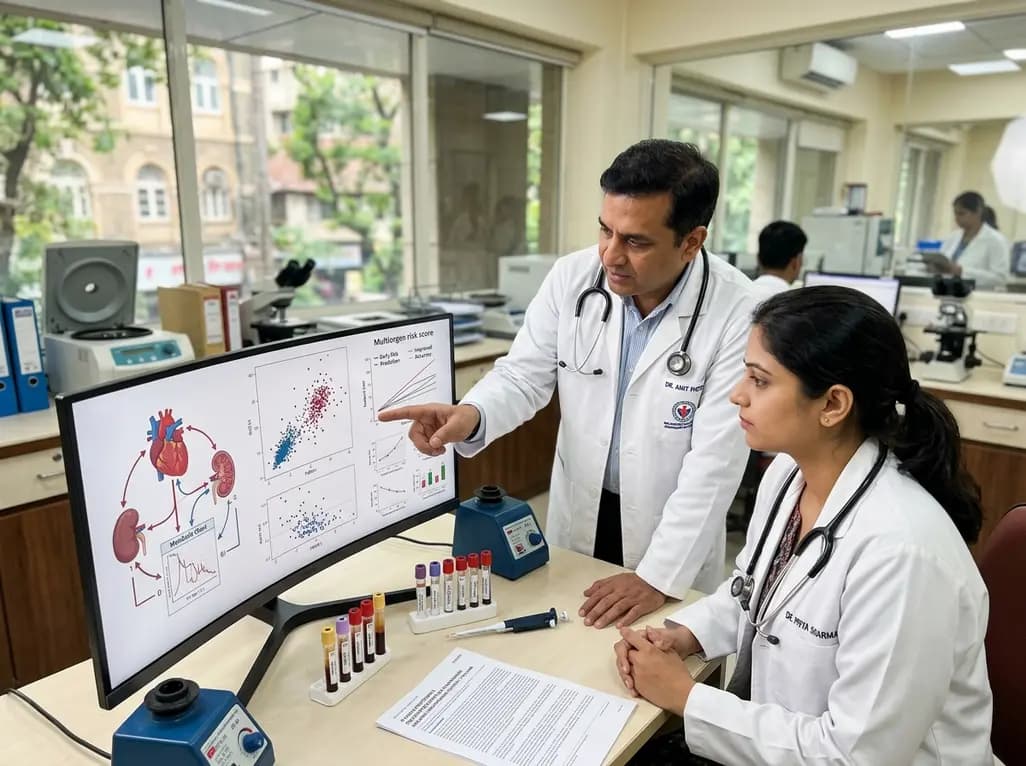
A large UK Biobank study reveals that plasma proteomic signatures capture preclinical organ damage and improve multiorgan risk prediction across early CKM syndrome stages 0 to 2 beyond traditional PREVENT clinical models.
Today
A narrative review investigates whether the articularis genus muscle functions as an independent anatomical entity or blends with the vastus intermedius. We evaluate its morphology, role in retracting the suprapatellar bursa, and direct clinical significance in anterior knee pain and arthroplasty.
Today

A Bayesian multilevel meta-analysis reveals that aerobic training combined with moderate carbohydrate restriction modestly lowers HbA1c in type 2 diabetes. However, sparse data and very low certainty leave incremental benefits over exercise or diet alone unproven, highlighting the need for individualized care.
Today
