.webp&w=384&q=75)

Loading, please wait...
Loading, please wait...

Viral epidemics leave behind enduring scars that reach far beyond acute physical recovery. While medical literature frequently documents adult post-infection sequelae, clinicians often overlook the consequences for children surviving biological catastrophes. A landmark investigation in Sierra Leone evaluated how epidemic outbreaks influence pediatric mental health across multiple years. Crucially, the researchers explored whether infected youth and uninfected household contacts experience comparable psychological burdens. Their findings demonstrate that biological survival represents only one facet of recovery. Sustained household distress shapes long-term behavioral trajectories, demonstrating that post-epidemic child wellness depends upon the psychosocial equilibrium of primary caregivers.
Historically, humanitarian disaster teams concentrate primarily on acute survival, infection containment, and immediate medical stabilization. However, virulent pathogens such as Ebola virus induce cascading community stress, persistent social stigma, and severe economic disruption. Consequently, young survivors frequently navigate prolonged developmental disruption. In Sierra Leone, clinicians observed that infected youths faced prolonged isolation within treatment units while enduring distressing bereavement. Furthermore, unaffected siblings and co-habiting children endured profound familial upheaval, school closures, and pervasive neighborhood dread. Therefore, evaluating psychological sequelae across both survivor cohorts provides indispensable guidance for modern outbreak management. Recent psychiatric evidence indicates that children exposed to severe viral crises develop substantial behavioral difficulties. These symptoms include conduct dysregulation, emotional withdrawal, peer relational challenges, and hyperactivity. Furthermore, affected children who never contracted the virus exhibit vulnerability levels that closely mirror those seen in biologically infected youth. Thus, infectious disease emergencies operate as collective ecological traumas. When healthcare teams overlook these shared household realities, clinical interventions fail to resolve lingering emotional morbidities.
To uncover these intricate psychosocial pathways, investigators deployed a prospective case-control cohort framework across six geographically diverse districts in Sierra Leone. Specifically, the investigative team recruited 663 children and adolescents aged 10 to 17 years along with their primary caregivers across two consecutive evaluation time points. The final analytical cohort comprised 217 Ebola-infected children, 206 Ebola-affected children who lived with an infected family member without personal infection, and 230 uninfected community controls. Primary caregivers contributed standardized clinical symptom reports at both intervals. Additionally, the researchers measured caregiver depression and anxiety symptoms using validated psychological assessment batteries, including the Hopkins Symptom Checklist. At the follow-up wave, investigators evaluated child prosocial behaviors and behavioral problems through the parent-reported Strengths and Difficulties Questionnaire. Subsequently, the analysts constructed robust structural equation models. These models adjusted for essential socio-demographic covariates, including participant age, sex, household wealth, residential setting, and geographic district. Consequently, this design isolated the precise indirect pathways connecting parental psychiatric suffering to subsequent childhood behavioral disturbances.
Structural equation modeling revealed pivotal mechanistic connections between household infection exposure and youth adjustment. Most notably, the analysis confirmed that both infected and affected children experienced significantly elevated behavioral difficulties compared to unaffected peers. However, the exact developmental mechanisms differed across these cohorts. In particular, caregiver depression served as a powerful statistical mediator between household infection exposure and subsequent child behavioral problems. When family caregivers suffered from untreated depressive symptoms, their children consistently exhibited escalating externalizing and internalizing difficulties. Furthermore, parental depression impairs core maternal and paternal functions, including empathetic communication, emotional availability, and consistent disciplinary structure. Consequently, parents overwhelmed by lingering grief, physical disability, and financial hardship struggle to provide predictable psychological scaffolding. In addition, children acutely perceive adult despair, which intensifies their own chronic stress responses. Therefore, the behavioral maladjustment observed among affected youths does not simply stem from viral exposure alone. Instead, it reflects the enduring mental health collapse of their adult support networks, reinforcing the urgent need for dual-generation therapeutic strategies.
In addition to behavioral problems, the study illuminated nuanced pathways influencing prosocial development among children. Interestingly, structural models showed that caregiver anxiety specifically mediated the connection between being an Ebola-affected household member and displaying prosocial behaviors. Prosocial competencies, such as sharing, cooperation, empathy, and active peer support, serve as essential building blocks for resilient social integration. However, severe parental anxiety often manifests as hypervigilance, social withdrawal, protective over-restriction, and pervasive threat avoidance. As a direct consequence, anxious guardians frequently limit peer interactions and discourage normative community engagement out of fear of renewed tragedy. Furthermore, children who witness constant parental hyperarousal gradually adopt cautious, defensive interpersonal stances. Because of this dynamic, they participate less frequently in cooperative school activities and community networks. Over time, this interpersonal constriction compromises their capacity to develop robust peer alliances. Therefore, addressing adult anxiety represents an essential psychiatric prerequisite for rebuilding healthy social functioning and emotional competence among growing adolescents who survived intense collective crises.
These long-term findings offer profound clinical lessons for medical professionals managing infectious disease outbreaks worldwide. First, healthcare providers must expand their diagnostic focus beyond biological survivors to include all family members residing within affected households. Because unaffected children show equivalent psychiatric vulnerability, restricting mental health surveillance to infected patients creates catastrophic blind spots. In clinical settings, pediatricians and psychiatrists should implement routine dyadic screenings that evaluate parental depression alongside child behavioral scores. Moreover, hospital systems must transition from fragmented individual treatments toward integrated family mental health programs. When primary care physicians identify parental depressive or anxious symptoms, they should immediately initiate evidence-based psychotherapeutic or pharmacological treatments. Treating parental mood disorders actively restores protective household dynamics, thereby mitigating secondary behavioral disturbances in vulnerable children. Ultimately, comprehensive disaster response strategies must integrate psychiatric support directly into primary infectious disease protocols, safeguarding pediatric mental health across future public health emergencies.
Caregiver depression diminishes parental emotional responsiveness, consistent guidance, and daily stress buffering within the home. When parents experience untreated depression after traumatic epidemics, household stability fractures. Consequently, children internalize this emotional distress and struggle with self-regulation, which manifests as elevated behavioral problems, conduct issues, and emotional difficulties over time.
Children living with infected household members endure severe psychological disruptions despite avoiding personal infection. They witness severe illness, bereavement, social isolation, and extreme economic hardship. Furthermore, parental anxiety and post-epidemic community stigma create chronic stress environments, generating emotional and behavioral difficulties identical to those observed in biologically infected survivors.
Clinicians should implement dual-generation screening protocols that simultaneously assess pediatric emotional development and caregiver psychological well-being. Using validated tools like the Strengths and Difficulties Questionnaire alongside parental depression scales enables early identification. This comprehensive approach allows pediatricians to deliver targeted family-centered interventions before secondary behavioral problems become entrenched.
Disclaimer: This content is for informational and educational purposes only. It is not intended to be a substitute for professional medical advice, diagnosis, or treatment. Always seek the advice of your physician or other qualified health provider with any questions you may have regarding a medical condition. Refer to the latest local and national guidelines for clinical practice.
References

Read summarized clinical updates, watch expert medical content, and earn CME certifications right from your smartphone.
Open your smartphone camera to scan and install.





A longitudinal study in Sierra Leone shows that Ebola virus disease causes enduring behavioral challenges in infected and affected children, mediated directly by caregiver depression and anxiety.
Today
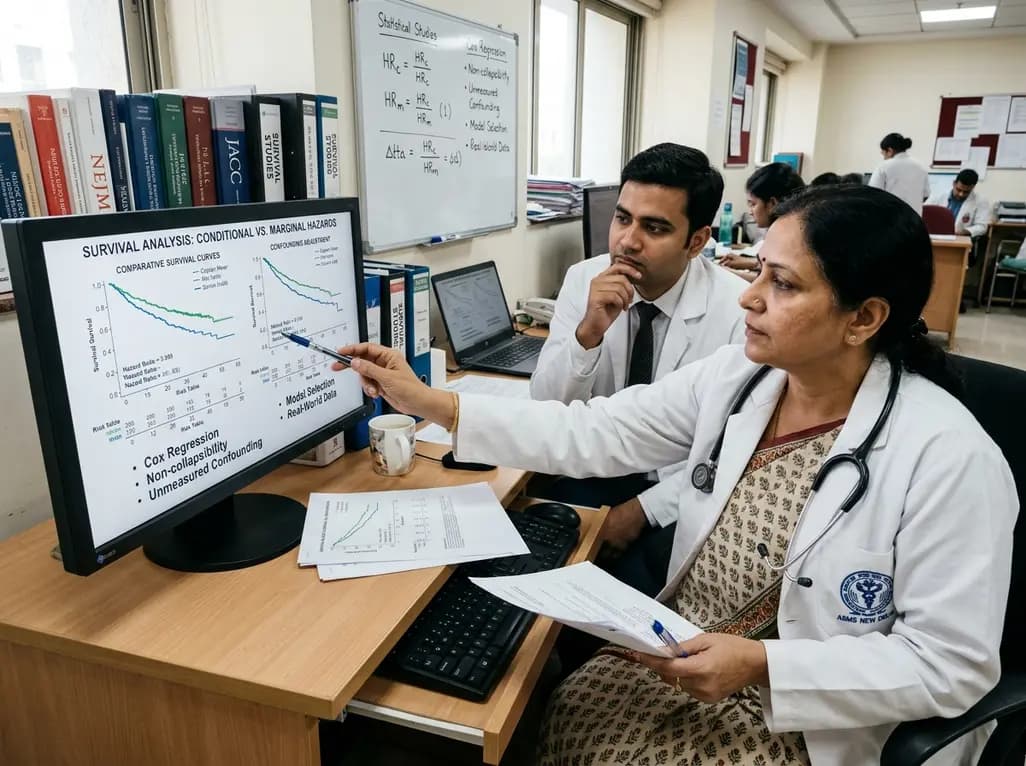
Survival analyses often report hazard ratios, but mathematical non-collapsibility creates crucial differences between conditional and marginal estimates. Clinicians must account for unmeasured confounding and model selection when interpreting trial endpoints and real-world cardiovascular outcomes.
Today

A cross-sectional study of 700 college students highlights significant contraceptive knowledge disparities between sexually active and inactive young adults. The findings demonstrate a critical need for proactive, comprehensive sexual health counseling before sexual debut.
Yesterday
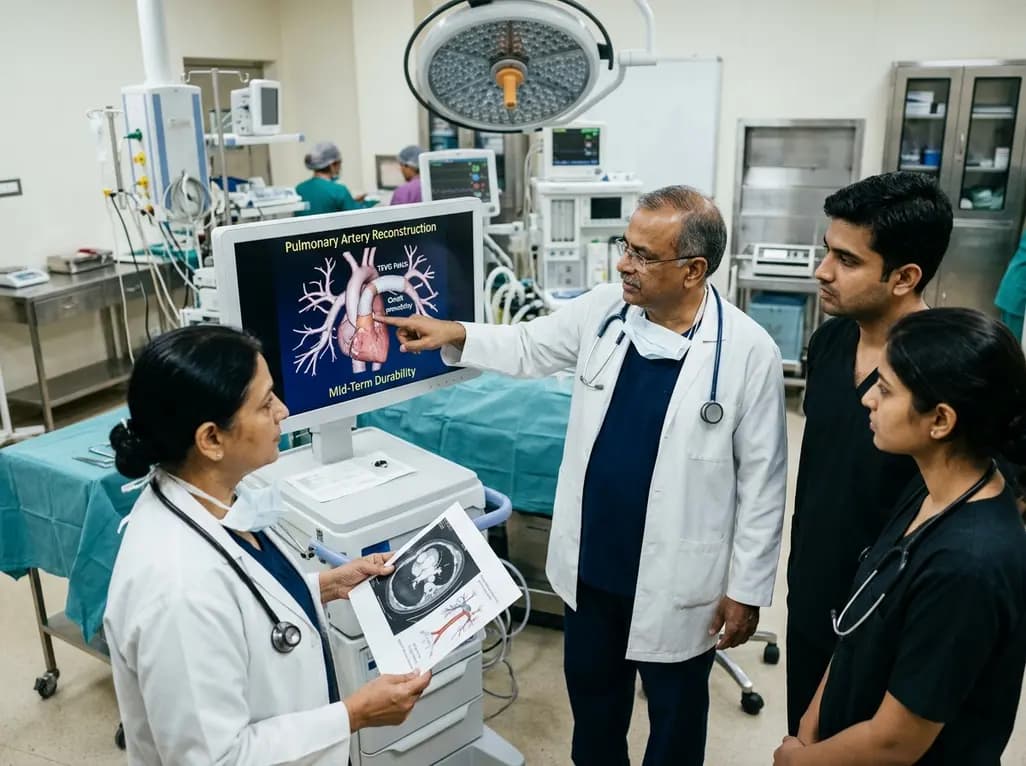
Autologous tissue-engineered vascular graft patches created via in-body tissue architecture show excellent mid-term durability and safety for pulmonary artery reconstruction in congenital heart surgery, particularly for peripheral branch augmentation.
Today

A novel cluster analysis of real-world datasets reveals four distinct CPPD disease phenotypes, validating existing EULAR categories while uncovering previously unrecognized monoarticular and axial presentations to refine patient management.
Today

Recent pharmacokinetic research demonstrates that trace dermal exposure to microgram quantities of trenbolone and metenolone produces detectable urinary metabolites for days to over a week, providing critical objective data for evaluating unintentional contamination claims in sports drug testing.
Today
