

Loading, please wait...
Loading, please wait...
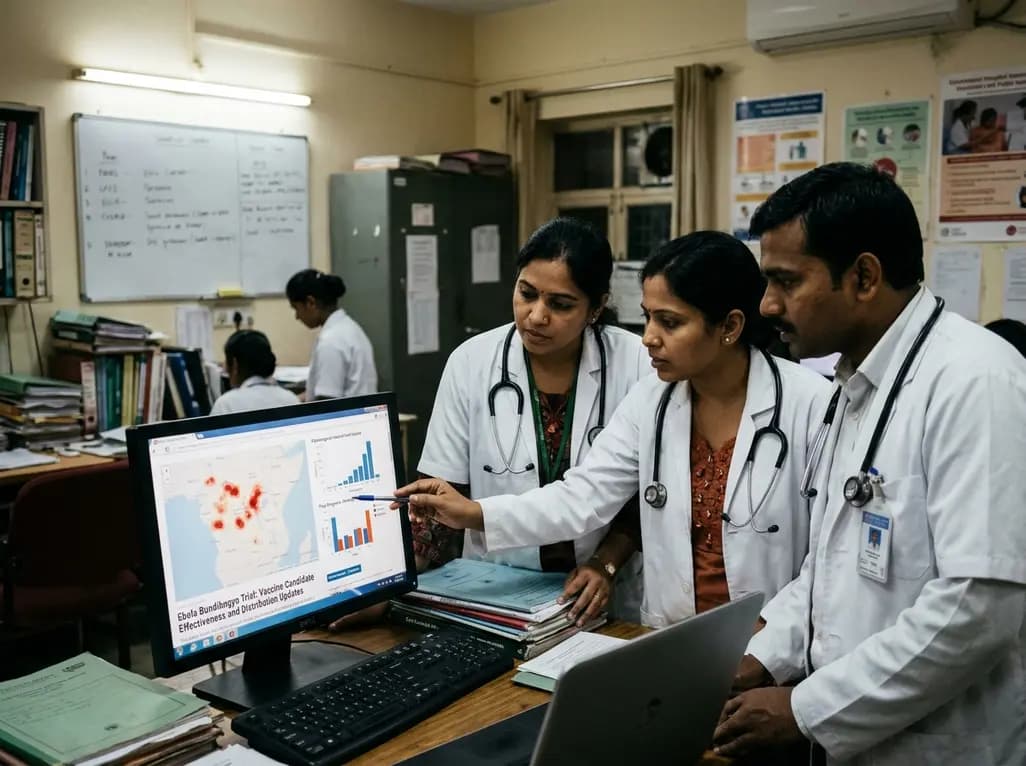
Global public health agencies recently marked a crucial milestone in containment efforts against filovirus outbreaks. The global vaccine alliance Gavi announced an advance purchase agreement to procure up to 1.5 million doses of an experimental Ebola Bundibugyo vaccine for the Democratic Republic of Congo. Currently, no licensed prophylactic interventions exist against the Bundibugyo ebolavirus species. Consequently, this unprecedented outbreak has claimed more than 5,700 lives across Central Africa. Medical specialists worldwide monitor this emergency closely. Rapid deployment of unapproved biological countermeasures requires rigorous regulatory frameworks, clinical vigilance, and reliable manufacturing pipelines.
Filoviruses present severe clinical challenges due to systemic endothelial disruption and coagulopathy. Historically, health authorities focused immunization efforts primarily on the Zaire ebolavirus species. Licensed vaccines like Ervebo demonstrate high protective efficacy against Zaire ebolavirus during major epidemics. However, distinct antigenic variations between filovirus species prevent adequate cross-neutralization against the Bundibugyo strain. Consequently, the current epidemic in the Democratic Republic of Congo expanded without an established pharmaceutical countermeasure.
Bundibugyo virus disease manifests clinically with sudden fever, profound asthenia, diffuse myalgia, gastrointestinal hemorrhage, and multiorgan failure. Because no curative antiviral therapy exists, supportive critical care remains the primary clinical intervention. Therefore, introducing a dedicated Ebola Bundibugyo vaccine becomes paramount to halting sustained community transmission. Gavi allocated $40 million to accelerate candidate development and secure manufacturing queues. Furthermore, public health authorities emphasize that rapid ring vaccination protects frontline health personnel and domestic contacts. Local transmission chains accelerate rapidly when community triage centers lack adequate containment resources. Thus, the introduction of targeted candidates represents an indispensable scientific intervention to protect vulnerable populations. In addition, active case detection ensures that clinical teams isolate suspect patients before catastrophic physiological decompensation develops.
The leading investigational candidate, designated ChAdOx1 BDBV, emerged from a collaborative effort between the University of Oxford and the Serum Institute of India. Scientists constructed this vaccine using a replication-deficient chimpanzee adenoviral vector platform. Notably, this identical viral platform delivered millions of doses safely during the global coronavirus pandemic. The viral vector carries genetic instructions encoding the surface glycoprotein of the Bundibugyo ebolavirus. Consequently, host cells produce and present this foreign antigen to stimulate both humoral and cellular immunity without causing viral replication.
Serum Institute of India manufactured hundreds of thousands of investigational vials in rapid timeframes to facilitate immediate clinical evaluation. This scale-up underscores the formidable manufacturing infrastructure of the Indian biopharmaceutical ecosystem. Preclinical evaluations confirmed that the platform generates robust neutralizing antibody titers and polyfunctional cytotoxic T-cell responses against Bundibugyo epitopes. Furthermore, researchers also evaluate an alternative mRNA-based candidate developed by Moderna to diversify the clinical intervention pipeline. Nevertheless, the ChAdOx1 platform offers distinct advantages in cold chain logistics and cost efficiency for low-resource settings. Therefore, international partnerships between academic research centers and Indian manufacturers remain vital for addressing neglected tropical pathogens. In fact, such cross-continental initiatives bridge critical gaps between early scientific discovery and massive emergency field deployment.
Evaluating unapproved biological products during an active epidemic requires robust epidemiological models and adaptive clinical trial designs. Currently, international researchers evaluate candidate vaccines in the Democratic Republic of Congo under the multi-center Tumaini clinical trial framework. Investigators specifically implement a ring vaccination methodology to test safety and protective efficacy among confirmed patient contacts. Furthermore, this approach mirrors the successful ring vaccination strategies utilized during previous West African outbreaks. Consequently, trial teams can ethically assess efficacy while providing experimental prophylaxis to individuals facing imminent exposure risk.
Simultaneously, researchers evaluate whether previous immunization with Ervebo induces measurable cross-protection against the Bundibugyo pathogen. Recent serological studies indicate that Ervebo boosters generate modest cross-reactive binding antibodies. However, neutralizing titers remain markedly lower and decline rapidly within six months. Therefore, clinical consensus strongly favors species-specific immunization over heterologous vaccines. The Tumaini platform will systematically collect pharmacovigilance data, monitor local reactogenicity, and evaluate seroconversion rates across diverse demographic cohorts. Moreover, investigators have deliberately included high-risk cohorts such as pregnant women and pediatric populations aged twelve years and older. Ultimately, these rigorous data streams will determine whether the Oxford-SII candidate secures formal World Health Organization prequalification.
Administering experimental vaccines prior to formal market authorization requires strict international compliance and harmonized ethical oversight. Gavi chief executive Sania Nishtar emphasized that securing physical vials represents only the preliminary step in outbreak control. Specifically, health authorities must establish expanded access protocols and emergency use listing guidelines through the World Health Organization. These emergency pathways mandate standardized informed consent procedures, active post-vaccination surveillance, and real-time adverse event reporting. Consequently, national ministries of health must swiftly adopt regulatory clearances to prevent administrative bottlenecks.
Additionally, financial constraints pose substantial barriers to equitable vaccine distribution in low-resource environments. Delivering vaccines under emergency expanded access historically incurred costs around $120 per dose, as observed during early Zaire deployments. Cold chain maintenance, field personnel training, community engagement, and security logistics all contribute significantly to operational expenditures. Therefore, international donors and multilateral agencies must bridge significant funding gaps to ensure operational viability. Moreover, public health leaders must establish clear communication channels with community elders to build vaccine confidence and dispel misinformation. Thus, overcoming logistical, financial, and regulatory hurdles is just as crucial as clinical efficacy for achieving successful disease containment.
While the current Bundibugyo outbreak remains geographically centered in Central Africa, global connectivity demands heightened alertness from healthcare professionals in India. International travel routes and commercial exchanges connect major Indian metropolitan hubs with African commerce centers. Therefore, Indian infectious disease specialists, emergency physicians, and primary care practitioners must maintain rigorous clinical vigilance. Clinicians must thoroughly elicit travel histories from febrile travelers returning from endemic areas within the 21-day incubation window. Early recognition, strict isolation, and prompt reporting to public health authorities prevent secondary transmission.
Furthermore, the central role of the Serum Institute of India reinforces India's position as the primary pharmacy to the developing world. Indian regulatory agencies and research institutions must continue streamlining technology transfers, clinical testing frameworks, and emergency manufacturing protocols. In addition, local laboratories should enhance diagnostic capacity for viral hemorrhagic fevers using multiplex molecular testing. Notably, cross-border public health crises underscore that epidemic preparedness is a continuous clinical obligation rather than an episodic response. Consequently, Indian medical professionals must understand filovirus pathophysiology, standard barrier nursing techniques, and global immunization strategies to protect national health security against emerging transmissible threats.
Q1: Why does the Bundibugyo Ebola outbreak require a novel vaccine instead of Ervebo?
Existing vaccines like Ervebo specifically target the glycoprotein of Zaire ebolavirus. Although Ervebo can induce modest cross-reactive antibodies, serological studies reveal that neutralizing antibody titers against Bundibugyo virus remain significantly lower and wane quickly over six months. Therefore, cross-protection remains insufficient for epidemic control. Deploying a novel, species-specific candidate such as ChAdOx1 BDBV ensures targeted humoral and cellular immune responses necessary to protect exposed healthcare personnel and vulnerable contacts.
Q2: How does the ChAdOx1 BDBV vaccine stimulate protective immunity against Bundibugyo virus?
The ChAdOx1 BDBV candidate uses a replication-deficient chimpanzee adenovirus vector to deliver genetic code encoding the Bundibugyo viral glycoprotein. Following intramuscular injection, host cells briefly express this surface protein without generating infectious viral particles. Consequently, the host immune system recognizes the antigen and mounts targeted B-cell antibody production alongside robust cytotoxic T-cell responses. This dual mechanism creates rapid immunological memory, enabling the body to effectively neutralize the wild filovirus upon subsequent natural exposure.
Q3: What regulatory steps are required before deploying experimental vaccines under expanded access?
Deploying investigational vaccines during public health emergencies requires clear expanded access frameworks established by national regulators and the World Health Organization. First, technical advisory groups assess preclinical data and early-phase trial safety profiles. Subsequently, ethical committees approve standardized clinical protocols and informed consent procedures for affected populations. In addition, public health agencies establish active pharmacovigilance systems to track adverse events, verify cold chain integrity, and ensure equitable distribution among high-risk community rings.
Disclaimer: This content is for informational and educational purposes only. It does not constitute medical advice or replace professional judgment. Refer to the latest local and national guidelines for clinical practice.
References

Read summarized clinical updates, watch expert medical content, and earn CME certifications right from your smartphone.
Open your smartphone camera to scan and install.





Gavi has committed to purchasing up to 1.5 million doses of an investigational candidate manufactured by Serum Institute of India. This initiative targets the devastating Bundibugyo filovirus epidemic in Central Africa, advancing critical clinical trial protocols, ring vaccination, and global emergency response.
Today
Following regulatory scrutiny over chemical contaminants in packaged water, food safety authorities have highlighted acceptable chemical thresholds. This clinical overview outlines the toxicological profile of bromate and polycyclic aromatic hydrocarbons, their health impacts, and essential patient guidance.
Today
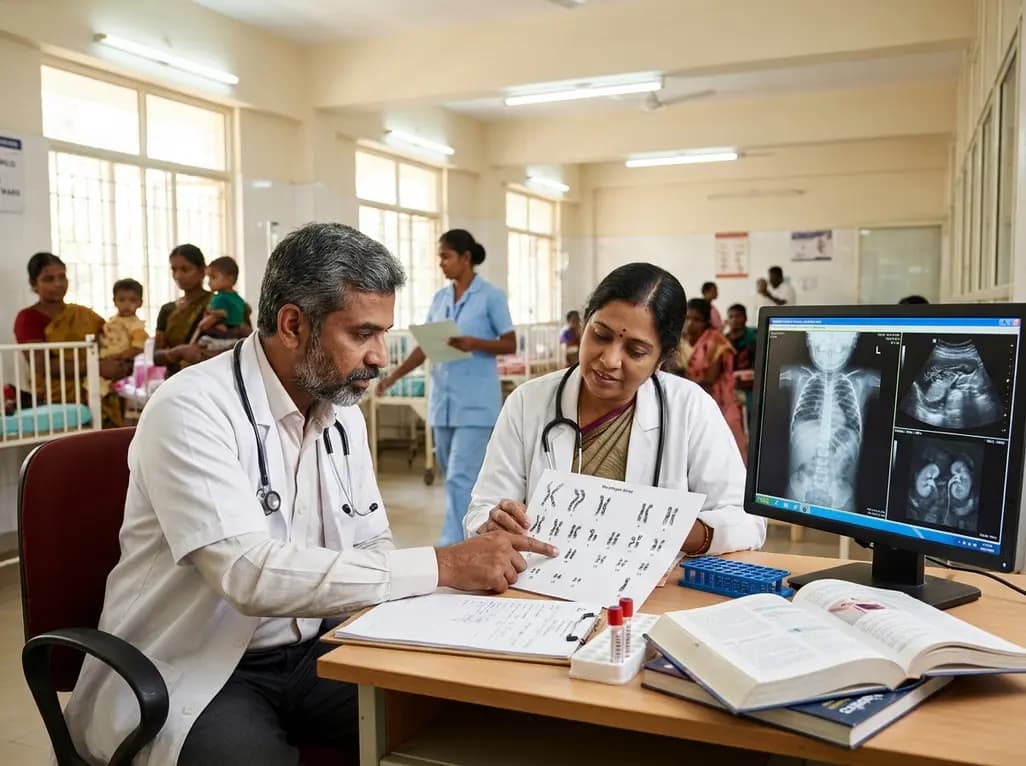
Mosaic trisomy 20 presents a unique diagnostic challenge. Although frequently viewed as a benign artifact in prenatal testing, true mosaicism causes distinct skeletal, gastrointestinal, and renal manifestations. Skin fibroblast karyotyping provides definitive confirmation and guides long-term multidisciplinary care.
Today
A nationwide Swedish register study of 46,479 VTE patients found no significant increase in major or fatal bleeding with concomitant DOAC and SSRI therapy compared to DOACs alone, though all-cause mortality was modestly elevated, offering reassuring safety data for clinicians managing both conditions.
Today
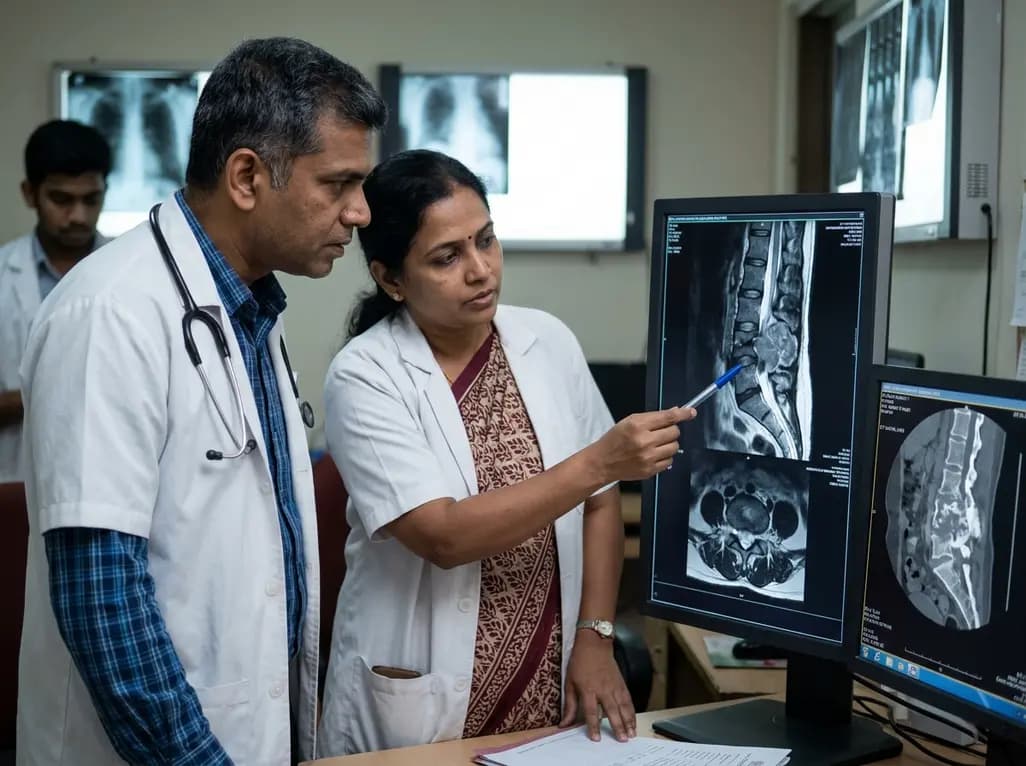
Primary spinal bone tumors can mimic benign nerve sheath tumors as foraminal dumbbell lesions. Learn to recognize crucial CT red flags and prevent delays.
Today
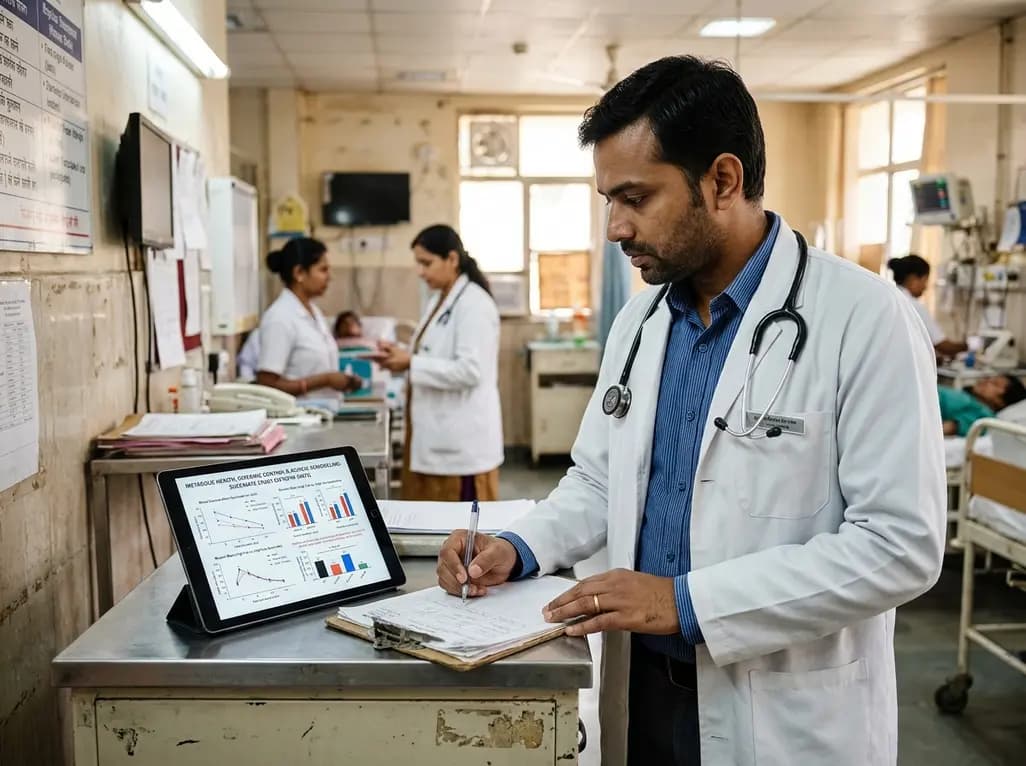
A recent investigation assesses the impact of succinate supplements on metabolic health, energy intake, and muscle remodeling in mice fed high-fat or ketogenic diets. Although succinate briefly blunts hyperphagia, it fails to improve long-term glycemic control or alter skeletal muscle hypertrophy.
Today
