.webp&w=384&q=75)

Loading, please wait...
Loading, please wait...
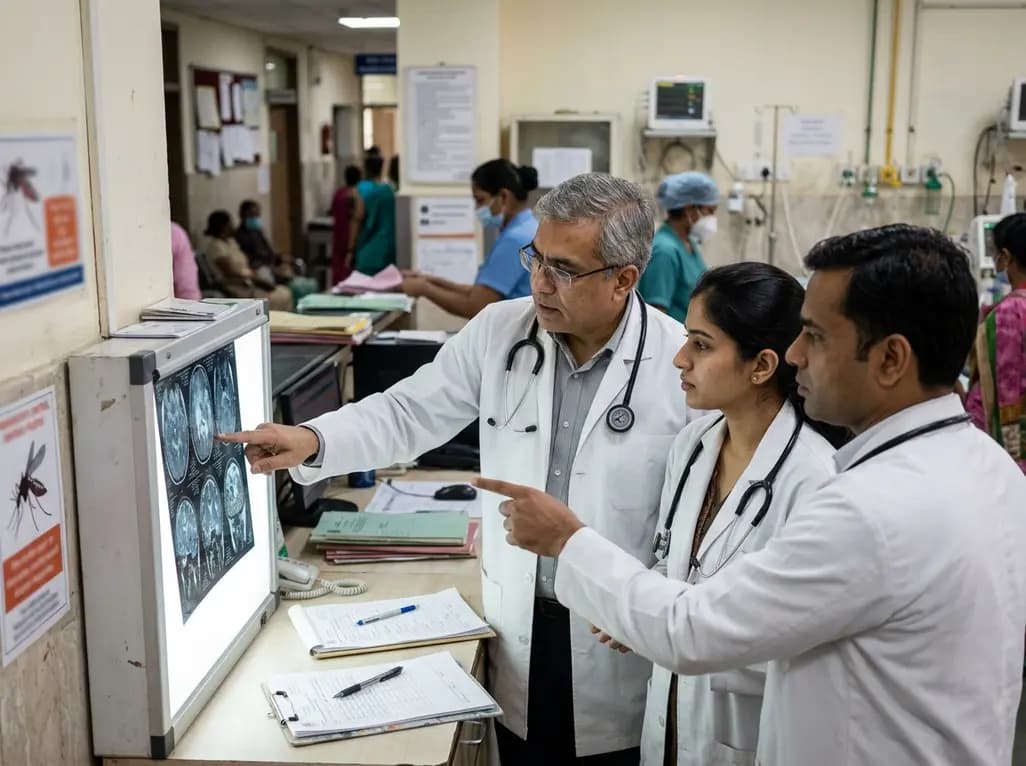
Public health authorities recently confirmed a human infection of Eastern equine encephalitis in Michigan. Consequently, clinicians must understand the transmission dynamics and clinical severity of this alphavirus infection. Although human cases remain uncommon, this vector-borne illness causes devastating neuroinvasive complications with high mortality. Therefore, healthcare providers should recognize early clinical features and understand essential intensive management protocols.
The Michigan Department of Health and Human Services recently confirmed a locally acquired human case in Roscommon County. Notably, this diagnosis represents the first human report in Michigan since 2021. The causative agent is maintained in an enzootic cycle between wild passerine birds and swamp-inhabiting mosquitoes. Specifically, Culiseta melanura functions as the primary enzootic vector in freshwater hardwood swamps. However, because this mosquito feeds almost exclusively on birds, secondary bridging vectors facilitate transmission to humans and horses.
Furthermore, mosquito species within the Aedes, Coquillettidia, and Culex genera act as common bridge vectors. Mammals develop low viral loads and represent dead-end hosts. Environmental variables like heavy precipitation and warmer temperatures accelerate larval breeding. Consequently, human exposure risk increases significantly during late summer and early autumn. Epidemiologists continue conducting mosquito trapping and animal monitoring to identify active transmission clusters across high-risk regions.
Eastern equine encephalitis virus is an enveloped, positive-sense single-stranded RNA virus in the Togaviridae family. Following the bite of an infected mosquito, the virus replicates locally in dermal dendritic cells and skeletal myocytes. Subsequently, lymphatic dissemination allows rapid entry into the bloodstream, creating systemic viremia. The pathogen crosses the blood-brain barrier via hematogenous transport and disruption of cerebral vascular endothelium.
Moreover, the virus demonstrates marked neurotropism for neurons, glial structures, and perivascular spaces within the central nervous system. Viral replication causes extensive neuronal necrosis, diffuse microglial activation, and marked perivascular lymphocytic infiltration. Additionally, significant pathology appears in the thalamus, basal ganglia, and brainstem. Cerebral edema develops rapidly, leading to dangerous increases in intracranial pressure. These destructive cellular processes explain the profound clinical encephalopathy, cognitive deterioration, and high fatality that clinicians observe in neuroinvasive infections.
The incubation period for this arbovirus typically ranges from four to ten days after exposure. Initially, patients present with an abrupt prodromal illness characterized by high fever, chills, and malaise. Additionally, many individuals experience severe myalgia, arthralgia, nausea, and persistent retro-orbital headache. In mild febrile presentations, symptoms resolve within two weeks without lasting complications.
However, neuroinvasive disease begins suddenly and progresses rapidly. Patients develop acute confusion, agitation, meningismus, and severe photophobia. Furthermore, severe cases manifest with focal cranial nerve palsies, tremors, status epilepticus, and progressive coma. Children younger than fifteen and adults older than fifty face the highest risk of severe neuroinvasion. Approximately thirty percent of neuroinvasive patients succumb to the infection. Moreover, many survivors suffer long-term physical, cognitive, and psychiatric sequelae.
Clinicians must maintain high suspicion when assessing patients with acute encephalitis during late summer months. Therefore, taking a comprehensive travel history and inquiring about mosquito bites remains fundamental. Cerebrospinal fluid analysis represents an essential initial investigation. Typically, lumbar puncture reveals elevated opening pressure, marked pleocytosis, and elevated protein with normal glucose concentrations. Although neutrophilic pleocytosis may appear early, lymphocytic predominance develops over subsequent days.
Additionally, clinicians confirm the diagnosis using serological testing. Detection of virus-specific IgM antibodies in serum or cerebrospinal fluid strongly indicates acute infection. Reference laboratories validate results through plaque reduction neutralization assays. Neuroimaging also provides crucial diagnostic clues. Magnetic resonance imaging shows distinctive T2-weighted hyperintensities within the basal ganglia, thalamus, and cortex. Consequently, neuroimaging assists physicians in differentiating arboviral infections from herpes simplex encephalitis or other neuroinvasive conditions.
Currently, no targeted antiviral therapies or therapeutic monoclonal antibodies exist for this arboviral disease. Therefore, patient management relies entirely on aggressive, supportive intensive care. Critical care physicians must protect the airway early through endotracheal intubation in obtunded patients. Furthermore, aggressive neuromonitoring helps teams detect and treat elevated intracranial pressure promptly.
Additionally, medical teams administer intravenous anticonvulsants to manage acute seizures and refractory status epilepticus. Clinicians manage fluid balance meticulously to prevent cerebral edema exacerbation while maintaining adequate cerebral perfusion pressure. In severe intracranial hypertension, clinicians use hyperosmolar agents such as mannitol or hypertonic saline. Moreover, early physical therapy, speech therapy, and neuro-rehabilitation facilitate long-term functional recovery for survivors who experience permanent neurological deficits.
Because no human vaccine exists, vector management remains the primary defense against infection. Public health agencies utilize targeted aerial spraying and ground adulticiding to control mosquito vectors during outbreaks. Furthermore, environmental authorities recommend eliminating standing water from residential tires, containers, and birdbaths. These aggressive vector abatement programs significantly decrease mosquito populations near populated communities.
Additionally, clinical professionals must educate the public regarding personal bite prevention. Individuals should apply registered insect repellents containing DEET, picaridin, or oil of lemon eucalyptus before going outdoors. Moreover, wearing long-sleeved clothing treated with permethrin provides substantial protection in endemic wooded zones. Installing tightly fitted window screens and avoiding outdoor activities during peak mosquito feeding hours also lowers exposure risk. Ultimately, active community participation strengthens broad public health mosquito mitigation initiatives.
Q1: How do humans contract Eastern equine encephalitis?
Humans acquire the infection through the bite of an infected bridge mosquito that has fed on virus-carrying wild birds. The virus primarily circulates within avian reservoirs in freshwater wetland habitats. When bridge vector mosquitoes bite mammals, they introduce the virus into host tissue. Furthermore, human-to-human transmission does not occur through casual contact because humans are dead-end hosts who do not produce high viremia.
Q2: What are the primary symptoms of neuroinvasive disease?
Neuroinvasive disease typically begins with sudden high fever, chills, severe headache, and vomiting before progressing to neurological dysfunction. Patients frequently exhibit marked disorientation, neck stiffness, tremors, and progressive drowsiness. Furthermore, severe cases can trigger recurrent seizures, focal neurological deficits, and coma. Because neuroinvasive illness carries a high case-fatality rate, patients requiring acute care need prompt emergency medical evaluation and supportive management.
Q3: How is this viral condition treated in clinical practice?
Currently, no specific antiviral medications or vaccines exist for this infection. Therefore, clinical care focuses entirely on intensive supportive management in a hospital setting. Healthcare teams prioritize airway maintenance, seizure control with anticonvulsants, intracranial pressure reduction, and careful fluid management. In addition, survivors often require long-term physical, cognitive, and occupational rehabilitation to manage persistent neurological sequelae.
Disclaimer: This content is for informational and educational purposes only. It does not constitute medical advice or replace professional judgment. Refer to the latest local and national guidelines for clinical practice.
References

Read summarized clinical updates, watch expert medical content, and earn CME certifications right from your smartphone.
Open your smartphone camera to scan and install.





Public health officials in Michigan have confirmed a human infection of Eastern equine encephalitis. This review explores the viral pathophysiology, diagnostic pathways, clinical manifestations, neurocritical supportive care protocols, and community prevention measures essential for clinicians worldwide.
last month

A systematic review of 41 preclinical studies reveals that baicalin dampens systemic inflammation, inhibits NF-κB and NLRP3 pathways, and improves organ preservation in sepsis models. However, substantial study heterogeneity and a complete lack of human clinical trials highlight the need for further translational research.
Today
Discover the crucial distinctions between mesonephric and mesonephric-like proliferations of the female genital tract. Learn the key histomorphologic, immunohistochemical, and molecular differences essential for accurate diagnosis and clinical management.
Today
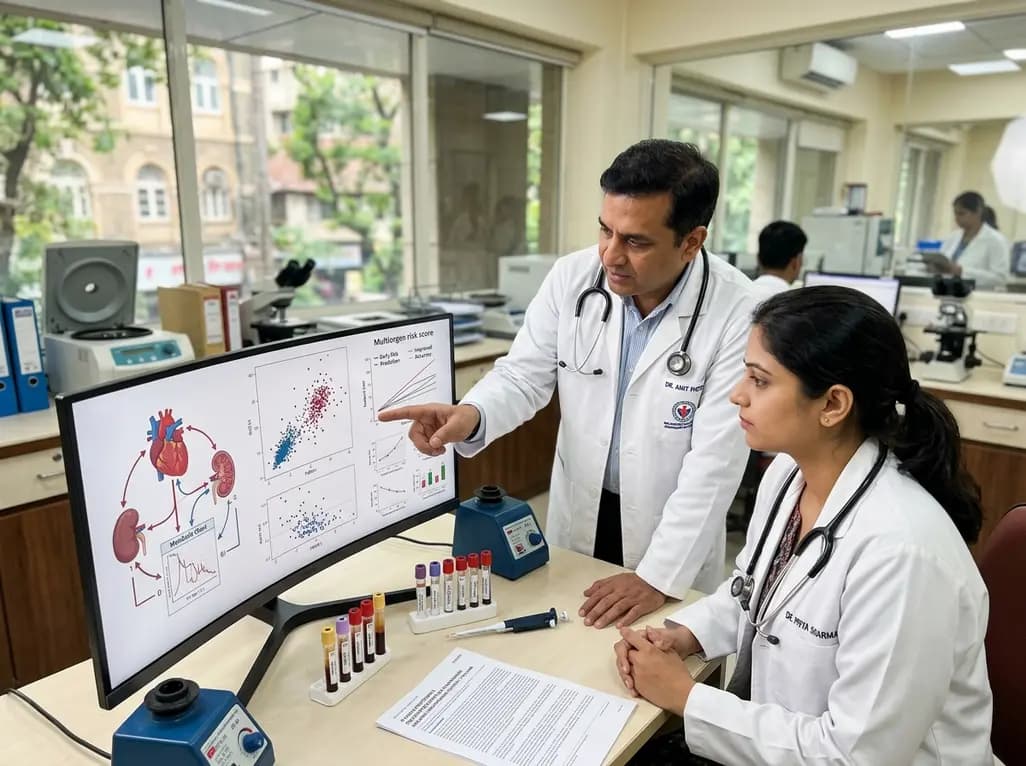
A large UK Biobank study reveals that plasma proteomic signatures capture preclinical organ damage and improve multiorgan risk prediction across early CKM syndrome stages 0 to 2 beyond traditional PREVENT clinical models.
Today
A narrative review investigates whether the articularis genus muscle functions as an independent anatomical entity or blends with the vastus intermedius. We evaluate its morphology, role in retracting the suprapatellar bursa, and direct clinical significance in anterior knee pain and arthroplasty.
Today

A Bayesian multilevel meta-analysis reveals that aerobic training combined with moderate carbohydrate restriction modestly lowers HbA1c in type 2 diabetes. However, sparse data and very low certainty leave incremental benefits over exercise or diet alone unproven, highlighting the need for individualized care.
Today
