.webp&w=384&q=75)

Loading, please wait...
Loading, please wait...

Early-onset genetic epilepsy presents formidable clinical and developmental hurdles for pediatricians, pediatric neurologists, and clinical geneticists worldwide. When unprovoked seizures manifest before five years of age, underlying monogenic and polygenic alterations often orchestrate severe electroclinical phenotypes. Consequently, understanding the pathogenic hierarchy within disease pathways is essential for precise molecular classification and timely clinical intervention.
Epilepsy manifests across all age demographics, yet seizures occurring in children under age five demonstrate unique neurodevelopmental vulnerability. Historically, clinicians labeled many of these early presentations as idiopathic encephalopathies due to obscure etiologies. However, modern high-throughput genomic technologies have revolutionized pediatric epileptology. Research indicates that genetic factors heavily influence disease pathogenesis in infants and toddlers. Recently, bioinformaticians systematically curated a cohort of 229 verified genes expressed predominantly in human brain tissue. Furthermore, comprehensive pathway enrichment identified distinct neurobiological processes driving sustained hyperexcitability. Specifically, functional clusters localized to GABAergic synapse function, synaptic vesicle cycling, cholinergic transmission, and dopaminergic signaling cascades. Moreover, pathways linked to neuromodulatory and addictive mechanisms emerged, reflecting intrinsic alterations in neurochemical reward circuitry and ion permeability. These molecular networks underscore the multifaceted pathophysiology governing early seizure onset.
Deciphering complex biological networks requires rigorous computational biology tools. To parse disease architecture, researchers applied Gene Ontology and Kyoto Encyclopedia of Genes and Genomes pathway platforms alongside ClueGO and cytoHubba. Subsequently, investigators interrogated the protein-protein interaction network using three distinct topological centrality metrics. This multi-algorithmic workflow successfully shortlisted twelve prominent hub candidates. Ultimately, Venn diagram intersection isolated seven definitive key genes: CDKL5, GABRA1, KCNQ2, KCNQ3, SCN1A, SCN8A, and STXBP1. Notably, voltage-gated ion channels and synaptic release regulators dominate this elite cohort. Pathogenic variants in SCN1A and SCN8A impair voltage-gated sodium currents, driving severe channelopathies such as Dravet syndrome. Similarly, KCNQ2 and KCNQ3 disruptions dismantle potassium currents necessary for resting membrane stabilization. Meanwhile, mutations in CDKL5 perturb synaptic plasticity and dendritic arborization, precipitating refractory infantile spasms and cognitive arrest.
Beyond traditional channelopathies, molecular clustering spotlights crucial disruptions in presynaptic vesicle release. Functional enrichment confirms that key hub genes predominantly regulate soluble N-ethylmaleimide-sensitive factor attachment protein receptor (SNARE) interactions and vesicular exocytosis. For example, STXBP1 serves as an obligate molecular partner for syntaxin-1A, orchestrating vesicle docking and neurotransmitter release at synaptic junctions. Consequently, pathogenic missense or nonsense variants compromise neurotransmitter dynamics, triggering profound encephalopathy. Furthermore, GABRA1 encodes the critical alpha-1 subunit of the ionotropic GABA-A receptor. When structural variants impair this receptor, inhibitory postsynaptic currents diminish significantly. Therefore, the delicate excitation-inhibition equilibrium tips unfavorably toward recurrent cortical firing. Disrupted vesicle fusion and altered ion flow destabilize neural circuits, causing severe developmental impairment alongside persistent electrographic seizures.
Network clustering using the Molecular Complex Detection algorithm identified several distinct, highly connected functional modules within the interactome. In addition to primary ion conduction pathways, the analysis highlighted significant enrichment in N-glycan biosynthesis and protein N-linked glycosylation. Consequently, post-translational defects can critically alter membrane trafficking and channel localization. Furthermore, the interactome revealed robust involvement of retrograde endocannabinoid signaling and aminoacyl-tRNA biosynthesis cascades. Notably, the mammalian target of rapamycin (mTOR) signaling pathway emerged as another crucial driver. Hyperactivation of mTOR signaling promotes abnormal neuronal soma enlargement, cortical dyslamination, and altered dendritic arborization. Therefore, pediatric epileptologists must recognize that early seizure syndromes arise not merely from isolated channel defects, but from interconnected structural, metabolic, and translational disruptions.
Bridging bioinformatics discovery and bedside clinical management remains the ultimate therapeutic objective. Through structured drug-gene interaction profiling, researchers identified several targeted pharmacological agents with potential efficacy against early-onset genetic epilepsy. For instance, the analysis highlighted retigabine and ganaxolone, both of which possess established regulatory approval for specific refractory seizure disorders. Retigabine directly activates KCNQ potassium channels, thereby counteracting membrane depolarization in KCNQ2-related encephalopathies. Meanwhile, ganaxolone acts as a positive allosteric modulator of GABA-A receptors, providing critical seizure relief in CDKL5 deficiency disorder. Additionally, the screening identified investigational compounds currently undergoing active clinical evaluation, including azetukalner, indiplon, and ICA-105665. Furthermore, barbiturate anesthetics such as methohexital showed strong interaction scores. Repurposing precision compounds offers substantial hope for overcoming conventional drug resistance in vulnerable pediatric populations.
Translating these genomic findings into daily clinical workflows will significantly improve patient outcomes. In pediatric practice, empiric administration of conventional anti-seizure medications frequently yields suboptimal seizure control or paradoxical clinical worsening. For example, clinicians must avoid sodium channel blockers in children harboring loss-of-function SCN1A variants. Conversely, infants with pathogenic KCNQ2 or SCN8A gain-of-function variants frequently demonstrate remarkable therapeutic responses to targeted sodium channel modulators. Therefore, early deployment of comprehensive multi-gene panels and whole-exome sequencing is essential when treating refractory infantile seizures. Establishing a precise molecular diagnosis prevents developmental regression, diminishes hospitalizations, and guides families through structured genetic counseling. Ultimately, integrated network biology delivers an actionable roadmap for personalized neurotherapeutics.
Early-onset genetic epilepsy refers to recurrent, unprovoked seizures starting before five years of age caused by underlying monogenic or polygenic variants. These conditions frequently present as developmental and epileptic encephalopathies. Patients often display refractory seizures, abnormal electroencephalography patterns, developmental plateauing, and resistance to standard broad-spectrum anti-seizure medications.
Integrated bioinformatics analyses identify seven primary key genes: CDKL5, GABRA1, KCNQ2, KCNQ3, SCN1A, SCN8A, and STXBP1. These essential genes encode vital voltage-gated ion channel subunits, GABAergic receptor complexes, and presynaptic SNARE trafficking proteins that govern resting membrane potentials and vesicular neurotransmitter exocytosis.
Computational drug-gene interaction mapping systematically pairs dysfunctional hub proteins with selective pharmacological compounds. This approach successfully identified approved agents such as retigabine and ganaxolone, alongside investigational compounds like azetukalner. Consequently, pediatric epileptologists can select mechanism-specific therapies, bypassing trial-and-error treatment protocols and improving neurodevelopmental trajectories.
Disclaimer: This content is for informational and educational purposes only. Refer to the latest local and national guidelines for clinical practice.
References

Read summarized clinical updates, watch expert medical content, and earn CME certifications right from your smartphone.
Open your smartphone camera to scan and install.





A comprehensive bioinformatics study highlights critical hub genes including SCN1A, KCNQ2, and STXBP1 in early-onset genetic epilepsy. Uncovering key synaptic and neurochemical pathways paves the way for targeted precision treatments and improved developmental outcomes in pediatric neurology.
Today

A recent case shows that exertional rhabdomyolysis can trigger marked transaminase spikes despite moderate creatine kinase elevation. Preserved hepatic synthetic function confirms muscle injury rather than liver failure, guiding conservative hydration and preventing unnecessary invasive diagnostics.
Today

A pharmacometric and machine learning study reveals that specific vaginal bacteria alter cervical antiretroviral exposure, highlighting the need for precision HIV PrEP strategies.
Today

Abdominal aortic aneurysm rupture remains a catastrophic vascular emergency. Groundbreaking research reveals that USP53 accelerates aneurysm progression by reprogramming smooth muscle cell metabolism toward aerobic glycolysis, highlighting a promising target beyond conventional diameter-based surveillance.
Today
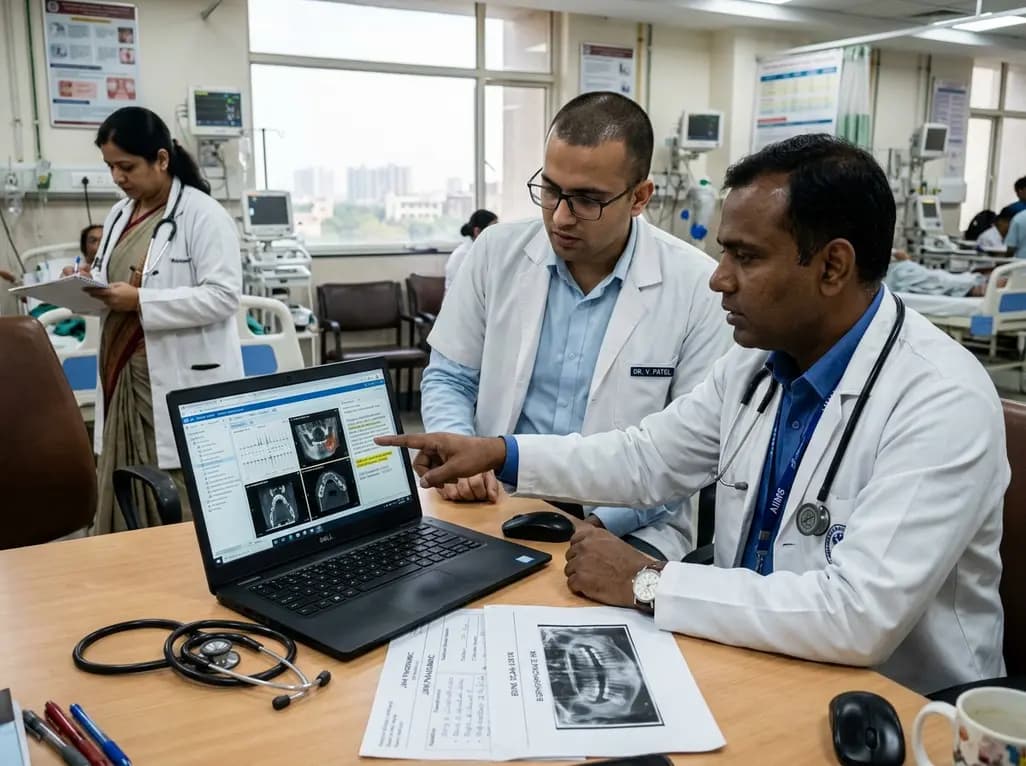
A breakthrough study leverages natural language processing to accurately identify incident medication-related osteonecrosis of the jaw and track antiresorptive drug holidays from clinical narratives in electronic health records, advancing osteoporosis pharmacovigilance and dental safety.
Today

Recent research defines ferro-aging as a conserved iron-lipid axis driving organ decline across primates. Age-related iron dyshomeostasis stimulates ACSL4-mediated lipid peroxidation, promoting cellular senescence. Notably, vitamin C directly inhibits ACSL4, suppressing phospholipid oxidation and multi-organ decay.
Today
