.webp&w=384&q=75)

Loading, please wait...
Loading, please wait...
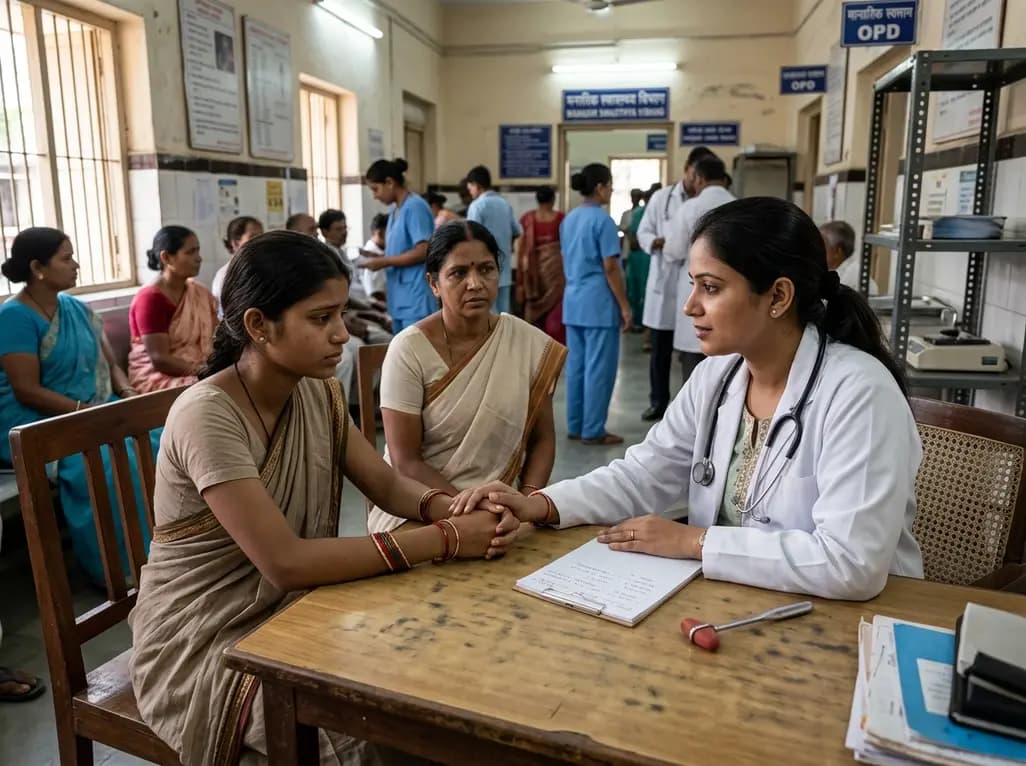
Child marriage remains an urgent public health and human rights crisis across many developing communities. While historical research focused predominantly on obstetric risks and reproductive complications, emerging evidence highlights profound psychological sequelae. A recent community investigation provides crucial data regarding the relationship between early marriage and depression. This cross-sectional study evaluated four hundred and two married individuals in Malekan County. Investigators reviewed family physicians' electronic health records and conducted structured face-to-face diagnostic interviews. Consequently, the research clarifies how premature union shapes psychiatric vulnerability in community populations. Primary care physicians and mental health specialists must understand these patterns to facilitate timely screening. Therefore, clinical teams must examine the underlying sociodemographic drivers and psychiatric morbidity associated with adolescent unions.
The cross-sectional findings demonstrate a striking prevalence of child unions within the surveyed population. Specifically, twenty-one point six percent of all participants married before eighteen years of age. However, the data revealed profound gender imbalances across the cohort. Female respondents demonstrated a marital prevalence of twenty-six point five percent, compared to thirteen point four percent among male participants. Thus, adolescent girls faced twice the likelihood of entering early unions relative to their male peers. Multiple regression analysis confirmed female sex as an independent predictor of minor marriage, displaying an adjusted odds ratio of one point five eight. These findings mirror epidemiological patterns observed across South Asia, where rigid patriarchal structures disproportionately disadvantage adolescent girls. Moreover, juvenile marriage abruptly truncates formal schooling, peer interaction, and emotional growth. When girls enter marital responsibilities prematurely, domestic isolation quickly replaces supportive social networks. As a result, young women experience severe chronic psychological distress. Consequently, clinicians must recognize that gender disparities actively intensify vulnerability to adverse psychiatric outcomes in community practice.
The investigation identified several structural variables that perpetuate juvenile unions. Foremost among these determinants was parental educational attainment. Specifically, individuals whose parents possessed low educational levels faced a five-fold higher risk of child marriage, yielding an adjusted odds ratio of five point five three. Similarly, a participant's own low educational level increased early marriage odds more than fourfold, with an adjusted odds ratio of four point two seven. Furthermore, low household income substantially heightened vulnerability, presenting an adjusted odds ratio of two point seven four. Economic precarity frequently forces impoverished families to view early marriage as an essential financial coping strategy. In addition, occupational status played a significant role, as homemakers exhibited an adjusted odds ratio of one point seven one for child marriage. These social determinants create an enduring cycle of educational deprivation and socio-economic disempowerment. Consequently, early marriage becomes an enforced survival mechanism rather than an autonomous decision. Healthcare providers must therefore address these systemic inequities when evaluating adolescent mental health.
The most clinically compelling finding centers on the significant association between early marriage and depression. After adjusting for potential confounding factors, early marriage elevated the risk of depressive symptoms by sixty percent, with an adjusted odds ratio of one point six zero. Nearly sixty percent of individuals married before eighteen exhibited depressive symptoms, compared to forty-six point four percent among adult-married counterparts. Therefore, adolescent matrimony serves as a durable clinical marker for ongoing emotional morbidity. Primary care clinicians must recognize that depressive illness often manifests atypically in young spouses. Specifically, patients frequently present with vague somatic complaints, chronic tension headaches, or unexplained gastrointestinal discomfort. Furthermore, pervasive cultural stigma prevents adolescent brides from discussing emotional distress openly. Consequently, standard medical consultations frequently overlook underlying affective disorders. Routine implementation of validated assessment tools like the Patient Health Questionnaire helps clinicians identify concealed mood disturbances. Thus, proactive mental health screening prevents prolonged suffering and reduces long-term psychiatric morbidity among vulnerable young women.
Multiple compounding mechanisms explain why underage marriage fosters intense affective vulnerability. First, neurobiological systems undergo dynamic remodeling throughout adolescence, especially within neural networks governing emotional regulation and stress processing. Consequently, premature exposure to intense marital stressors severely disrupts normal neuroendocrine maturation. Furthermore, adolescent wives frequently encounter coercive sexual initiation, domestic violence, and unplanned adolescent pregnancies. Early childbearing places profound physiological strain upon immature bodies, heightening perinatal psychiatric risk. In addition, early marriage severs crucial peer friendships and detaches young women from educational support systems. Young brides usually forfeit personal autonomy, entering domestic settings where extended family members dictate daily routines. This profound loss of agency cultivates chronic feelings of powerlessness and learned helplessness. Consequently, sustained psychological distress precipitates severe depressive episodes. Moreover, economic dependency restricts a young woman's ability to escape abusive households or access mental healthcare. Clinicians must recognize these intricate bio-psychosocial pathways to provide empathetic, trauma-informed clinical care.
Mitigating the psychological burden of child marriage demands decisive clinical and public health interventions. Primary care providers occupy an ideal frontline position to detect psychiatric distress among adolescent brides. Therefore, community healthcare centers should establish adolescent-friendly health services that integrate reproductive medicine with regular psychiatric screening. Furthermore, medical practitioners must create safe, non-judgmental environments where young women can discuss marital strain and domestic abuse confidentially. In addition, interdisciplinary collaboration between family physicians, obstetricians, and psychiatrists ensures comprehensive clinical care. Beyond clinical settings, healthcare professionals must advocate for legal enforcement and community educational programs that eliminate child marriage. Evidence demonstrates that retaining girls in secondary education represents the most reliable protective factor against adolescent unions. Similarly, community-level health education can shift restrictive cultural norms regarding female empowerment. When healthcare systems actively validate the voices of affected individuals, preventive outcomes improve significantly. Ultimately, institutional commitment and coordinated community action will safeguard adolescent mental health.
Early marriage exposes adolescents to chronic marital stress, domestic isolation, and abrupt loss of autonomy during sensitive neurodevelopmental stages. Furthermore, early sexual debut, rapid pregnancy, and limited agency trigger profound emotional distress. Consequently, these persistent physiological and environmental pressures significantly increase long-term vulnerability to severe depressive symptoms.
Parental illiteracy and the individual's own low educational attainment serve as the strongest predictors of child marriage. In addition, severe household economic hardship and female gender substantially increase vulnerability. In economically disadvantaged families, early marriage is frequently utilized as a financial coping strategy, prematurely terminating schooling for adolescent girls.
Primary healthcare providers should incorporate validated screening tools, such as the Patient Health Questionnaire, into routine reproductive and general health visits. Clinicians must recognize that depression often manifests as non-specific somatic complaints. Therefore, conducting private, compassionate clinical interviews is essential for uncovering masked psychological distress in young spouses.
Disclaimer: This content is for informational and educational purposes only. It is not intended to be a substitute for professional medical advice, diagnosis, or treatment. Always seek the advice of your physician or another qualified healthcare provider with any questions you may have regarding a medical condition. Never disregard professional medical advice or delay in seeking it because of something you have read here. Refer to the latest local and national guidelines for clinical practice.
References

Read summarized clinical updates, watch expert medical content, and earn CME certifications right from your smartphone.
Open your smartphone camera to scan and install.





A community-based study reveals that early marriage increases the risk of depressive symptoms by 60%, with low parental education, poverty, and female gender identified as major risk factors. Healthcare teams must prioritize mental health screening to address psychiatric vulnerabilities in adolescent brides.
last month

Review how tailored exercise programs benefit frail older patients with heart failure. Explore pathophysiological mechanisms, individualized training prescriptions, and strategies to overcome adherence barriers in clinical practice.
Today

Leucine Rich Bio has introduced South Asia's first comprehensive vaginal microbiome test, BugSpeaks. By profiling microbial dysbiosis, pathogens, and antimicrobial resistance, this next-generation diagnostic platform provides clinicians with deeper insights into recurrent infections, fertility, and reproductive health.
Today

In high-risk pulmonary embolism complicated by severe anemia and active uterine bleeding, systemic thrombolysis is contraindicated. Large-bore aspiration thrombectomy provides rapid hemodynamic rescue without fibrinolysis, supported by inferior vena cava filter placement and multidisciplinary critical care.
Today

This comparative study evaluates posterior labral tears with and without glenohumeral instability, highlighting distinct demographic patterns, MRI underestimation in stable shoulders, and successful arthroscopic repair outcomes.
Today

A clinical study demonstrates that early intervention with tocilizumab, either as monotherapy or bridged with corticosteroids, achieves significant proptosis reduction and resolves active inflammation in treatment-naive thyroid eye disease.
Today
