.webp&w=384&q=75)

Loading, please wait...
Loading, please wait...
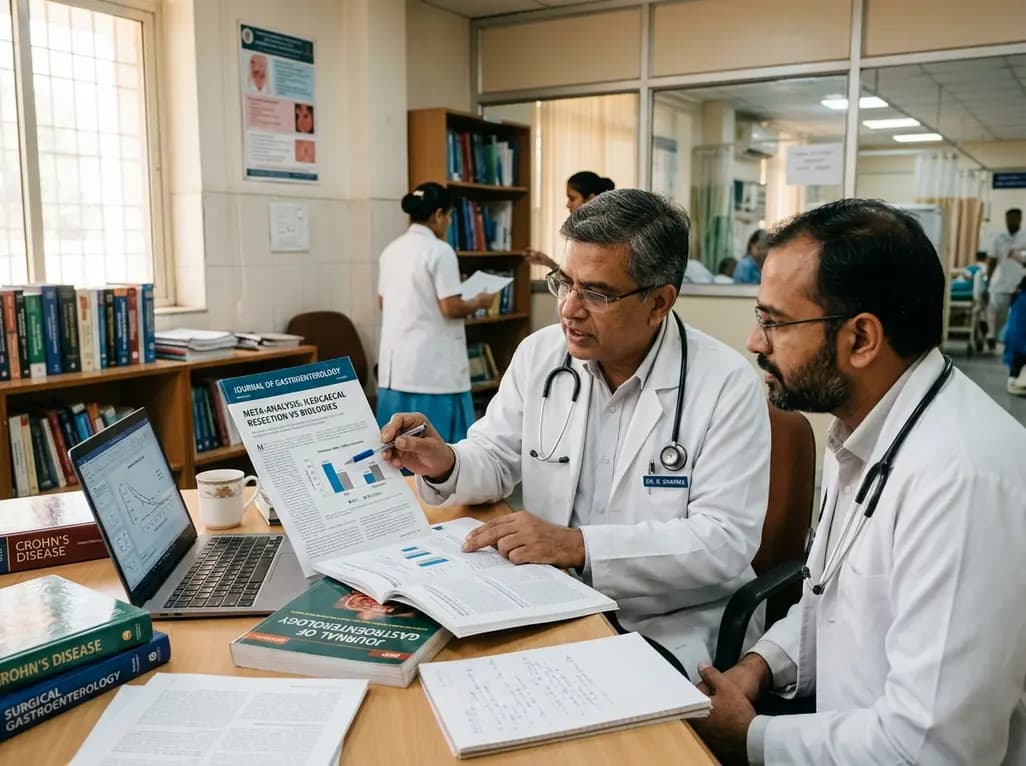
Crohn's disease presents substantial therapeutic challenges, particularly when inflammation remains localized to the terminal ileum. Traditionally, clinicians treat localized ileocaecal Crohn's disease by escalating medical therapies, advancing from corticosteroids and immunomodulators to biologics. However, recent evidence suggests that upfront surgical intervention offers substantial clinical advantages. A comprehensive meta-analysis highlights that early ileocaecal resection serves as a highly effective, safe alternative to biological therapy in selected adult patients. Consequently, gastroenterologists and colorectal surgeons are re-evaluating long-standing treatment algorithms. Instead of reserving surgery solely as a last resort for intractable strictures or fistulas, early surgical intervention now represents an active primary strategy. This modern approach aims to achieve rapid endoscopic remission, reduce long-term medication dependency, and enhance patient quality of life.
Historically, medical management and surgery occupied opposite ends of the Crohn's disease treatment continuum. Surgeons were consulted primarily when patients developed acute complications, such as high-grade mechanical obstruction, intra-abdominal abscesses, or chronic non-healing fistulae. However, this reactionary approach often led to emergency procedures under suboptimal conditions, including active systemic sepsis or severe malnutrition. Furthermore, prolonged exposure to high-dose immunosuppressive agents frequently increased perioperative complications. In contrast, elective early ileocaecal resection removes the primary diseased intestinal segment before extensive transmural fibrosis and tissue destruction occur. Evidence from multiple clinical trials and observational cohorts indicates that early resection produces immediate macroscopic clearance of localized disease. Moreover, removing the isolated inflammatory epicenter significantly delays clinical recurrence. In addition, recent advancements in minimally invasive laparoscopic techniques have reduced hospital stays, postoperative pain, and cosmetic concerns. Therefore, early resection is no longer viewed as a therapeutic failure but as a proactive, disease-modifying intervention.
Comparative systematic reviews and meta-analyses show that early surgery yields clinical remission rates that equal or surpass continuous biological therapy. When investigators evaluated patients over long-term follow-up intervals, individuals undergoing surgical resection maintained high rates of steroid-free remission without needing immediate biologics. In fact, long-term data from pivotal trials show that nearly half of all surgical patients remain free of biologic therapy for up to five years postoperatively. Additionally, quality-of-life assessments demonstrate significant improvements in physical functioning, social engagement, and emotional well-being following primary resection. Because surgery removes the localized fibrostenotic or severely inflamed tissue completely, patients experience rapid symptom relief from chronic pain and obstructive discomfort. Conversely, medical therapy with monoclonal antibodies often requires several weeks to achieve therapeutic drug levels and clinical response. Furthermore, biological agents carry a persistent risk of secondary loss of response over time due to immunogenicity or pharmacokinetic failure. Thus, upfront surgery provides durable, immediate symptomatic and endoscopic relief for isolated terminal ileitis.
Safety remains a central consideration when comparing surgical resection with long-term biological therapy for localized Crohn's disease. Many clinicians historically feared that surgery would lead to short-bowel syndrome, permanent bowel dysfunction, or high anastomotic leak rates. However, modern meta-analyses indicate that localized laparoscopic resection preserves intestinal length, with minimal impact on long-term nutritional absorption. Postoperative anastomotic leak rates and wound infections remain very low in specialized centers when procedures are performed electively. Furthermore, surgical intervention eliminates the systemic adverse risks linked with long-term biologic immunosuppression. Continuous biological therapy carries potential risks of opportunistic infections, paradoxical inflammatory reactions, and rare malignancies. In contrast, elective resection requires only a single perioperative recovery period, after which patients may remain unmedicated under careful endoscopic surveillance. Consequently, when clinicians weigh the risks of surgical complications against years of continuous systemic immunosuppression, early resection demonstrates an exceptionally favorable overall safety profile.
The financial burden of chronic inflammatory bowel disease represents a critical challenge for healthcare systems and patients globally. Biological therapies, including anti-TNF agents, anti-integrins, and interleukin inhibitors, involve substantial ongoing medication expenditures. Additionally, biological regimens require routine clinical monitoring, therapeutic drug monitoring, intravenous infusions, and regular laboratory evaluations. In contrast, elective laparoscopic ileocaecal resection involves a single upfront procedural cost followed by structured surveillance. Health economic modeling and meta-analyses reveal that early resection is cost-effective compared to maintenance biological therapy, particularly over medium- to long-term horizons. By avoiding or significantly delaying the initiation of expensive biologics, patients and healthcare providers achieve substantial cost savings. Furthermore, early surgical intervention markedly reduces the frequency of emergency room visits, unplanned hospitalizations, and productivity losses associated with chronic refractory disease flares. Therefore, implementing early resection delivers both clinical and financial advantages in resource-conscious healthcare environments.
Optimal patient selection is paramount to achieving successful outcomes with primary surgical intervention in Crohn's disease. Clinicians should reserve early ileocaecal resection specifically for patients with localized disease limited to the terminal ileum. Typically, ideal candidates exhibit localized disease measuring less than 30 to 40 centimeters in length without active, extensive colonic or upper gastrointestinal involvement. Moreover, patients presenting with predominantly fibrostenotic strictures respond exceptionally well to resection, as medical therapies cannot reverse established structural fibrosis. Thorough preoperative assessment using magnetic resonance enterography or computed tomography enterography allows accurate delineation of the disease extent. Multidisciplinary collaboration between gastroenterologists, colorectal surgeons, and clinical nutritionists ensures appropriate perioperative optimization. Ultimately, shared decision-making is essential; clinicians must discuss the relative benefits, lifestyle impacts, and expectations of both surgical and biological pathways openly with each patient.
Early ileocaecal resection achieves comparable clinical remission rates to biological therapies while providing immediate symptom relief. Systematic reviews demonstrate that early surgical resection offers durable steroid-free remission, with nearly half of patients avoiding biologics for up to five years. Furthermore, surgical intervention avoids long-term immunosuppression risks, provides cost-effective disease control, and significantly improves patient quality of life when performed for localized terminal ileal disease.
The best candidates for early resection are adult patients with localized, non-stricturing or fibrostenotic Crohn's disease confined to the terminal ileum, measuring under forty centimeters. Patients experiencing primary non-response or intolerance to standard induction therapies, or those with symptomatic fibrostenotic strictures that cannot resolve with medication, derive the greatest clinical benefit. Preoperative imaging must confirm the absence of widespread multifocal intestinal or active perianal disease.
Following surgical resection, patients require structured postoperative endoscopic surveillance, typically scheduled between six and twelve months after surgery. Clinicians evaluate the neoterminal ileum and anastomosis using the Rutgeerts score to detect early endoscopic recurrence. If mucosal inflammation recurs, clinicians can initiate proactive prophylactic medical therapy promptly. In contrast, patients with normal mucosal findings can remain unmedicated under continued clinical and non-invasive biomarker monitoring.
Disclaimer: This content is for informational and educational purposes only. It is not intended to provide medical advice or substitute for professional judgment. Healthcare professionals must evaluate individual clinical circumstances before determining management strategies. Refer to the latest local and national guidelines for clinical practice.
References

Read summarized clinical updates, watch expert medical content, and earn CME certifications right from your smartphone.
Open your smartphone camera to scan and install.





A systematic review and meta-analysis compares early ileocaecal resection with biologic therapy for localized Crohn's disease, highlighting comparable long-term remission, reduced drug dependency, and favorable safety outcomes.
4 weeks back

This clinical review examines the dangerous intersection of climate change and antimicrobial resistance (AMR). It highlights thermal selection, altered transmission pathways, and the imperative for One Health and Planetary Health adaptation frameworks to preserve therapeutic efficacy.
Today
Discover the crucial distinctions between mesonephric and mesonephric-like proliferations of the female genital tract. Learn the key histomorphologic, immunohistochemical, and molecular differences essential for accurate diagnosis and clinical management.
Today
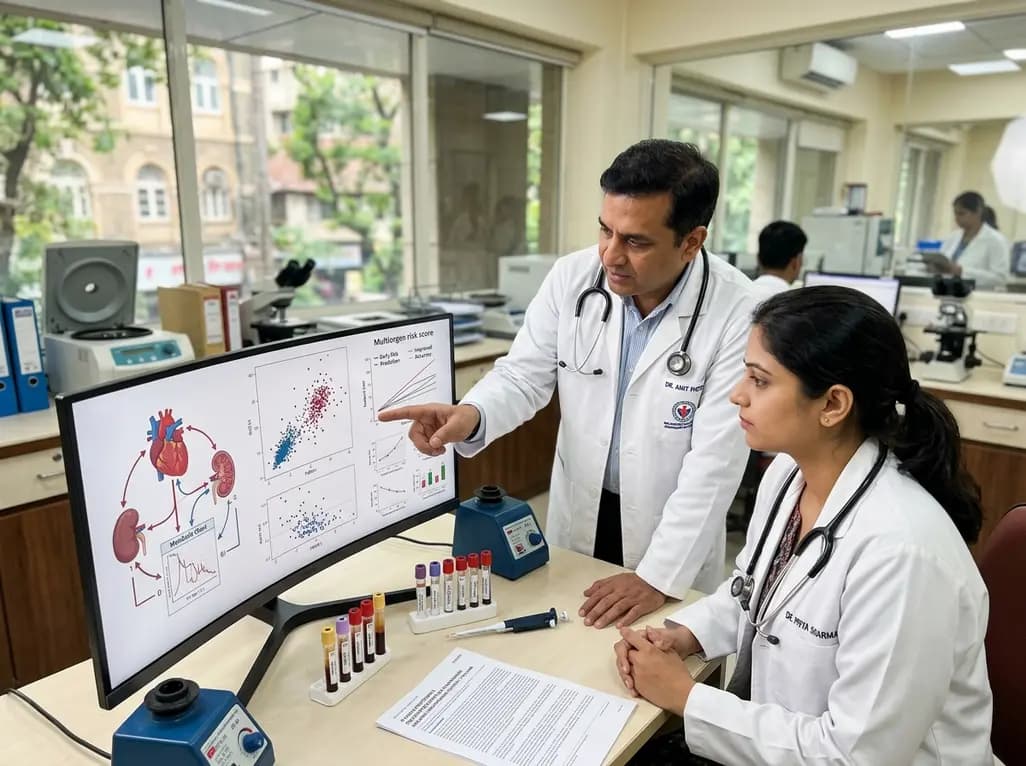
A large UK Biobank study reveals that plasma proteomic signatures capture preclinical organ damage and improve multiorgan risk prediction across early CKM syndrome stages 0 to 2 beyond traditional PREVENT clinical models.
Today
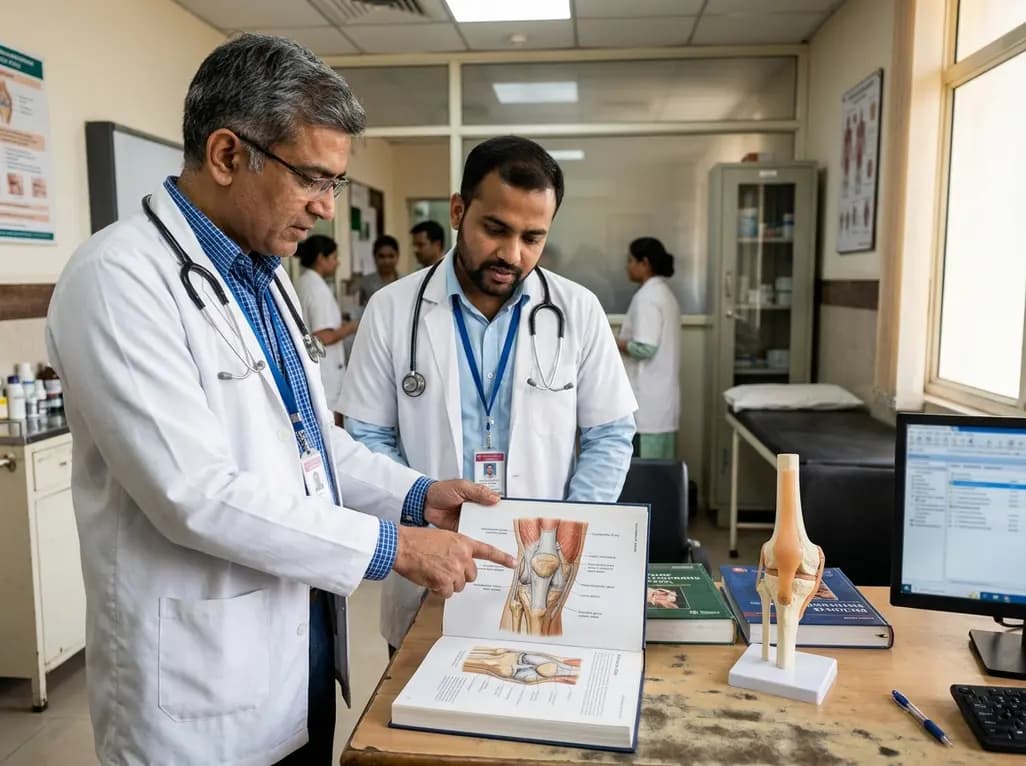
A narrative review investigates whether the articularis genus muscle functions as an independent anatomical entity or blends with the vastus intermedius. We evaluate its morphology, role in retracting the suprapatellar bursa, and direct clinical significance in anterior knee pain and arthroplasty.
Today

A Bayesian multilevel meta-analysis reveals that aerobic training combined with moderate carbohydrate restriction modestly lowers HbA1c in type 2 diabetes. However, sparse data and very low certainty leave incremental benefits over exercise or diet alone unproven, highlighting the need for individualized care.
Today
