.webp&w=384&q=75)

Loading, please wait...
Loading, please wait...

The management of newly diagnosed multiple myeloma (NDMM) has witnessed a significant evolution over the past decade. For many years, the triplet regimen consisting of bortezomib, lenalidomide, and dexamethasone (VRd) served as the cornerstone of therapy for transplant-eligible (TE) patients. However, recent clinical advancements have introduced quadruplet therapies that integrate monoclonal antibodies into the frontline setting. Specifically, using DVRd for Multiple Myeloma has emerged as a superior strategy compared to the traditional triplet approach. This shift is primarily driven by the need to achieve deeper, more durable responses before proceeding to autologous stem cell transplantation (ASCT). In India, where the burden of hematological malignancies is substantial, understanding these therapeutic transitions is essential for optimizing patient outcomes. Consequently, clinicians are increasingly evaluating real-world data to bridge the gap between controlled clinical trials and daily practice. This article explores the comparative effectiveness of these regimens, focusing on progression-free survival (PFS) in real-world cohorts. By analyzing how these therapies perform outside of strict trial parameters, we can better understand their true clinical impact. Furthermore, the integration of daratumumab into the VRd backbone represents a significant step toward personalized and intensive induction therapy.
The biological rationale for adding daratumumab to the VRd regimen lies in its multi-faceted mechanism of action. Daratumumab is a human IgG1κ monoclonal antibody that targets the CD38 protein, which is highly expressed on the surface of multiple myeloma cells. Beyond direct cell lysis through antibody-dependent cellular cytotoxicity and complement-dependent cytotoxicity, daratumumab also modulates the immune microenvironment. It eliminates CD38-positive regulatory T cells, thereby enhancing the patient's own anti-tumor immune response. When combined with the proteasome inhibitor bortezomib and the immunomodulatory drug lenalidomide, the synergy is profound. This combination targets the myeloma cell from multiple angles, reducing the likelihood of clonal escape and resistance. Moreover, the addition of daratumumab does not significantly overlap in toxicity with the VRd components, making it a manageable option for many patients. In addition to improving response rates, this quadruplet induction aims to maximize minimal residual disease (MRD) negativity. Clinicians prioritize MRD negativity because it serves as a powerful predictor of long-term survival. Therefore, the transition from VRd to DVRd is not merely an incremental change but a fundamental improvement in the depth of initial treatment. Consequently, the standard of care is rapidly moving toward this more intensive induction phase.
While pivotal trials like GRIFFIN and PERSEUS provided the initial evidence for DVRd, real-world studies are crucial for confirming these findings in diverse patient populations. A recent retrospective chart review conducted across 10 sites in the United States examined adult TE patients with NDMM. These patients initiated either DVRd followed by daratumumab-lenalidomide (DR) or lenalidomide (R) maintenance, or they received VRd followed by R maintenance. Specifically, the study identified 137 patients in the DVRd group and 86 in the VRd group between 2020 and 2022. Researchers focused on progression-free survival as the primary endpoint to determine which regimen offered better long-term control. Notably, the median follow-up periods were 26.7 months for the DVRd group and 39.8 months for the VRd group. This difference in follow-up reflects the more recent adoption of the quadruplet regimen in clinical practice. To ensure a fair comparison, the investigators utilized propensity score-weighted hazard ratios to account for baseline differences between the cohorts. This statistical rigor helps mitigate the biases often inherent in retrospective observations. As a result, the study provides a robust look at how DVRd for Multiple Myeloma performs when administered in routine clinical settings rather than highly controlled trial environments.
The results of the real-world analysis were striking and highly supportive of the quadruplet approach. Among the patients treated with DVRd-DR/R, only 9.1% experienced disease progression or death during the follow-up period. In contrast, 29.7% of patients in the VRd-R cohort faced these negative outcomes. Although the median PFS was not reached in either group due to the high efficacy of both treatments, the hazard ratio clearly favored the quadruplet. Specifically, the use of DVRd was associated with a 63% lower risk of disease progression or death compared to VRd. This finding was statistically significant, with a weighted hazard ratio of 0.37 and a p-value of 0.006. Such a substantial reduction in risk highlights the clinical superiority of adding daratumumab to the frontline induction and maintenance phases. Additionally, the study confirms that the benefits seen in phase 2 and phase 3 trials translate effectively into real-world geriatric and diverse patient populations. Furthermore, the high rates of response seen with DVRd suggest that patients are entering transplantation with a lower disease burden. This improvement in induction efficacy likely contributes to the sustained PFS observed in the data. Consequently, these findings reinforce the recommendation for DVRd as the preferred frontline choice for eligible patients.
Applying these global findings to the Indian context requires a careful consideration of accessibility and healthcare infrastructure. While DVRd for Multiple Myeloma shows clear clinical superiority, the cost of daratumumab remains a significant factor for many patients in India. However, the introduction of subcutaneous formulations of daratumumab has improved the ease of administration and reduced the burden on infusion centers. Furthermore, the potential for longer progression-free intervals may offset some of the initial treatment costs by delaying the need for expensive second and third-line therapies. Clinicians must balance the goal of achieving deep responses with the practicalities of long-term maintenance. In many Indian centers, VRd remains a high-quality option when quadruplets are not feasible. Nevertheless, as daratumumab becomes more widely available and biosimilars or patient assistance programs emerge, the shift toward DVRd is expected to accelerate. It is also vital to monitor patients for unique toxicities associated with quadruplets, such as increased respiratory infections. Therefore, proactive supportive care and vaccination strategies are essential components of the treatment plan. Ultimately, the goal is to provide the most effective induction therapy possible to ensure the best long-term prognosis for patients undergoing stem cell transplantation.
The study also highlights the importance of the maintenance phase in sustaining the benefits achieved during induction. Patients in the DVRd group often transitioned to DR maintenance, which provides continuous anti-CD38 pressure alongside lenalidomide. This dual-maintenance strategy may be key to preventing early relapse and managing high-risk disease features. Future research will likely focus on whether maintenance therapy can be de-escalated in patients who achieve sustained MRD negativity. Currently, the trend is toward keeping patients on the most effective tolerated therapy until progression. Moreover, as the treatment landscape for relapsed myeloma expands to include CAR-T cells and bispecific antibodies, the role of frontline quadruplets becomes even more critical. By using the most effective tools first, we aim to extend the first remission for as long as possible. In conclusion, the real-world evidence strongly supports the use of DVRd for multiple myeloma as a standard for transplant-eligible individuals. Clinicians should continue to integrate these findings into their practice while tailoring treatment to the individual patient's fitness and goals. The significant PFS benefit observed suggests that we are entering an era where long-term survival in myeloma is an increasingly realistic objective for many.
While DVRd is more intensive, its safety profile is generally manageable and comparable to VRd. The most common additions to the side effect profile include infusion-related reactions (with IV daratumumab) and a slightly higher incidence of neutropenia and respiratory tract infections. Most patients tolerate the quadruplet well, especially when using the subcutaneous formulation of daratumumab, which significantly reduces administration time and reaction risks compared to the intravenous route.
Clinical guidelines increasingly favor DVRd as the preferred induction therapy due to superior progression-free survival. However, in the Indian context, the decision often depends on the patient's financial resources and access to specialized care. While VRd remains an excellent and effective triplet regimen, DVRd should be considered the gold standard for those who can access it, as it offers a 63% lower risk of disease progression according to recent real-world data.
Maintenance therapy is critical for sustaining the deep responses achieved during induction. In the study, patients receiving DVRd often continued with daratumumab and lenalidomide (DR) maintenance. This approach provides ongoing immune modulation and proteasome inhibition, which is particularly beneficial for high-risk patients. Transitioning to a robust maintenance phase ensures that the gains made during the intensive induction and transplant phases are preserved, leading to longer progression-free survival and better outcomes.
Disclaimer: This content is for informational and educational purposes only. It is not intended as a substitute for professional medical advice, diagnosis, or treatment. Always seek the advice of your physician or other qualified health provider with any questions you may have regarding a medical condition. Refer to the latest local and national guidelines for clinical practice.
References
Tan CR et al. Effectiveness of daratumumab plus bortezomib, lenalidomide, and dexamethasone (DVRd) versus VRd for transplant-eligible newly diagnosed multiple myeloma. Future Oncol. 2026 Jul 14. doi: 10.1080/14796694.2026.2698699. PMID: 42444515.
Voorhees PM et al. Daratumumab, lenalidomide, bortezomib, and dexamethasone for transplant-eligible newly diagnosed multiple myeloma: the GRIFFIN trial. Blood. 2020;136(8):936-945.
Sonneveld P et al. Daratumumab, bortezomib, lenalidomide, and dexamethasone for multiple myeloma (PERSEUS). N Engl J Med. 2024;390(6):481-493.

Read summarized clinical updates, watch expert medical content, and earn CME certifications right from your smartphone.
Open your smartphone camera to scan and install.





A recent real-world study demonstrates that adding daratumumab to the VRd regimen (DVRd) significantly improves progression-free survival in transplant-eligible patients with newly diagnosed multiple myeloma, showing a 63% lower risk of progression or death compared to the standard VRd triplet.
3 months ago
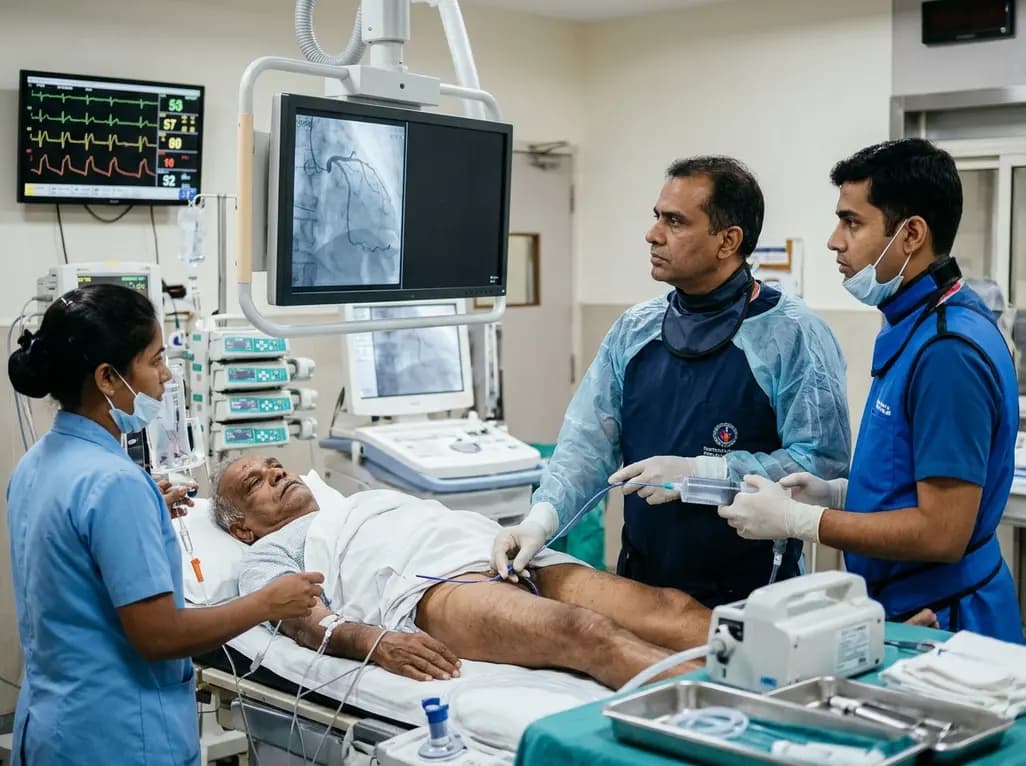
An elderly man with partially repaired Tetralogy of Fallot presented with STEMI caused by coronary embolism rather than atherosclerosis. Successful treatment with sustained mechanical aspiration thrombectomy underscores the vital need for high clinical vigilance in adult congenital heart disease.
Today
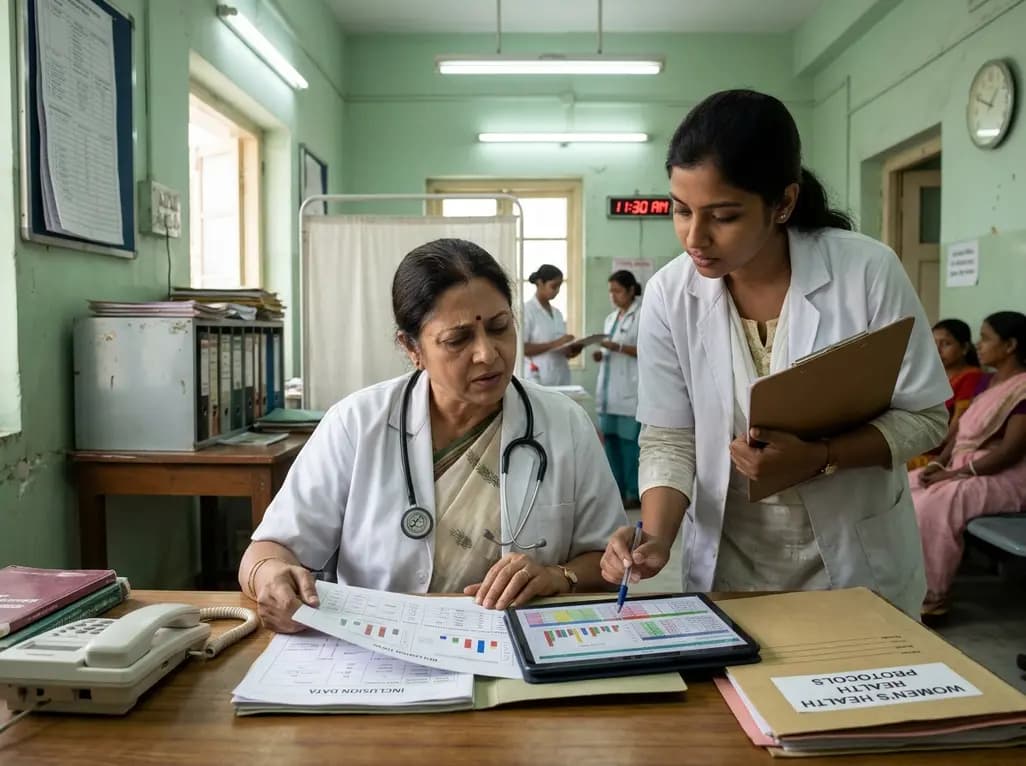
Demanding exhaustive hormonal profiling can inadvertently discourage clinical studies involving females. Methodological standards must align with the specific scientific question to expand, not restrict, equitable evidence for women.
Today

A recent study demonstrates that spinal oxygen sensors do not require mitochondrial electron transport to trigger sympathetic excitation during acute hypoxia, revealing new insights into how mitochondrial oxidative stress modulates autonomic tone in cardiovascular and neurological diseases.
Today

A novel calcium polyphosphate coacervate enables injectable bone implants with in situ hierarchical porosity via phase separation and gas foaming, significantly enhancing cell proliferation, energy metabolism, and osteogenic differentiation for minimally invasive bone defect repair.
Today

Following regulatory scrutiny from FSSAI regarding promotional representations and lean muscle preservation claims, Dr. Reddy's Laboratories and Nestlé Health Science are currently reviewing the branding and marketing strategy for their joint nutritional supplement Celevida GLP+.
Today
