.webp&w=384&q=75)

Loading, please wait...
Loading, please wait...

Cochlear implantation provides effective auditory rehabilitation for severe to profound sensorineural hearing loss. However, acute insertion trauma frequently triggers intracochlear inflammation and subsequent fibrosis. These adverse biological events damage delicate hair cells and compromise residual low-frequency hearing. To overcome these persistent obstacles, bioengineers designed a novel drug-loaded parylene electrode. This advanced microfabricated platform provides targeted dexamethasone elution directly into the inner ear. Consequently, it attenuates tissue inflammation while preserving vital acoustic function.
Modern otologic surgery increasingly prioritizes the preservation of functional acoustic hearing alongside electrical stimulation. When surgeons insert standard electrode arrays, friction against delicate cochlear structures triggers an immediate foreign-body reaction. This acute inflammatory response recruits leukocytes, increases pro-inflammatory cytokines, and stimulates fibrotic tissue formation. Furthermore, progressive fibrosis elevates electrical impedance at the electrode-neural interface. As a result, the implant consumes more power while delivering suboptimal neural stimulation.
Conventional silicone elastomer carriers lack porous reservoirs suitable for controlled pharmacological delivery. Although systemic corticosteroids mitigate perioperative inflammation, they fail to achieve consistent perilymph therapeutic concentrations. Moreover, systemic steroid therapies introduce undesirable metabolic side effects. Direct intracochlear delivery represents a superior clinical paradigm. Therefore, designing next-generation electrode arrays using flexible, biocompatible polymeric substrates has become an urgent clinical priority. By refining micro-topography and introducing porous drug reservoirs, researchers can protect residual spiral ganglion neurons. Ultimately, these structural refinements support superior speech discrimination and improved patient outcomes.
Fabrication of the drug-loaded parylene electrode leverages advanced vapor-phase sublimation and deposition techniques. Unlike conventional silicone moulding, vapor deposition produces an ultra-thin, highly compliant polymer film. Parylene-C demonstrates exceptional biocompatibility, chemical inertness, and mechanical flexibility. During fabrication, engineers construct a three-dimensional interconnected microporous structure with uniform pore diameters of 20 to 30 micrometers. This specific pore geometry maximizes drug storage while maintaining mechanical stability during insertion.
Additionally, this interconnected micro-architecture serves as an expansive reservoir for therapeutic agents. Engineers successfully incorporated dexamethasone into the porous parylene matrix without compromising substrate flexibility. The resulting prototype retains the compliance required for atraumatic navigation through the round window membrane. In contrast to rigid designs, the parylene matrix exerts minimal lateral wall pressure. Consequently, surgeons can perform delicate insertions with reduced risk of basilar membrane disruption. High-resolution micro-computed tomography confirms precise anatomical placement within animal cochleae. Thus, microfabrication techniques successfully combine mechanical safety with targeted pharmacological delivery.
Achieving consistent, long-term pharmacological elution in the perilymph remains a fundamental hurdle in inner ear medicine. Standard direct liquid injections clear through the cochlear aqueduct within hours. Fortunately, in vitro characterization using enzyme-linked immunosorbent assay and spectrophotometry confirms that the porous parylene electrode exhibits controlled first-order release kinetics. The dexamethasone formulation diffuses steadily from the microporous channels over several weeks, establishing stable drug concentrations.
Moreover, this continuous elution pattern prevents the initial drug toxicity associated with high burst releases. It simultaneously avoids sub-therapeutic trough concentrations that permit secondary fibrotic deposition. Because the parylene pores regulate fluid diffusion, the local perilymph receives a therapeutic dose without systemic dilution. In addition, sustained dexamethasone presence suppresses cellular stress signals immediately at the injury site. Consequently, the local microenvironment remains biologically favorable for surrounding sensory tissues. This pharmacokinetic profile provides superior anti-inflammatory coverage during the critical perioperative window. Therefore, the device solves the pharmacokinetic barriers that historically limited local inner ear pharmacotherapy.
Preclinical evaluation in guinea pig models demonstrates compelling functional benefits following microsurgical implantation. Researchers assessed auditory brainstem response thresholds across multiple frequencies at baseline, one week, and four weeks postoperatively. Animals receiving the dexamethasone-loaded parylene electrode demonstrated significantly lower auditory threshold shifts compared with subjects receiving non-loaded blank controls. Specifically, the drug-eluting cohort exhibited substantial hearing preservation across both mid-range and low frequencies.
Furthermore, statistical analysis confirmed that this functional auditory superiority persisted throughout the entire experimental timeframe. In control animals, mechanical trauma caused progressive auditory threshold deterioration over four weeks. Conversely, animals treated with the dexamethasone-eluting electrode maintained stable electrophysiological responses, indicating robust hair cell survival. Micro-CT imaging validated accurate intracochlear trajectory without structural dislocation. Therefore, these electrophysiological findings confirm that continuous steroid delivery actively mitigates insertion-induced sensorineural injury. By preventing the acute loss of residual acoustic sensitivity, the device establishes an essential foundation for successful electro-acoustic stimulation.
Histological examination of explanted cochlear specimens provides profound insights into cellular-level protection. In control groups, untreated electrode insertion triggered dense leukocyte recruitment, marked tissue granulation, and exuberant fibrous deposition around the electrode track. In contrast, cochlear sections from the drug-loaded cohort revealed a dramatic reduction in inflammatory cell infiltration. Specifically, local expression of pro-inflammatory cytokines, including TNF-alpha and IL-1 beta, dropped significantly.
Additionally, the surrounding spiral ganglion neurons showed preserved morphological integrity and higher survival densities. The reduction in extracellular matrix collagen deposition directly prevented dense sheath formation around the array. Consequently, this suppression of intracochlear fibrosis preserves the natural perilymphatic fluid volume and prevents osteoneogenesis. Minimizing tissue impedance across the scala tympani ensures optimal current flow between electrode contacts and auditory nerve endings. Histopathologists also confirmed that parylene material induced no foreign-body granulomas. Thus, the device successfully pairs pristine biomaterial safety with potent histological protection against surgical trauma.
The development of multifunctional drug-eluting electrodes represents a major paradigm shift for otolaryngologists and skull-base surgeons. Currently, an expanding proportion of candidates for cochlear implantation possess functional low-frequency hearing. Preserving this residual natural hearing is critical for music appreciation, voice timbre recognition, and noise-masked speech comprehension. Consequently, implementing drug-loaded parylene arrays into clinical practice could dramatically improve patient satisfaction and audiological outcomes.
Furthermore, the technology may significantly decrease postoperative electrode impedance fluctuations, optimizing device battery life and processor programming stability. Otolaryngologists in tertiary referral centers could expand implantation criteria to broader patient cohorts previously considered marginal candidates. Moreover, this adaptable porous platform could deliver neurotrophins, anti-apoptotic agents, or gene therapies alongside classic anti-inflammatory steroids. As clinical trials advance toward regulatory translation, bioengineered parylene arrays promise to establish new benchmarks for atraumatic surgery. Ultimately, this approach bridges the historic divide between active pharmacotherapy and permanent bioelectronic neural prosthetics.
Conventional cochlear implants utilize solid silicone elastomer carriers that cannot store significant drug reservoirs. In contrast, the porous parylene electrode features a micro-engineered polymeric matrix containing interconnected 20 to 30 micrometer pores. This specialized architecture provides excellent mechanical flexibility, reduces lateral insertion pressure, and delivers sustained therapeutic dexamethasone directly into the cochlea, which silicone designs cannot achieve without external pumps.
Electrode insertion inevitably induces acute mechanical friction, micro-trauma, and severe inflammatory cascades within the scala tympani. Systemic corticosteroids often fail to achieve sufficient inner ear concentrations without producing undesirable systemic toxicities. Local dexamethasone delivery directly suppresses pro-inflammatory cytokines, prevents extensive fibrotic tissue growth, protects spiral ganglion neurons, and effectively preserves vulnerable residual low-frequency hearing during critical postoperative phases.
Although preclinical in vivo studies in animal models demonstrate remarkable biosafety and efficacy, translating this technology into human clinical practice requires several regulatory steps. Researchers must conduct prospective human clinical safety trials, evaluate long-term electrical stability, and standardize good manufacturing practices. These essential clinical development phases will validate long-term durability before broad commercial release in routine otology practice.
Disclaimer: This content is for informational and educational purposes only, and should not be taken as medical advice. It is not intended to diagnose, treat, cure, or prevent any medical condition. Readers should always consult a licensed healthcare professional for medical concerns. Medical knowledge is constantly evolving; therefore, information presented may not always reflect current practices. Refer to the latest local and national guidelines for clinical practice.
References

Read summarized clinical updates, watch expert medical content, and earn CME certifications right from your smartphone.
Open your smartphone camera to scan and install.





A novel drug-loaded porous parylene electrode prototype loaded with dexamethasone demonstrates controlled release, reduced intracochlear inflammation, and superior hearing preservation in preclinical cochlear implantation models.
last month

A recent clinical report details an atypical presentation of bilateral proptosis as the primary manifestation of aggressive multiple myeloma. Explore the diagnostic pathway, imaging findings, and critical multidisciplinary management strategies essential for handling extramedullary plasma cell dyscrasias.
Today

Prenatal evaluation of fetal growth restriction requires an integrated diagnostic approach. While chromosomal microarray remains fundamental, exome sequencing offers significant diagnostic yield in isolated and syndromic cases, especially when ultrasound shows skeletal anomalies or normal placental function.
Today
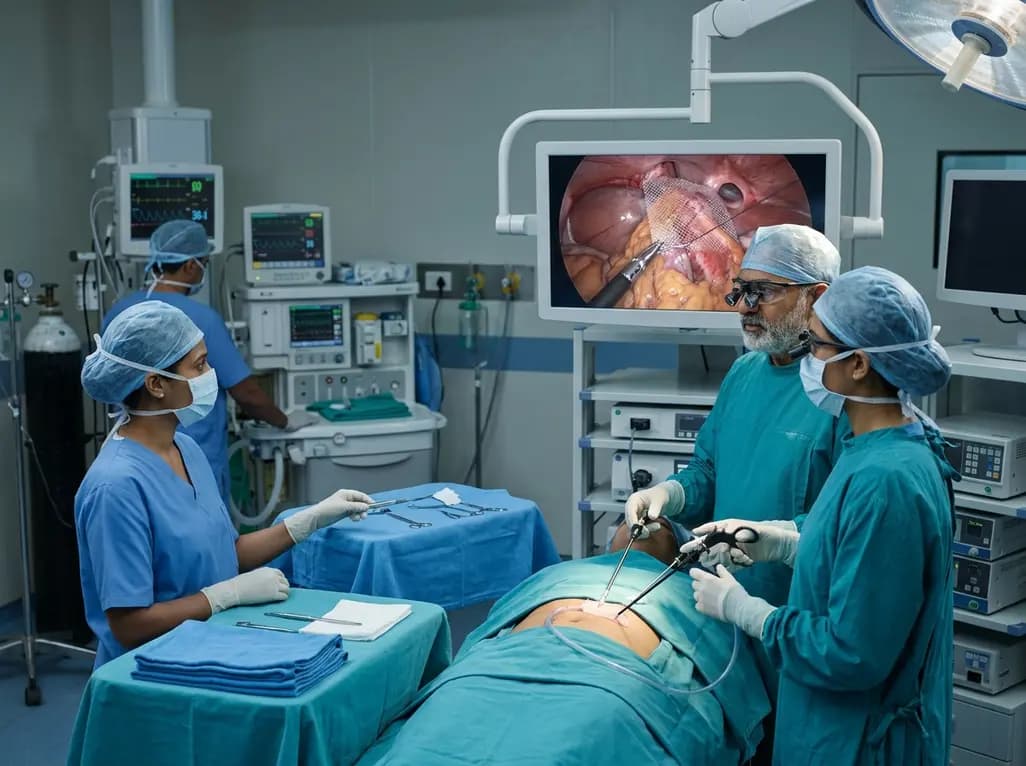
Discover a novel laparoscopic approach for iatrogenic diaphragmatic hernia repair following pedicled omentoplasty. This modified Sugarbaker technique integrates dorsal pedicle lateralization and round ligament reinforcement to secure the diaphragmatic defect while preserving vital omental vascularity.
Today

High-grade trochlear dysplasia disrupts patellofemoral stability. Although the patellotrochlear index measures cartilage overlap on MRI, cartilage contact does not ensure osseous containment. Relying solely on two-dimensional metrics may lead surgeons to overlook necessary tibial tubercle osteotomy procedures.
Today

New research reveals that M1 macrophage-derived exosomes aggravate diabetic nephropathy by transferring WTAP to stabilize S1PR2 mRNA. Silencing WTAP in these vesicles attenuates endothelial injury and renal fibrosis, pointing toward innovative nanomedicine therapies.
Today
