

Loading, please wait...
Loading, please wait...
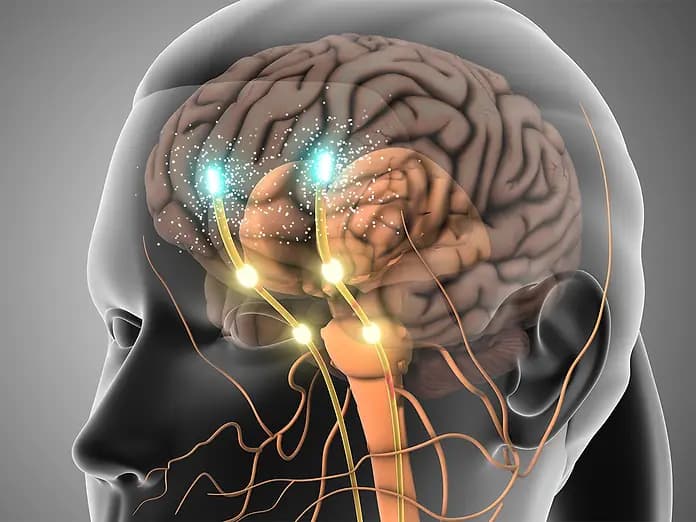
This study examined whether cognitive enhancement therapy (CET), an 18-month cognitive remediation intervention, could protect against temporolimbic gray matter loss in early-course schizophrenia. A total of 99 participants underwent MRI, cognitive, and social adjustment assessments at baseline, 9 months, and 18 months; 56 received CET and 43 received enriched supportive therapy. The right rostral anterior cingulate was the only primary brain region showing a significant group-by-time interaction, but this change was not associated with improvements in cognition or social adjustment. No significant differential treatment effects were observed in the secondary brain regions. The study therefore did not reproduce the previously reported broad neuroprotective effects of CET on gray matter volume, highlighting the need for further research into the neurobiological mechanisms underlying cognitive remediation in schizophrenia.

Read summarized clinical updates, watch expert medical content, and earn CME certifications right from your smartphone.
Open your smartphone camera to scan and install.





This study examined whether cognitive enhancement therapy (CET), an 18-month cognitive remediation intervention, could protect against temporolimbic gray matter loss in early-course schizophrenia. A total of 99 participants underwent MRI, cognitive, and social adjustment assessments at baseline, 9 months, and 18 months; 56 received CET and 43 received enriched supportive therapy. The right rostral anterior cingulate was the only primary brain region showing a significant group-by-time interaction, but this change was not associated with improvements in cognition or social adjustment. No significant differential treatment effects were observed in the secondary brain regions. The study therefore did not reproduce the previously reported broad neuroprotective effects of CET on gray matter volume, highlighting the need for further research into the neurobiological mechanisms underlying cognitive remediation in schizophrenia.
Today

Maternal cardiovascular risk factors such as hypertension, obesity, and diabetes significantly elevate offspring cardiovascular disease risk through placental dysfunction and fetal programming. Enhancing preconception screening and antenatal care offers clinicians a powerful strategy to protect long-term heart health.
Today

Non-RhD alloimmunization poses an emerging challenge in modern obstetric care as RhIG reduces RhD cases. This review highlights key non-RhD antigens, Doppler monitoring, and neonatal management strategies.
Today

New phase I data evaluate the impact of food and beverages on enlicitide, the first oral PCSK9 inhibitor. While food reduces peak absorption, model simulations demonstrate robust LDL-C lowering of approximately 60%, confirming meaningful pharmacokinetic forgiveness and flexible real-world administration.
Today

A retrospective cohort study reveals that lumbar spine bone mineral density does not distinguish extremity long bone fracture status in adults with severe motor and intellectual disabilities. Because age drove fracture risk rather than spinal density, clinicians must adopt comprehensive assessment tools.
Today

A landmark UK Biobank study by Karolinska Institutet researchers reveals that optimal rest mitigates neurodegeneration in cardiometabolic illness. Patients maintaining high sleep quality demonstrated superior cognitive scores and larger brain volumes, highlighting sleep optimization as an actionable clinical strategy.
Yesterday
