.webp&w=384&q=75)

Loading, please wait...
Loading, please wait...

Gliomas represent the most common and aggressive primary malignant brain tumors in adult neuro-oncology practice. Over the past decade, molecular neuropathology has transformed our diagnostic and therapeutic approach to central nervous system neoplasms. In particular, understanding DNA methylation in gliomas has opened new avenues for molecular classification and risk stratification. DNA methylation involves the enzymatic addition of a methyl group to cytosine bases. This biochemical process regulates gene transcription, chromatin architecture, and genomic stability. When dysregulated, aberrant methylation silences vital tumor suppressor genes and promotes malignant cellular transformation.
Furthermore, dynamic methylation remodeling depends upon a delicate balance between methylating and demethylating enzymes. DNA methyltransferases establish and maintain cytosine methylation patterns across the genome. Conversely, ten-eleven translocation enzymes catalyze the stepwise oxidation of methylcytosine, facilitating active DNA demethylation. In diffuse gliomas, profound epigenetic reprogramming directly drives oncogenesis, invasive tumor growth, and treatment resistance. Consequently, neuro-oncologists and neurosurgeons must understand how these core epigenetic regulators influence clinical outcomes. A recent investigation has thoroughly examined the expression of these critical enzymes in human glioma cohorts. Therefore, evaluating this molecular machinery provides vital insights into tumor biology and patient prognosis.
To understand the epigenetic architecture of gliomagenesis, investigators quantified transcript levels of key enzymatic regulators across diverse glioma grades. Specifically, the study analyzed mRNA expression of DNMT1, DNMT3A, DNMT3B, DNMT3L, TET1, TET2, TET3, and thymine DNA glycosylase in human tumor specimens. Additionally, researchers benchmarked these profiles against non-tumoral brain tissues to establish baseline physiological expression.
Notably, the results revealed significant downregulation of both DNMT and TET family members in glioma tissues compared to normal brain controls. Furthermore, enzyme expression exhibited a strong inverse correlation with World Health Organization histological grading. High-grade glioblastomas displayed the lowest transcript abundance, whereas lower-grade astrocytomas and oligodendrogliomas retained relatively higher expression. In addition, validation cohorts from public datasets confirmed consistent suppression of TET family transcripts across advancing tumor grades.
However, expression profiles of DNMT family enzymes and thymine DNA glycosylase showed subtle cohort differences across independent datasets. These discrepancies reflect tumor heterogeneity and varied microenvironmental pressures within distinct patient populations. Consequently, the concurrent downregulation of both methylating and demethylating enzymes highlights severe destabilization of the epigenetic control network. This marked enzymatic exhaustion underscores the progressive loss of cellular differentiation in aggressive brain tumors.
The biological behavior of diffuse gliomas remains inextricably linked to isocitrate dehydrogenase mutational status. Indeed, mutations in IDH1 or IDH2 fundamentally rewire cellular metabolism and chromatin structure. In IDH-mutant gliomas, the neomorphic enzyme produces excessive D-2-hydroxyglutarate. Consequently, this oncometabolite competitively inhibits alpha-ketoglutarate-dependent dioxygenases, including TET family enzymes.
As a result, IDH-mutant tumors develop the glioma CpG island methylator phenotype, characterized by widespread hypermethylation. Interestingly, this hypermethylated state suppresses endogenous DNMT expression through negative feedback loops and metabolic reprogramming. Because aberrant hypermethylation already silences differentiation programs, tumor cells no longer require heightened de novo methyltransferase activity. Therefore, DNMT transcript levels remain suppressed in these slow-growing yet biologically persistent tumors.
In sharp contrast, IDH-wildtype glioblastomas exhibit profound global hypomethylation accompanied by focal promoter hypermethylation. These high-grade tumors display intense genomic instability, aggressive oncogenic signaling, and rapid cellular dedifferentiation. Under these deregulated conditions, cancer cells bypass physiological epigenetic maintenance mechanisms entirely. Consequently, both DNMTs and TETs undergo extensive downregulation. Thus, distinct molecular pathways converge on the suppression of methylation machinery across diverse glioma subtypes, demonstrating complex epigenetic adaptation.
Evaluating clinical outcomes represents a central objective in neuro-oncology biomarker discovery. In univariate survival analyses, diminished expression of DNMT and TET enzymes correlated significantly with reduced overall patient survival. Specifically, Kaplan-Meier curves and log-rank tests demonstrated that patients harboring tumors with marked enzymatic depletion experienced significantly higher mortality rates. Because higher histological grades correlate with enzyme loss, this survival association initially suggested strong prognostic utility.
Nevertheless, multivariate Cox proportional hazards modeling revealed a more nuanced clinical reality. When investigators adjusted for established prognostic variables—such as patient age, performance status, surgical resection extent, and IDH status—enzymatic expression lost independent statistical significance. Therefore, DNMT and TET transcript levels do not serve as standalone prognostic biomarkers in routine clinical practice.
Instead, their prognostic value reflects their tight association with broader tumor biology and histological aggressiveness. Clinicians must recognize that epigenetic enzyme downregulation mirrors the advanced malignant phenotype rather than independently driving mortality. Furthermore, treatment responses, including temozolomide chemotherapy and cranial radiotherapy, substantially influence patient survival over time. Consequently, oncologists should interpret epigenetic expression profiles within comprehensive molecular and clinical frameworks rather than in isolation.
Although DNMT and TET transcripts lack independent prognostic strength, their profound dysregulation uncovers promising therapeutic vulnerabilities. Epigenetic modifications remain inherently reversible, unlike permanent genomic mutations. Consequently, restoring or modulating epigenetic homeostasis represents an attractive avenue for innovative neuro-oncology clinical trials.
Currently, hypomethylating agents such as azacitidine and decitabine demonstrate clinical success in hematological malignancies. However, their efficacy in solid central nervous system neoplasms remains limited by poor blood-brain barrier penetration and non-specific toxicity. Moreover, high-grade gliomas already exhibit widespread global hypomethylation alongside DNMT suppression. Therefore, administering conventional demethylating agents without molecular selection could unintentionally promote genomic instability or accelerate malignant progression.
Instead, translational investigators are developing targeted approaches that modulate specific epigenetic dependencies. For instance, combining IDH inhibitors with epigenetic modulators may restore TET enzyme activity and reverse aberrant chromatin compaction in IDH-mutant tumors. In addition, synthetic lethality strategies targeting DNA repair pathways present exciting possibilities. Enhancing our molecular understanding of methylation machinery will guide rational patient selection for emerging combinatorial regimens. Thus, while routine clinical adoption requires further validation, epigenetic machinery provides compelling targets for future neuro-therapeutic development.
In India, neurosurgeons and oncologists encounter unique clinical and operational challenges when managing brain tumors. Gliomas present frequently at advanced stages due to referral delays, varied socioeconomic conditions, and unequal access to neurosurgical centers. Furthermore, while leading tertiary care academic institutions offer next-generation sequencing and molecular profiling, many regional centers rely primarily on basic histopathology and immunohistochemistry.
Consequently, understanding molecular pathways helps clinicians optimize diagnostic algorithms within resource-constrained environments. Currently, Indian guidelines emphasize establishing IDH mutational status and 1p/19q codeletion for accurate tumor classification. While quantitative real-time PCR for DNMT and TET transcripts remains an investigational tool, its biological lessons carry immediate relevance. Specifically, recognizing how epigenetic suppression mirrors high tumor grade reinforces the necessity of aggressive multimodality therapy.
Moreover, academic cancer centers across India are increasingly participating in international oncology clinical trials evaluating targeted epigenetic agents. Establishing comprehensive tissue biorepositories will facilitate indigenous translational research, addressing population-specific molecular variations. In addition, adopting cost-effective diagnostic panels can help bridge disparities in precision neuro-oncology care. Ultimately, integrating molecular insights into daily clinical decision-making will improve risk assessment, therapeutic planning, and survival outcomes for Indian glioma patients.
DNMT enzymes establish and maintain DNA methylation, whereas TET enzymes promote DNA demethylation through cytosine oxidation. Together, they regulate chromatin structure and gene expression. In gliomas, significant downregulation of both enzyme families disrupts epigenetic balance, promotes cellular dedifferentiation, and strongly correlates with advancing histological tumor grade and malignant progression.
Although lower enzyme levels correlate with decreased survival in univariate analyses, they lose significance in multivariate models. This occurs because enzyme expression closely mirrors established clinical determinants, including patient age, histological grade, and IDH mutation status. Consequently, these enzymes reflect underlying biological aggressiveness rather than independently dictating patient outcomes.
IDH mutations lead to accumulation of the oncometabolite D-2-hydroxyglutarate, which inhibits TET demethylases and induces the glioma CpG island methylator phenotype. This widespread hypermethylation triggers compensatory downregulation of DNMT enzymes. In contrast, IDH-wildtype gliomas exhibit global hypomethylation driven by intense genomic instability, oncogenic pathway activation, and rapid cellular dedifferentiation.
Disclaimer: This content is for informational and educational purposes only... Refer to the latest local and national guidelines for clinical practice.
References

Read summarized clinical updates, watch expert medical content, and earn CME certifications right from your smartphone.
Open your smartphone camera to scan and install.





A study evaluating DNMT and TET expression in gliomas shows significant downregulation linked to higher tumor grades and mortality. Although not independent prognostic factors, these epigenetic enzymes reveal key biological insights into gliomagenesis and highlight potential therapeutic targets.
Today
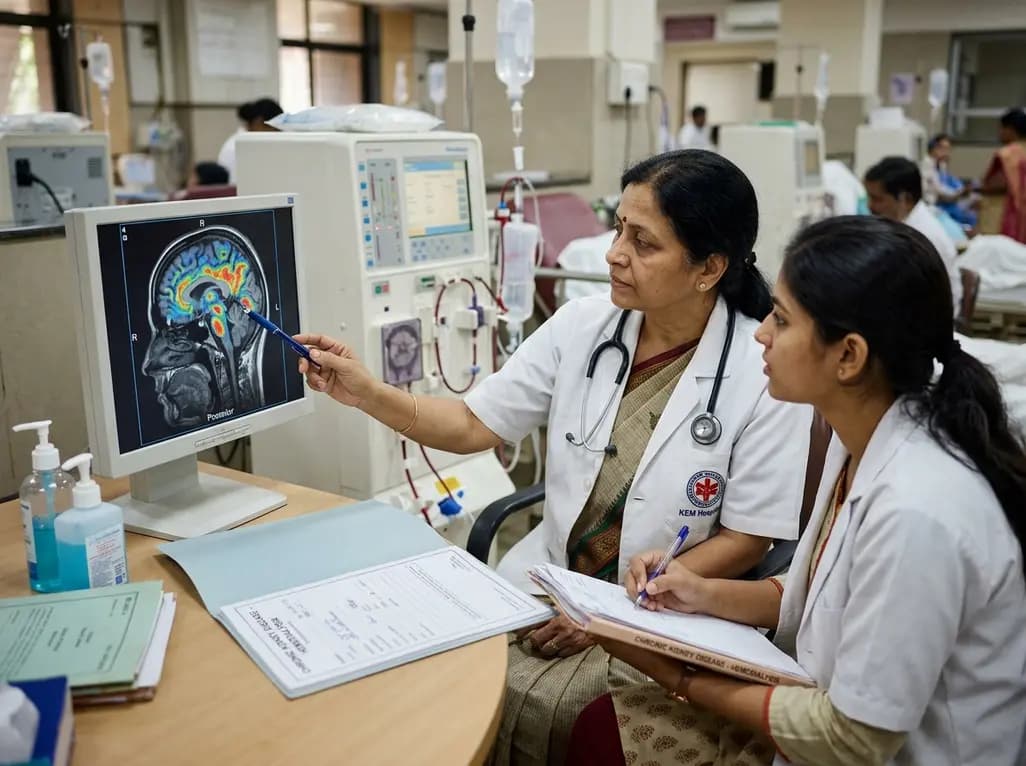
A retrospective clinical analysis reveals that hemodialysis-associated cognitive dysfunction arises from synergistic pathological mechanisms, including severe chronic anemia, worsening renal clearance, abnormal regional brain iron deposition, and an imbalance between neuroinflammatory and neurotrophic factors.
Today

A multiparametric MRI approach combining quantitative T2 shading, apparent diffusion coefficient (ADC) measurements, and morphological signs provides superior diagnostic accuracy over subjective evaluation to differentiate ovarian endometriomas from benign hemorrhagic cysts.
Today
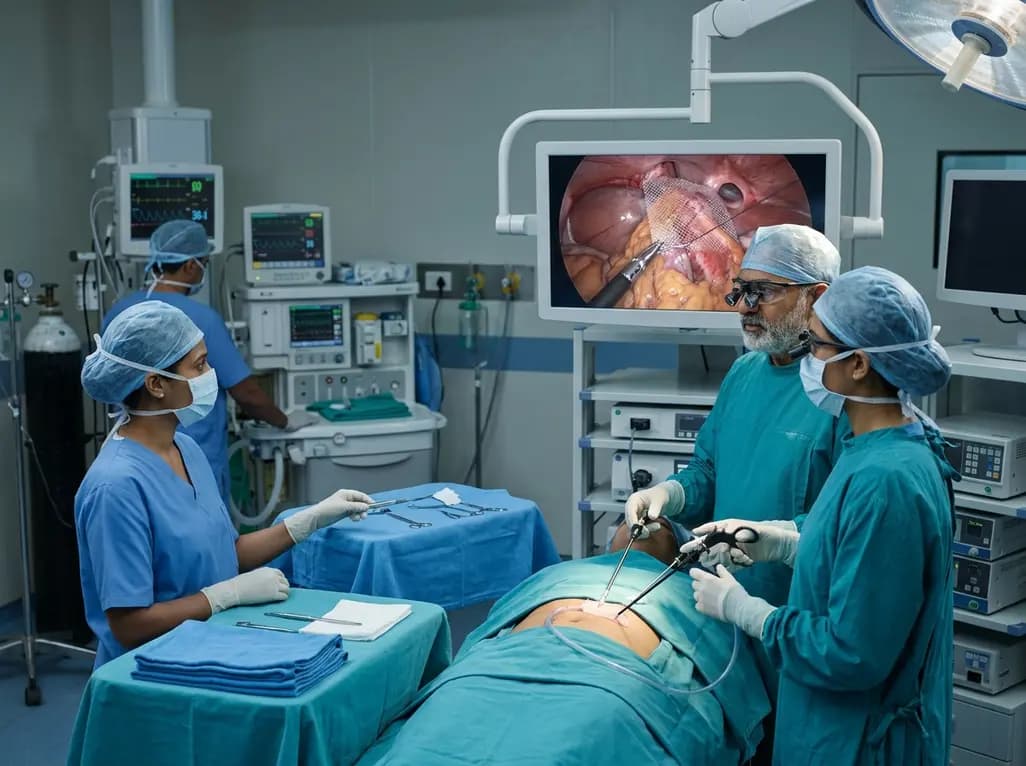
Discover a novel laparoscopic approach for iatrogenic diaphragmatic hernia repair following pedicled omentoplasty. This modified Sugarbaker technique integrates dorsal pedicle lateralization and round ligament reinforcement to secure the diaphragmatic defect while preserving vital omental vascularity.
Today
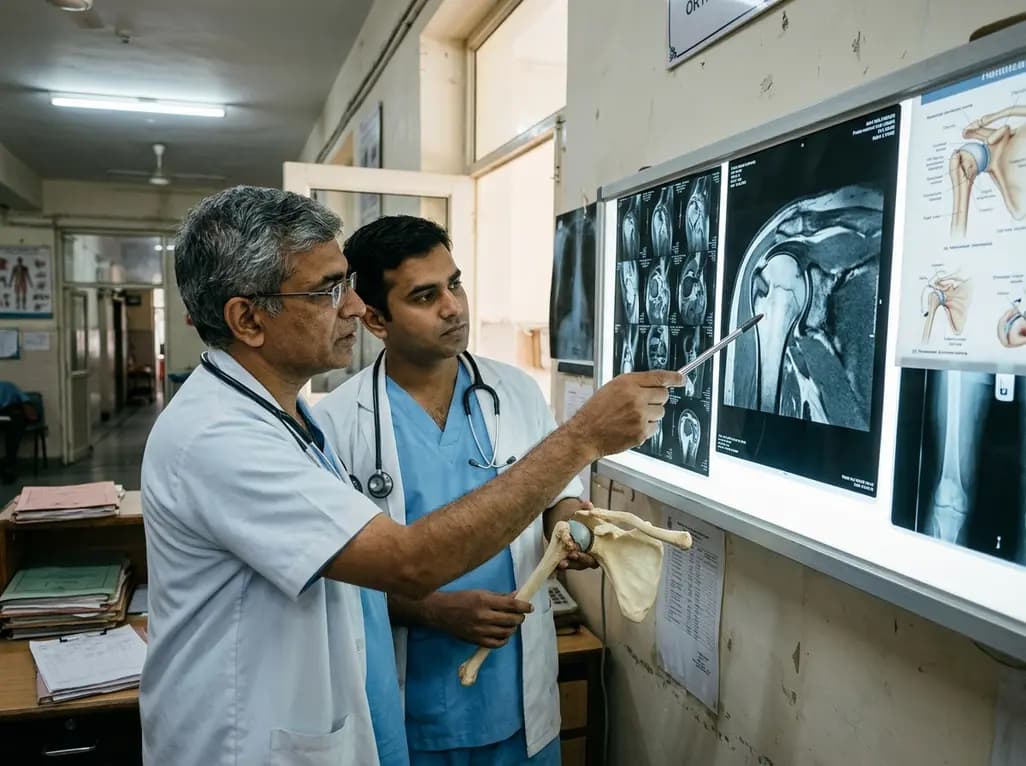
Evaluating Hill-Sachs lesion size and the distance to dislocation is critical in recurrent shoulder instability. As bone loss concepts shift from binary on-track classifications to continuous risk assessment, clinicians must identify when isolated Bankart repair is insufficient and supplementary procedures are needed.
Today
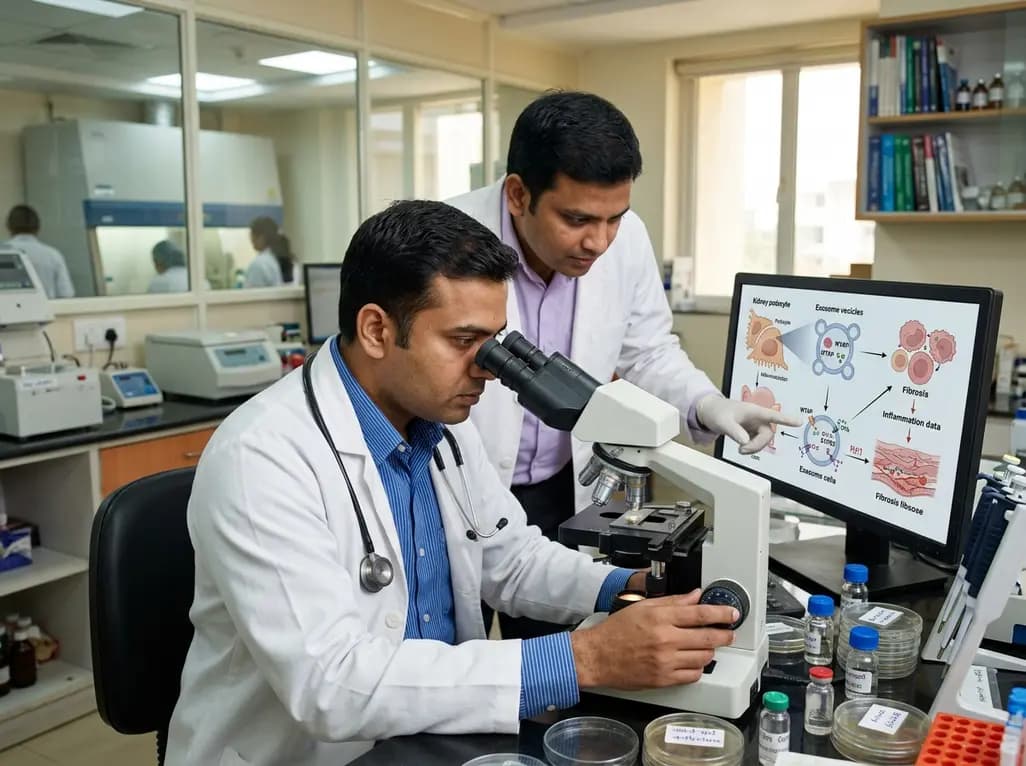
New research reveals that M1 macrophage-derived exosomes aggravate diabetic nephropathy by transferring WTAP to stabilize S1PR2 mRNA. Silencing WTAP in these vesicles attenuates endothelial injury and renal fibrosis, pointing toward innovative nanomedicine therapies.
Today
