

Loading, please wait...
Loading, please wait...
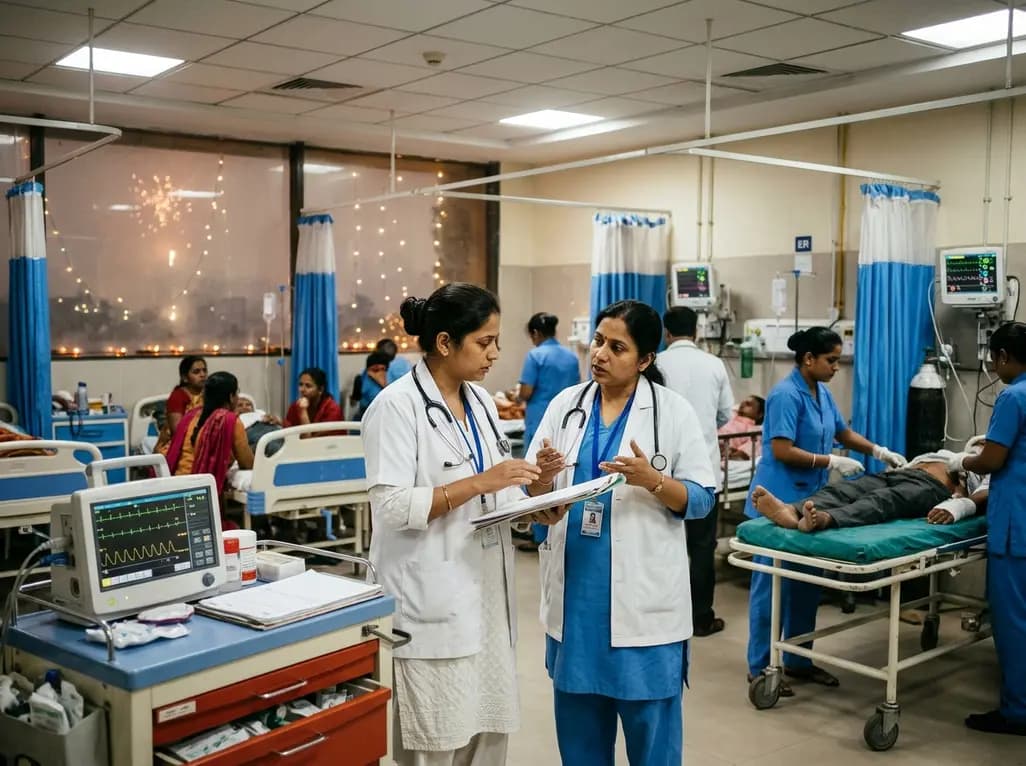
As festive lights illuminate neighborhoods across India, hospital casualty units face intense clinical pressures. Delivering proactive Diwali emergency care requires rapid mobilization across clinical departments. During celebrations, emergency teams encounter sudden surges in thermal burns, blast trauma, and vehicular collisions. Furthermore, deteriorating air quality precipitates severe respiratory distress among high-risk patients. Consequently, healthcare institutions must implement structured disaster management protocols. Clinicians must maintain rapid responsiveness while treating high-volume festive casualties.
Festive celebrations reliably generate dramatic shifts in hospital emergency presentations across Indian metropolitan centers. For instance, emergency ambulance networks in Gujarat recorded over five thousand urgent medical calls during Diwali. This remarkable volume represented a twelve percent increase above typical daily baseline figures. In addition, road traffic accident emergencies surged by more than seventy-three percent during the festive weekend. Heightened vehicular movement, alcohol consumption, and crowded roadways substantially elevate severe polytrauma occurrences. Meanwhile, municipal tertiary centers in Mumbai routinely treat dozens of firecracker-induced burn injuries within forty-eight hours. These simultaneous admissions place sudden operational strain on casualty wards, intensive care units, and surgical suites. Furthermore, emergency physicians must accommodate pediatric patients who suffer blast wounds during unsupervised celebrations. Because festive injuries cluster heavily during late evening hours, staffing deficits can quickly disrupt clinical workflows. Therefore, hospital administrators must reinforce emergency rosters with senior surgeons, pulmonologists, and experienced trauma nurses. Early resource allocation also ensures adequate reserves of intravenous fluids, specialized burn dressings, and advanced airway devices. Consequently, structured operational forecasting enables clinical teams to convert chaotic holiday surges into well-coordinated trauma responses.
Delivering effective Diwali emergency care hinges upon disciplined, rapid-fire clinical triage at the hospital casualty threshold. Consequently, emergency departments must implement structured sorting protocols that instantly categorize incoming casualties by physiological stability. For example, clinicians immediately prioritize patients presenting with compromised airways, severe hemodynamic shock, or extensive full-thickness burns. In contrast, stable walk-in patients with minor burns or superficial lacerations proceed to designated ambulatory fast-track zones. Because explosive trauma often involves multiple anatomical systems, seamless multidisciplinary coordination remains indispensable. Emergency physicians collaborate directly with plastic surgeons, orthopedic specialists, ophthalmologists, and intensivists without administrative delay. Operating theaters must maintain dedicated surgical suites specifically reserved for emergent blast debridement or surgical globe repairs. Furthermore, hospital pharmacies should assemble standardized emergency kits containing analgesics, crystalloids, tetanus toxoid vaccines, and intravenous antibiotics. Clinical supervisors must also establish clear communication channels between emergency desks and critical care units. As a result, resuscitation teams transfer ventilated patients rapidly, preserving acute casualty capacity. Ultimately, disciplined triage protocols prevent catastrophic delays when multiple severely injured individuals arrive simultaneously.
Firecracker detonations generate catastrophic injury patterns that combine thermal injury with high-velocity kinetic blast force. For instance, commercial explosives and improvised carbide devices often ignite prematurely in victims' hands. Consequently, complex hand trauma represents one of the most disabling consequences treated during festive shifts. Kinetic blast shockwaves tear delicate fascial layers, fracture tubular bones, and disrupt essential neurovascular structures. In addition, intense thermal energy causes extensive protein coagulation, producing severe full-thickness dermal necrosis. Reconstructive surgeons frequently encounter contaminated blast wounds that require emergent surgical exploration, radical debridement, and fasciotomy to avert compartment syndrome. Furthermore, deep thermal burns affecting functional regions—such as the face, neck, and major joints—demand specialized surgical management. Without timely excision and split-thickness skin grafting, patients risk permanent hypertrophic contractures and disabling cosmetic deformities. Clinicians must actively reinforce proper first-aid education to minimize tissue injury before hospital arrival. Specifically, medical teams instruct patients to irrigate burn wounds with clean running tap water for fifteen to twenty minutes. Conversely, families must avoid harmful home remedies like toothpaste or ghee, which trap heat and provoke wound infections.
Ophthalmic injuries constitute a major proportion of festive morbidity across emergency trauma centers. For instance, national eye institutes in India record hundreds of firecracker-induced ocular casualties during Diwali festivities. Children account for over sixty percent of these injuries, while young males represent nearly ninety percent of victims. High-velocity projectile fragments, alkaline chemicals, and thermal shockwaves inflict devastating mechanical damage on ocular structures. Consequently, patients present with open globe ruptures, hyphema, traumatic corneal lacerations, and vitreous hemorrhages. In addition, explosive force can propel metallic foreign bodies deep into the posterior segment, threatening irreversible retinal destruction. Emergency physicians must conduct immediate, meticulous assessments while avoiding any external pressure on the globe. Clinicians should never attempt rudimentary foreign body removal or apply tight ocular patches in suspected perforations. Instead, medical teams must place a rigid protective shield and initiate copious sterile irrigation for chemical contamination. Furthermore, attending physicians must request immediate vitreoretinal surgical consultation for urgent primary globe repair. Prompt microsurgical repair prevents endophthalmitis and preserves functional vision. Through standardized ocular protocols, trauma teams safeguard eyesight in severely injured festive patients.
In addition to acute traumatic injuries, festive air pollution produces a dramatic surge in post-Diwali medical admissions. During the festival, particulate matter concentrations spike dramatically, causing ambient air quality indices to reach hazardous levels. Because fine PM2.5 particles measure under 2.5 micrometers, they penetrate deep into alveolar spaces and systemic circulation. Consequently, inhaled toxic aerosols trigger intense mucosal inflammation, oxidative stress, and profound bronchospasm. Pulmonology departments report marked exacerbations among patients diagnosed with asthma, chronic bronchitis, and interstitial lung diseases. Furthermore, observational hospital data reveals that respiratory admissions can more than double in the fortnight following Diwali. Patients frequently present with severe hypoxemia that proves refractory to standard outpatient inhaler regimens. Therefore, casualty teams must administer systemic corticosteroids, frequent nebulized bronchodilators, and supplemental oxygen therapy without delay. Moreover, intense systemic inflammation frequently decompensates pre-existing cardiovascular conditions, precipitating acute coronary events and heart failure. Intensive care units must prepare for a significant influx of patients requiring non-invasive or invasive mechanical ventilation. Ultimately, structured critical care escalation shields vulnerable cardiopulmonary patients from severe post-festive morbidity.
Q1: What are the primary triage priorities during festive emergency surges?
Emergency clinicians must immediately assess airway patency, breathing efficiency, and hemodynamic stability. Patients suffering from blast-induced airway compromise, significant hemorrhage, or extensive body burns require immediate resuscitation. Meanwhile, trauma staff direct stable individuals with minor superficial burns to designated ambulatory treatment zones. Furthermore, rapid multidisciplinary coordination ensures emergent surgical intervention for open globe injuries, deep burns, and severe limb trauma.
Q2: Why do respiratory hospital admissions increase significantly after Diwali?
Festive fireworks release concentrated fine particulate matter, sulfur dioxide, and toxic metal fumes into stagnant winter air. These microscopic pollutants penetrate deep into alveolar membranes, triggering mucosal hyperreactivity and airway inflammation. Consequently, patients with asthma or chronic obstructive pulmonary disease experience severe bronchospasm. Furthermore, post-festive smog persists for several days, causing delayed clinical decompensation that frequently necessitates intensive care admission.
Q3: What immediate first-aid protocols should emergency teams emphasize for burns?
Healthcare providers advise continuous cooling of the affected burn surface using clean, cool running tap water for fifteen to twenty minutes. This immediate irrigation dissipates residual heat, reduces burn depth, and alleviates pain. In addition, individuals must avoid applying ice, chilled water, or home concoctions like toothpaste. For ocular injuries, victims should irrigate eyes gently, shield the eye, and seek hospital care.
Disclaimer: This content is for informational and educational purposes only. It does not constitute medical advice or replace professional judgment. Refer to the latest local and national guidelines for clinical practice.
References

Read summarized clinical updates, watch expert medical content, and earn CME certifications right from your smartphone.
Open your smartphone camera to scan and install.





As festive celebrations accelerate across India, emergency departments face sudden influxes of burn injuries, ocular trauma, and pollution-induced pulmonary crises. Explore clinical triage strategies, burn first-aid protocols, and critical care management required to navigate peak festive hospital surges effectively.
Today
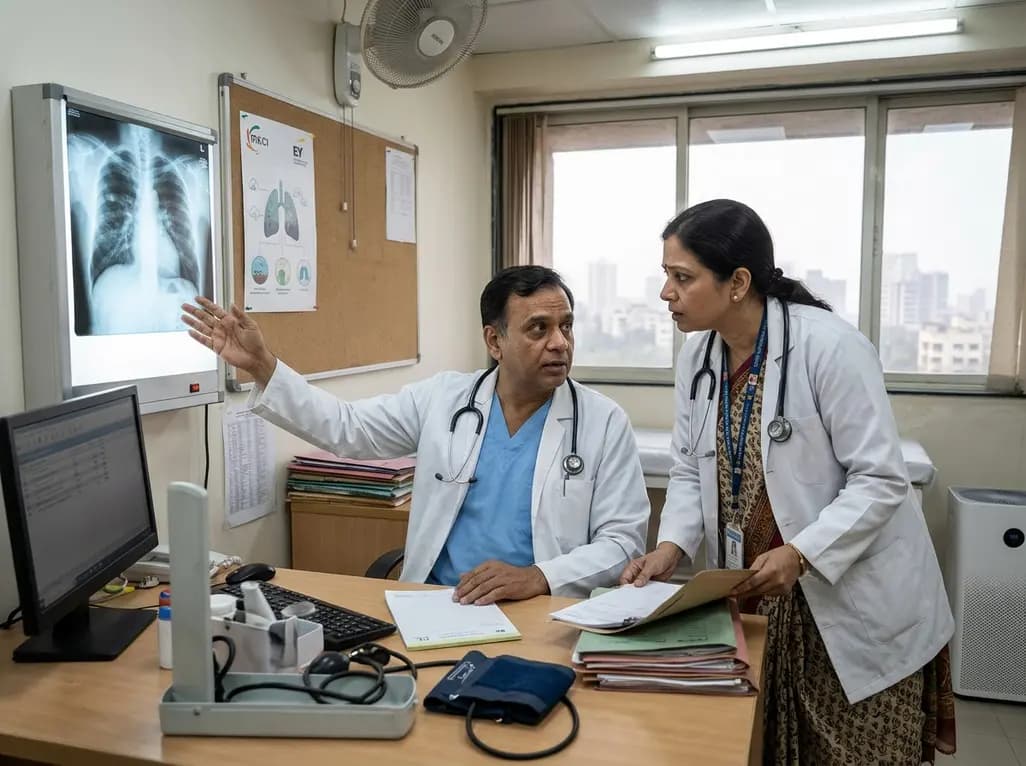
A new FICCI-EY paper urges India to shift air quality strategy from seasonal panic to year-round public health governance. Setting explicit PM2.5 targets under NCAP is vital to mitigate over two million deaths annually and curb severe cardiovascular, respiratory, and neurocognitive disease burdens across populations.
Today
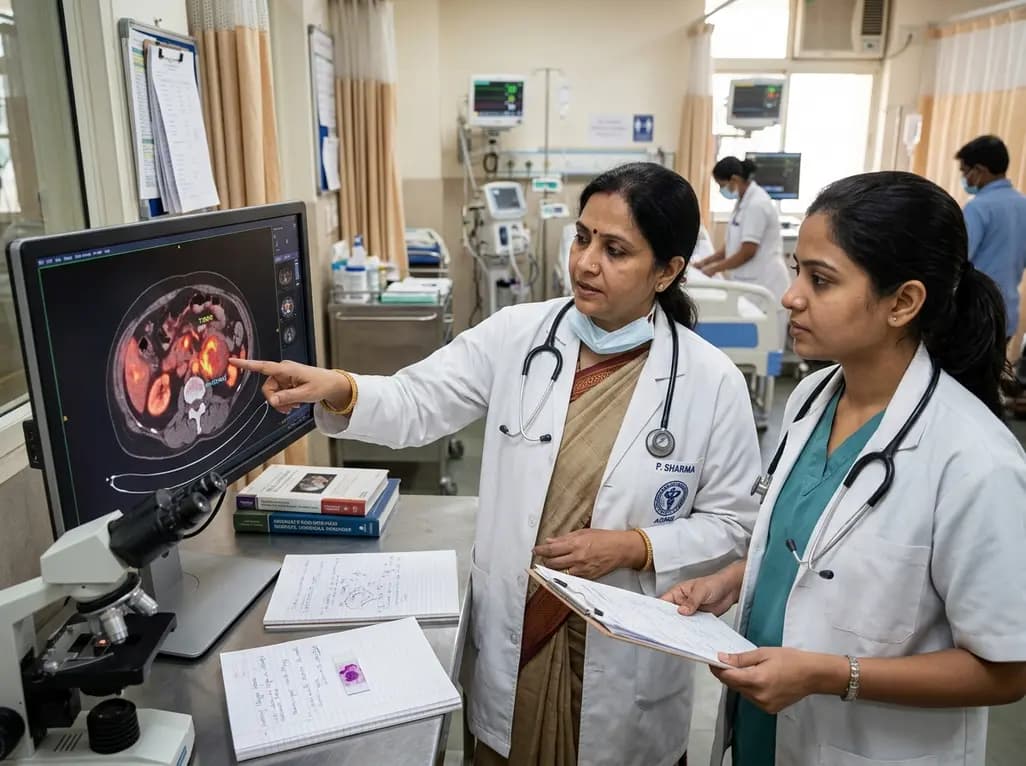
Ovarian cancer remains a lethal malignancy marked by chemoresistance and recurrence. Metabolic remodelling within the peritoneal niche suppresses immune responses through nutrient deprivation and hypoxia-driven signaling. Targeting immunometabolic pathways offers novel strategies to break immune tolerance.
Today
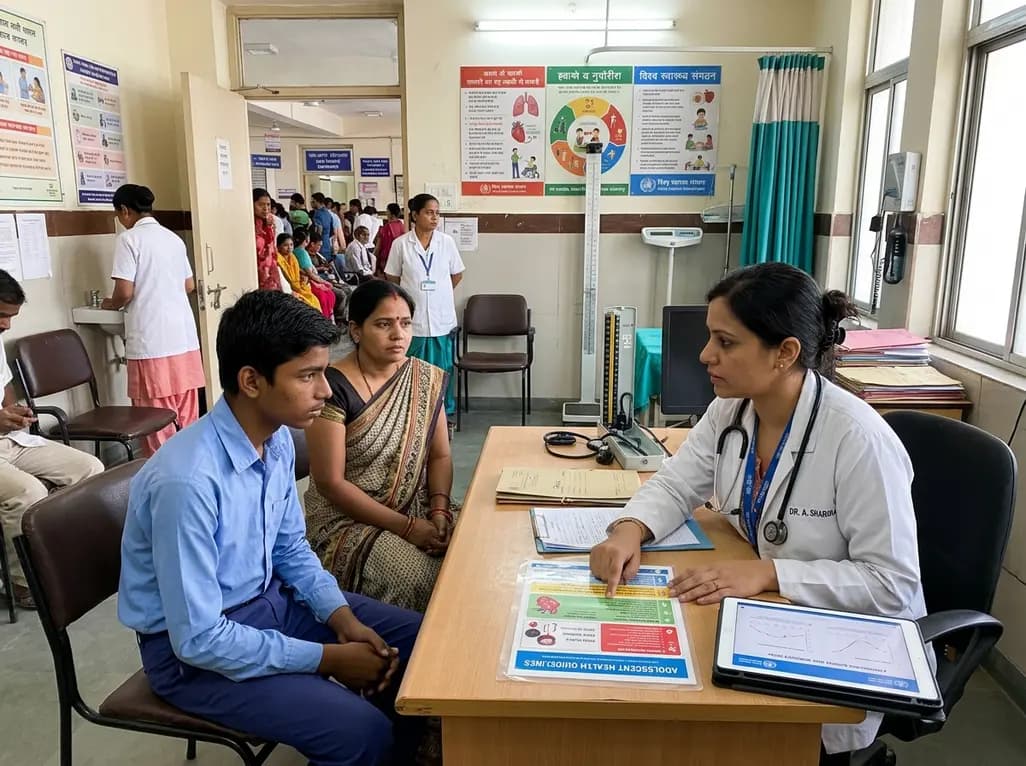
A major World Health Organization study reveals that one in four teenagers globally records zero active days per week. Discover the epidemiological data, cardiometabolic consequences of adolescent sedentary behavior, and practical guidance for clinicians to promote healthy lifestyle habits among youth.
Today
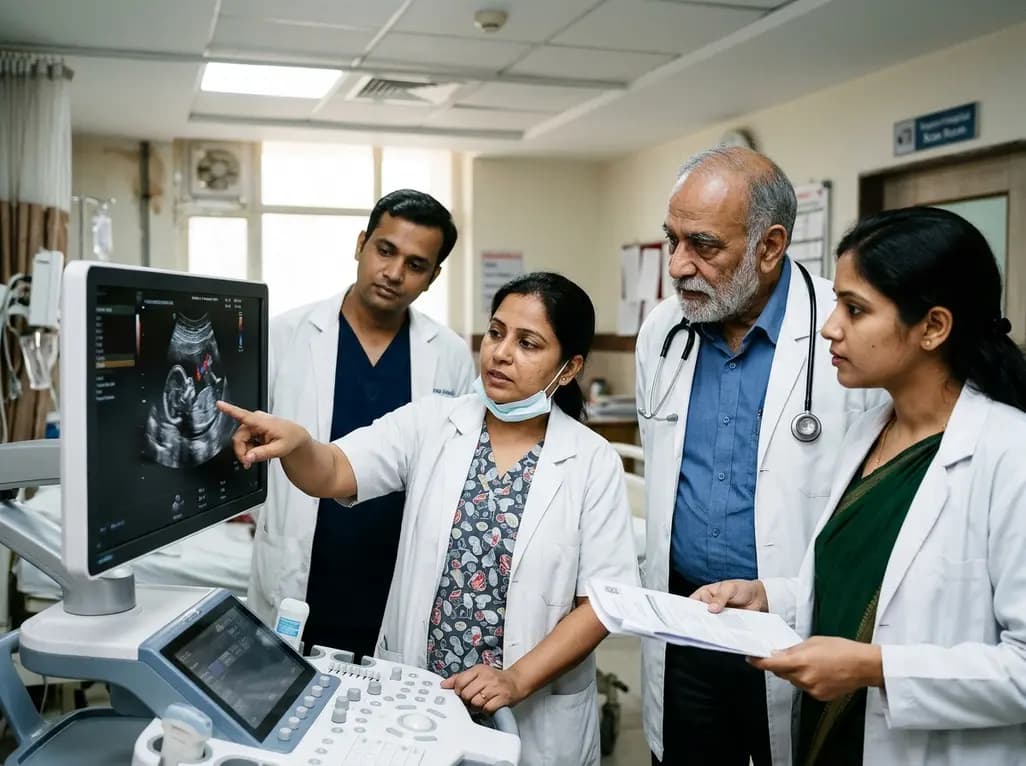
Arthrogryposis multiplex congenita affects fetal joint mobility, yet fewer than half of cases are detected prenatally. This review highlights dynamic fetal motor assessment, phenotypic subtyping, rapid exome sequencing, and multidisciplinary perinatal care to optimize diagnosis and parental counseling.
Today
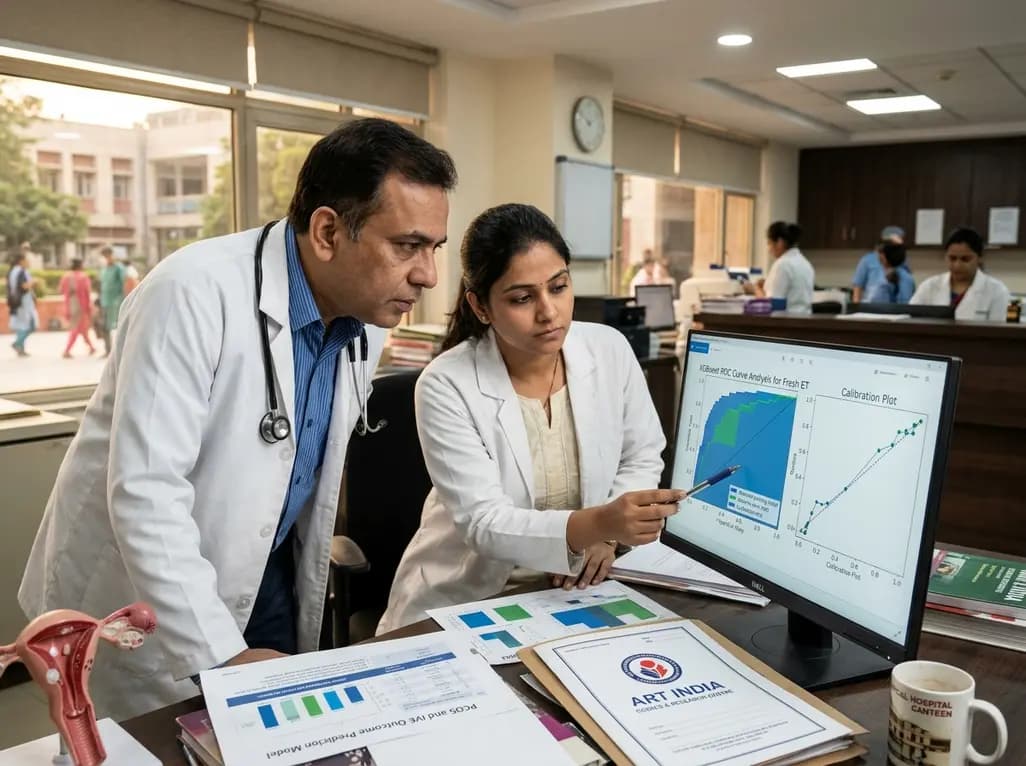
A multicenter study evaluates an XGBoost machine learning model to predict miscarriage risk in PCOS after fresh embryo transfer. While discrimination was strong internally, cross-cohort calibration drift emphasizes its role as a risk-ranking tool rather than a standalone diagnostic instrument.
Today
