.webp&w=384&q=75)

Loading, please wait...
Loading, please wait...
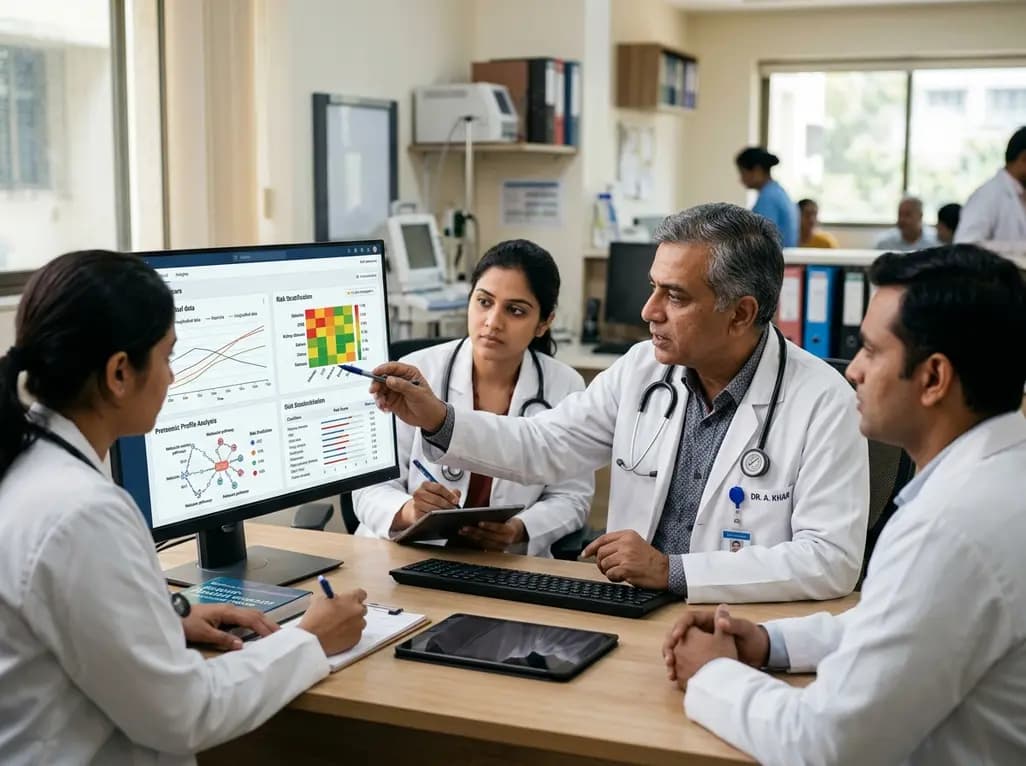
Modern clinical medicine is rapidly undergoing a transformative transition as disease prediction AI shifts healthcare priorities from late disease detection toward proactive risk forecasting. Historically, healthcare systems have operated reactively by evaluating patients and confirming diagnoses only after clinical symptoms emerge. However, innovative artificial intelligence models now evaluate longitudinal biological patterns across complex patient records. Consequently, clinicians can identify subtle physiological decline years before irreversible organ damage occurs, completely redefining preventative clinical care.
Traditional healthcare delivery relies predominantly on periodic, cross-sectional physiological examinations. For example, clinicians routinely assess isolated blood glucose or resting blood pressure measurements during outpatient consultations. While these static values identify established illness, they often fail to capture subtle cardiovascular or metabolic deteriorations in progress. In fact, epidemiological data reveal that hundreds of millions of adults live with undiagnosed prediabetes and occult vascular stiffness.
Therefore, researchers are deploying advanced computational frameworks to investigate dynamic biological aging over time. Rather than asking whether a patient exhibits a specific disease today, predictive models evaluate longitudinal trajectory vectors. Specifically, these models integrate historical electronic health records and physiological trends to determine biological velocity. This strategy addresses a critical clinical question: in which physiological direction is the patient heading, and how rapidly?
Consequently, medical practitioners gain valuable opportunities to alter disease trajectories before irreversible end-organ pathology manifests. By identifying early systemic vulnerabilities, physicians can initiate targeted lifestyle interventions and timely pharmacotherapy. Ultimately, this proactive stance transforms chronic disease management from episodic crisis intervention into continuous, personalized healthcare. Moreover, proactive clinical models lower overall inpatient admissions by mitigating long-term organ complications.
Recent breakthroughs in artificial intelligence leverage generative sequence modeling to decode clinical timelines. For instance, European researchers developed Delphi-2M, a generative pretrained transformer adapted for complex medical histories. In common digital applications, generative algorithms predict the next word in a sentence. Similarly, this clinical architecture models individual medical histories as a structured biological narrative to anticipate future diagnostic events.
Specifically, Delphi-2M forecasts the probability and anticipated onset of more than one thousand distinct medical conditions. Trained on four hundred thousand UK Biobank participants, the model underwent validation on nearly two million Danish citizens without parameter modifications. Notably, the model demonstrated predictive accuracy comparable to specialized single-disease risk scores, including validated cardiovascular and dementia calculators.
Furthermore, generative architectures can simulate synthetic personal health trajectories spanning up to two decades. As a result, clinicians can forecast complex multimorbidity interactions rather than evaluating isolated organ systems. These forecasting capabilities allow family physicians and internists to anticipate chronic disease complications early. Therefore, clinical teams can direct intensive monitoring toward patients who demonstrate the highest risk of rapid clinical deterioration. Additionally, simulated trajectories help clinicians test the potential therapeutic benefit of early preventative interventions.
Alongside diagnostic history modeling, plasma proteomics provides profound insights into biological aging and subclinical pathology. For example, extensive research utilizing UK Biobank data identified two hundred and four circulating proteins that accurately estimate biological age. Notably, individuals whose proteomic profiles indicated accelerated aging exhibited an elevated risk for eighteen major chronic diseases, including heart failure, chronic kidney disease, and metabolic disorders.
Moreover, pioneering investigations from Stanford University have refined proteomic analysis to measure aging within discrete organ systems. By examining plasma protein concentrations in over forty-four thousand individuals, researchers quantified biological aging across eleven major physiological organs. Specifically, the study revealed that accelerated biological aging of the brain and immune system predicted all-cause mortality most strongly.
Fortunately, these organ-specific biological aging rates remain clinically modifiable rather than permanently fixed. Lifestyle interventions, targeted dietary patterns, and guideline-directed pharmacotherapies can slow organ senescence significantly. Consequently, proteomic clocks offer objective, actionable therapeutic targets for clinical practitioners. By evaluating organ-specific molecular signatures, clinicians can identify organ failure years in advance, prompting decisive medical interventions before permanent tissue destruction occurs. Furthermore, these biological measurements enhance patient communication regarding their personalized longevity goals.
The clinical implementation of predictive modeling offers profound advantages for chronic disease prevention. Currently, common metabolic and cardiovascular illnesses progress silently for many years before triggering overt clinical signs. Consequently, patients frequently arrive at tertiary medical centers only after suffering debilitating ischemic strokes, myocardial infarctions, or end-stage organ failure.
However, predictive algorithms can detect these occult conditions during early asymptomatic phases. For instance, by evaluating subtle longitudinal trends in fasting glucose, lipid fractions, and systemic blood pressure, predictive software highlights impending vascular failure. In addition, machine learning models integrate these temporal clinical data with circulating inflammatory biomarkers to compute personalized risk trajectories.
Therefore, primary care practitioners can implement aggressive evidence-based interventions during early therapeutic windows. Doctors can recommend personalized nutrition plans, structured exercise regimens, and early cardioprotective pharmacotherapies well ahead of standard clinical schedules. Furthermore, objective predictive analytics improve patient motivation and therapy adherence. When patients visualize their physiological risks and organ aging rates, they engage more actively with preventative medical guidance. Ultimately, proactive risk modeling empowers physicians to prevent severe complications, improving quality of life while reducing health expenditures across long patient lifespans.
Despite substantial technological momentum, integrating predictive models into real-world clinical practice demands robust governance and ethical oversight. Recent industry surveys reveal that over eighty percent of surveyed clinicians utilize digital intelligence in clinical workflows. However, physicians express valid concerns regarding unsupervised patient access to raw algorithmic risk assessments. Without expert medical guidance, automated predictive outputs can trigger disproportionate health anxiety, unnecessary diagnostic testing, and misinformed self-treatment.
Furthermore, machine learning algorithms trained on specific geographic populations may reflect significant demographic biases. For example, risk engines calibrated on Caucasian cohorts may underestimate cardiovascular and metabolic disease vulnerability in South Asian populations with unique risk profiles. Therefore, local clinical validation and continuous algorithm calibration remain essential before deploying these diagnostic technologies in Indian healthcare ecosystems.
In addition, protecting patient confidentiality and unifying fragmented health records are paramount priorities. Interoperable digital medical systems ensure that historical data remain accessible, allowing predictive algorithms to construct accurate longitudinal models. Ultimately, predictive technology cannot replace clinical intuition or compassionate physician-patient communication. Instead, these advanced systems must serve as decision-support instruments that elevate clinical judgment and improve preventative patient outcomes across diverse clinical environments.
Q1: How does disease prediction AI differ from traditional diagnostic testing?
Traditional diagnostic testing detects existing pathology by confirming whether immediate biological parameters cross predetermined clinical thresholds. In contrast, disease prediction AI evaluates multidimensional health data across extended timelines to forecast future risks. By analyzing serial electronic health records alongside circulating proteomic biomarkers, these computational algorithms project the likelihood and timing of future diseases years before clinical symptoms or irreversible organ damage physically appear during routine physical examinations.
Q2: What is the clinical significance of organ-specific biological aging?
Organ-specific biological aging measures the physiological wear and tear of individual organs independently of chronological age. Clinical studies show that organs age at distinct rates due to genetics, lifestyle choices, and environmental exposures. When a specific organ shows accelerated aging, the patient faces a significantly higher risk of localized pathology, such as heart failure or dementia. Tracking these organ clocks allows clinicians to implement targeted preventative therapies early.
Q3: Why must predictive AI models be supervised directly by licensed physicians?
Predictive artificial intelligence models calculate statistical probabilities rather than definitive medical diagnoses. Without proper professional context, raw prognostic outputs can trigger severe health anxiety or prompt inappropriate self-medication among patients. Licensed physicians are essential to contextualize predictive calculations against physical examinations, family medical histories, and local epidemiological patterns. Furthermore, clinical judgment ensures that preventative lifestyle changes or medical therapies are administered safely, ethically, and tailored to the individual.
Disclaimer: This content is for informational and educational purposes only. It does not constitute medical advice or replace professional judgment. Refer to the latest local and national guidelines for clinical practice.
References

Read summarized clinical updates, watch expert medical content, and earn CME certifications right from your smartphone.
Open your smartphone camera to scan and install.





Artificial intelligence is transitioning healthcare from reactive diagnosis to proactive forecasting. By evaluating plasma proteomic profiles and longitudinal health trajectories, clinicians can identify early systemic decline, stratify multimorbidity risk, and personalize preventive interventions effectively.
Today

Scandinavian register evidence reveals that neonatal birth length strongly predicts adult health and mortality, whereas birth weight dictates cognitive capacity. Symmetric growth restriction causes far more severe long-term deficits than asymmetric restriction, underscoring the need for comprehensive anthropometry.
Today
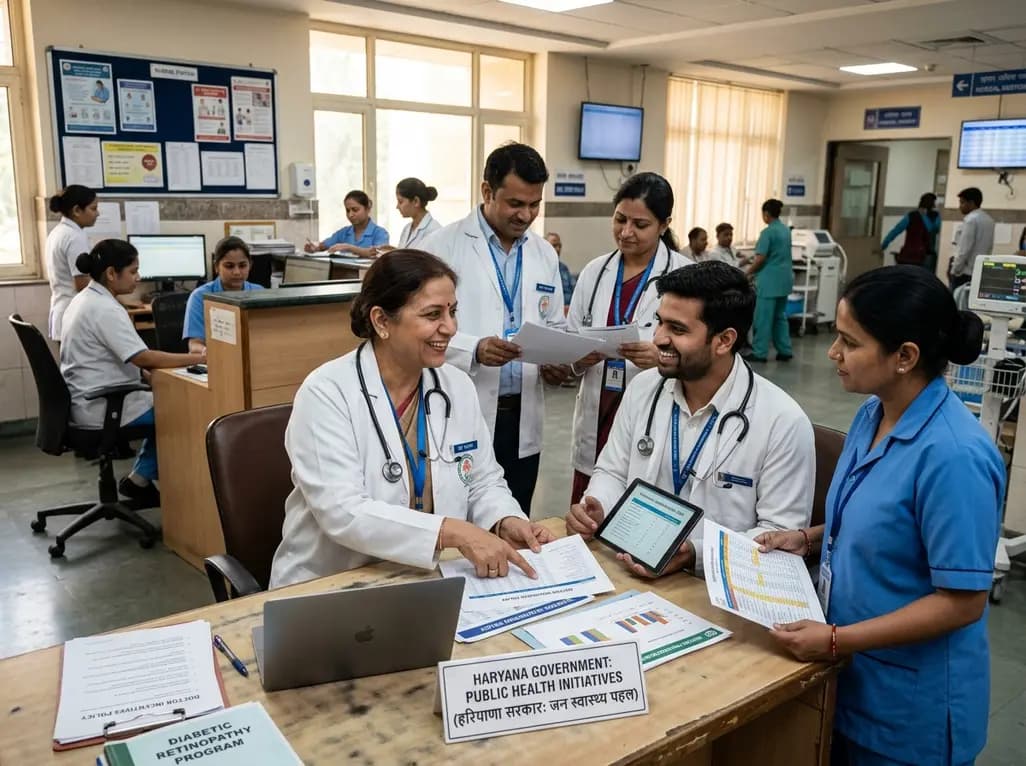
Haryana Chief Minister Nayab Singh Saini has rolled out landmark performance-linked financial incentives for public sector clinicians and allied staff. The comprehensive reform introduces free intravitreal diabetic retinopathy management, flexible empanelment for private specialists, and digital infrastructure upgrades.
Today

A cross-sectional study reveals a strong positive correlation between problematic internet use and kinesiophobia in adults aged 18-45 with non-specific low back pain, highlighting how digital overuse reinforces movement fear and complicates musculoskeletal recovery.
Today
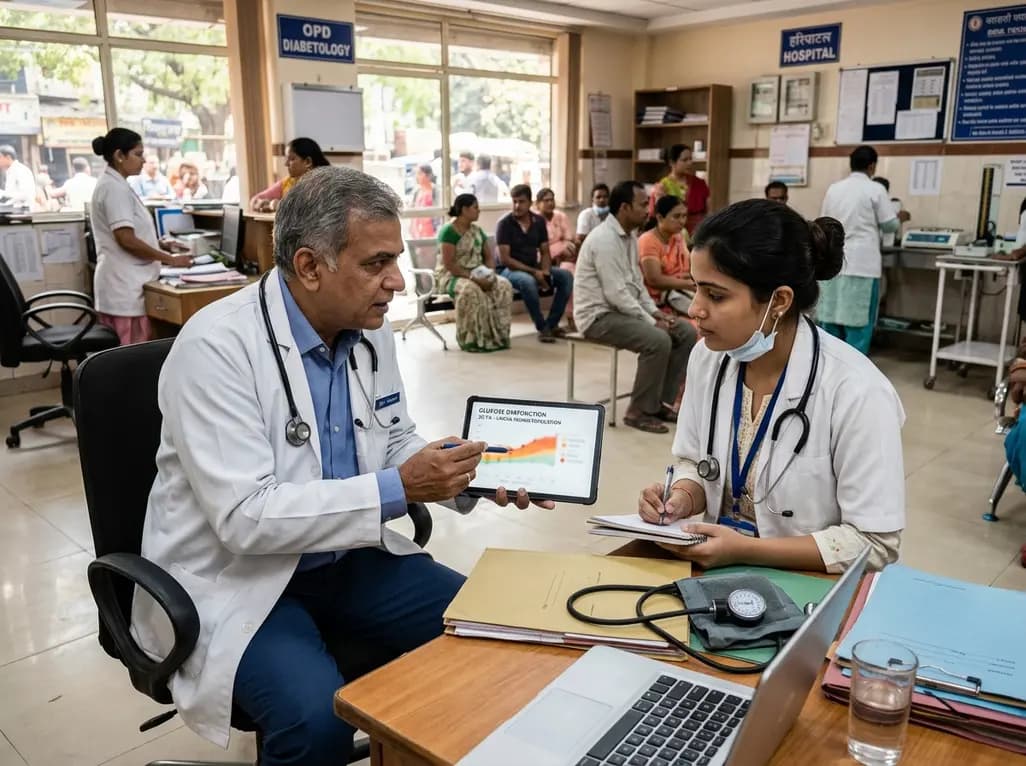
Data from the 2026 Workforce Health Index reveals that 38.7% of urban employees and dependents exhibit abnormal glycemic control. Emerging at increasingly younger ages, this metabolic shift intersects with severe vitamin deficiencies, highlighting the urgent need for early workplace screenings and targeted clinical care.
Today
