.webp&w=384&q=75)

Loading, please wait...
Loading, please wait...

Indian women face a distinct epidemiological challenge regarding their reproductive lifespan. Research indicates that Indian women typically experience menopause two to four years earlier than Caucasian women. Consequently, Diminished Ovarian Reserve (DOR) often presents at a much younger age in this population. Factors such as genetic predisposition, vitamin D deficiency, and environmental toxins likely accelerate follicular depletion. Therefore, early screening and personalized intervention are essential for maintaining fertility potential in younger patients.
Managing DOR requires a nuanced, spectrum-based approach rather than a one-size-fits-all diagnosis. Because DOR exists between normal function and poor ovarian response, clinicians must individualize treatment protocols. Furthermore, lifestyle interventions and adjuvant therapies, such as antioxidants, play a vital role in optimizing oocyte quality. While we cannot reverse the loss of follicles, we can improve their functional competence. Strategies often include carefully timed IVF cycles and multidisciplinary care models involving nutritionists and counselors.
Several biological factors determine whether an oocyte can successfully develop into a healthy embryo. Experts highlight four key determinants: mitochondrial function, DNA repair mechanisms, telomere length, and oxidative stress levels. Mitochondria provide the necessary energy for oocyte maturation and early embryonic development. Moreover, reducing oxidative stress through lifestyle changes can protect the remaining oocyte pool. Consequently, clinicians are focusing on these cellular mechanisms to enhance reproductive success rates in DOR patients.
Q1: Why is oocyte quality prioritized over quantity in DOR?
While a higher number of eggs increases the statistical chance of success, the functional competence of each oocyte determines if it can create a viable embryo. Quality is the primary driver of live birth rates, especially in older patients.
Q2: How does the reproductive timeline differ for Indian women?
Studies show Indian women may experience a decline in ovarian reserve up to six years earlier than other ethnic groups. This earlier decline necessitates proactive fertility assessments for women in their late twenties or early thirties.
Q3: Can lifestyle changes help in Diminished Ovarian Reserve Management?
Yes. Although lifestyle changes cannot increase the number of eggs, they can reduce oxidative stress and improve mitochondrial health. This optimization helps maximize the competence of the remaining oocytes.
Disclaimer: This content is for informational and educational purposes only. It does not constitute medical advice or replace professional judgment. Refer to the latest local and national guidelines for clinical practice.
References

Read summarized clinical updates, watch expert medical content, and earn CME certifications right from your smartphone.
Open your smartphone camera to scan and install.





Experts shift the focus from egg quantity to oocyte competence in Diminished Ovarian Reserve cases, highlighting unique risks for Indian women and quality c...
6 months ago
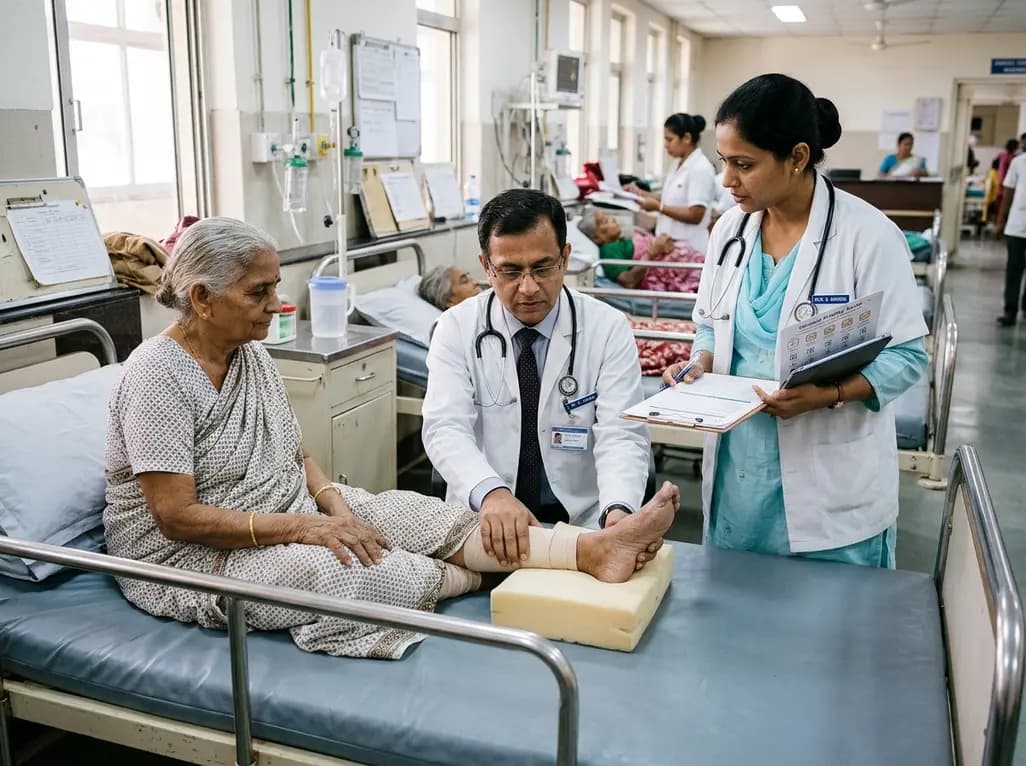
A retrospective cohort study reveals that frailty quadruples the odds of pressure injuries in hospitalized older adults. Integrating the Clinical Frailty Scale with comprehensive geriatric care is crucial for identifying vulnerability early and implementing targeted multidisciplinary prevention.
Today
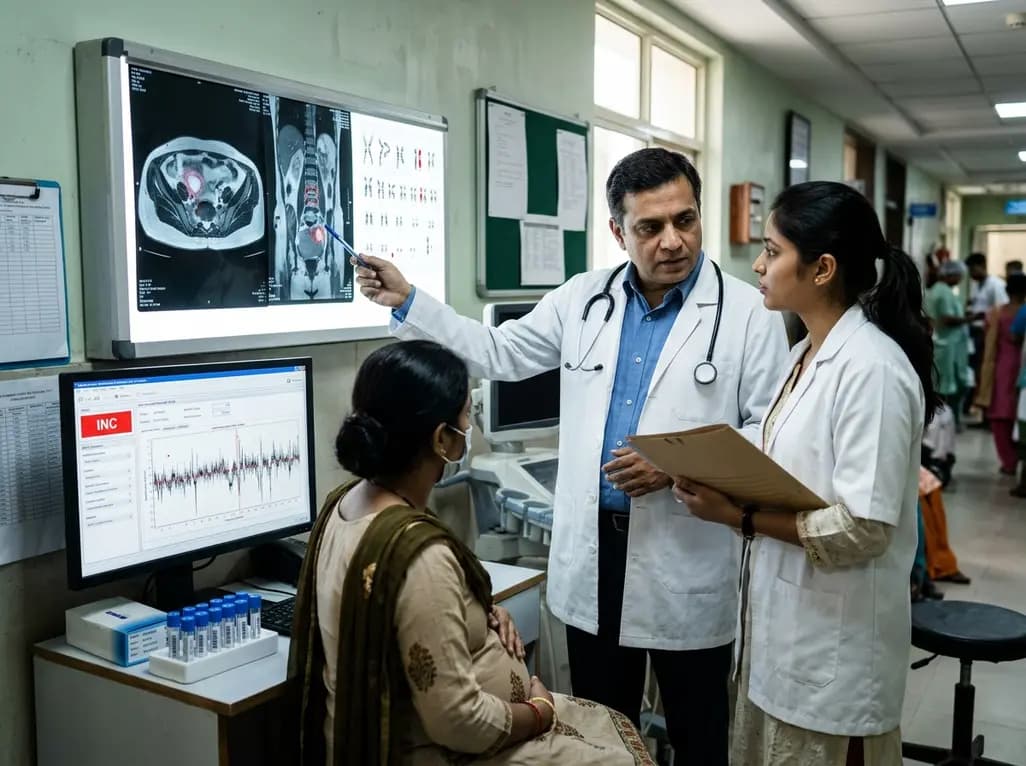
Occult maternal malignancy accounts for 3.82% of persistent unreportable NIPT results with genomic noise. Multiple chromosomal aberrations, notably on chromosome 18, warrant thorough oncological evaluation and whole-body MRI to ensure timely maternal diagnosis while preserving fetal care.
Today

This article reviews the forensic and clinical complexities of acute myocarditis arising on left ventricular hypertrophy in children, highlighting early diagnostic red flags and multidisciplinary postmortem autopsy protocols.
Today
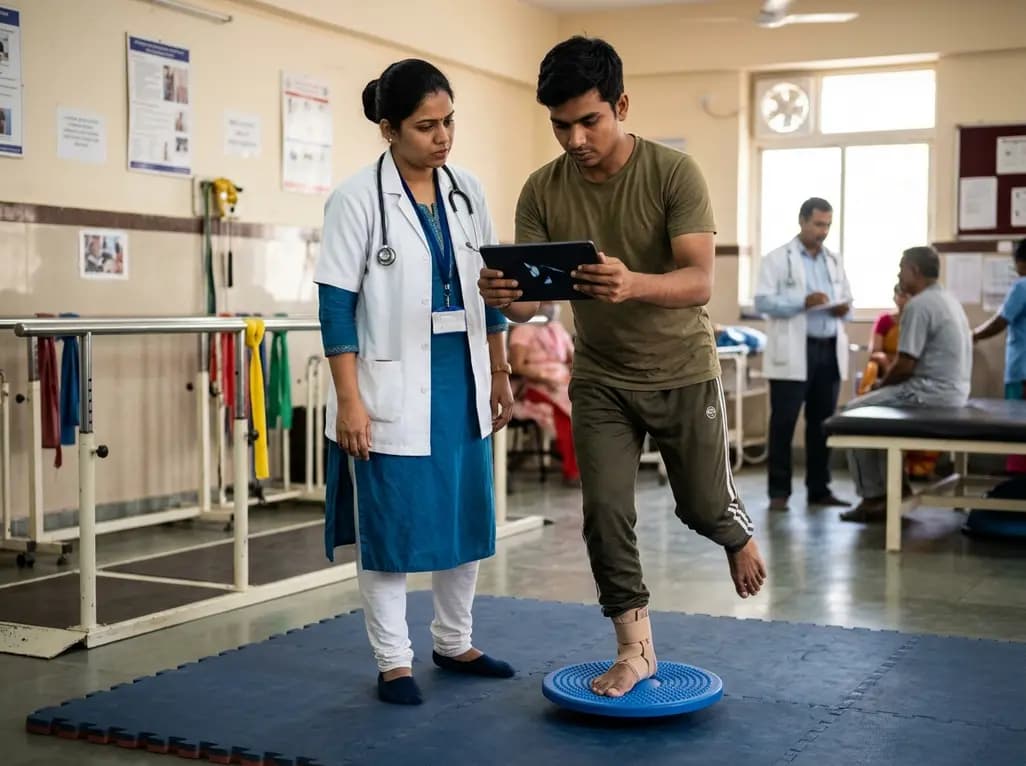
A randomized controlled trial demonstrates that an eight-week dual-task training intervention significantly improves static and dynamic postural control over standard balance exercises in individuals with chronic ankle instability, addressing critical neurocognitive deficits during athletic and daily activities.
Today

A retrospective cohort study of 7,716 ICU patients from the MIMIC-IV database demonstrates that Gradient Boosting Decision Trees significantly outperform traditional SOFA scores in predicting in-hospital mortality among patients with sepsis and diabetes, with SHAP analysis providing clinical interpretability.
Today
