.webp&w=384&q=75)

Loading, please wait...
Loading, please wait...
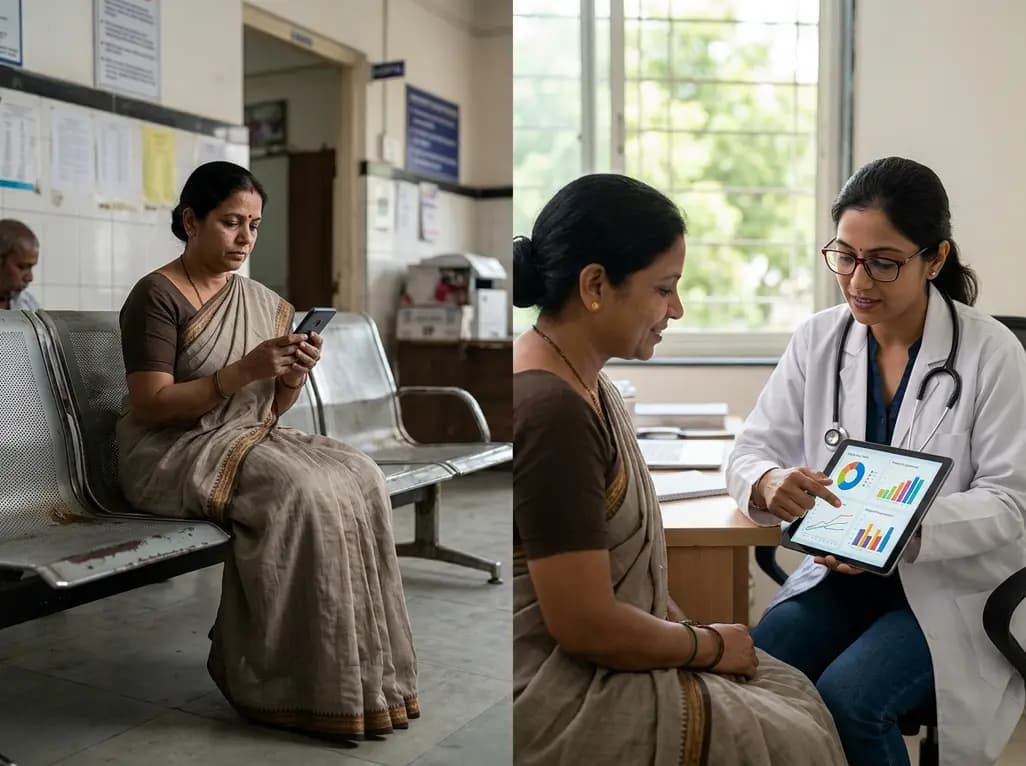
Chronic pain remains a significant global health burden, affecting millions and straining healthcare systems. In recent years, digital health interventions have emerged as a promising solution to bridge the gap in access to evidence-based care. The concept of digital pain self-management involves using software platforms, typically mobile apps or web portals, to provide patients with cognitive-behavioral strategies and educational resources. While these tools offer unparalleled convenience and scalability, the primary challenge for clinicians has been identifying the most effective delivery model. Traditional standalone downloads often suffer from low engagement and high attrition rates. Conversely, the medical community is increasingly exploring blended care models that combine digital resources with professional guidance. This approach aims to humanize digital interactions, ensuring patients feel supported throughout their therapeutic journey. As we move toward a more digitized healthcare landscape, understanding the nuances of how these interventions are delivered is critical for improving patient adherence and clinical outcomes. This study on the EPIO program provides a timely analysis of whether a "digital-only" approach can truly match the effectiveness of structured support systems.
The EPIO study specifically compared two distinct pathways for accessing its evidence-based digital pain self-management program. The first model was a direct digital download without any professional follow-up, reflecting the common consumer experience with health apps. The second model utilized a simple blended-care approach, where the digital program was supplemented with an introductory session and a follow-up call. The results revealed a stark contrast in program utilization. Participants in the blended care group engaged with the program for an average of 30 days, compared to a mere 10 days in the standalone group. This threefold increase in engagement suggests that even minimal human interaction can significantly boost the perceived value of digital tools. Furthermore, module completion rates were dramatically higher in the guided group, with 62% completing at least seven of nine modules, while only 23% of the standalone group achieved the same level of progress. These findings underscore the inherent limitations of solo digital interventions and highlight that digital pain self-management is not a “set it and forget it” solution for most patients. For clinicians, this indicates that prescribing an app is only half the battle; the delivery framework determines its ultimate clinical utility.
Blended care serves as a middle ground between resource-intensive in-person therapy and the impersonal nature of standalone applications. In the context of digital pain self-management, the simple addition of a human touch point helps to validate the patient’s experience and clarify complex self-regulation concepts. The EPIO program, which is rooted in cognitive-behavioral therapy and acceptance and commitment therapy (ACT) principles, requires active cognitive engagement. Without follow-up, many patients may struggle to translate digital instructions into daily habits. Qualitative analysis from the study indicated that participants in the standalone group frequently expressed a preference for more guidance. They noted that while the content was helpful, the lack of a structured accountability partner made it easier to deprioritize the intervention amidst daily stressors. Consequently, blended care does not just provide information; it provides the psychological scaffolding necessary for behavioral change. By integrating these tools into existing clinical workflows—where a nurse or physiotherapist can check in on progress—healthcare providers can ensure that digital interventions realize their full potential. This model maximizes the efficiency of digital delivery while maintaining the therapeutic alliance essential for managing chronic conditions.
Beyond engagement metrics, the study evaluated several clinical markers including pain interference, anxiety, and health-related quality of life (HRQoL). Both EPIO delivery models showed improvements over care-as-usual controls in areas such as pain acceptance and reduced catastrophizing. However, the blended care group consistently outperformed the standalone group in long-term outcomes. Significant improvements in HRQoL and self-regulation were more pronounced when guidance was provided. Pain acceptance, a key goal of modern digital pain self-management, allows patients to shift their focus from "fighting" the pain to living a values-driven life. The data suggests that this psychological shift is more successfully achieved when patients have a professional to guide them through the nuances of the EPIO program. Interestingly, the study also found that higher engagement was directly correlated with better results in pain severity and depression scores. This creates a clear clinical narrative: guidance leads to higher engagement, which in turn leads to superior psychological and physical outcomes. For practitioners, this reaffirms that digital tools should be viewed as adjuncts to care rather than replacements for clinical oversight. The success of digital interventions is inextricably linked to the quality of the therapeutic environment in which they are deployed.
One of the most striking findings of the research was the role of education level in determining intervention success. In the standalone EPIO group, participants with higher education levels showed significant improvements in pain severity, HRQoL, and anxiety, alongside higher completion rates. However, this educational advantage was not observed in the blended care group. This suggests that blended care acts as a critical equalizer. For patients with lower educational backgrounds or those who may struggle with health literacy, the guidance provided in a blended model compensates for potential barriers to self-guided learning. In standalone models, the cognitive load of self-teaching a complex psychological intervention may be too high for some, leading to early dropout. When we consider the socioeconomic diversity of chronic pain patients, this finding becomes vital for health equity. If we rely solely on standalone digital pain self-management tools, we risk widening health disparities by primarily benefiting those who already possess strong self-regulatory and educational resources. By prioritizing blended care for vulnerable populations, healthcare systems can ensure that the benefits of digital health are distributed more equitably across all patient demographics.
For medical practitioners in India, where the patient-to-doctor ratio is often skewed and resources are limited, these findings offer a practical roadmap. Implementing a full-scale in-person multidisciplinary pain clinic is often not feasible. However, a blended model of digital pain self-management presents a scalable alternative. Indian clinicians can leverage the high smartphone penetration by prescribing evidence-based apps while scheduling brief tele-consultations or nurse-led follow-ups to track progress. This approach addresses the high volume of chronic pain cases in both urban and rural settings without overwhelming tertiary care centers. Furthermore, the egalitarian nature of blended care is particularly relevant in the Indian context, where patients from diverse educational backgrounds seek care. A brief check-in to explain a module on activity pacing or diaphragmatic breathing can make the difference between a patient abandoning the app and achieving long-term pain stability. Consequently, the focus should shift toward creating “guided digital pathways” within Indian hospitals. By combining the cost-effectiveness of technology with the culturally ingrained value of the doctor-patient relationship, we can provide sustainable, high-quality care to those suffering from the debilitating effects of chronic pain across the subcontinent.
Blended care improves adherence by introducing human accountability and personalized guidance. When patients know a healthcare professional will follow up on their progress, they are more likely to complete the modules. The introductory session clarifies the program's goals, while follow-up calls allow for troubleshooting and the reinforcement of complex concepts. This structured approach reduces the isolation often felt with standalone apps, keeping patients motivated to continue their digital pain self-management journey over several months.
While all patients generally benefit from guidance, the study highlights that individuals with lower educational backgrounds see the most significant relative gains from blended care. Standalone apps often require a high level of self-motivation and cognitive engagement that can be difficult for some to maintain. Blended care acts as an equalizer, providing the necessary support to ensure that digital health benefits are accessible to all patients, regardless of their socioeconomic or educational status.
Yes, evidence-based digital tools like EPIO can reduce pain catastrophizing by teaching cognitive-behavioral techniques such as reframing and mindfulness. However, the reduction is more consistent and sustained when these tools are part of a blended care model. Guidance helps patients apply these abstract psychological strategies to their specific real-world challenges. While a solo app provides the theory, professional support ensures the practical application necessary to successfully lower catastrophizing and improve overall pain acceptance levels.
Disclaimer: This content is for informational and educational purposes only and does not constitute professional medical advice, diagnosis, or treatment. Always seek the advice of your physician or other qualified healthcare provider with any questions you may have regarding a medical condition. Never disregard professional medical advice or delay in seeking it because of something you have read here. Refer to the latest local and national guidelines for clinical practice.
References
Solberg Nes L et al. Delivery Model Matters for Digital Interventions in Pain Self-Management: Mixed Methods Study. J Med Internet Res. 2026 Jul 20. doi: 10.2196/89780. PMID: 42475133.
Børøsund E, et al. Living well with chronic pain: a 12-month randomized controlled trial revealing impact from the digital pain self-management program EPIO. J Med Internet Res. 2024;26:e47284.
Darnall BD, et al. Effectiveness of a 2-Hour Mindfulness-Based Self-Care and Pain Management Intervention for Chronic Pain: A Randomized Clinical Trial. JAMA Netw Open. 2021;4(10):e2130029.

Read summarized clinical updates, watch expert medical content, and earn CME certifications right from your smartphone.
Open your smartphone camera to scan and install.





A comparative study on the EPIO program highlights that digital pain self-management interventions are significantly more effective when delivered via blended care models. While standalone apps offer convenience, guided support improves module completion and outcomes, particularly for patients with lower education.
3 months ago

A landmark 12-year longitudinal study highlights significant reductions in opioid prescribing for nonspecific low back pain following clinical guidelines and prescription monitoring systems, emphasizing non-opioid multimodal pain care.
Today

A study in Ultrasound in Obstetrics & Gynecology shows that quantitative vascularization of the anterior fornix/cervix with transvaginal ultrasound reliably identifies placenta accreta spectrum and predicts severe intraoperative hemorrhage, offering vital objective risk stratification.
Today
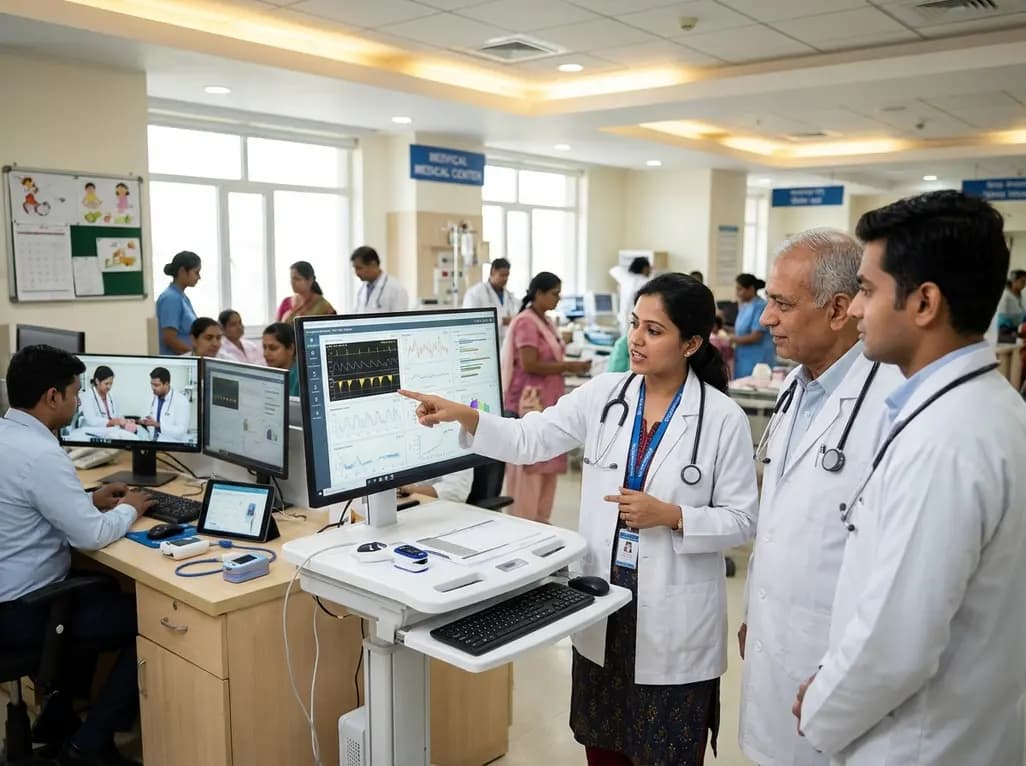
A landmark study details how an enterprise pediatric remote patient management model expanded from a single cardiology pilot to 16 diverse specialty programs by combining centralized digital operations with specialty clinical leadership.
Yesterday
A breakthrough study shows that 3D-planned corrective osteotomy successfully resolves distal radioulnar joint instability in pediatric diaphyseal forearm malunions. The precise osseous realignment eliminates chronic wrist pain and restores joint function without requiring secondary soft-tissue reconstruction.
Today

Protein O-GlcNAcylation couples cellular nutrient status to vital neuronal functions. This review explores how disrupted O-GlcNAc cycling drives both neurodevelopmental delays and neurodegenerative cascades, positioning metabolic post-translational modifications as therapeutic targets in clinical neurology.
Today
