.webp&w=384&q=75)

Loading, please wait...
Loading, please wait...
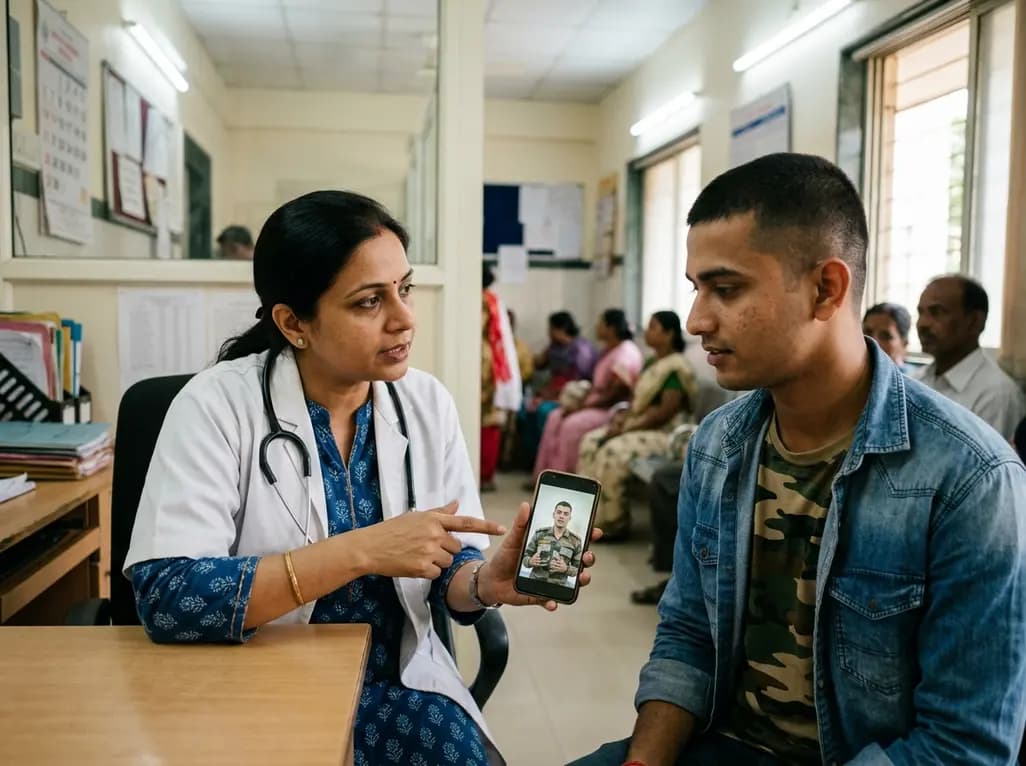
Transitioning from active military service to civilian life involves major psychological, social, and structural adjustments. During this vulnerable phase, individuals face heightened risks of severe depression, post-traumatic stress, and suicidal ideation. However, pervasive social stigma and institutional distrust frequently prevent timely mental health treatment initiation. A recent randomized clinical trial published in the American Journal of Public Health demonstrates that a mobile video campaign can effectively overcome these barriers. By delivering targeted peer narratives directly to smartphones, health systems can significantly boost care initiation among high-risk individuals.
The first three years following military separation represent a critical period of elevated psychological vulnerability. Service members often experience an abrupt loss of routine, community cohesion, and military identity. Unfortunately, conventional healthcare outreach relies heavily on passive contact methods, such as mailed brochures or general hotlines. Because military culture deeply prioritizes personal stoicism and self-reliance, treatment-naïve individuals frequently avoid professional consultation until acute crises occur.
Furthermore, traditional public health messaging often fails to engage distressed individuals effectively. Consequently, early therapeutic windows close without intervention, exacerbating chronic distress and suicide risk. Therefore, proactive digital engagement models are essential to bridge this care gap. By delivering empathetic, relatable communication directly into personal environments, healthcare systems can actively dismantle stigma. Meeting patients where they are digitally normalizes psychiatric symptoms and empowers vulnerable individuals to pursue essential clinical support early.
To evaluate whether proactive digital messaging improves clinical engagement, researchers tested the MiliStories mobile campaign across the United States. Conducted from December 2022 to June 2025, this remote randomized clinical trial recruited 355 treatment-naïve military veterans. Importantly, all participants endorsed moderate psychological distress and had separated from service within the past three years. Clinicians conducted thorough telephone assessments at baseline to confirm eligibility criteria.
Following baseline stratification, investigators randomized participants to either the active digital campaign or a waitlist control group. The intervention cohort accessed four brief, weekly video messages through a mobile application over one month. These videos specifically addressed help-seeking ambivalence, fear of vulnerability, and therapeutic misconceptions. Meanwhile, blinded evaluators gathered follow-up assessments at one and two months. By using generalized estimating equations with a logit link function, the researchers robustly analyzed intent-to-treat clinical outcomes across both cohorts.
The trial results showed that brief digital messaging substantially increased care seeking. Specifically, participants receiving the MiliStories intervention were nearly twice as likely to achieve formal mental health treatment initiation by the two-month follow-up compared to controls. This statistically significant outcome confirmed that targeted digital engagement directly alters downstream clinical behaviors in high-risk populations.
Moreover, the investigators identified a number needed to treat of 15. In clinical epidemiology, an NNT of 15 represents exceptional efficacy for a scalable public messaging campaign. While population-level educational campaigns usually produce minor incremental gains, this mobile intervention achieved rapid, clinically meaningful action. Importantly, these positive effects persisted beyond the one-month intervention period, demonstrating sustained motivational change. Consequently, brief video-based communication offers a potent, evidence-based mechanism to connect distressed individuals with professional psychiatric services before severe clinical deterioration occurs.
The clinical effectiveness of the MiliStories intervention stems from established behavioral economics and narrative persuasion principles. Standard psychoeducational pamphlets often present abstract clinical lists that fail to resonate with emotionally distressed individuals. In contrast, MiliStories utilized authentic video narratives featuring real veterans who openly described their own hesitations, emotional struggles, and successful therapy experiences.
Consequently, observing relatable peers validate psychological difficulties helped participants reframe treatment seeking as a sign of strength rather than personal failure. Furthermore, the video vignettes clearly demystified the therapeutic process, explaining what happens during an initial psychiatric evaluation. This transparent framing significantly reduced anticipatory anxiety and skepticism regarding clinical care. Additionally, the mobile app platform ensured complete confidentiality, eliminating fears of social embarrassment or professional consequences. Thus, personalized storytelling converted passive awareness into decisive, proactive healthcare action.
These compelling findings offer vital clinical insights for healthcare delivery systems, corporate wellness programs, and community psychiatry. In both military and civilian settings, early psychiatric intervention substantially improves long-term outcomes and reduces suicide rates. However, traditional outpatient clinics continually struggle with underutilization among high-risk groups, including young adults, emergency responders, and transitioning workers.
Integrating targeted digital video messaging into standard transitional protocols can revolutionize preventive psychiatry. Health systems can easily deploy automated mobile outreach when individuals undergo major life transitions or employment changes. Furthermore, clinicians can utilize similar video decision aids within primary care settings to encourage open dialogue about emotional distress. Because digital messaging scales efficiently with minimal marginal cost, healthcare systems can expand access dramatically without overextending clinical staff. Ultimately, proactive digital tools represent an indispensable bridge to evidence-based mental healthcare.
The primary objective was to evaluate whether a targeted digital messaging campaign could increase mental health treatment initiation among military veterans at risk for suicide within three years of discharge. Researchers enrolled 355 treatment-naïve veterans with moderate psychological distress to test whether four weekly mobile video messages could motivate individuals to overcome institutional stigma and voluntarily engage in professional psychiatric care.
Mobile video messaging facilitates help-seeking by using authentic peer narratives that normalize psychological vulnerability and reduce pervasive stigma. By showcasing relatable individuals who describe their emotional struggles and successful therapy experiences, the videos demystify the clinical process. Additionally, delivering content discreetly through a mobile app provides complete confidentiality, mitigating anticipatory anxiety and empowering patients to access timely professional psychiatric support.
A number needed to treat of 15 indicates that for every 15 veterans exposed to the brief mobile messaging campaign, one additional individual initiated professional mental health treatment. In public health and behavioral medicine, an NNT of 15 demonstrates remarkable clinical efficiency for a low-cost, scalable digital intervention, proving that brief video nudges can drive substantial population-level behavioral improvements.
Disclaimer: This content is for informational and educational purposes only. It is not intended to substitute for professional medical advice, diagnosis, or treatment. Always seek the advice of your physician or another qualified healthcare provider with any questions you may have regarding a medical condition. Never disregard professional medical advice or delay in seeking it because of something you have read here. The views and opinions expressed in this article are those of the authors and do not necessarily reflect the official policy or position of any medical organization or healthcare institution. Refer to the latest local and national guidelines for clinical practice.
References
Karras E et al. Campaign Use to Increase Treatment Initiation in US Veterans Transitioning From Military Service. Am J Public Health. 2026 Aug 20. doi: 10.2105/AJPH.2026.308627. PMID: 42623583.
Stacy M, Walker JA. Suicide Prevention 2.0 (SP 2.0) Clinical Telehealth Program. VA Health Systems Research. 2024.
Department of Veterans Affairs. Implementation of a fully virtual enterprise-wide clinical evidence-based suicide prevention program in the U. S. Department of Veterans Affairs. Front Psychiatry. 2024.

Read summarized clinical updates, watch expert medical content, and earn CME certifications right from your smartphone.
Open your smartphone camera to scan and install.





A remote clinical trial published in AJPH reveals that the MiliStories mobile video campaign nearly doubled mental health treatment initiation among US veterans transitioning from military service. The findings highlight how brief, scalable digital interventions can dismantle stigma and connect vulnerable populations to care.
last month

This clinical review examines the dangerous intersection of climate change and antimicrobial resistance (AMR). It highlights thermal selection, altered transmission pathways, and the imperative for One Health and Planetary Health adaptation frameworks to preserve therapeutic efficacy.
Today
Discover the crucial distinctions between mesonephric and mesonephric-like proliferations of the female genital tract. Learn the key histomorphologic, immunohistochemical, and molecular differences essential for accurate diagnosis and clinical management.
Today
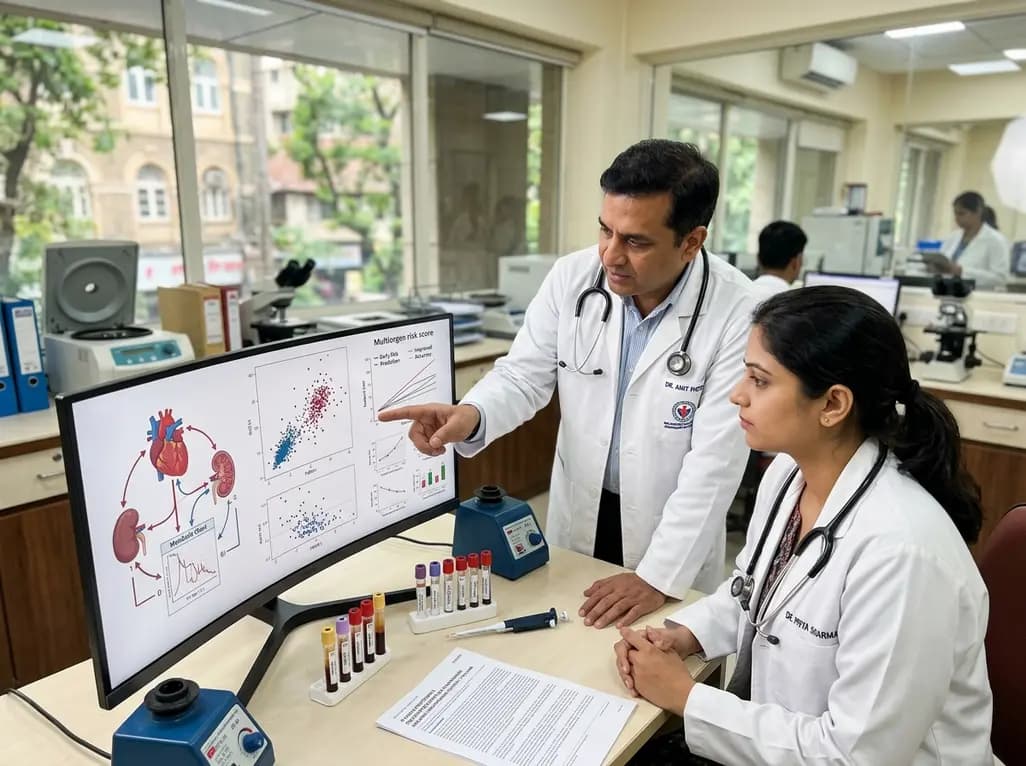
A large UK Biobank study reveals that plasma proteomic signatures capture preclinical organ damage and improve multiorgan risk prediction across early CKM syndrome stages 0 to 2 beyond traditional PREVENT clinical models.
Today

A narrative review investigates whether the articularis genus muscle functions as an independent anatomical entity or blends with the vastus intermedius. We evaluate its morphology, role in retracting the suprapatellar bursa, and direct clinical significance in anterior knee pain and arthroplasty.
Today

A Bayesian multilevel meta-analysis reveals that aerobic training combined with moderate carbohydrate restriction modestly lowers HbA1c in type 2 diabetes. However, sparse data and very low certainty leave incremental benefits over exercise or diet alone unproven, highlighting the need for individualized care.
Today
