.webp&w=384&q=75)

Loading, please wait...
Loading, please wait...
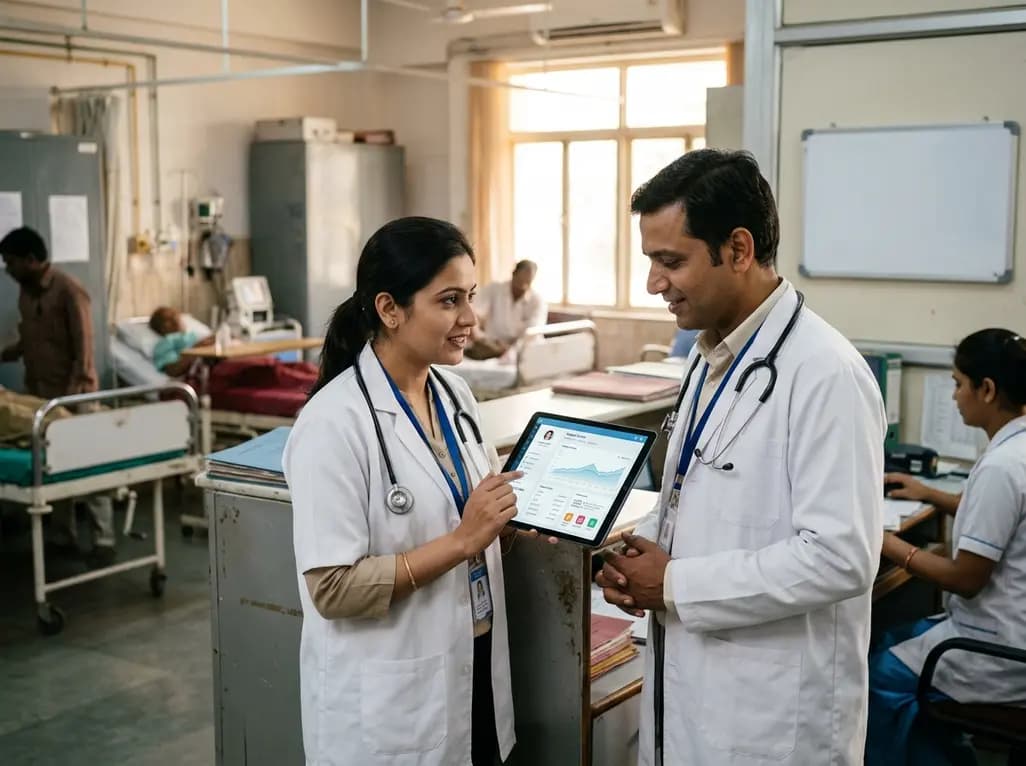
Digital health in India is entering an expansive phase of decentralized adoption across tier-two and tier-three healthcare centers. Historically, large multi-specialty tertiary networks dominated the digital landscape because they had dedicated information technology personnel and abundant funding. However, modern clinical practice increasingly demands comprehensive digital workflows across peripheral nursing homes and intermediate care units. The Government of India has accelerated this transformation through the Ayushman Bharat Digital Mission, widely known as ABDM. According to the Ministry of Health and Family Welfare, citizens have created nearly eighty-seven crore Ayushman Bharat Health Accounts to anchor longitudinal medical documentation. Consequently, smaller private clinics and community hospitals are recognizing the operational benefits of digital transition. Replacing manual paper records with integrated software creates structured clinical workflows that enhance diagnostic accuracy. Furthermore, this transition reduces administrative overhead for overburdened healthcare practitioners. Clinicians can retrieve past diagnostic evaluations and treatment histories rapidly, which prevents therapeutic delays and redundant investigations. As digital public infrastructure matures, smaller clinical establishments are evolving into vital contributors toward connected public healthcare delivery.
For decades, physical filing cabinets and manual documentation systems have generated significant operational hurdles for small healthcare centers. A single patient encounter produces fragmented documents, including handwritten outpatient prescriptions, printed clinical biochemistry panels, diagnostic imaging sheets, and discharge summaries. Therefore, physical record maintenance requires considerable spatial capacity, clerical workforce, and continuous physical cataloging. In addition, when patients transition between different consulting specialists or primary facilities, paper records often face misplacement or physical degradation. Dr RKS Dhakad, Dean and Professor at Gajra Raja Medical College, highlighted that managing physical records poses persistent administrative bottlenecks. Manual record keeping diverts nursing and clinical staff away from direct bedside care toward tedious filing tasks. Moreover, physicians practicing in busy outpatient clinics frequently lose critical context when treating complex multi-morbid patients who fail to carry previous prescriptions. Incomplete documentation increases the hazard of adverse drug interactions, redundant prescription patterns, and overlooked contraindications. Hence, progressive hospital administrators now view technology not merely as an administrative billing upgrade, but as a clinical necessity that safeguards patient outcomes.
The Ayushman Bharat Digital Mission creates a federated digital architecture that links disjointed clinical touchpoints across the country. Central to this architecture is the Ayushman Bharat Health Account, which provides a verified longitudinal health identifier for individual citizens. Similarly, the Health Facility Registry assigns standardized digital credentials to hospitals, day surgery centers, diagnostic laboratories, and neighborhood clinics. Under this framework, authorized clinicians exchange medical summaries seamlessly across different hospital management software platforms through open application programming interfaces. However, patient consent remains central to this entire data ecosystem. Patients must explicitly authorize digital data transactions before a consulting doctor accesses historical diagnostic records. This architecture breaks down institutional silos and prevents medical data from remaining trapped inside standalone servers. Consequently, a family physician in a remote district can instantly review tertiary discharge summaries or cardiological interventions performed months earlier in a metropolitan center. This interoperable data sharing significantly elevates chronic disease management, facilitates timely emergency interventions, and establishes uniform national standards for clinical documentation.
The rapid momentum of digital health in India has catalyzed software developers to engineer lightweight, cloud-native Hospital Management Information Systems. In the past, institutional hospital software packages were excessively complex, capital-intensive, and difficult for non-technical clinical personnel to navigate. Conversely, modern modular solutions cater specifically to intermediate facilities operating on limited capital budgets. For example, contemporary platforms integrate appointment scheduling, front-desk triage, electronic medical records, pharmacy inventory, and billing modules within a unified graphical interface. Furthermore, these platforms link directly with ABDM gateways, enabling quick generation of digital tokens and swift verification of patient health accounts. Ashutosh Saxena, Director and Tech Lead at Opportunity Global Infotech, pointed out that platforms like Qorlia help mid-sized facilities organize complex medical data alongside routine financial invoicing. As a result, small hospital teams can coordinate laboratory orders, monitor medication administration schedules, and file insurance documentation without duplicating manual entries. This digital cohesion accelerates discharge turnaround times, minimizes billing discrepancies, and empowers clinicians to dedicate more clinical time to inpatient care.
Although the clinical advantages of digital workflows are substantial, widespread implementation across intermediate care centers faces several practical hurdles. First, migrating from traditional physical record keeping to fully electronic medical charting requires capital expenditure on computing hardware, local network cabling, and high-speed internet links. Second, hospital leadership must invest adequate time into structured staff training programs to overcome initial user reluctance. Nursing professionals and administrative receptionists require continuous support to navigate electronic interfaces without disrupting daily outpatient queues. Third, medical data confidentiality and cybersecurity demand rigorous technical vigilance. Digital health records store highly sensitive personal health identifiers, comprehensive diagnostic profiles, and financial transaction histories. Therefore, small hospital administrations must institute granular role-based access protocols, robust data encryption standards, and routine security audits. Complying with evolving data protection regulations is essential to maintain patient trust and prevent unauthorized digital breaches. Consequently, clinic managers must carefully evaluate technology vendors to ensure stringent regulatory adherence, reliable data backup mechanisms, and uninterrupted technical support before deploying clinical software systems.
The ongoing expansion of digital infrastructure is systematically reshaping how healthcare practitioners deliver community medical care across India. As intermediate care facilities integrate interoperable digital platforms, regional referral systems will function with superior continuity and collaborative efficiency. Patients will no longer need to carry thick physical folders of paper reports, film radiographs, and paper receipts between hospital visits. Instead, verified digital health accounts will allow immediate, consent-driven medical record retrieval across primary, secondary, and tertiary clinical networks. In addition, aggregated and anonymized digital health data will assist public health authorities in identifying emerging regional disease outbreaks and tracking chronic disease prevalences. Ultimately, the modernization of intermediate hospitals represents a profound systemic evolution rather than a mere technical milestone. By bridging fragmented clinical channels, digital integration enhances diagnostic accuracy, prevents medication discrepancies, and broadens healthcare accessibility across underserved geographies. Small healthcare facilities are thus securing their position as the fundamental backbone of India's rapidly modernizing, technology-enabled healthcare ecosystem.
Q1: What role does the Ayushman Bharat Health Account play in small hospital workflows?
The Ayushman Bharat Health Account acts as a unified digital identifier that links a patient's historical medical records across multiple healthcare facilities. For small hospitals, ABHA integration simplifies patient registration, reduces paper-based filing errors, and allows authorized clinicians to review past prescriptions, lab tests, and discharge summaries with explicit patient consent, thereby improving clinical decision-making during consultations.
Q2: How do modern hospital information systems improve patient safety during treatment?
Modern hospital information systems organize patient allergies, diagnostic reports, and past prescription data into a centralized electronic chart. When doctors input new therapeutic orders, integrated software can alert them to drug interactions or dosage contraindications. This structured access prevents diagnostic oversights, eliminates handwriting misinterpretations, and ensures accurate continuity of care across different departmental shifts.
Q3: What critical data protection practices must smaller hospitals implement during digitalization?
Smaller hospitals must enforce strict role-based access controls so that only authorized healthcare personnel can access sensitive medical records. Additionally, facilities should implement end-to-end data encryption, establish secure cloud backups, conduct regular staff training on cybersecurity hygiene, and adhere strictly to national consent management protocols defined under current digital health and data protection regulations.
Disclaimer: This content is for informational and educational purposes only. It does not constitute medical advice or replace professional judgment. Refer to the latest local and national guidelines for clinical practice.
References

Read summarized clinical updates, watch expert medical content, and earn CME certifications right from your smartphone.
Open your smartphone camera to scan and install.





India's digital healthcare expansion is rapidly reaching small and mid-sized hospitals. Driven by the Ayushman Bharat Digital Mission, peripheral healthcare centers are adopting interoperable electronic health records, connected hospital software, and unified workflows to elevate patient care and clinical governance.
Today
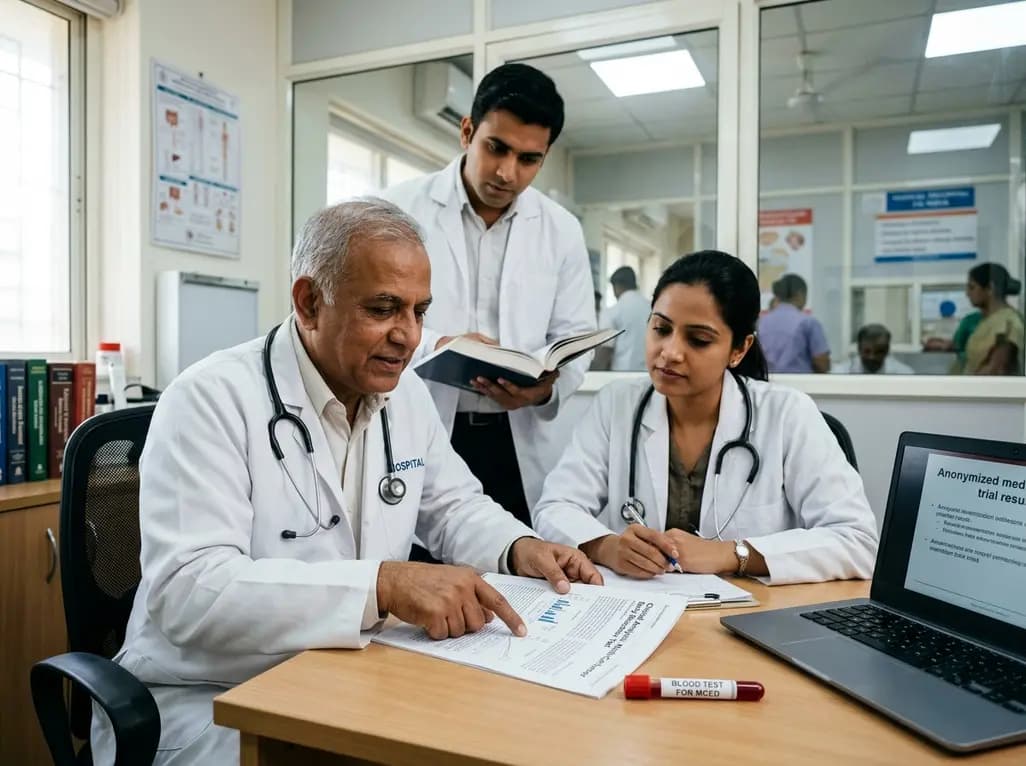
An FDA advisory committee has unanimously affirmed the safety of Grail's Galleri multi-cancer early detection blood test while offering split support on clinical efficacy. Here is an in-depth clinical analysis of the panel vote, trial evidence, diagnostic accuracy, and prospective implications for oncology practice.
Today
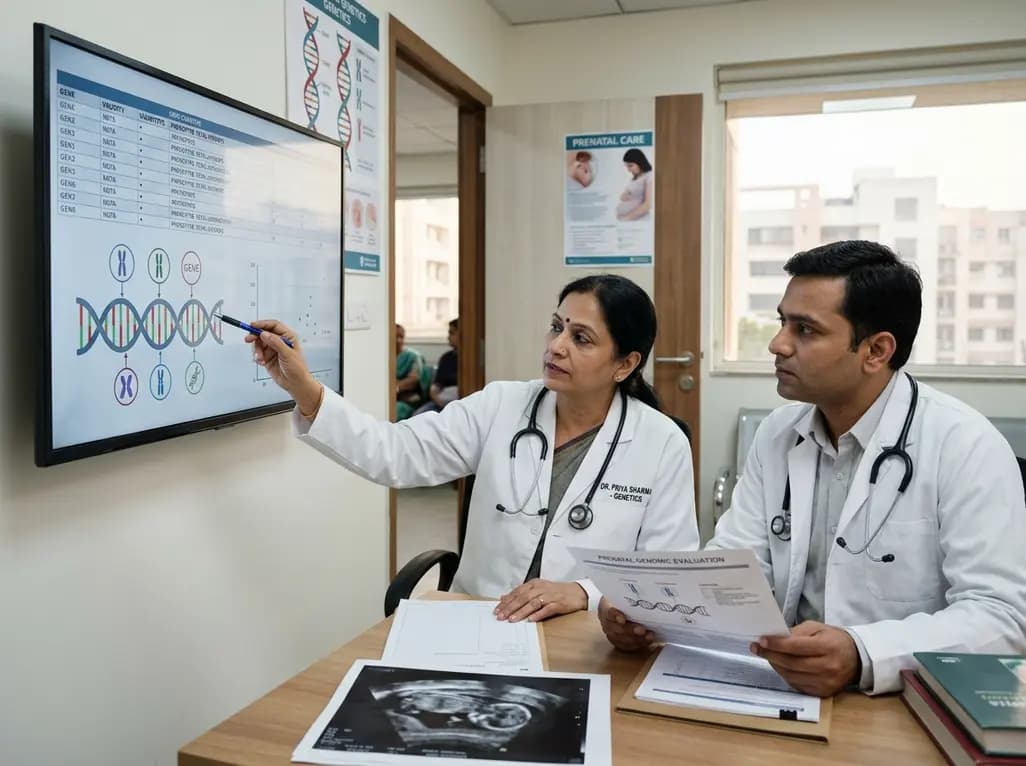
The ClinGen Prenatal Gene Curation Expert Panel evaluated 63 disease relationships across 61 genes, establishing clinical validity for severe fetal phenotypes like hydrops and stillbirth to enhance prenatal genomic interpretation and clinical care.
Today
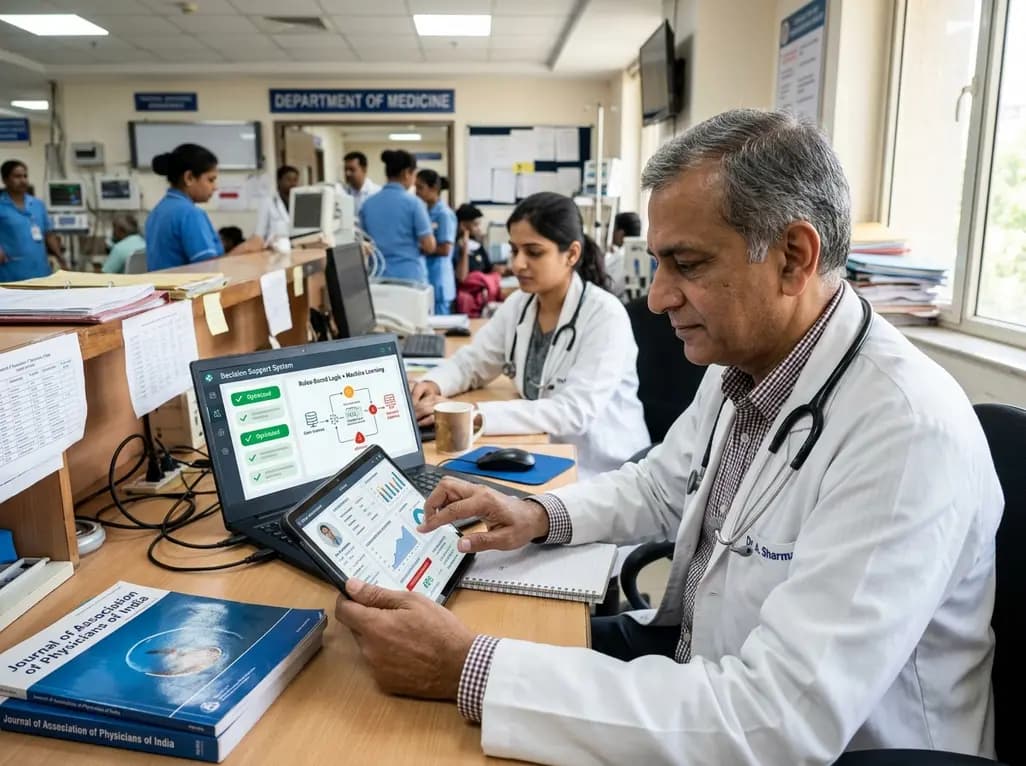
A multicenter study validates a hybrid clinical decision support system combining rule-based logic and machine learning to optimize anticoagulant prescription reviews, reducing alert fatigue and intercepting prescribing errors.
Today
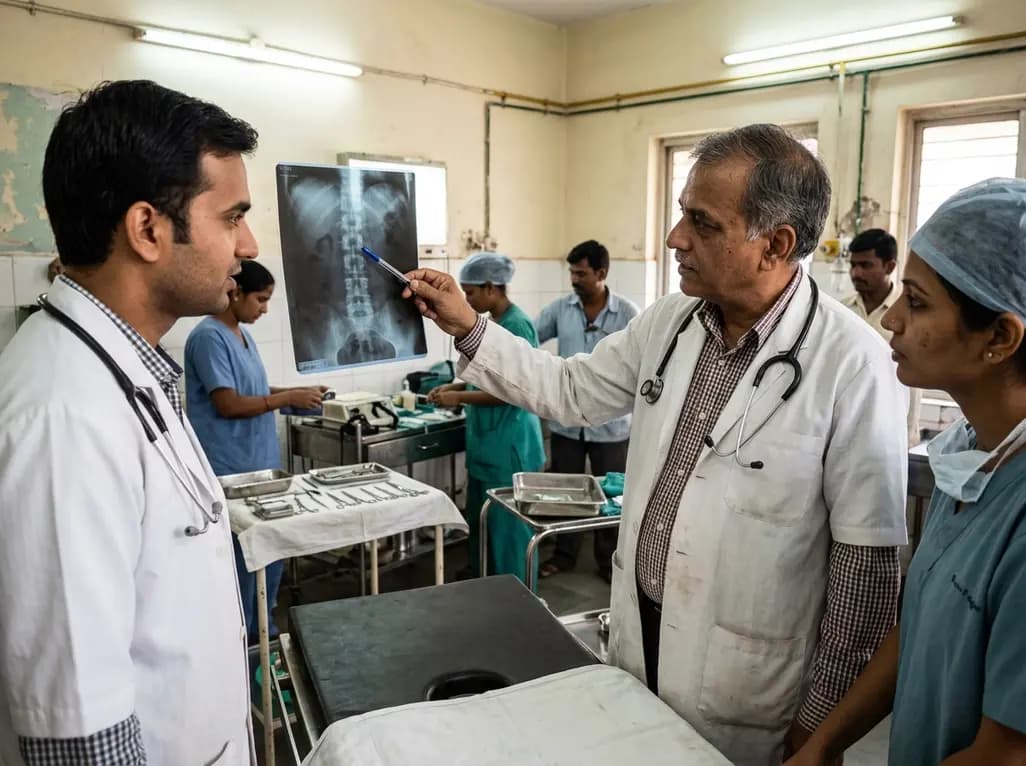
Spine surgery missions in low-resource settings bridge global healthcare gaps when executed with ethical rigor, meticulous logistics, and sustained local partnerships. Learn key practical strategies for financial planning, equipment procurement, patient selection, and bilateral surgical education.
Today
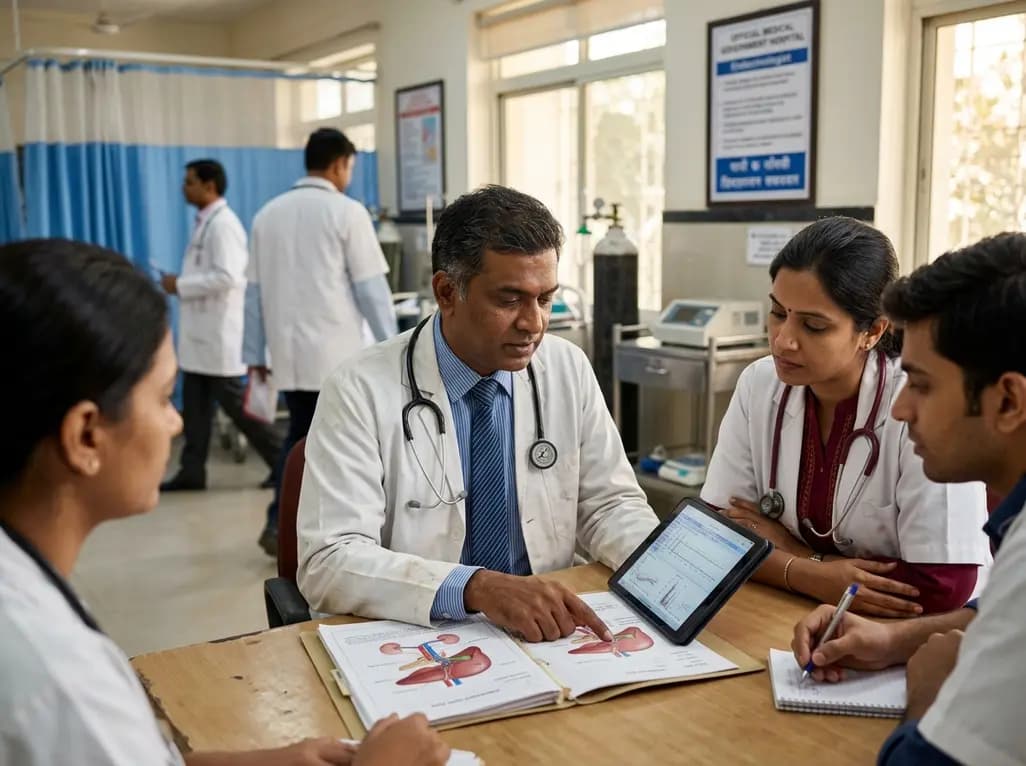
Clinical guidelines rely heavily on isolated biomarkers like IGF-1 and HbA1c. However, portal insulin delivery fundamentally gates hepatic growth hormone sensitivity. This physiological continuum unites type 1 and type 2 diabetes, obesity, cirrhosis, and acromegaly, challenging conventional treatment strategies.
Today
