.webp&w=384&q=75)

Loading, please wait...
Loading, please wait...

Tracking clinical competencies during community postings remains an ongoing challenge for medical institutions worldwide. In distributed training environments, educators often struggle to monitor student experiences across remote healthcare centers. A recent observational study published in JMIR Formative Research shows how medical colleges can implement student-reported digital daily logs alongside artificial intelligence to capture real-world learning. This mixed-methods evaluation followed senior medical students during decentralized community clerkships, analyzing procedural practice and written reflections. Furthermore, the researchers demonstrated that digital workflows capture comprehensive clinical exposure while reducing administrative delay. Ultimately, these findings offer timely strategies for institutions seeking to strengthen competency-based medical training and workplace supervision.
Historically, medical schools relied on retrospective paper registers to document undergraduate clinical encounters during primary care postings. However, paper logbooks often lead to recall bias, incomplete records, and substantial administrative delay. To resolve these chronic challenges, investigators evaluated an accessible workflow using cloud-based digital daily logs during community clerkships. The study examined 112 fifth-year medical students completing three-week rotations in Japan following regulatory reforms supporting student clinical participation. Trainees documented their daily exposure across 50 core clinical competencies using structured digital spreadsheets. Remarkably, this pragmatic method achieved a 99.6 percent completion rate across 1,497 eligible student-days. Therefore, the digital system confirmed that simple mobile-friendly tools can collect reliable data without overwhelming busy trainees. Consequently, faculty gained timely visibility into student learning activities rather than waiting for post-clerkship reviews. In addition, prompt documentation encouraged students to reflect continuously on their clinical tasks. Overall, replacing traditional paper books with responsive digital logs strengthens oversight across decentralized teaching networks.
The study evaluated whether clinical exposure differed systematically across diverse community health facilities. Specifically, researchers compared locations led by university-trained community-based attending physicians against sites without specialized faculty development training. The analysis showed that students at trained preceptor sites performed more examination-based, lower-risk clinical activities. However, researchers observed no significant difference between the two cohorts regarding basic clinical and emergency procedures. Further sensitivity analyses revealed that clinical exposure depended primarily on community healthcare environments rather than individual preceptor training. Medically underserved placements, home visit frequency, and baseline rural self-efficacy strongly influenced the volume of student experiences. Consequently, educators must recognize that distinct primary care environments naturally provide unique learning opportunities. For instance, rural health centers emphasize home visits and chronic disease management, whereas suburban clinics offer acute ambulatory encounters. Therefore, medical schools should map clerkship locations intentionally to ensure balanced clinical exposure. Moreover, daily digital tracking helps directors identify learning disparities early and rebalance clinical rotations appropriately.
In addition to counting procedures, modern competency-based education emphasizes written reflections to assess professional growth. However, reviewing hundreds of narrative portfolios creates substantial administrative work for clinical educators. To address this workload, the study combined artificial intelligence with rigorous human verification to analyze 4,097 reflection units. The automated workflow sorted qualitative reflections against established national core curriculum objectives. Importantly, investigators treated artificial intelligence as an initial sorting tool rather than a final evaluator. Human educators reviewed and validated every candidate coding decision to preserve contextual accuracy. As a result, the faculty substantially decreased manual grading burdens while maintaining educational rigor. Furthermore, this hybrid model demonstrates how machine learning can assist faculty without compromising qualitative assessment integrity. By streamlining routine textual categorization, artificial intelligence frees clinical teachers to provide meaningful personal feedback. Ultimately, human oversight remains indispensable to ensure that automated tools do not overlook subtle emotional and ethical lessons.
These observational findings offer valuable practical guidance for Indian medical colleges navigating National Medical Commission directives. Under the revised Competency-Based Medical Education curriculum, Indian regulations require structured logbooks and continuous workplace-based formative evaluations. Moreover, initiatives such as the Family Adoption Programme and rural health postings place undergraduate students in peripheral community facilities. However, monitoring students across distant Primary Health Centres remains a significant operational challenge for Community Medicine departments. Adopting lightweight digital logging systems modeled after this study can greatly improve longitudinal monitoring. Furthermore, electronic platforms allow teaching hospitals to verify clinical exposure remotely and prevent retrospective data falsification. As regulatory authorities increasingly prioritize digital compliance and verifiable training milestones, structured e-logbooks offer an efficient solution. Consequently, department heads can spot individual competency deficiencies early and implement corrective measures promptly. In addition, establishing transparent digital tracking guarantees that every Indian Medical Graduate achieves mandatory community-oriented skills.
Institutions seeking to modernize community clerkships must implement technology deliberately to ensure high learner engagement. First, academic departments should create concise, standardized digital logging templates that students can update quickly on smartphones. Standardizing entries around validated core competencies clarifies training goals and reduces cognitive fatigue for trainees. Furthermore, institutions must conduct faculty development workshops for peripheral doctors, ensuring preceptors understand how to guide students through community-specific procedures. Medical colleges should also pilot artificial intelligence tools cautiously, enforcing strict human verification protocols for qualitative evaluations. In addition, leaders must cultivate an open learning culture where students feel safe reflecting honestly on mistakes or ethical dilemmas. Regularly reviewing aggregated dashboard analytics enables curriculum committees to detect procedural deficits and redistribute student postings dynamically. Ultimately, combining accessible mobile tools with engaged faculty mentorship elevates clinical clerkship quality and promotes lifelong reflective practice.
Digital daily logs provide real-time visibility into student learning activities, effectively eliminating retrospective recall bias and delayed submissions. Unlike traditional paper registers that faculty review weeks later, cloud platforms allow preceptors to monitor daily procedural exposure across distributed community sites. Furthermore, aggregated digital analytics immediately highlight individual training gaps, enabling medical faculties to arrange targeted remedial opportunities before rotations finish, thereby preserving educational equity and competency attainment.
Although artificial intelligence rapidly categorizes vast textual datasets against curriculum frameworks, algorithms frequently misunderstand nuanced clinical language, ethical reflections, and emotional subtexts. Human verification ensures that educators accurately interpret reflective depth, empathy, and professional development without reducing genuine student experiences into rigid automated labels. Moreover, direct faculty oversight safeguards assessment validity, maintains pedagogical trust, and ensures that sensitive educational feedback remains grounded in real-world bedside realities.
Indian medical colleges can integrate cloud-based daily logging workflows into existing institutional learning management systems to satisfy National Medical Commission competency requirements. By standardizing digital templates according to undergraduate logbook guidelines, departments of Community Medicine can easily track clinical exposure during rural postings and family adoption visits. Furthermore, electronic sign-offs by community preceptors streamline monthly faculty verifications, ensuring transparent, inspection-ready academic documentation while significantly reducing faculty paperwork burdens.
Disclaimer: This content is for informational and educational purposes only and should not be considered medical advice. Always consult a qualified healthcare provider for diagnosis and treatment. Medical knowledge and guidelines evolve; verify all information independently. Refer to the latest local and national guidelines for clinical practice.
References

Read summarized clinical updates, watch expert medical content, and earn CME certifications right from your smartphone.
Open your smartphone camera to scan and install.





A recent JMIR study demonstrates that student-reported digital daily logs and human-verified AI reflection coding capture real-time clinical clerkship experiences. The workflow achieved a 99.6% completion rate, offering valuable insights for modernizing competency tracking in community medical education.
Today
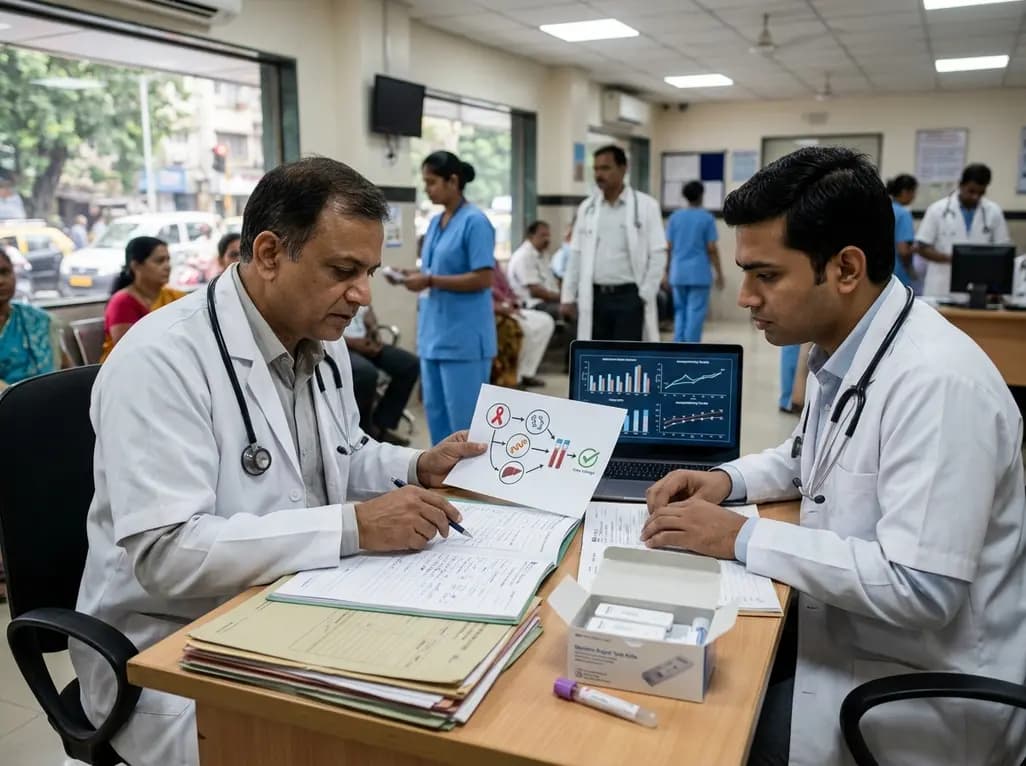
A retrospective analysis of over 100,000 voluntary testing visits reveals shifting trends in HIV, syphilis, and HCV seropositivity. The findings highlight the critical role of integrated triple screening, behavioral risk assessment, and rapid linkage to care in modern clinical practice.
Today
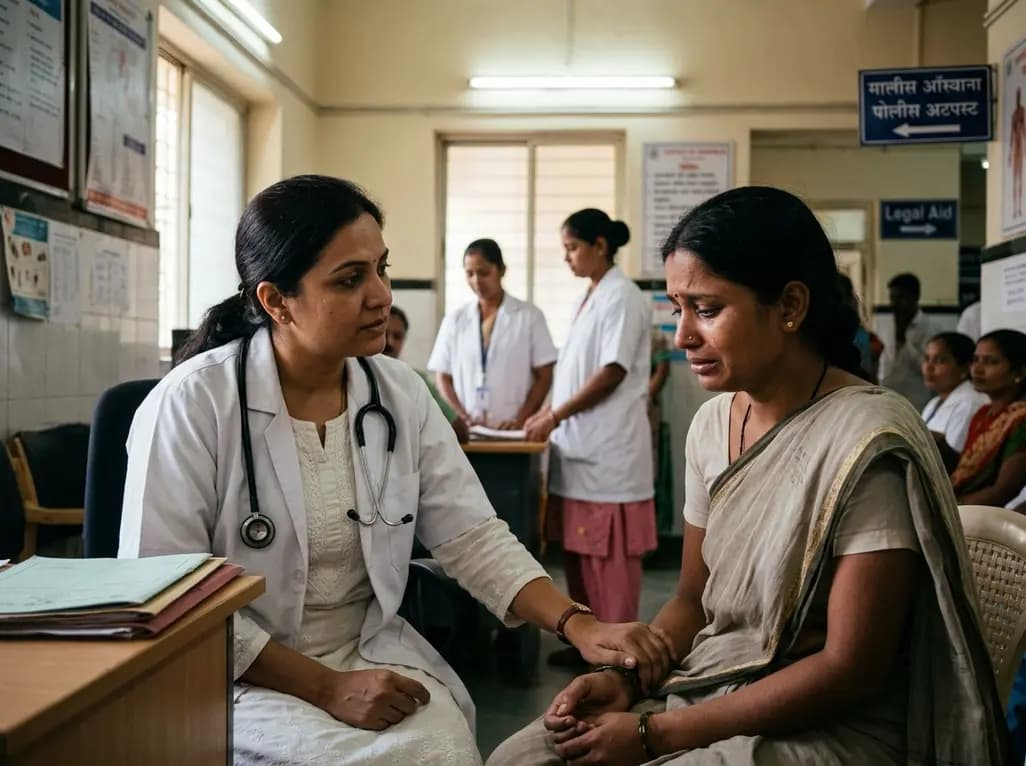
A recent qualitative study evaluates institutional gaps across health, police, and justice sectors in supporting survivors of intimate partner violence. Healthcare providers must bridge procedural fragmentation with empathetic, trauma-informed care and cross-sector coordination to safeguard vulnerable patients.
Today
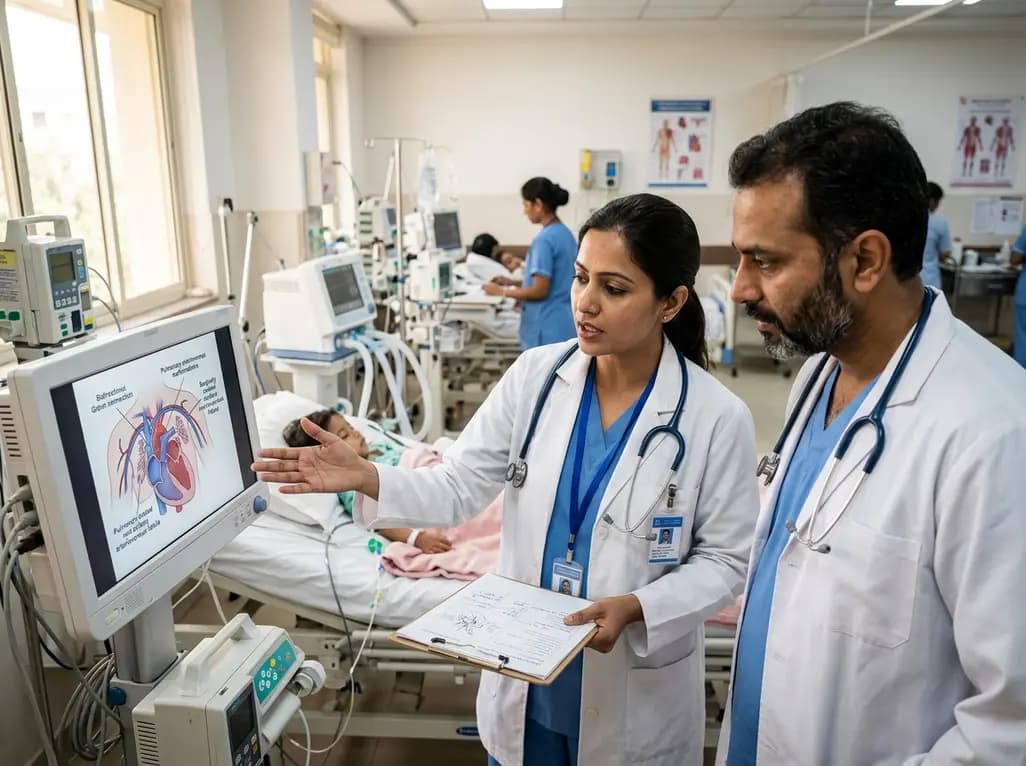
A study evaluates axillary arteriovenous fistula creation for resolving pulmonary arteriovenous malformations after bidirectional cavopulmonary connection. The technique achieved 75% clinical improvement and successfully bridged patients to total cavopulmonary connection.
Today
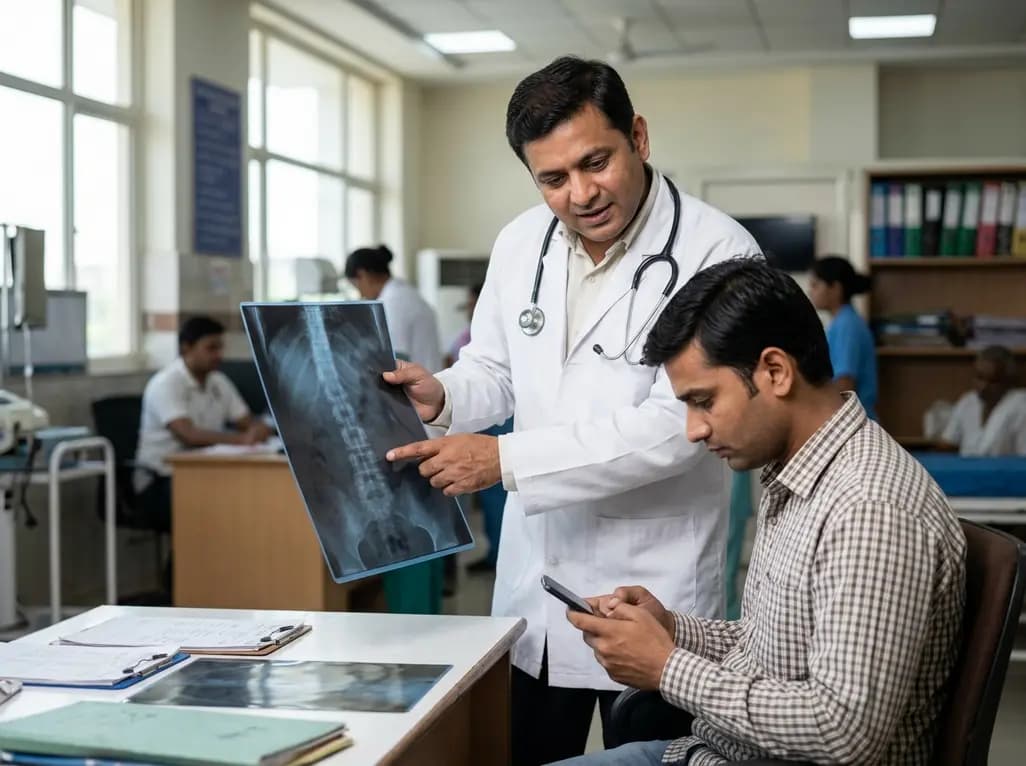
A cross-sectional study reveals a strong positive correlation between problematic internet use and kinesiophobia in adults aged 18-45 with non-specific low back pain, highlighting how digital overuse reinforces movement fear and complicates musculoskeletal recovery.
Today
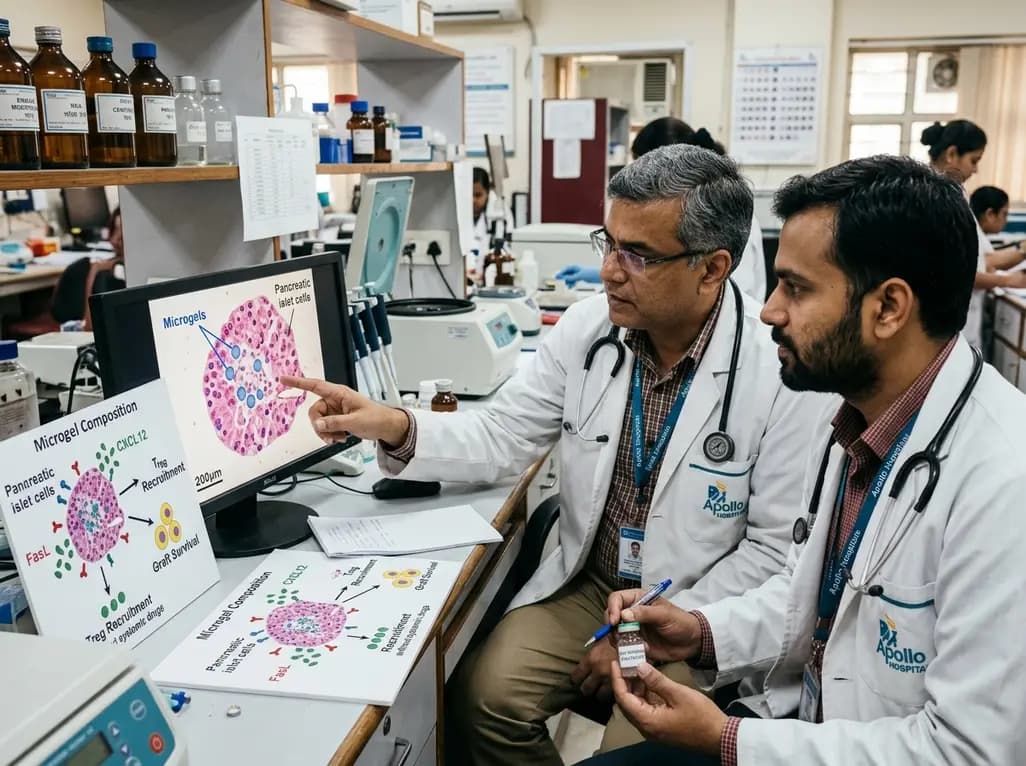
A novel microgel platform presenting FasL and protease-resistant CXCL12 enables sustained allogeneic islet survival and glycemic control without systemic immunosuppression, enhancing local Treg recruitment and graft revascularization.
Today
