.webp&w=384&q=75)

Loading, please wait...
Loading, please wait...

As global populations age, the demand for high-quality geriatric care increases rapidly. Consequently, effective digital communication in nursing homes has become a necessity for better interprofessional collaboration. A recent qualitative study explored how nursing staff in Germany view digital tools as a solution to long-standing communication barriers with general practitioners (GPs). These findings offer valuable insights for healthcare systems worldwide, including India, where digital health infrastructure is expanding through initiatives like the Ayushman Bharat Digital Mission (ABDM).
Interprofessional communication remains the backbone of patient safety. However, the physical distance between GP offices and nursing homes often creates critical care gaps. Nurses frequently struggle with delayed responses, technical hurdles, and fragmented information. The study highlights that staff members view digital platforms not just as a convenience, but as a vital upgrade to ensure clinical efficiency. Specifically, participants expressed a strong openness to tools that facilitate real-time updates and asynchronous messaging.
Transitioning to digital platforms allows for more flexible communication, which respects the busy schedules of both nurses and GPs. Furthermore, digital records ensure that all members of the care team have access to the same patient data. Notably, staff members highlighted that efficiency gains would directly translate to more time for direct patient care. Moreover, digital tools can mitigate the frustration caused by technical barriers in traditional fax or telephone-based systems.
In the Indian context, these insights are particularly relevant as geriatric care becomes more formalized. Because many GP offices are located far from residential care facilities, digital communication in nursing can bridge the geographical divide. Therefore, implementing standardized digital protocols could likely reduce medication errors and improve chronic disease management for the elderly. Ultimately, fostering a digital-first culture in nursing homes supports a more sustainable and collaborative healthcare environment.
The most common barriers include limited direct contact, time-related inefficiencies, and outdated technical systems like faxes. These issues often lead to delayed medical decisions and increased stress for nursing staff.
Digital tools streamline communication by allowing asynchronous messaging and real-time access to patient records. This reduces the need for repeated phone calls and ensures that both nurses and GPs are working with the most current clinical information.
Participants suggest adopting user-friendly digital platforms tailored to clinical workflows. They also emphasize the need for adequate training and integrated systems that allow for seamless data exchange between different healthcare providers.
Disclaimer: This content is for informational and educational purposes only. It is not intended to be a substitute for professional medical advice, diagnosis, or treatment. Always seek the advice of your physician or other qualified health provider with any questions you may have regarding a medical condition. Refer to the latest local and national guidelines for clinical practice.
References
Denny K et al. 'The GP's offices are far away and the gain would be great.'-A qualitative study on nursing home staff's perspectives on digital solutions for communication issues with general practitioners. Scand J Prim Health Care. 2026 Dec undefined. doi: 10.1080/02813432.2026.2638515. PMID: 41943182.
Kumari N, Sachdeva B, Yadav P. Challenges faced by nurses in India and proposed solution. International Journal of Creative Research Thoughts (IJCRT). 2021;9(8):a630-a635.
Saraf S et al. Enhancing communication skills among residents in India: An interprofessional education approach. Manipal Academy of Higher Education. 2021.

Read summarized clinical updates, watch expert medical content, and earn CME certifications right from your smartphone.
Open your smartphone camera to scan and install.





A qualitative study explores nursing home staff perspectives on digital tools to resolve communication gaps with GPs, highlighting benefits and barriers....
6 months ago
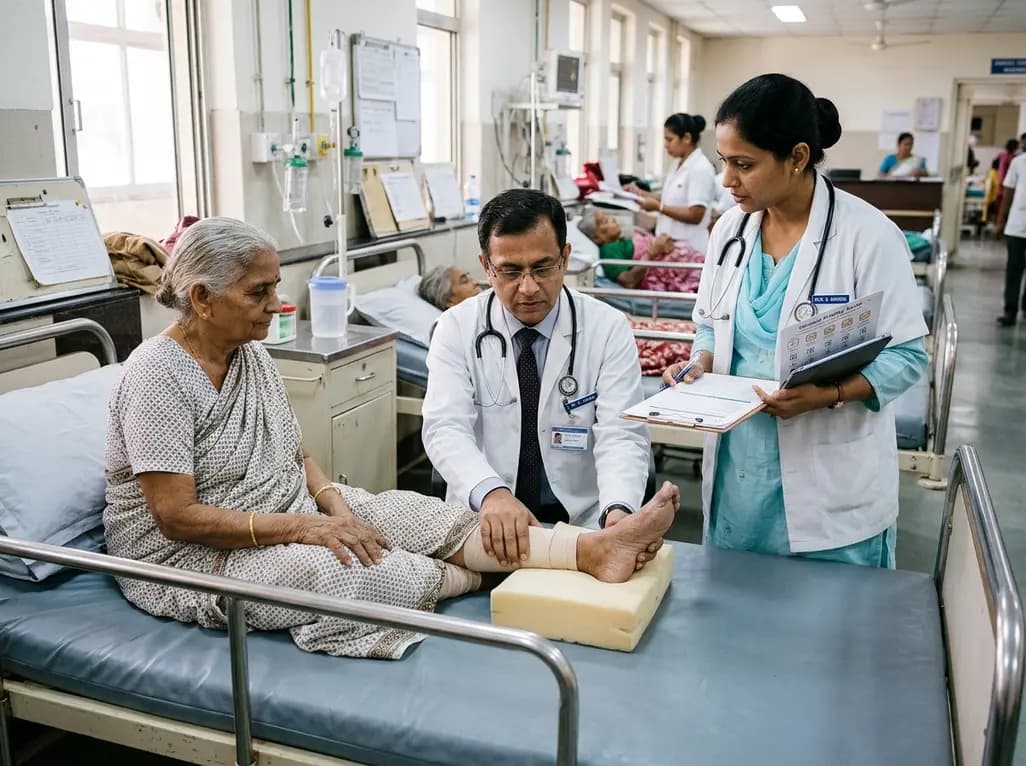
A retrospective cohort study reveals that frailty quadruples the odds of pressure injuries in hospitalized older adults. Integrating the Clinical Frailty Scale with comprehensive geriatric care is crucial for identifying vulnerability early and implementing targeted multidisciplinary prevention.
Today
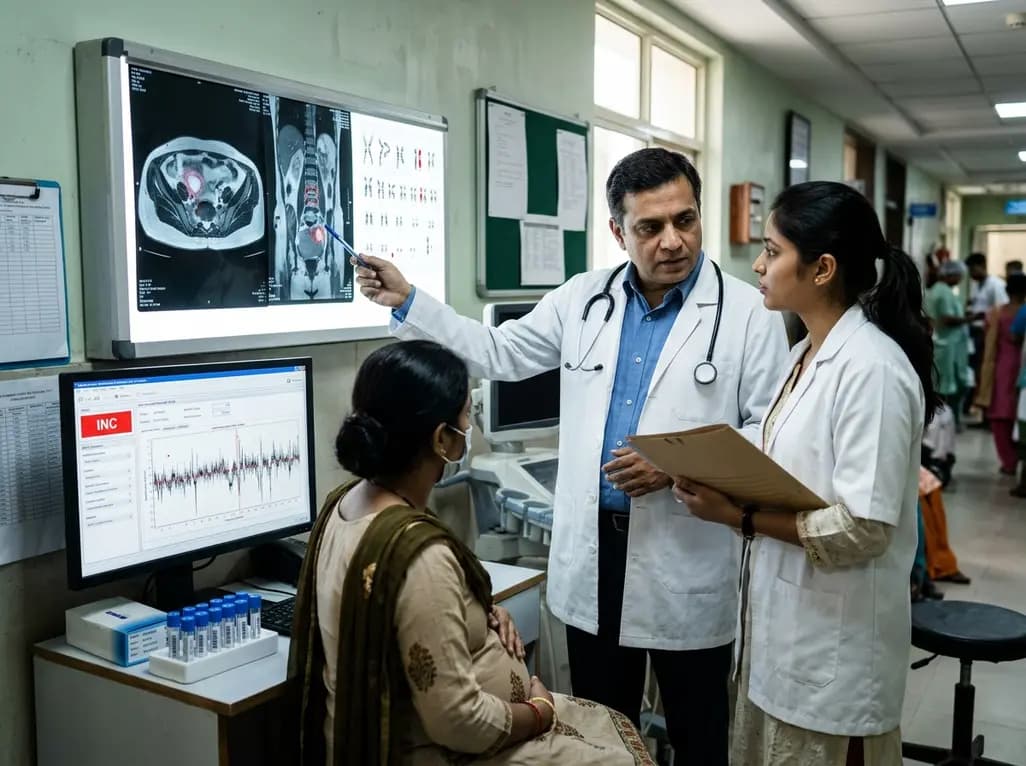
Occult maternal malignancy accounts for 3.82% of persistent unreportable NIPT results with genomic noise. Multiple chromosomal aberrations, notably on chromosome 18, warrant thorough oncological evaluation and whole-body MRI to ensure timely maternal diagnosis while preserving fetal care.
Today
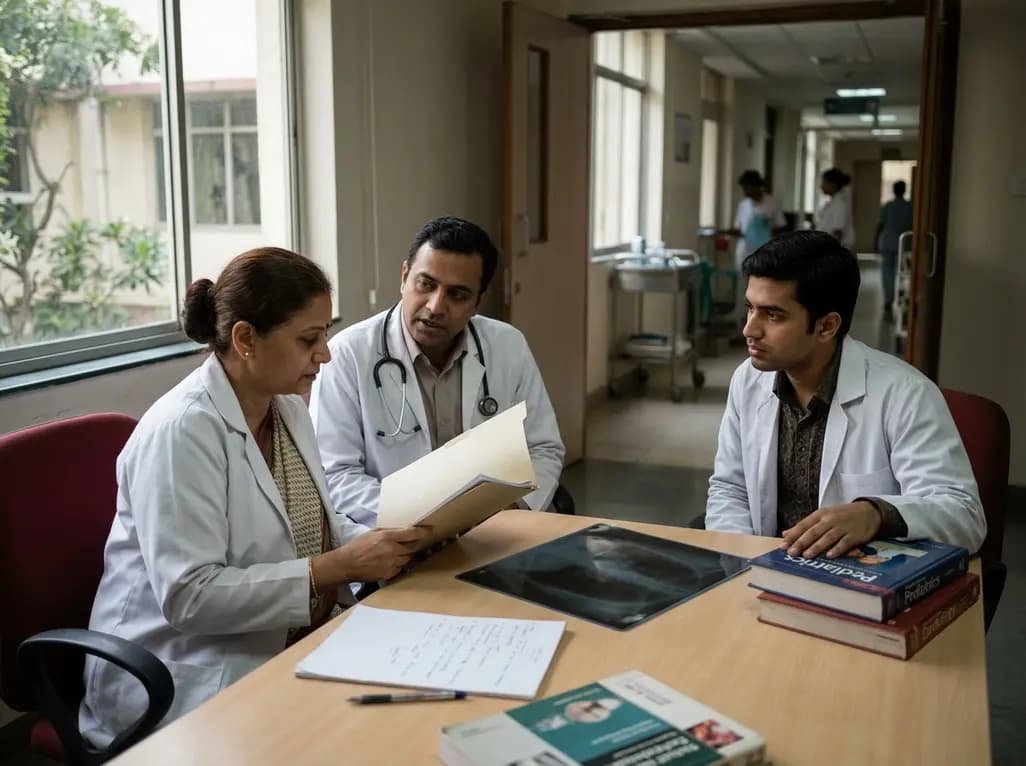
This article reviews the forensic and clinical complexities of acute myocarditis arising on left ventricular hypertrophy in children, highlighting early diagnostic red flags and multidisciplinary postmortem autopsy protocols.
Today
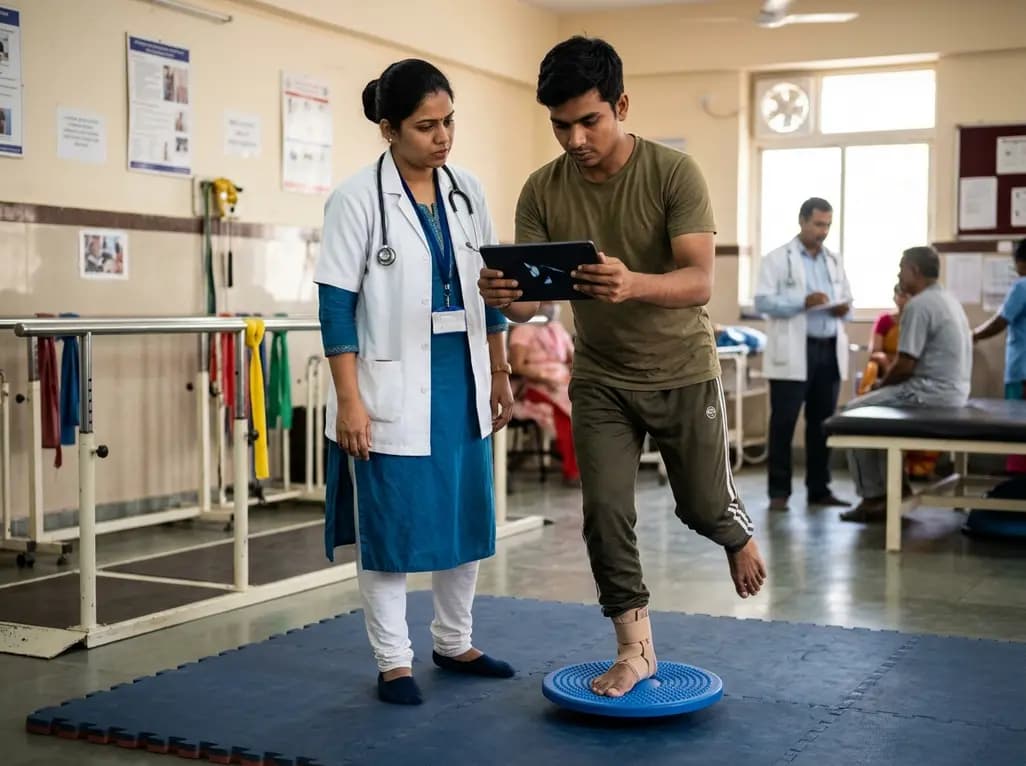
A randomized controlled trial demonstrates that an eight-week dual-task training intervention significantly improves static and dynamic postural control over standard balance exercises in individuals with chronic ankle instability, addressing critical neurocognitive deficits during athletic and daily activities.
Today
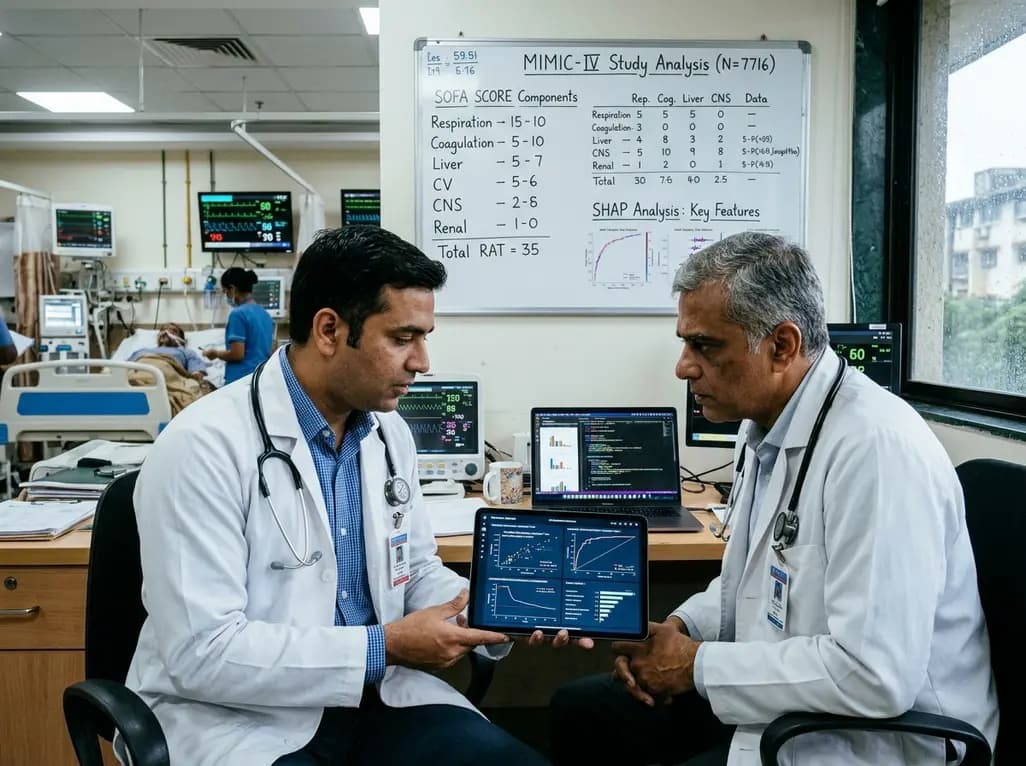
A retrospective cohort study of 7,716 ICU patients from the MIMIC-IV database demonstrates that Gradient Boosting Decision Trees significantly outperform traditional SOFA scores in predicting in-hospital mortality among patients with sepsis and diabetes, with SHAP analysis providing clinical interpretability.
Today
