.webp&w=384&q=75)

Loading, please wait...
Loading, please wait...

Clinicians and researchers frequently use the terms 'burning out' and 'burnt out' interchangeably in academic discourse and everyday clinical practice. However, emerging psychiatric evidence indicates that these phrases describe distinctly different phases along the spectrum of occupational exhaustion. A recent mixed-method study evaluated self-diagnosed burnout sufferers to determine whether these self-selected labels capture unique physiological and psychological states. Understanding the progressive stages of burnout enables clinicians to identify early warning signs before complete functional collapse occurs. Consequently, differentiating these states allows healthcare providers to implement targeted, stage-appropriate therapeutic interventions rather than relying on a generalized management plan.
The primary objective of the investigation was to determine whether individuals intuitively distinguish between the active process of deteriorating and the end-stage condition of complete depletion. Participants over eighteen years old nominated whether they considered themselves to be 'burning out' or fully 'burnt out.' In addition, they provided qualitative descriptors of their subjective experience and completed validated psychometric inventories.
The qualitative data revealed seventeen distinct symptom categories across the cohort. Notably, individuals who identified as 'burnt out' reported a significantly higher prevalence across almost every evaluated symptom category compared to those who felt they were 'burning out.' Furthermore, the qualitative narratives demonstrated that those in the active burning out phase still retained a degree of adaptive capacity. In contrast, individuals in the burnt out group consistently described an absolute depletion of emotional and cognitive resources. Therefore, these findings demonstrate that patients possess an intuitive awareness of their clinical trajectory. This subjective differentiation aligns closely with objective psychometric scores, proving that the two states represent separate clinical entities rather than mere linguistic preferences.
To quantify the severity of both cohorts, researchers administered two robust instruments: the Sydney Burnout Measure (SBM) and the Burnout Assessment Tool (BAT). Both measurement tools demonstrated clear statistical divergence between the two groups. Specifically, individuals who classified themselves as 'burnt out' recorded significantly higher scores on both the SBM and BAT scales.
Moreover, independent symptom analyses revealed substantial differences in exhaustion and psychological withdrawal scores. While participants in the burning out phase experienced episodic fatigue and moderate detachment, the burnt out cohort exhibited severe, unremitting exhaustion. Furthermore, the BAT scores confirmed that mental distance and cognitive impairment escalate dramatically as individuals transition into the later phase.
These quantitative outcomes provide strong empirical support for the patient-reported qualitative distinctions. When clinicians evaluate burnout using validated scales, elevated composite scores strongly correlate with advanced decompensation. Consequently, psychometric screening through tools like the BAT and SBM can reliably distinguish early distress from end-stage collapse. This diagnostic clarity assists practitioners in establishing objective baselines for monitoring patient recovery over time.
One of the most critical clinical insights from the study is the marked difference in functional capacity between the two groups. Participants self-judging as 'burnt out' were notably more likely to report a total inability to function in their professional and personal lives. In contrast, individuals who were 'burning out' maintained basic daily responsibilities despite experiencing escalating distress and fatigue.
Furthermore, the authors emphasized the profound loss of psychological and physiological 'elasticity' in burnt out individuals. In this context, elasticity refers to an individual's innate resilience, adaptive flexibility, and ability to bounce back after acute stressors. While burning out individuals retain sufficient elasticity to recover after short periods of rest, burnt out patients experience a complete collapse of this adaptive buffer.
Consequently, conventional recuperative measures, such as taking a brief weekend off or practicing mindfulness, fail to restore energy in the burnt out phase. The nervous system in late-stage burnout remains in a state of chronic allostatic overload. As a result, restoring baseline functioning requires structured medical leave, comprehensive lifestyle restructuring, and intensive psychological rehabilitation.
The clear differentiation between these two states strongly supports the adoption of a formal staging framework in clinical psychiatry. Historically, clinicians have treated burnout as a binary construct where an individual either has the condition or does not. However, recognizing progressive stages of burnout allows for nuanced, phase-specific therapeutic strategies.
During the initial 'burning out' stage, early preventative interventions can successfully halt disease progression. For example, workplace boundary setting, workload adjustments, stress-reduction techniques, and cognitive behavioral therapy can preserve remaining psychological elasticity. In contrast, managing an established 'burnt out' state requires a much more intensive clinical approach.
Because burnt out patients suffer from severe cognitive deficits, emotional exhaustion, and functional paralysis, active psychotherapy may initially overwhelm them. Therefore, early management in this advanced stage must prioritize physiological rest, medical leave, nervous system regulation, and sleep restoration. Only after restoring baseline neurobiological stability should clinicians introduce cognitive restructuring and gradual return-to-work planning. Implementing stage-matched care ensures that therapeutic demands do not inadvertently exacerbate patient exhaustion.
In fast-paced clinical environments, such as Indian healthcare institutions and corporate sectors, burnout represents an escalating public health challenge. High patient volumes, prolonged duty hours, and systemic resource limitations place Indian medical professionals and knowledge workers at elevated risk. However, cultural stigma around mental exhaustion frequently prevents individuals from seeking assistance until they reach severe functional collapse.
Consequently, adopting a staging model allows occupational health committees and general practitioners across India to identify vulnerable individuals much earlier. Routine screening using concise tools like the BAT can detect individuals in the 'burning out' phase before irreversible impairment develops. Furthermore, institutional leaders must establish supportive environments that encourage proactive intervention without professional penalization.
Primary care physicians and psychiatrists should also educate patients on recognizing the gradual loss of elasticity. By intervening during the active burning out phase, clinicians can prevent long-term absenteeism, severe depressive episodes, and physical morbidity. Ultimately, integrating stage-specific burnout management into corporate and clinical wellness programs will enhance overall workforce sustainability and mental health outcomes nationwide.
Burning out is an active, progressive process where individuals experience escalating fatigue, stress, and detachment while maintaining basic daily function and some adaptive resilience. In contrast, being fully burnt out represents an end-stage state characterized by profound exhaustion, total loss of psychological elasticity, and an inability to perform routine tasks. Consequently, burnt out patients exhibit significantly higher scores on validated burnout scales and require comprehensive clinical intervention.
Psychological elasticity describes an individual's innate ability to adapt, absorb stress, and recover equilibrium after acute physical or emotional exertion. In the burning out phase, individuals still possess some elasticity, allowing short rest periods to facilitate recovery. However, once full burnout develops, this adaptive elasticity is completely depleted. As a result, standard relaxation strategies become ineffective, necessitating prolonged medical leave and structured psychiatric rehabilitation to restore baseline functioning.
Managing the burning out phase focuses on proactive prevention, boundary setting, workload reduction, and cognitive behavioral strategies to preserve remaining elasticity. Conversely, treating a fully burnt out state requires acute crisis stabilization, temporary removal from work duties, somatic rest, and sleep restoration. Active psychological therapies should only be introduced gradually once baseline neurobiological recovery occurs, ensuring that therapeutic demands do not trigger further cognitive and emotional collapse.
Disclaimer: This content is for informational and educational purposes only and should not be considered medical advice. Always consult a qualified healthcare professional regarding any medical condition or treatment. Refer to the latest local and national guidelines for clinical practice.
References

Read summarized clinical updates, watch expert medical content, and earn CME certifications right from your smartphone.
Open your smartphone camera to scan and install.





A recent study highlights that 'burning out' and 'burnt out' represent distinct clinical phases rather than interchangeable terms. While burning out involves emerging exhaustion, burnt out status entails severe functional impairment and loss of psychological elasticity, demanding stage-based clinical management.
last month

A spatial multi-omics study reveals that ozone exposure alters regional macrophage phenotypes and non-immune cell signaling during surfactant protein-C mutant lung injury. Although structural remodeling remained unchanged at 7 days, pollutant exposure heightened inflammatory activation and animal mortality.
Today
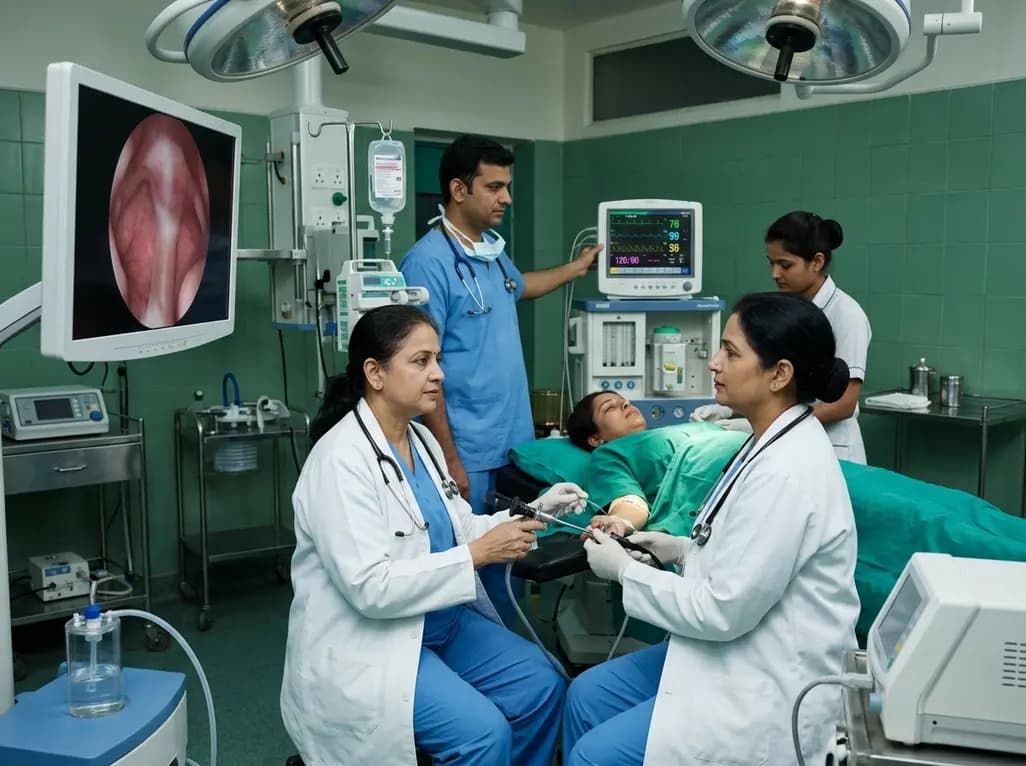
A meta-analysis of nine RCTs comparing remimazolam versus propofol in hysteroscopy reveals remimazolam significantly reduces injection pain, hypotension, and respiratory depression while maintaining comparable sedation success, recovery times, and procedural duration.
Today
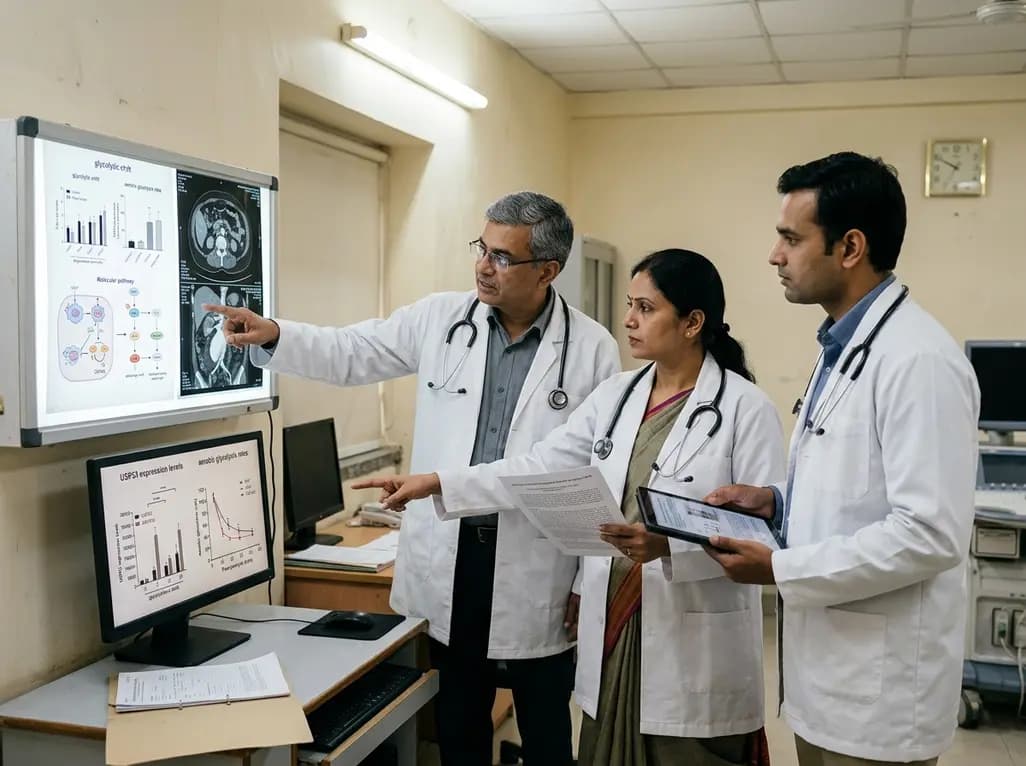
Abdominal aortic aneurysm rupture remains a catastrophic vascular emergency. Groundbreaking research reveals that USP53 accelerates aneurysm progression by reprogramming smooth muscle cell metabolism toward aerobic glycolysis, highlighting a promising target beyond conventional diameter-based surveillance.
Yesterday
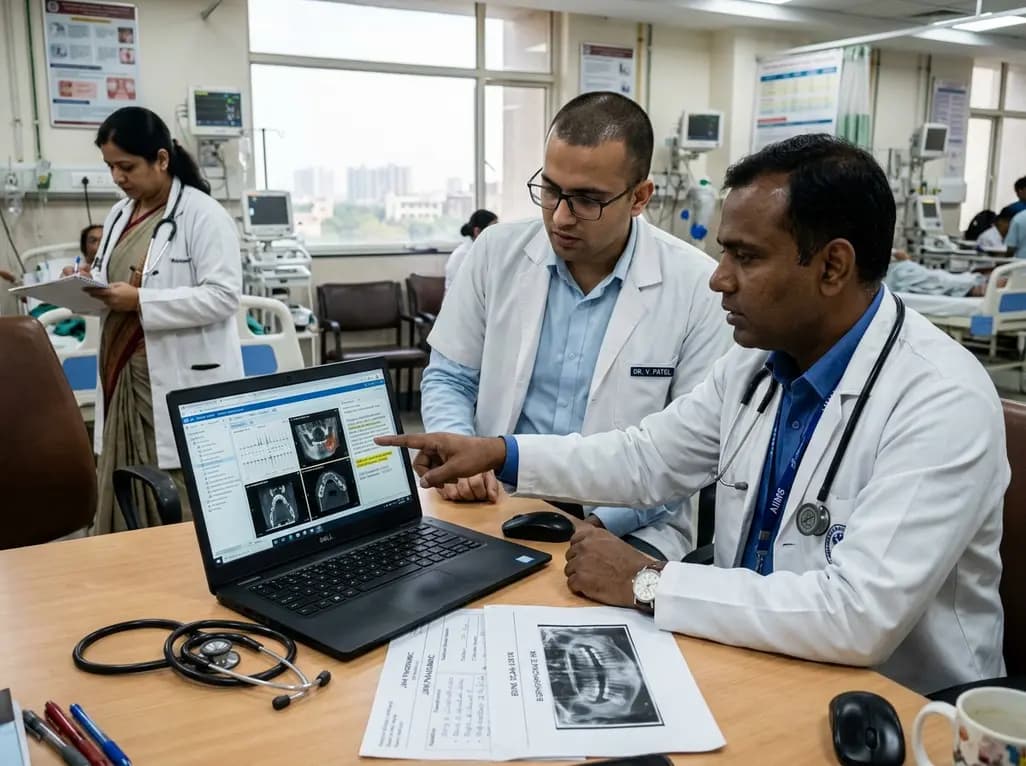
A breakthrough study leverages natural language processing to accurately identify incident medication-related osteonecrosis of the jaw and track antiresorptive drug holidays from clinical narratives in electronic health records, advancing osteoporosis pharmacovigilance and dental safety.
Today
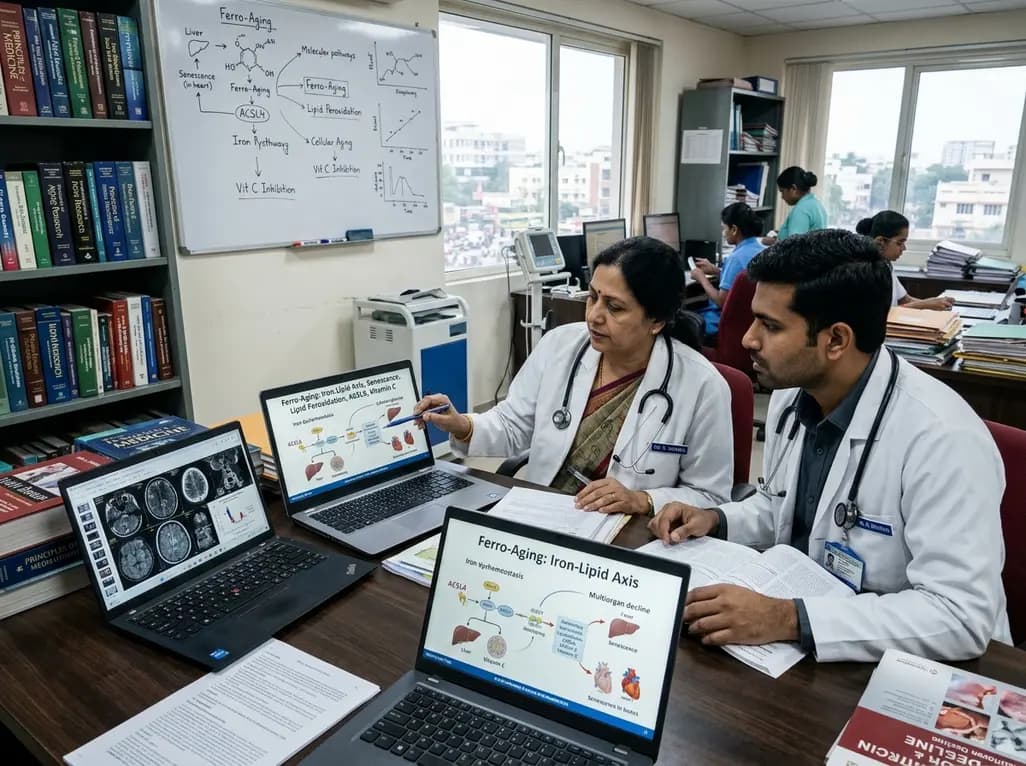
Recent research defines ferro-aging as a conserved iron-lipid axis driving organ decline across primates. Age-related iron dyshomeostasis stimulates ACSL4-mediated lipid peroxidation, promoting cellular senescence. Notably, vitamin C directly inhibits ACSL4, suppressing phospholipid oxidation and multi-organ decay.
Yesterday
