

Loading, please wait...
Loading, please wait...

Chronic nutritional imbalances significantly influence oncogenesis across various organ systems worldwide. Recent epidemiological data from the Global Burden of Disease study reveal critical insights into the diet-attributable cancer burden over the past three decades. Although age-standardized incidence and mortality rates show encouraging declines, the absolute number of affected patients continues to climb substantially. Consequently, healthcare providers must understand these underlying dietary patterns to offer effective preventive counseling. Nutrition transition across expanding economies has altered metabolic health, creating persistent vulnerabilities. Therefore, clinicians must re-examine how macronutrient choices and micro-deficiencies drive long-term neoplastic disease across diverse patient demographics.
Between 1990 and 2023, epidemiological surveillance documented substantial shifts in cancer mortality linked to nutritional habits. Specifically, researchers observed an estimated annual percentage change demonstrating steady reductions in both age-standardized mortality rates and disability-adjusted life years. These downward trajectories reflect improvements in primary clinical care, earlier diagnostic interventions, and enhanced public awareness. However, the absolute clinical toll remains remarkably high due to rapid population growth and aging. In 2023 alone, poor nutrition contributed to nearly 169,000 cancer deaths and over four million lost disability-adjusted life years in analyzed cohorts. Thus, statistical improvements in standardized rates should not conceal the expanding sheer volume of patients requiring specialized oncological care. In addition, health systems continue to manage extensive chronic disability stemming from treatable gastrointestinal tumors. Clinicians must recognize that demographic aging constantly offsets individual lifestyle improvements. As a result, preventative lifestyle guidance remains an urgent medical priority for primary care physicians and oncologists alike.
Colorectal cancer represents the largest proportion of malignant disease attributable to sub-optimal dietary choices. Mechanistically, the colonic mucosa remains in direct, prolonged contact with dietary metabolites, bile acids, and luminal microbiota. When individuals consume diets rich in red and processed meats, colonic tissues encounter elevated levels of heterocyclic amines, polycyclic aromatic hydrocarbons, and N-nitroso compounds. These mutagenic substances directly induce DNA adduct formation, causing oncogenic mutations in epithelial crypt cells. Furthermore, inadequate dietary fiber stalls intestinal transit times, substantially prolonging epithelial exposure to harmful fecal carcinogens. Simultaneously, fiber fermentation normally produces beneficial short-chain fatty acids such as butyrate, which maintain barrier integrity and suppress malignant proliferation. Without adequate fiber, mucosal inflammation accelerates, establishing a fertile microenvironment for adenoma formation and subsequent invasive carcinoma. Consequently, gastrointestinal clinicians must prioritize screening and aggressive dietary review in patients presenting with persistent gastrointestinal complaints.
Three modifiable nutritional factors disproportionately fuel this malignant burden across populations. First, excessive consumption of mammalian muscle meat delivers substantial heme iron, which catalyzes reactive oxygen species and promotes endogenous nitrosation. Second, a marked deficit in whole grain consumption deprives the gut microbiome of essential prebiotics, polyphenols, and insoluble fiber. Whole grains modulate glycemic responses, diminish systemic hyperinsulinemia, and directly curb insulin-like growth factor pathways that stimulate tumor progression. Third, insufficient intake of milk and dairy products deprives the intestinal tract of bioavailable calcium. Luminal calcium binds unconjugated bile acids and free fatty acids, precipitating them into insoluble soaps that exit the colon harmlessly. Moreover, calcium and vitamin D exert direct antiproliferative effects on colonocytes by regulating intracellular signaling cascades. When patients consistently combine high red meat intake with minimal whole grains and dairy, their oncogenic risk increases synergistically. Therefore, primary physicians must routinely evaluate these specific dietary pillars during routine health consultations.
Epidemiological stratification highlights pronounced demographic disparities in cancer risk attributable to diet. In particular, male individuals exhibit significantly higher mortality and disability rates than females. Behavioral factors explain much of this disparity, as men frequently report higher red meat consumption and lower adherence to daily protective food recommendations. Furthermore, biological differences in visceral fat distribution and circulating sex hormones can amplify metabolic inflammation in men. Concurrently, older adults bear an exceptionally heavy portion of the cumulative disease burden. Decades of continuous exposure to mucosal carcinogens, coupled with declining cellular DNA repair mechanisms, increase vulnerability in advancing age. Furthermore, intestinal dysbiosis naturally increases throughout the aging process, compounding the pro-inflammatory effects of an unbalanced diet. Healthcare teams must therefore design sex-specific and age-tailored interventions rather than relying entirely on generic wellness guidelines. Specifically, geriatric clinics and men's health programs should incorporate structured nutritional questionnaires into standard clinical workflows.
Modern clinicians must bridge the divide between broad population studies and individualized bedside counseling. Routine oncology and primary care consultations rarely dedicate sufficient time to specific nutritional assessment. However, implementing brief validated dietary screeners can rapidly identify high-risk nutritional habits in asymptomatic adults. When physicians detect excessive red meat consumption, they should counsel patients on substituting fish, legumes, or poultry. Similarly, practitioners must actively promote whole grain staples like oats, barley, and whole wheat to restore lost dietary fiber. Recommending modest dairy consumption or fortified alternatives ensures adequate luminal calcium levels without adding excessive saturated fat. In addition, clinicians must emphasize that dietary modifications yield maximum benefits when sustained over decades rather than adopted as transient fads. Early intervention in young and middle-aged adults prevents decades of cumulative cellular damage in the colonic epithelium. Consequently, clinicians must treat diet counseling with the same rigorous commitment as pharmacological interventions for hypertension or hyperlipidemia.
Individual clinical advice alone cannot completely solve broad nutritional deficiencies across evolving societies. Structural public health initiatives must support physicians by reforming food environments and subsidizing wholesome food choices. For instance, institutional food procurement programs in schools, workplaces, and hospitals should mandate higher proportions of whole grains and fresh produce. Furthermore, regulatory authorities can introduce clear front-of-package nutritional labeling to guide consumer purchasing decisions towards lower processed meat intake. Food processing standards should limit harmful additives while fortifying staple products with essential micronutrients and fiber. Meanwhile, medical education curricula must expand practical training in clinical nutrition for future physicians and nursing professionals. Healthcare payers and insurance providers can also incentivize preventive dietary visits with registered dietitians for at-risk individuals. By unifying clinical management with community-wide structural policy changes, healthcare systems can substantially diminish future cancer incidence. Ultimately, sustained multi-sectoral collaboration remains the cornerstone of lasting preventive medicine.
The primary dietary factors driving colorectal cancer risk include excessive intake of red and processed meats combined with inadequate consumption of whole grains, dietary fiber, and dairy products. Red meats introduce heme iron and mutagenic heterocyclic amines, whereas low whole grain intake impairs gut motility and reduces protective short-chain fatty acids like butyrate. Additionally, low milk consumption eliminates calcium's ability to bind toxic luminal bile acids, thereby accelerating chronic mucosal inflammation.
Men and older adults face higher diet-related cancer mortality due to cumulative carcinogen exposure and distinct behavioral patterns. Men typically report significantly higher intake of red meat and lower consumption of protective fiber and whole grains. Concurrently, biological aging reduces cellular DNA repair capacity and promotes progressive gut microbiota dysbiosis. Decades of cumulative metabolic insults, paired with higher rates of visceral adiposity, substantially accelerate malignant cellular transformation within the gastrointestinal tract.
Clinicians should advise patients to replace refined cereals with intact whole grains such as oats, brown rice, and whole wheat to ensure adequate intake of dietary fiber and polyphenols. Furthermore, physicians should recommend consuming two daily servings of low-fat milk, yogurt, or fortified alternatives to supply bioavailable calcium. These dietary components enhance bowel transit, generate anti-neoplastic short-chain fatty acids, and neutralize cytotoxic luminal bile acids, effectively lowering long-term gastrointestinal malignancy risks.
Disclaimer: This content is for informational and educational purposes only and should not be considered medical advice. Always consult a qualified healthcare professional regarding any medical condition or before making any healthcare decisions. Clinical decisions must not be based solely on this content. Refer to the latest local and national guidelines for clinical practice.
References

Read summarized clinical updates, watch expert medical content, and earn CME certifications right from your smartphone.
Open your smartphone camera to scan and install.





A 1990-2023 Global Burden of Disease study evaluates the diet-attributable cancer burden, showing that while age-standardized rates have decreased, absolute deaths remain high. Colorectal cancer, driven by high red meat and low whole grain and milk consumption, demands proactive clinical dietary counseling.
Today

Estetrol (E4), a native fetal estrogen, offers a unique tissue-selective profile with minimal hepatic impact and lower thrombotic risk. This review highlights its clinical use in oral contraception, menopausal symptom management, and emerging applications across oncology and neurology.
Today

A systematic review and component network meta-analysis evaluated the incremental benefits of drug classes in HFmrEF and HFpEF. SGLT-2 inhibitors and MRAs provided the most robust reductions in heart failure hospitalizations, while mortality benefits remained elusive across all investigated drug classes.
Today
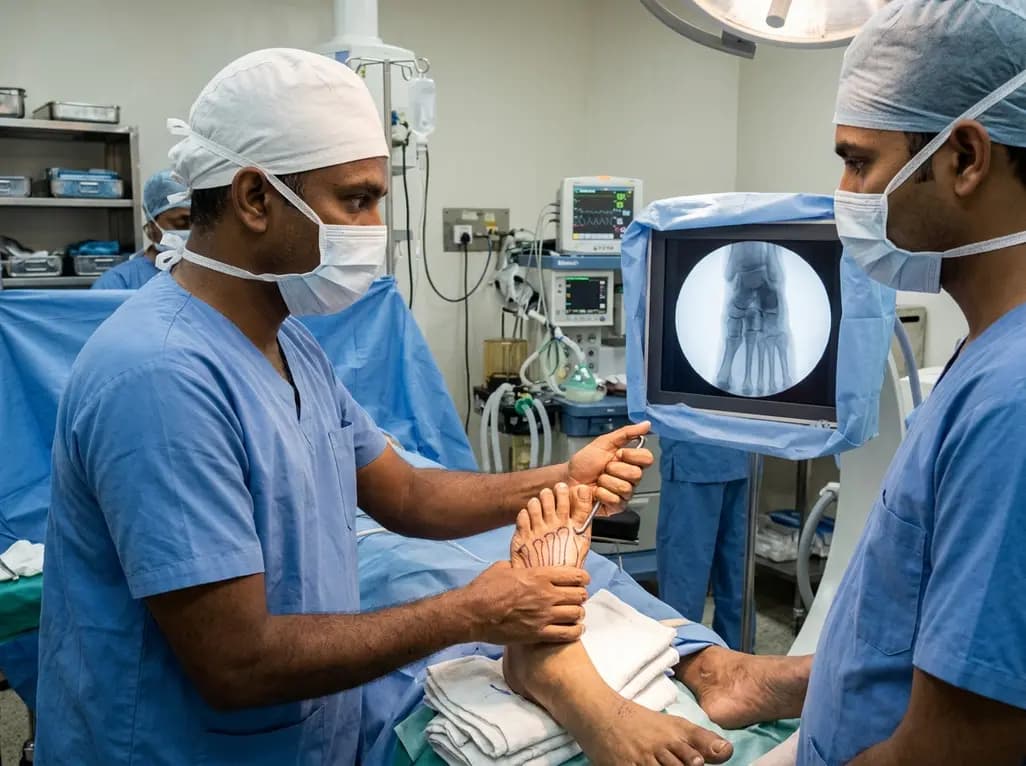
A recent clinical study identifies proximal intercuneiform joint disruption in 43.8% of low-energy Lisfranc injuries. Due to the low diagnostic sensitivity of standard radiographs and MRI, orthopedic surgeons must perform routine intraoperative stress testing to ensure complete anatomical reduction and fixation.
Today

A landmark study reveals that physiologic subtypes of gestational glucose intolerance, including insulin resistance and insulin deficiency, independently raise long-term risks of maternal prediabetes and diabetes, underscoring the urgent need for structured postpartum surveillance.
Today
