.webp&w=384&q=75)

Loading, please wait...
Loading, please wait...
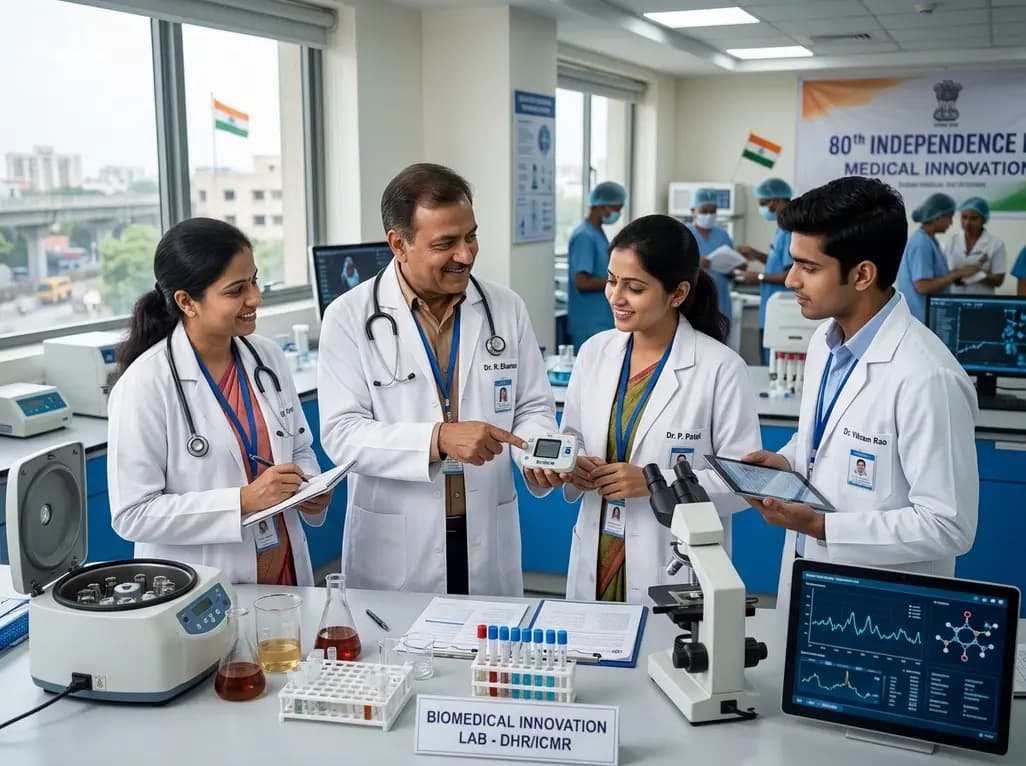
The Department of Health Research (DHR) and the Indian Council of Medical Research (ICMR) celebrated the 80th Independence Day at the ICMR Headquarters in New Delhi with patriotic fervour. During this milestone event, national leadership reaffirmed a dedicated commitment to transforming health research in India. Dr Rajiv Bahl, Secretary of DHR and Director General of ICMR, unfurled the National Flag in the presence of distinguished scientists, administrators, and healthcare policymakers. Furthermore, the leadership emphasised that advancing scientific inquiry and medical discovery is integral to nation-building. By prioritizing indigenous capabilities, modern diagnostics, and translational therapeutics, the apex research council seeks to accelerate India's journey toward a self-reliant and technologically empowered healthcare ecosystem.
Health systems require continuous innovation to counter emerging epidemiological threats, chronic disease burdens, and demographic shifts. Addressing the gathering, Dr Rajiv Bahl articulated that scientific work at ICMR extends beyond routine institutional duties to serve as a cornerstone for national development. Consequently, advancing health research in India directly fuels the overarching vision of Viksit Bharat. Policymakers aim to transform the nation from a traditional consumer of foreign medical technology into an international hub for biomedical discoveries. Moreover, the integration of structured five-year action plans ensures that research priorities align closely with grassroots public health demands. Therefore, modern scientific frameworks actively address infectious diseases, metabolic disorders, maternal health, and oncological conditions across diverse patient populations. In addition, national research bodies are fostering an environment that encourages young scientists to undertake ambitious investigative projects. Through these strategic efforts, India continues to establish high-impact benchmarks in global health metrics and equitable patient care.
A self-reliant healthcare framework depends heavily on the domestic development of affordable medical devices and diagnostic platforms. Currently, India imports a significant proportion of its high-end biomedical equipment, which increases the financial burden on clinical centers and patients alike. To overcome this systemic challenge, DHR and ICMR are driving targeted initiatives to foster indigenous healthcare engineering. Collaborative platforms such as the ICMR Centers of Excellence at premier engineering institutes bridge the gap between technical innovators and clinical practitioners. Additionally, programs like MedTech Mitra provide essential handholding, clinical trial facilitation, and regulatory guidance to early-stage innovators. Consequently, domestic medtech startups can validate novel diagnostic kits, robotic surgical tools, and point-of-care screening devices more rapidly. Ultimately, local manufacturing reduces operational expenditures for healthcare facilities and enhances clinical access in tier-two and rural settings.
Translating laboratory discoveries into commercially viable clinical interventions remains a top priority for biomedical research councils. Recently, ICMR established the Medical Innovations Patent Mitra initiative to accelerate intellectual property licensing and commercialization. Through structured innovator-to-industry partnerships, the council successfully licensed breakthrough indigenous technologies, including targeted anti-HPV therapeutics and enteric bacterial vaccines. Furthermore, these collaborative agreements ensure that publicly funded biomedical discoveries reach the bedside quickly. Industry partnerships enable scalable manufacturing, strict quality control, and widespread distribution of life-saving products. Moreover, this translational framework minimizes the lag time between benchside validation and active clinical prescription. In addition, proactive patent support incentivizes medical researchers to formulate novel therapeutic molecules, diagnostic assays, and digital healthcare platforms. Thus, bridging academic research with industrial manufacturing solidifies India's role as a primary supplier of cost-effective therapeutics worldwide.
Robust epidemiological surveillance and advanced diagnostic infrastructure form the backbone of epidemic preparedness and clinical decision-making. Over recent years, DHR has substantially expanded the nationwide network of Viral Research and Diagnostic Laboratories (VRDLs). Consequently, district-level and tertiary medical colleges possess the molecular capability to detect emerging viral pathogens rapidly. In addition, the National One Health Mission unifies human, animal, and environmental disease tracking to mitigate zoonotic outbreaks before they escalate. Clinicians benefit directly from this expanded laboratory network because rapid diagnostic confirmation enables precise therapeutic choices and targeted antimicrobial stewardship. Furthermore, integrated digital surveillance platforms facilitate real-time data exchange among clinicians, microbiologists, and public health administrators. As a result, hospitals and local health authorities can deploy containment protocols and allocate critical resources with minimal delay during infectious outbreaks.
For practicing physicians and healthcare teams across India, the expansion of biomedical research initiatives brings tangible practice improvements. First, the continuous development of standard treatment workflows and evidence-based clinical guidelines provides clinicians with clear diagnostic algorithms. Second, the domestic availability of certified point-of-care devices enables primary care practitioners to screen for chronic diseases earlier during outpatient encounters. Furthermore, academic medical institutions gain unprecedented opportunities to participate in multi-center clinical trials funded by ICMR. Consequently, medical educators and post-graduate residents can cultivate advanced research methodologies and publish high-quality scientific evidence. Moreover, integrating artificial intelligence and digital health registries into routine clinical workflows enhances diagnostic precision. Therefore, healthcare providers should stay informed about national research updates to implement validated therapeutic advancements into everyday clinical management.
Q1: Why is DHR-ICMR prioritizing indigenous medical technologies in India?
DHR and ICMR prioritize indigenous technologies to reduce reliance on expensive medical imports and build a self-reliant healthcare infrastructure. By supporting local biomedical innovations through regulatory facilitation and financial schemes, these bodies ensure that advanced diagnostics, therapeutic formulations, and medical devices become widely accessible and affordable for both urban and rural healthcare facilities across the country.
Q2: How does the Medical Innovations Patent Mitra program support healthcare translation?
The Medical Innovations Patent Mitra initiative offers structured assistance to medical scientists for patent filing, technology valuation, and commercial licensing. By establishing direct linkages between researchers and pharmaceutical or medical device manufacturers, the program rapidly transitions laboratory discoveries into scalable, commercially available clinical products that directly improve patient outcomes and support clinical practice.
Q3: How do expanded laboratory networks like VRDLs aid practicing clinicians?
Expanded networks like the Viral Research and Diagnostic Laboratories provide clinicians with localized, rapid, and accurate molecular diagnostic capabilities. This infrastructure enables early identification of viral pathogens, prevents misdiagnosis, guides appropriate anti-infective treatment decisions, and supports comprehensive epidemiological tracking during regional disease outbreaks, thereby improving bedside management.
Disclaimer: This content is for informational and educational purposes only. It does not constitute medical advice or replace professional judgment. Refer to the latest local and national guidelines for clinical practice.
References

Read summarized clinical updates, watch expert medical content, and earn CME certifications right from your smartphone.
Open your smartphone camera to scan and install.





The Department of Health Research and ICMR marked the 80th Independence Day with a renewed dedication to biomedical innovation, indigenous healthcare technology, and evidence-based medicine. Discover how national initiatives are strengthening India's clinical ecosystem and transforming public health delivery.
last month
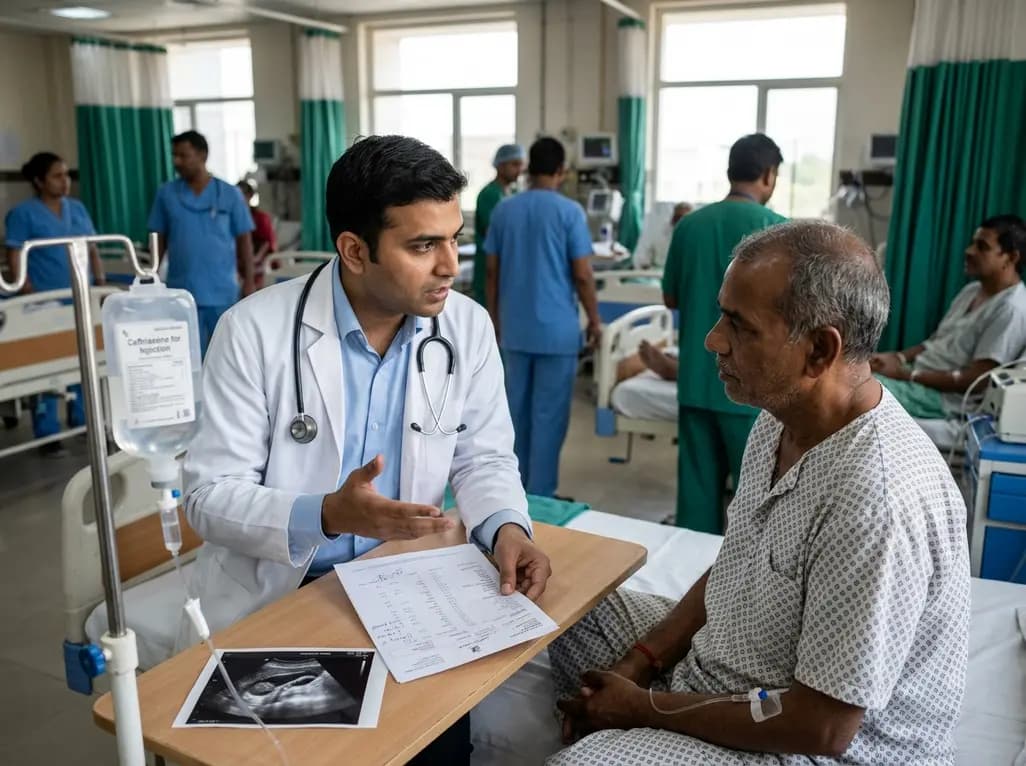
Ceftriaxone therapy can lead to biliary sludge and gallstone formation due to calcium-ceftriaxone precipitation. A recent cohort study shows that the noninvasive Fibrosis-4 (FIB-4) index, alongside treatment duration, independently predicts lithogenesis, enabling proactive risk stratification.
Today
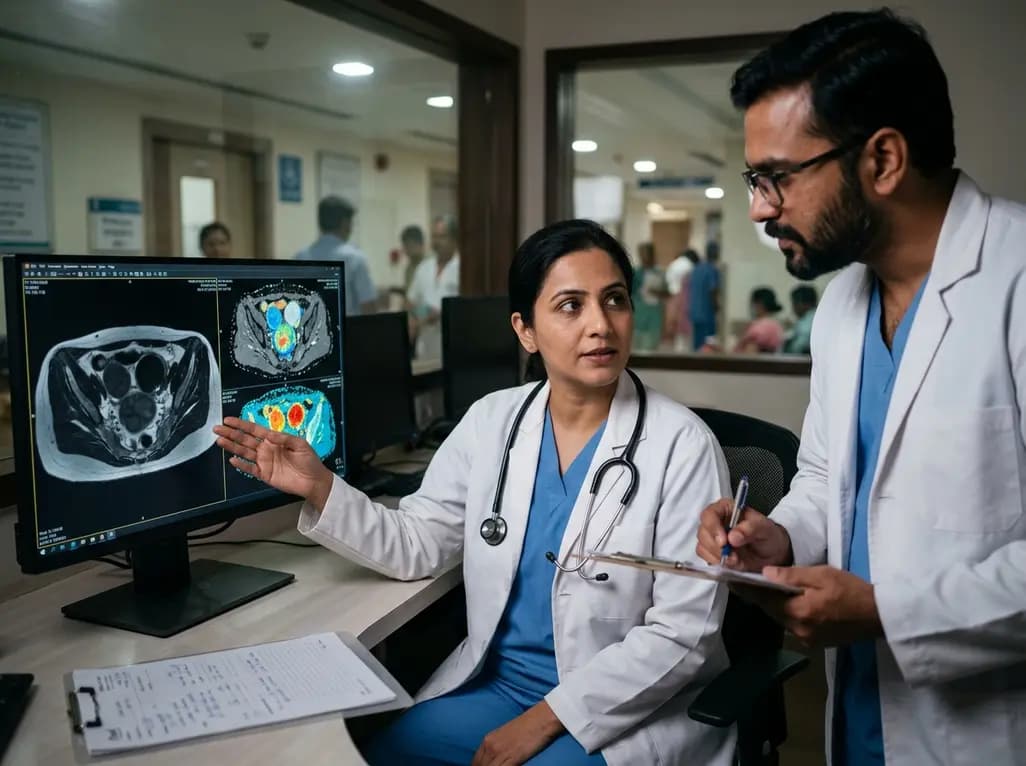
A multiparametric MRI approach combining quantitative T2 shading, apparent diffusion coefficient (ADC) measurements, and morphological signs provides superior diagnostic accuracy over subjective evaluation to differentiate ovarian endometriomas from benign hemorrhagic cysts.
Today
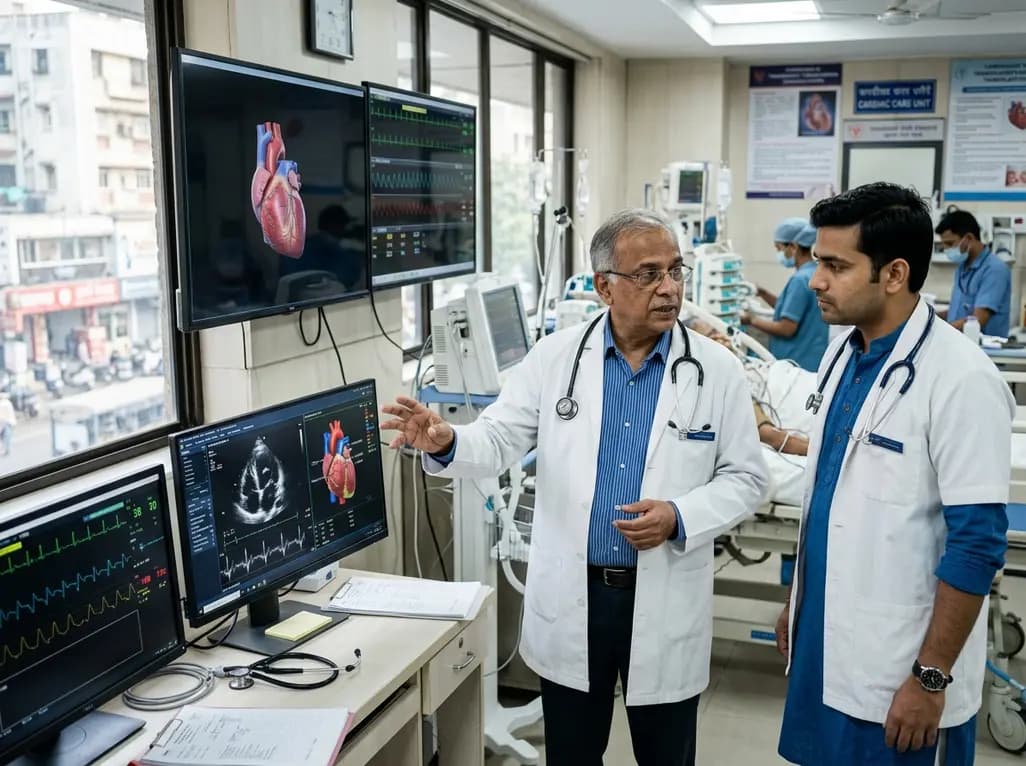
A landmark case report reveals a donor heart beating for a century in a 63-year-old recipient, challenging conventional age limits in cardiac transplantation and offering critical lessons on organ longevity, donor selection, and long-term graft survival.
Today
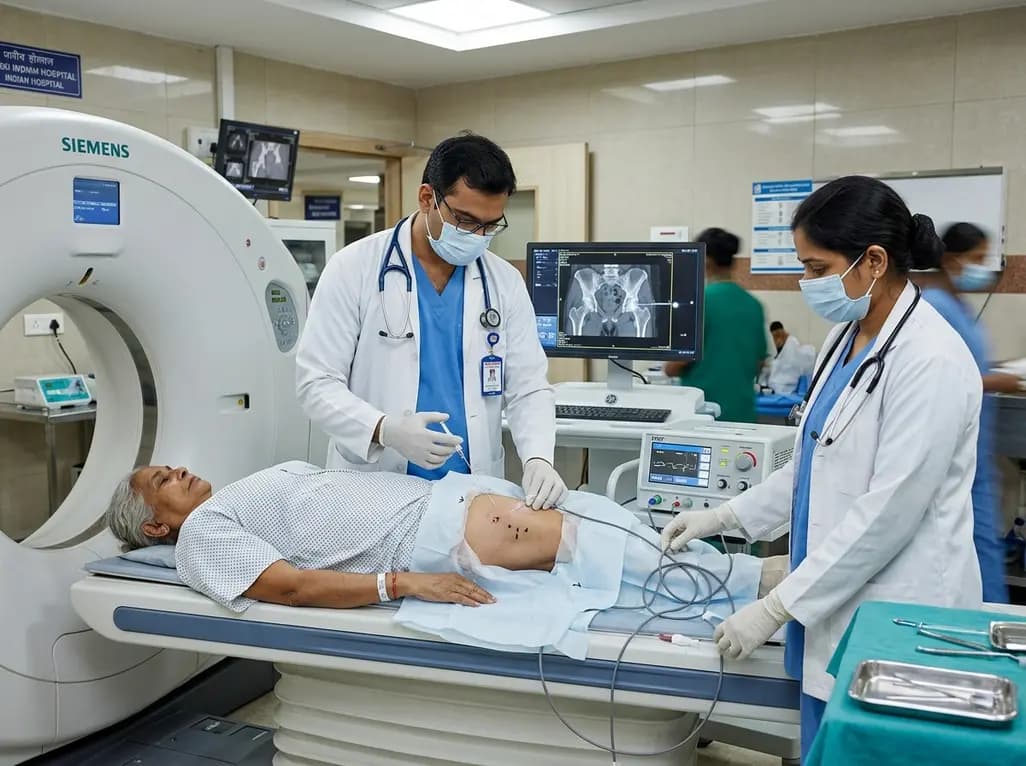
CT-guided pulsed radiofrequency ablation of the obturator nerve delivers durable pain relief up to 12 months in mild-to-moderate hip osteoarthritis, while offering a safe short-term palliative bridge for severe grade 4 disease without procedural complications.
Today
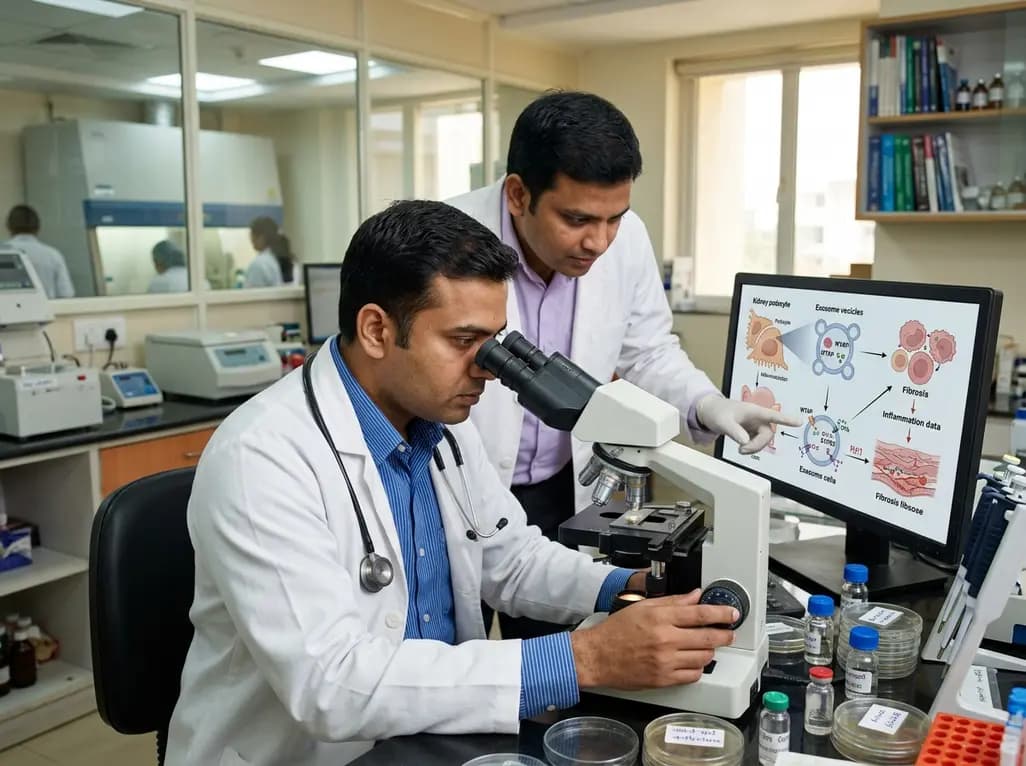
New research reveals that M1 macrophage-derived exosomes aggravate diabetic nephropathy by transferring WTAP to stabilize S1PR2 mRNA. Silencing WTAP in these vesicles attenuates endothelial injury and renal fibrosis, pointing toward innovative nanomedicine therapies.
Yesterday
