.webp&w=384&q=75)

Loading, please wait...
Loading, please wait...

Adolescent and young adult cancer survivors (AYACS) often face a unique set of psychosocial challenges during their recovery. Research indicates that up to one-third of this population suffers from major depressive disorder. Therefore, healthcare providers are increasingly looking toward depression self-management tools to bridge the gap in accessible mental health care. While many evidence-based interventions exist, young survivors frequently struggle to access them due to academic or professional commitments. Digital health platforms offer a flexible alternative that caters specifically to the digital-native lifestyle of younger patients.
A recent study focused on co-designing a mid-fidelity prototype with 14 AYACS to ensure the tool met their specific needs. Most participants expressed a strong preference for mood-tracking features that utilized emojis rather than text-based entries. Furthermore, they indicated a willingness to engage with the tool daily if it felt authentic to their unique cancer experience. The qualitative analysis identified four critical themes for success: engagement through gamification, tailored content presentation, simplified user input, and a cohesive interface design. Consequently, these findings highlight that young survivors value flexibility and peer support in digital interventions.
In the Indian context, where cancer distress scores are notably high at diagnosis, such digital solutions could prove transformative. Studies on Indian AYA populations reveal significant emotional distress characterized by worry, sadness, and financial anxiety. Therefore, implementing depression self-management tools can help survivors monitor their mental health in real-time. Clinicians should encourage the use of these tools as a primary step in holistic survivorship care. By integrating gamified and interactive elements, these platforms can improve long-term adherence and psychological well-being among young survivors.
These tools provide a private, flexible way for survivors to track their mood and access coping strategies. Because they are digital, survivors can use them anytime, which helps overcome barriers like transportation or busy schedules.
Participants in recent studies emphasized the importance of gamification, peer support, and a design that feels authentic to their experience. They prefer simple inputs, such as emojis, to make mood tracking feel less like a chore.
While digital tools are excellent for self-management and monitoring, they are often designed to complement traditional therapy. They provide constant support and data that clinicians can use to tailor more intensive treatments when necessary.
Disclaimer: This content is for informational and educational purposes only. It does not constitute medical advice or professional services. Always seek the advice of your physician or other qualified health provider regarding a medical condition. Refer to the latest local and national guidelines for clinical practice.
References
Ingram KM et al. Co-Design of a Depression Self-Management Tool for Adolescent and Young Adult Cancer Survivors: Rapid Qualitative Analysis of Interview Feedback on a Prototype. JMIR Form Res. 2026 Apr 13. doi: 10.2196/77994. PMID: 41973497.
Shrivastava S et al. Assessment of Psychological Distress Among Indian Adolescents and Young Adults with Solid Cancer Using the National Comprehensive Cancer Network Distress Thermometer. South Asian J Cancer. 2022;11(3):214-220.
Zhang A et al. Long-term Mental Health Trajectories of Adolescent and Young Adult Cancer Survivors. JAMA Netw Open. 2024;7(5):e2412345.

Read summarized clinical updates, watch expert medical content, and earn CME certifications right from your smartphone.
Open your smartphone camera to scan and install.





A study explores the co-design of a digital depression self-management tool for young cancer survivors, focusing on personalization and gamification....
6 months ago
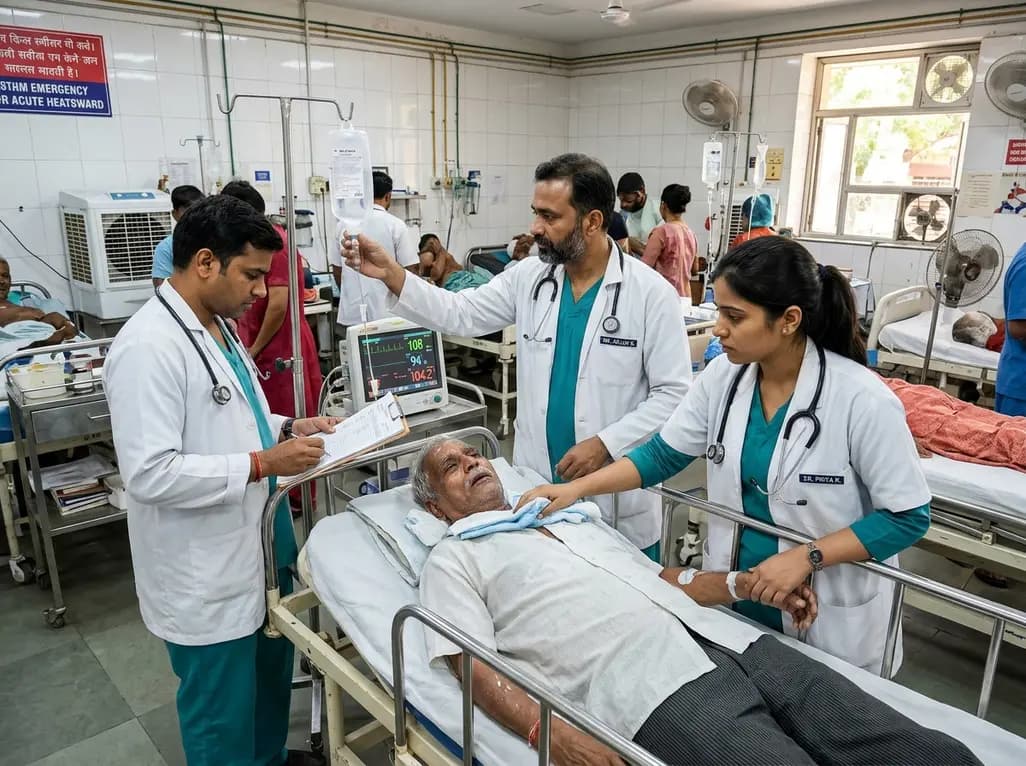
Recent epidemiological data reveals a dramatic surge in summer heat mortality driven by human-induced climate warming. This analysis explores the pathophysiological impacts on cardiac and renal systems, diagnostic dilemmas in death certification, and essential emergency cooling protocols for acute clinical care.
Today
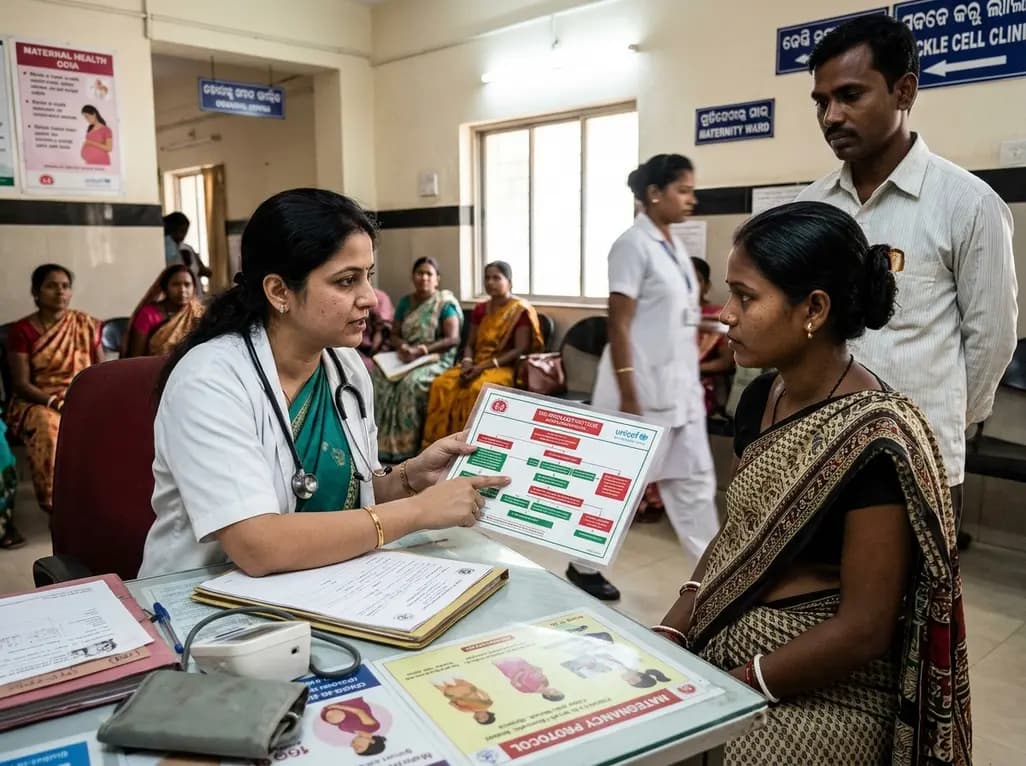
Odisha has established India's first state-level clinical protocol specifically tailored for pregnant women with sickle cell disease. Developed with NHM and UNICEF, the framework provides structured antenatal screening, crisis mitigation, standardized referral pathways, and specialized interdisciplinary care.
Today

India is advancing preventive healthcare by integrating genomics, artificial intelligence, and quantum technologies. With the SANGAM programme sequencing one million Indian genomes, clinicians can unlock personalized therapies, detect cardiometabolic risks early, and curb the burden of diabetes and heart disease.
Today
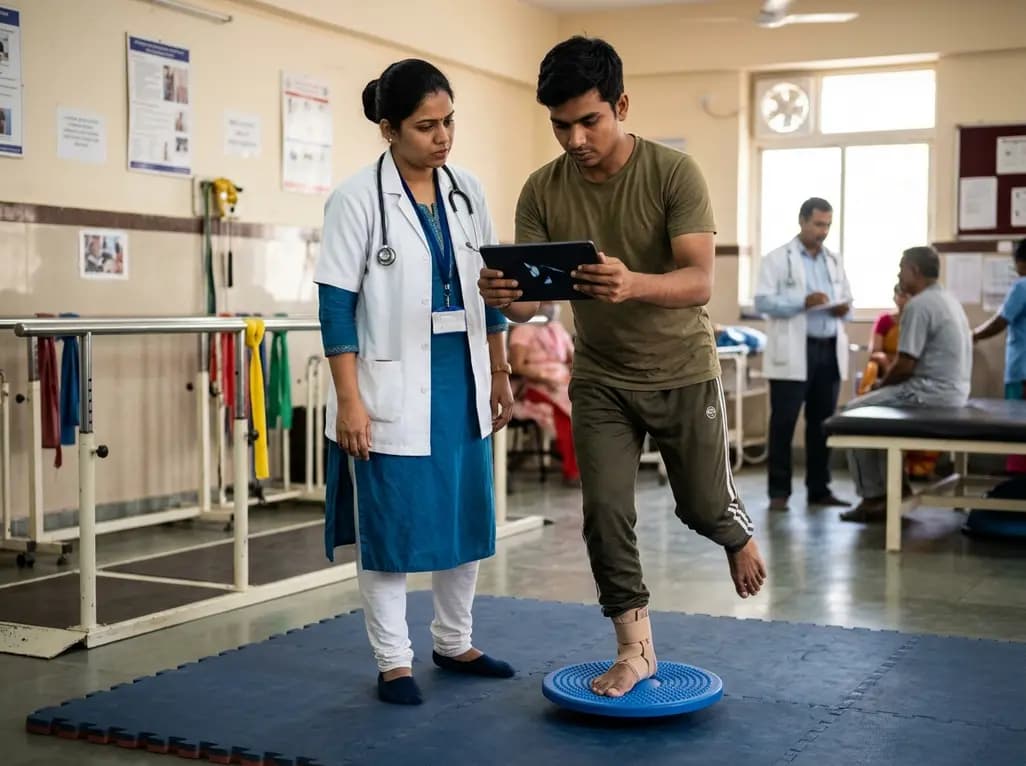
A randomized controlled trial demonstrates that an eight-week dual-task training intervention significantly improves static and dynamic postural control over standard balance exercises in individuals with chronic ankle instability, addressing critical neurocognitive deficits during athletic and daily activities.
Today

A retrospective cohort study of 7,716 ICU patients from the MIMIC-IV database demonstrates that Gradient Boosting Decision Trees significantly outperform traditional SOFA scores in predicting in-hospital mortality among patients with sepsis and diabetes, with SHAP analysis providing clinical interpretability.
Today
