.webp&w=384&q=75)

Loading, please wait...
Loading, please wait...
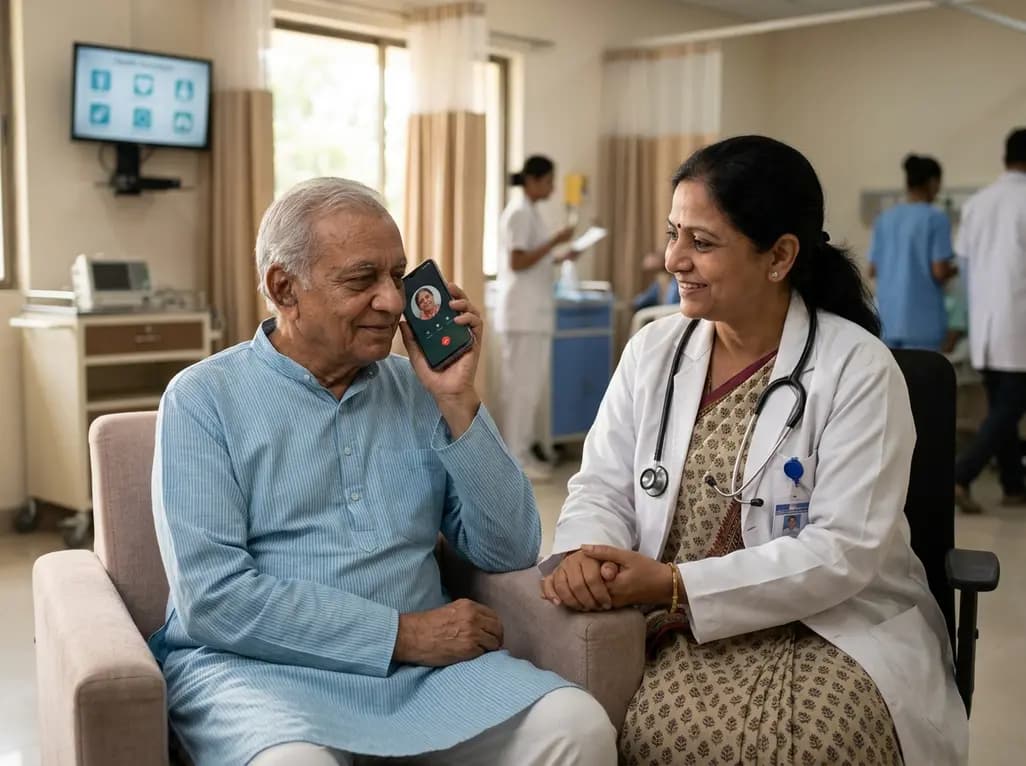
Neurodegenerative conditions present profound emotional challenges for families across India. Consequently, when progressive memory loss impairs facial recognition, familiar vocal cues often remain recognizable to patients. Therefore, digital health innovations leverage this sensory pathway to deliver compassionate care. Specifically, a novel dementia voice companion called Smriti addresses this clinical challenge by using familiar voices to reassure individuals experiencing cognitive decline. Ultimately, this approach aims to reduce agitation while preserving human connection.
Dementia presents complex clinical challenges that extend far beyond progressive cognitive impairment. In particular, behavioral and psychological symptoms of dementia create severe management difficulties for physicians and primary caregivers. Patients frequently experience acute agitation, motor restlessness, unprovoked anxiety, and verbal aggression as neuropathology advances. In India, over eight million individuals currently live with progressive neurocognitive conditions. Regrettably, pharmacological agents such as typical and atypical antipsychotics carry substantial risks of adverse clinical reactions. These medications often induce oversedation, extrapyramidal signs, accelerated cognitive decline, and increased cardiovascular vulnerability among older adults. Therefore, clinicians prioritize evidence-based non-pharmacological interventions as standard first-line protocols. Non-pharmacological approaches soothe emotional distress effectively without compromising physical safety or functional independence. However, delivering consistent behavioral therapies remains challenging in resource-limited home settings where specialized geriatric caregivers are unavailable. Family members frequently struggle to manage acute behavioral fluctuations during evening sundowning periods. As a result, patients endure sensory disorientation, which intensifies emotional dysregulation and resistance to routine daily care. Furthermore, untreated agitation increases hospitalization rates, worsens caregiver burnout, and precipitates early institutionalization. Developing accessible home-based behavioral strategies has thus become an essential clinical priority across contemporary practice.
Auditory processing pathways often retain functional connectivity even when visual associative agnosia severely impairs facial recognition. For this reason, individuals who fail to identify their children visually may still experience comfort upon hearing their voices. The Smriti platform translates this neurological observation into a practical daily therapeutic companion. Specifically, the dementia voice companion clones the vocal cadence and emotional warmth of a designated family member. Rather than requiring complex mobile applications, the platform initiates automated daily phone calls through WhatsApp. Consequently, patients receive familiar greetings without needing to learn unfamiliar technological interfaces or navigate touchscreens. The engineering team carefully designed every vocal inflection and conversational pause to ensure that dialogues feel natural and spontaneous. Furthermore, the synthetic companion asks reassuring questions and provides gentle reminiscence therapy grounded in the patient's personal history. These daily interactions re-establish a sense of grounding and emotional security within the home environment. Meanwhile, the patient engages in meaningful verbal exchange without feeling interrogated, intimidated, or confused. Thus, auditory stimulation provides a predictable anchor in an increasingly disorienting cognitive world. This structured acoustic familiarity effectively mitigates sudden distress and fosters persistent social engagement throughout the day.
Objective measurement remains crucial when assessing digital behavioral interventions in dementia care practice. In a recent clinical study involving more than 400 dementia patients, researchers systematically evaluated Smriti's therapeutic efficacy. The investigators utilized the Neuropsychiatric Inventory, a globally recognized validated assessment scale for non-pharmacological studies. Notably, the trial demonstrated a 32 percent reduction in patient agitation, anxiety, and aggressive outbursts. This substantial improvement highlights the clinical value of structured auditory engagement in neurocognitive rehabilitation. Because neuropsychiatric disturbances often precipitate acute crises, targeted behavioral interventions help stabilize fluctuating emotional states effectively. Furthermore, the platform's proprietary technology holds a provisional patent with the Government of India. The system's foundational architecture draws heavily from established cognitive assessment models, including the Alzheimer's Disease Assessment Scale-Cognitive Subscale. Lead researcher Aahana Gupta examined cultural biases in standard cognitive evaluation protocols to refine Smriti's conversational flow. Therefore, the companion addresses linguistic nuances specific to Indian households rather than relying on generic Western templates. In addition, the voice interactions avoid confrontational questions that might provoke defensive anger or agitation. Consequently, clinicians observe that sustained auditory reassurance stabilizes patient behavior and enhances daily emotional well-being without unnecessary pharmacological escalation.
Informal caregivers carry an immense emotional and physical burden across Indian domestic settings. In most households, adult children in their forties and fifties manage complex dual responsibilities. Sociologists refer to this demographic as the Sandwich Generation. These individuals must maintain full-time employment and raise young children while simultaneously caring for declining parents. Unfortunately, the relentless demands of daily caregiving frequently generate chronic stress, profound exhaustion, and pervasive guilt. Family caregivers cannot remain physically present every hour of the day to offer verbal reassurances. Consequently, guilt mounts when working adults must leave aging parents unattended or under third-party supervision. Smriti addresses this distress by functioning as a surrogate presence that preserves emotional intimacy. As Aahana Gupta emphasizes, the caregiver frequently becomes the forgotten patient in the dementia journey. Therefore, supporting caregiver mental health represents a primary clinical objective of this technology. By ensuring that elderly parents receive familiar, comforting check-ins each morning, the platform alleviates caregiver anxiety significantly. Furthermore, working family members regain peace of mind knowing that their parents hear a loving, familiar voice regularly. Thus, modern voice companion tools support the entire family ecosystem rather than treating the patient in total isolation.
Beyond daily companionship, digital voice platforms offer valuable opportunities for longitudinal health monitoring across clinical populations. Smriti incorporates sensitive algorithms that analyze subtle changes in conversational responses over extended periods. Specifically, the system monitors speech latency, acoustic fluctuations, vocabulary contraction, and emotional prosody during daily exchanges. When the companion detects aberrant linguistic patterns, it immediately flags these anomalies to family members. For example, sudden verbal hesitancy or repeated confusion may indicate acute delirium, intercurrent infections, or accelerated cognitive decline. Consequently, family members and attending physicians can intervene before minor issues escalate into acute medical emergencies. Yash Wardhan Saraf notes that the primary engineering challenge involved making artificial voices feel truly warm and human. Each pause and tonal variation was refined to provide reassuring familiarity rather than mechanical precision. Furthermore, integrating acoustic biomarkers into clinical practice could significantly enhance outpatient dementia surveillance in home settings. Meanwhile, physicians must continue evaluating non-pharmacological technologies through rigorous clinical trials and ethical frameworks. While voice companions cannot halt underlying neuropathology, they provide meaningful symptomatic relief and emotional stabilization. Ultimately, thoughtful digital solutions can transform home-based dementia care into a proactive, compassionate, and data-informed medical journey.
Q1: How does a voice companion differ from standard conversational artificial intelligence?
Standard conversational tools utilize generic, synthetic voices that often sound unfamiliar or robotic to cognitively impaired individuals. In contrast, this companion specifically clones the distinct vocal identity of a loved one. Consequently, it leverages preserved auditory recognition pathways to evoke feelings of security. Furthermore, dialogues rely on personalized family memories and culturally tailored phrases. This person-centered design prevents disorientation, reduces behavioral agitation, and ensures that interactions remain emotionally reassuring rather than cognitively demanding.
Q2: What clinical evidence demonstrates the efficacy of voice companions in dementia care?
In a clinical evaluation of over 400 dementia patients, the platform achieved a 32 percent reduction in agitation, anxiety, and aggression. Researchers quantified these therapeutic outcomes using the globally recognized Neuropsychiatric Inventory. By providing predictable, daily auditory reassurance, the intervention effectively stabilized volatile emotional states without pharmacological side effects. Consequently, these findings highlight the viability of structured acoustic interventions as safe non-pharmacological adjuncts in routine geriatric care and long-term behavioral management.
Q3: How do these digital voice tools facilitate early detection of cognitive decline?
Digital voice tools continuously evaluate subtle speech biomarkers during daily conversations. Specifically, the software tracks speech latency, acoustic variations, vocabulary shifts, and response pauses over time. If a patient exhibits abnormal hesitation, sudden confusion, or atypical syntactic fragmentation, the system automatically alerts family caregivers. This early warning mechanism enables relatives and attending clinicians to identify intercurrent medical conditions, acute delirium, or cognitive deterioration rapidly, allowing prompt clinical intervention before severe decompensation occurs.
Disclaimer: This content is for informational and educational purposes only. It does not constitute medical advice or replace professional judgment. Refer to the latest local and national guidelines for clinical practice.
References

Read summarized clinical updates, watch expert medical content, and earn CME certifications right from your smartphone.
Open your smartphone camera to scan and install.





Smriti introduces a personalized voice companion that uses voice cloning to connect with dementia patients over WhatsApp. In clinical evaluations, this non-pharmacological approach reduced agitation and anxiety by 32 percent, easing caregiver guilt and offering early warnings for behavioral shifts.
Today
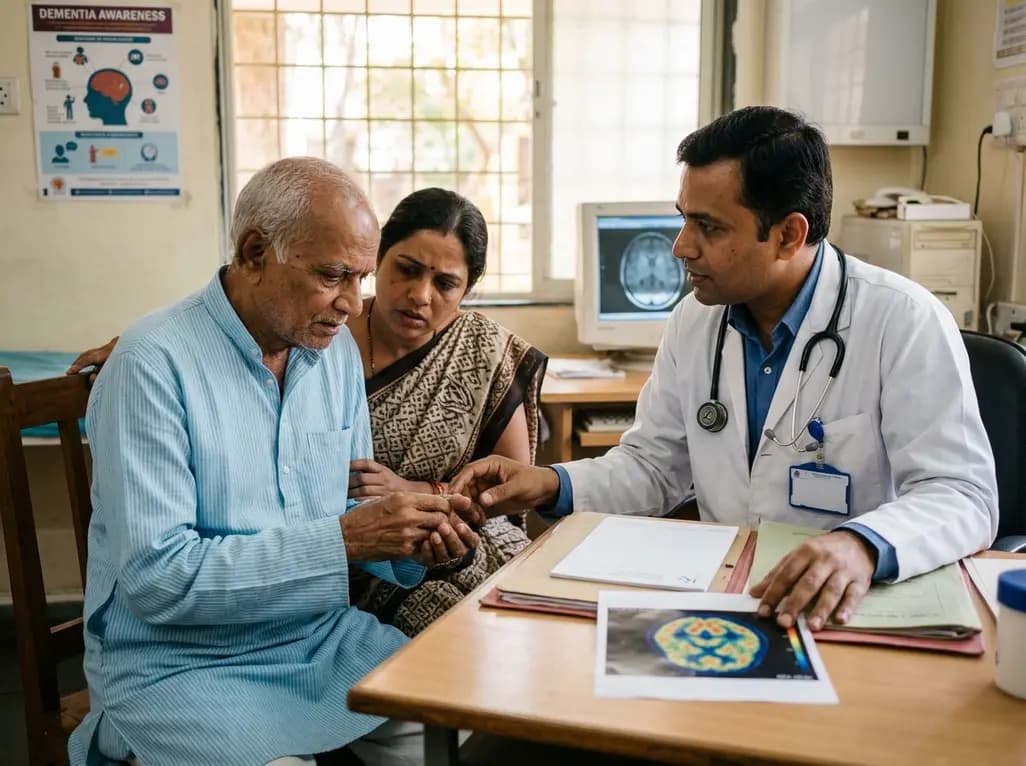
With clinical projections estimating millions of undiagnosed dementia patients across rural and semi-urban communities, Indian healthcare faces an impending neurodegenerative crisis. Discover how novel blood biomarkers, FDG PET neuroimaging, and targeted lifestyle modifications are reshaping dementia care pathways.
Today
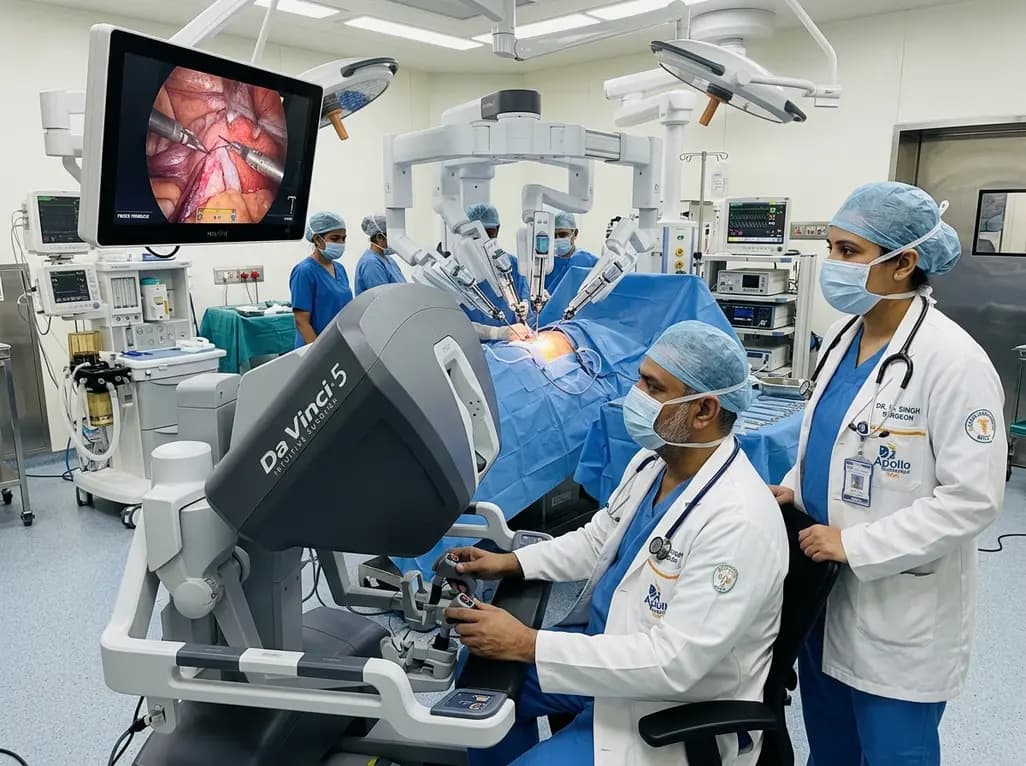
India expands its minimally invasive surgical landscape as Intuitive unveils its fifth-generation robotic platform. Equipped with real-time force feedback and immense computing performance, this innovation assists clinical specialists across urology, gynecology, and general surgery in optimizing operative care.
Today

A cross-sectional analysis of NHANES 2013-2020 reveals that depressive symptoms and sleep disturbance significantly elevate the odds of cardiometabolic multimorbidity in adults with arthritis. Comprehensive clinical screening and integrated multi-organ interventions are vital to reduce overall cardiovascular burden.
Today
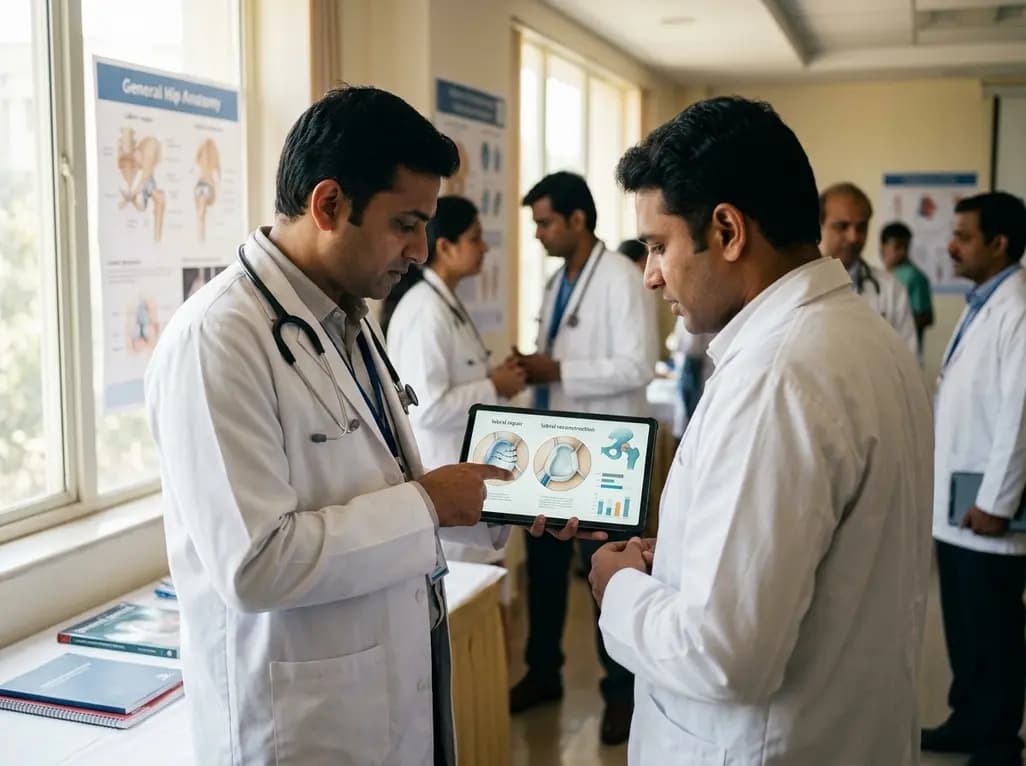
Systematic review comparing labral repair and reconstruction in primary hip arthroscopy shows comparable short- to mid-term patient-reported outcomes, with lower THA conversion after repair but superior outcomes for reconstruction in patients aged 40 and older.
Yesterday
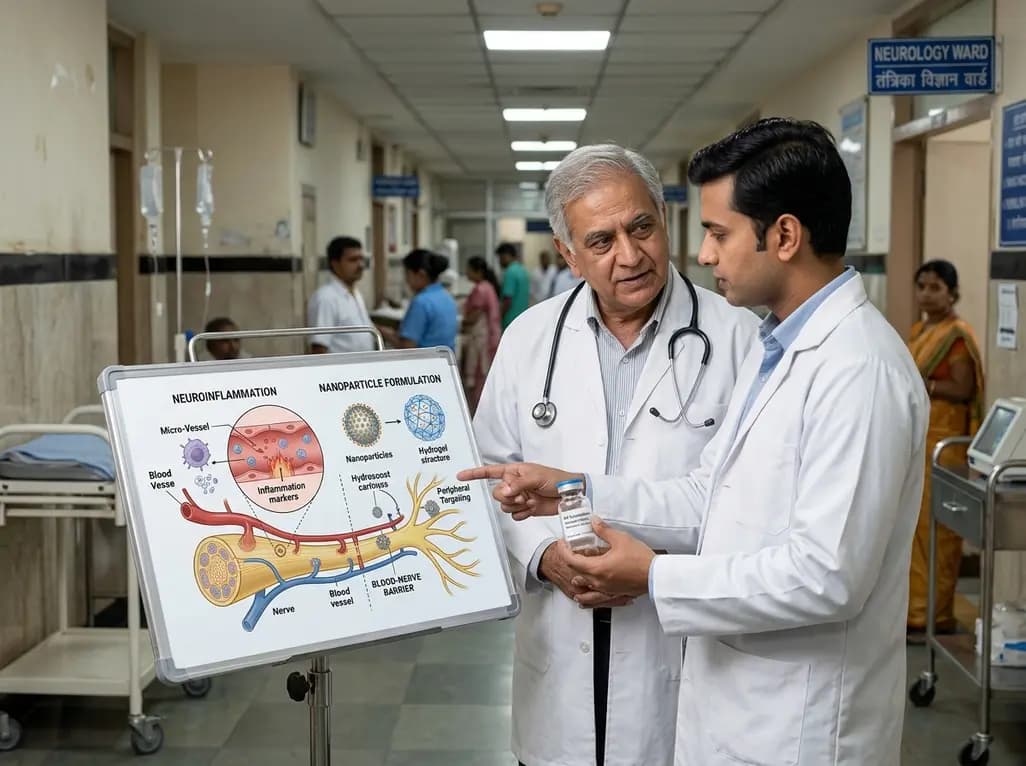
Diabetic peripheral neuropathy involves chronic neuroinflammation and blood-nerve barrier dysfunction. This review discusses advanced nanomedicine formulations, including nanoparticles and hydrogels, designed to overcome pharmacokinetic barriers and modulate the peripheral neuroimmune axis.
Today
