.webp&w=384&q=75)

Loading, please wait...
Loading, please wait...
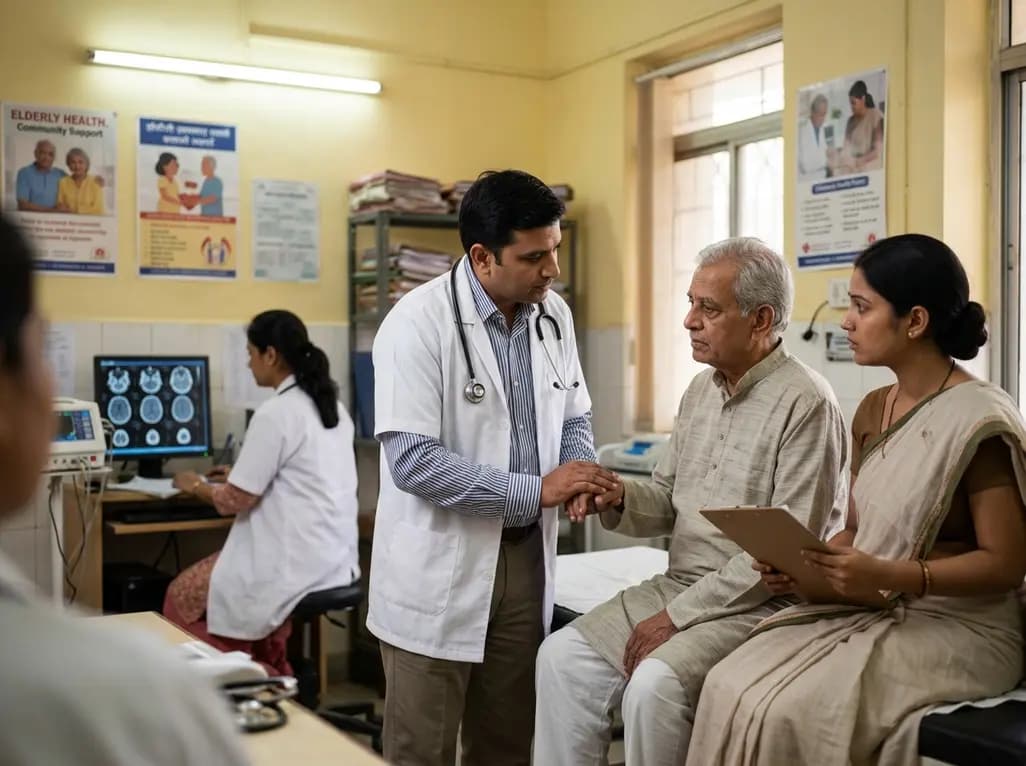
India is undergoing a dramatic demographic transition marked by rapid population aging. Consequently, neurodegenerative conditions are emerging as paramount public health priorities. Recent projections show that dementia will redefine healthcare discussions over the coming decades. Therefore, medical professionals must urgently evaluate the infrastructure supporting dementia care in India. A clinical diagnosis alone cannot resolve this complex syndrome. Instead, physicians and community leaders must build a collaborative care framework to support families effectively.
Epidemiological estimates indicate a staggering increase in cognitive decline across the country. According to national population surveys, approximately 8.8 million older adults currently live with dementia. Furthermore, an AIIMS-USC study warns that this figure could reach 16.9 million individuals by 2036. This impending surge will place immense strain on Indian clinical centers and family structures.
However, the clinical burden exhibits substantial regional disparities. Research demonstrates that rural communities carry a higher disease prevalence than urban sectors. Lower literacy levels and limited diagnostic awareness frequently delay timely clinical evaluations in rural districts. In addition, female seniors experience disproportionately higher rates of neurocognitive decline.
These rising numbers represent more than simple memory loss. Patients progressively surrender executive function, communicative competence, and behavioral control. Therefore, medical professionals must recognize that the impending crisis demands proactive systemic intervention rather than passive observation. Early identification must transform from an isolated diagnostic event into a comprehensive clinical journey. Primary care physicians serve as the first line of defense during this transition. Consequently, clinicians must sharpen their clinical acumen to detect subtle impairments before irreversible functional devastation occurs. Moreover, hospital administrators must integrate routine baseline assessments into annual geriatric reviews. This proactive approach ensures earlier supportive management.
Despite the mounting prevalence, infrastructural capacity remains drastically insufficient to meet patient needs. Currently, fewer than fifty full-fledged specialized dementia facilities operate across the entire country. Consequently, an overwhelming majority of families must manage advanced neurocognitive decline at home without institutional support. This stark institutional void places extraordinary physical, financial, and psychological stress on informal family caregivers.
Furthermore, specialized memory clinics remain heavily concentrated in major metropolitan tertiary centers. Rural and semi-urban populations must travel prohibitive distances to access specialized psychiatric or neurological assessments. Because tertiary facilities operate under heavy workloads, clinicians often struggle to provide extended post-diagnostic counseling.
Therefore, bridging this gap requires decentralizing dementia care in India to the primary healthcare level. District hospitals must establish dedicated memory assessment units staffed by multidisciplinary teams. Additionally, healthcare policymakers should incorporate specialized dementia management training into community nursing and medical curricula. Standardizing these services will enable clinicians to deliver evidence-based interventions closer to patients' residences. Ultimately, establishing robust outpatient networks will mitigate the catastrophic economic and personal hardships that caregiving families presently endure. Meanwhile, government programs must allocate specific financial resources toward long-term adult day-care centers. Such day-care models provide essential respite for burdened family members.
A prominent barrier to early clinical detection is the widespread cultural conflation of cognitive impairment with natural senescence. Families often rationalize progressive forgetfulness, social withdrawal, or mood alterations as unavoidable consequences of aging. Unfortunately, even experienced clinicians sometimes overlook subtle changes during brief routine outpatient consultations. Dismissing these initial behavioral transformations squanders an irreplaceable window for medical and lifestyle intervention.
Moreover, atypical presentations frequently confuse early diagnostic evaluations. While Alzheimer's disease predominantly impairs episodic memory, frontotemporal disorders manifest primarily through personality shifts, disinhibition, or executive dysfunction. Similarly, vascular dementia frequently presents with fluctuating psychomotor slowing and emotional lability rather than pure amnesia.
Consequently, physicians must utilize validated, culturally sensitive screening tools during geriatric assessments. Instruments such as the Hindi Mental State Examination or the Montreal Cognitive Assessment Indian adaptation provide valuable objective measurements. Additionally, clinicians should always gather detailed collateral histories from close relatives to identify subtle functional declines. Detecting these warning signs early allows clinicians to exclude reversible causes like hypothyroidism or vitamin deficiencies. Thus, rigorous clinical differentiation ensures that patients receive appropriate neuroprotective management before severe disability emerges. Furthermore, initiating non-pharmacological therapies at this early juncture significantly preserves daily independence.
While modern medicine offers no curative pharmacological therapy for progressive neurodegeneration, clinicians possess potent preventive tools. International literature highlights a crucial window for intervention targeting modifiable lifestyle and metabolic risk factors. In fact, research indicates that addressing modifiable determinants could delay or prevent nearly half of all dementia cases globally.
In India, metabolic conditions demand immediate clinical focus. Type 2 diabetes and essential hypertension develop at younger ages and lower body mass indices among South Asians. These chronic conditions accelerate microvascular cerebral injury, blood-brain barrier dysfunction, and neuronal apoptosis. Therefore, aggressive blood pressure regulation and glycemic control represent essential neuroprotective strategies for adult patients.
Additionally, clinicians must target sensory impairments, particularly midlife hearing loss and uncorrected visual deficits. Correcting sensory deprivation through affordable hearing aids or cataract surgery preserves cerebral engagement and cognitive resilience. Furthermore, promoting tobacco cessation, limiting alcohol intake, and encouraging regular physical exercise reinforce cerebrovascular health. By adopting a life-course approach, general practitioners can identify at-risk middle-aged patients decades before neurodegenerative symptoms manifest. Consequently, clinical prevention must become the cornerstone of public health neurology. Finally, balanced diets rich in antioxidants and polyunsaturated fatty acids offer substantial neuroprotective benefits over long therapeutic horizons.
A comprehensive healthcare response cannot rely exclusively on clinical consultations and pharmacological prescriptions. Instead, sustainable solutions require building an integrated, community-centered support ecosystem. In Indian society, the family serves as the primary caregiving institution for aging individuals. However, the chronic trajectory of dementia frequently drains household economic resources and triggers severe caregiver burnout.
To address this reality, healthcare providers must partner with local communities, workplaces, and non-governmental organizations. For example, primary health centers can train community health workers to conduct home visits and offer basic caregiver guidance. In addition, hospitals should sponsor structured support groups where caregivers learn practical de-escalation strategies for agitation and wandering.
Furthermore, legal and social frameworks must modernize to protect vulnerable elderly patients from neglect or financial exploitation. Workplaces should also consider flexible policies that accommodate employees caring for aging family members. Clinicians must actively champion these holistic initiatives, recognizing that caregiver well-being directly dictates patient survival and quality of life. Ultimately, constructing a collaborative network transforms isolated clinical care into a humane, societal commitment that preserves patient dignity throughout the neurodegenerative journey. Consequently, institutional leadership must unite healthcare professionals and civic organizations to implement these community-wide support structures.
Q1: Why are dementia rates projected to rise significantly in India?
Dementia rates are rising rapidly primarily due to substantial gains in life expectancy and overall population aging. Furthermore, India faces a heavy burden of midlife cardiovascular risk factors, including early-onset diabetes and untreated hypertension. Additionally, limited diagnostic infrastructure and low public awareness historically left many individuals undiagnosed. As diagnostic capabilities improve and demographic shifts accelerate, total documented cases will escalate dramatically.
Q2: How can primary care clinicians differentiate early dementia from normal aging?
Normal aging typically involves benign forgetfulness, such as misplacing objects occasionally while retaining contextual memories. In contrast, early dementia involves progressive cognitive deterioration that disrupts daily activities, problem-solving, and personal hygiene. Clinicians should administer standardized cognitive screening tools like the Hindi Mental State Examination during routine visits. Furthermore, gathering reliable collateral histories from family members helps identify subtle executive changes and personality shifts.
Q3: What modifiable risk factors can physicians target to delay cognitive decline?
Physicians can target several potent modifiable factors across a patient's life course. Specifically, managing vascular conditions such as midlife hypertension, dyslipidemia, and type 2 diabetes significantly preserves cognitive function. Furthermore, clinicians must prioritize correcting midlife hearing impairment and late-life visual deficits. Encouraging smoking cessation, physical exercise, and regular social interaction provides additional neuroprotection, delaying cognitive decline even in genetically vulnerable populations.
Disclaimer: This content is for informational and educational purposes only. It does not constitute medical advice or replace professional judgment. Refer to the latest local and national guidelines for clinical practice.
References

Read summarized clinical updates, watch expert medical content, and earn CME certifications right from your smartphone.
Open your smartphone camera to scan and install.





As India undergoes rapid demographic aging, neurodegenerative conditions place unprecedented pressure on healthcare infrastructure. Clinicians and policymakers must look beyond symptom identification to address lifestyle determinants, improve diagnostic pathways, and expand community-based caregiver support systems.
4 weeks back

A recent case shows that exertional rhabdomyolysis can trigger marked transaminase spikes despite moderate creatine kinase elevation. Preserved hepatic synthetic function confirms muscle injury rather than liver failure, guiding conservative hydration and preventing unnecessary invasive diagnostics.
Today

A pharmacometric and machine learning study reveals that specific vaginal bacteria alter cervical antiretroviral exposure, highlighting the need for precision HIV PrEP strategies.
Yesterday
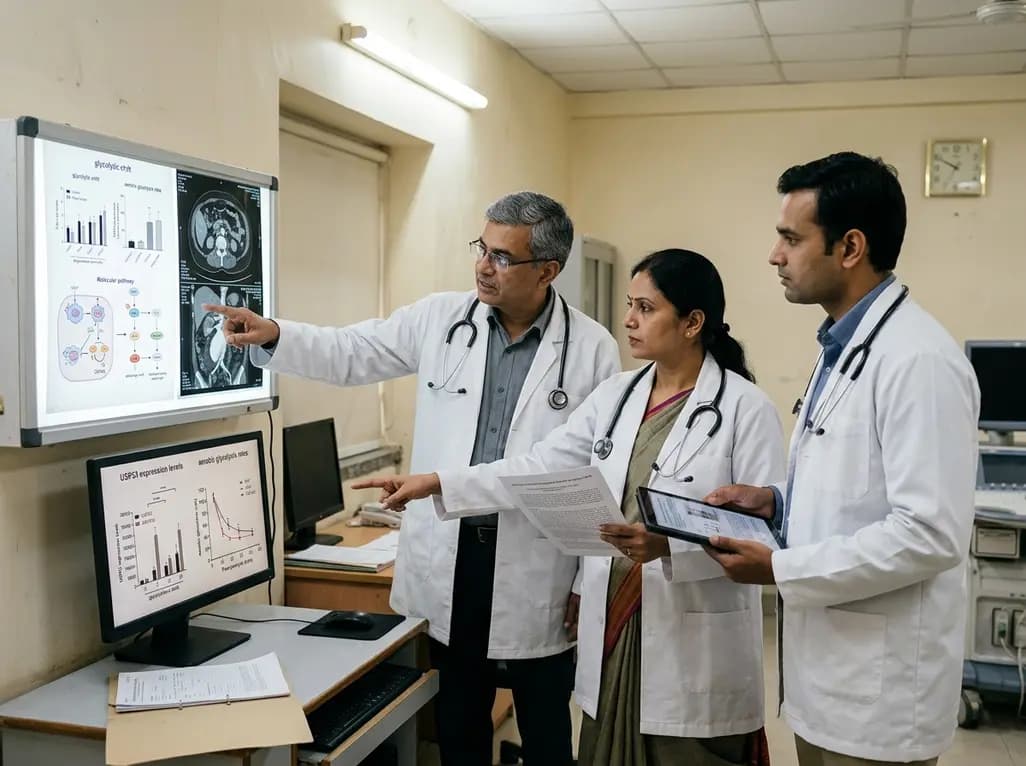
Abdominal aortic aneurysm rupture remains a catastrophic vascular emergency. Groundbreaking research reveals that USP53 accelerates aneurysm progression by reprogramming smooth muscle cell metabolism toward aerobic glycolysis, highlighting a promising target beyond conventional diameter-based surveillance.
Today
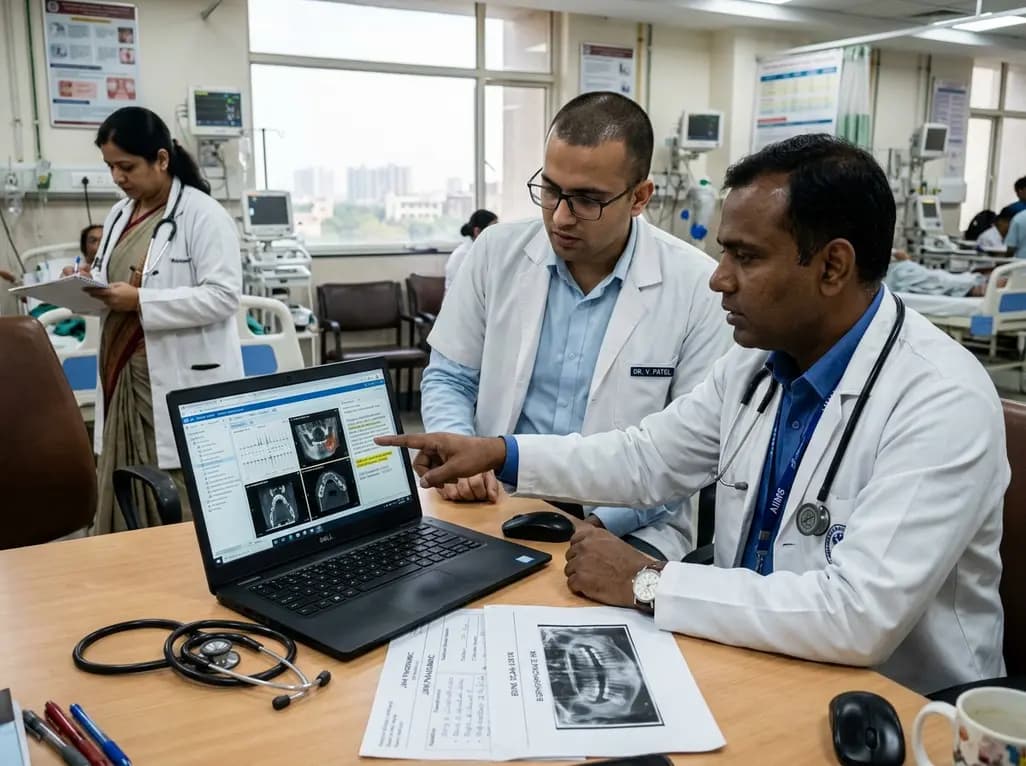
A breakthrough study leverages natural language processing to accurately identify incident medication-related osteonecrosis of the jaw and track antiresorptive drug holidays from clinical narratives in electronic health records, advancing osteoporosis pharmacovigilance and dental safety.
Today
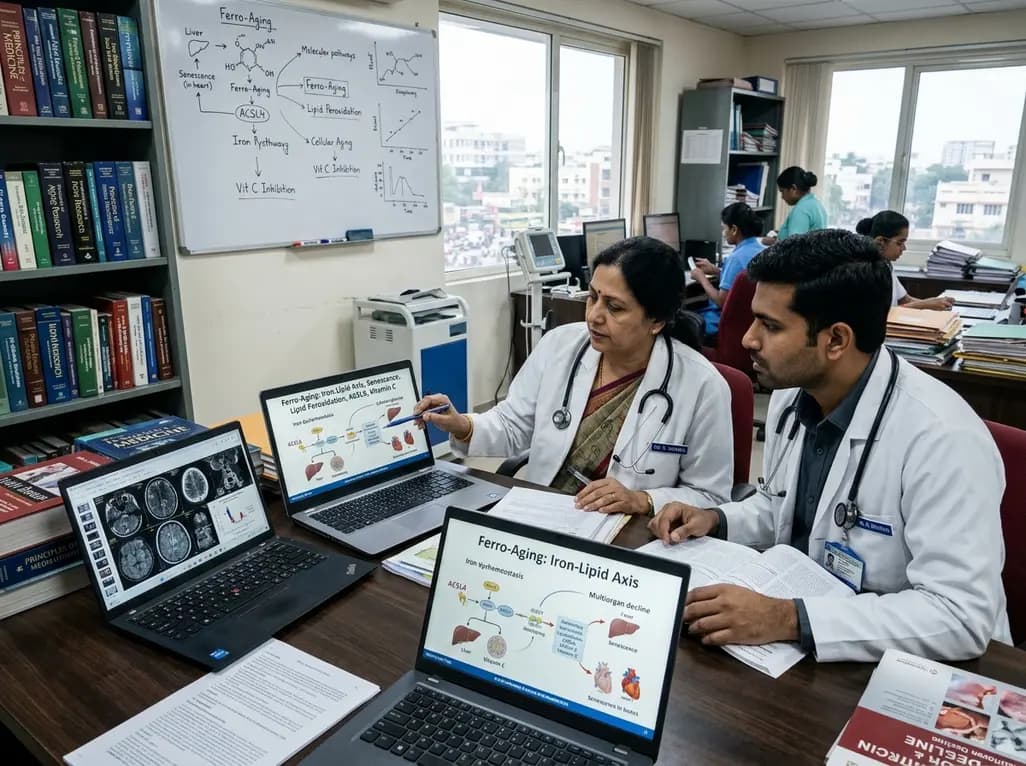
Recent research defines ferro-aging as a conserved iron-lipid axis driving organ decline across primates. Age-related iron dyshomeostasis stimulates ACSL4-mediated lipid peroxidation, promoting cellular senescence. Notably, vitamin C directly inhibits ACSL4, suppressing phospholipid oxidation and multi-organ decay.
Yesterday
