.webp&w=384&q=75)

Loading, please wait...
Loading, please wait...

Managing hospitalized patients with cognitive impairment presents complex clinical challenges for modern healthcare systems. Recent systematic evidence highlights significant gaps in how clinicians evaluate and mitigate risk during acute hospital stays. Traditional inpatient protocols primarily prioritize physical safety, often overlooking emotional, social, and spiritual dimensions. Modern dementia care acute hospital frameworks require a comprehensive, person-centered paradigm to optimize clinical outcomes and protect patient dignity.
Risk conceptualisation in clinical practice heavily influences daily nursing and medical interventions. Acute hospital staff frequently associate risk with immediate adverse physical events. Consequently, clinicians focus overwhelmingly on fall prevention, elopement, medical device removal, and physical injury. While preventing physical trauma remains vital, this restrictive perspective creates an incomplete clinical assessment framework. Hospitalized individuals with dementia routinely face implicit psychological and emotional risks that standard intake assessments miss completely. For instance, sudden environmental shifts trigger severe acute distress, accelerated cognitive decline, and delirium. When healthcare providers fail to recognize non-physical vulnerabilities, institutional care inadvertently increases patient distress. Expanding the clinical definition of risk allows healthcare teams to proactively identify subtle physiological and psychological stressors. A broader definition ensures that clinicians implement targeted interventions before minor distress escalates into severe behavioral crises or prolonged hospitalizations.
Inpatient environments inherently present sensory overload and unfamiliar routines that exacerbate cognitive disorientation. Hospitalized individuals frequently experience profound anxiety, confusion, and communication barriers when admitted for acute medical conditions. Unfortunately, routine clinical workflows rarely quantify psychological or social risk factors with the same rigor applied to physical fall scores. Social isolation during an acute admission severely diminishes functional independence and accelerates cognitive regression. Furthermore, healthcare professionals sometimes misinterpret distress behaviors as uncooperative actions, leading to inappropriate pharmacological restraints or chemical sedation. These secondary interventions carry significant risks, including prolonged delirium, severe functional decline, and extended length of stay. Addressing social and emotional safety requires structured multidisciplinary collaboration. Nursing staff, geriatric specialists, and medical officers must actively monitor psychological status alongside routine vital signs. Prioritizing emotional comfort reduces acute agitation, minimizes inappropriate medication administration, and fosters a supportive environment conducive to overall physiological healing and clinical recovery.
Evidence-based interventions substantially reduce adverse clinical events while improving care quality for vulnerable inpatients. Implementing targeted dementia screening tools upon admission allows clinicians to establish baseline cognitive functionality rapidly. Environmental modifications serve as a cornerstone for effective risk reduction in high-volume hospital wards. Simple environmental adjustments, such as improved signage, glare reduction, dedicated calm spaces, and orientation clocks, significantly reduce spatial confusion. Furthermore, non-pharmacological interventions must precede chemical or physical restraint options whenever clinically feasible. De-escalation techniques, therapeutic communication, structured re-orientation, and tailored sensory activities effectively manage acute behavioral distress. Integrating family caregivers into daily care planning represents another proven risk mitigation strategy. Relatives offer vital insights regarding baseline functional abilities, personal preferences, and effective comforting methods. Hospital protocols that actively encourage family presence empower healthcare teams to deliver continuous, personalized care while minimizing acute hospital confusion.
A central challenge in acute geriatric care involves balancing patient safety with personal autonomy and mobility. Overprotective clinical routines frequently restrict patient movement, resulting in rapid physical deconditioning, pressure injuries, and lost functional independence. Integrating positive risk-taking into dementia care acute hospital policies offers a practical solution to this clinical dilemma. Positive risk-taking involves systematically evaluating potential harms while supporting actions that enhance dignity and functional capability. Clinicians must weigh the clinical hazard of a potential fall against the guaranteed physiological decline associated with continuous bed rest. Ethical decision-making frameworks assist multidisciplinary medical teams in navigating these delicate clinical balances. Healthcare providers must conduct structured risk-benefit analyses that explicitly consider the patient's prior wishes and current quality of life. Embracing measured risk-taking respects patient autonomy while upholding professional standards of clinical care, ultimately promoting superior post-discharge functional outcomes.
Delivering high-quality dementia care in acute environments demands ongoing workforce education and strong ethical governance. Frontline medical and nursing staff require comprehensive competency enhancement covering behavioral management, ethics, and communication strategies. Hospital leadership must invest in continuous training programs that equip staff to manage complex cognitive symptoms confidently. Educational initiatives should emphasize ethical principles, focusing on informed consent, surrogate decision-making, and dignity preservation. Additionally, clinical ethics committees should actively assist hospital teams in resolving complex risk management dilemmas. Systemic organizational support prevents healthcare worker burnout and ensures consistent adherence to person-centered care models. When hospital administration prioritizes workforce education and clear ethical guidelines, clinical teams achieve higher quality standards, shorter lengths of stay, and better health outcomes for hospitalized patients with dementia.
Primary physical risks include inpatient falls, hospital-acquired infections, pressure ulcers, rapid physical deconditioning, and acute delirium. Unfamiliar hospital environments and acute illness increase physical vulnerability. Without tailored mobility protocols and environmental modifications, patients face heightened rates of physical injury, prolonged hospitalization, and post-discharge complications that severely impact long-term functional independence and overall recovery trajectories.
Person-centered care addresses individual preferences, communication needs, and personal history to reduce acute distress. By understanding a patient's baseline capabilities and triggers, healthcare staff can prevent behavioral escalation, eliminate the need for chemical restraints, and foster trust. This holistic clinical approach significantly improves patient cooperation, enhances diagnostic accuracy, and shortens overall hospital stays through tailored therapeutic interventions.
Positive risk-taking balances necessary physical safety measures with patient autonomy, mobility, and personal dignity. Completely eliminating physical risk often leads to severe mobility restriction, accelerated muscular atrophy, and loss of independence. Measured, protocol-guided risk-taking allows patients to maintain functional abilities and self-esteem while clinical teams maintain appropriate supervision and structured environmental safety measures.
Disclaimer: This content is for informational and educational purposes only and does not constitute medical advice, diagnosis, or treatment. Healthcare professionals should rely on their professional judgment and refer to the latest local and national guidelines for clinical practice.
References

Read summarized clinical updates, watch expert medical content, and earn CME certifications right from your smartphone.
Open your smartphone camera to scan and install.





A comprehensive scoping review examines how risk is conceptualised and managed for hospitalized patients with dementia. The findings emphasize transitioning from a narrow focus on physical safety toward holistic, person-centered, and ethically sound risk management strategies.
last month
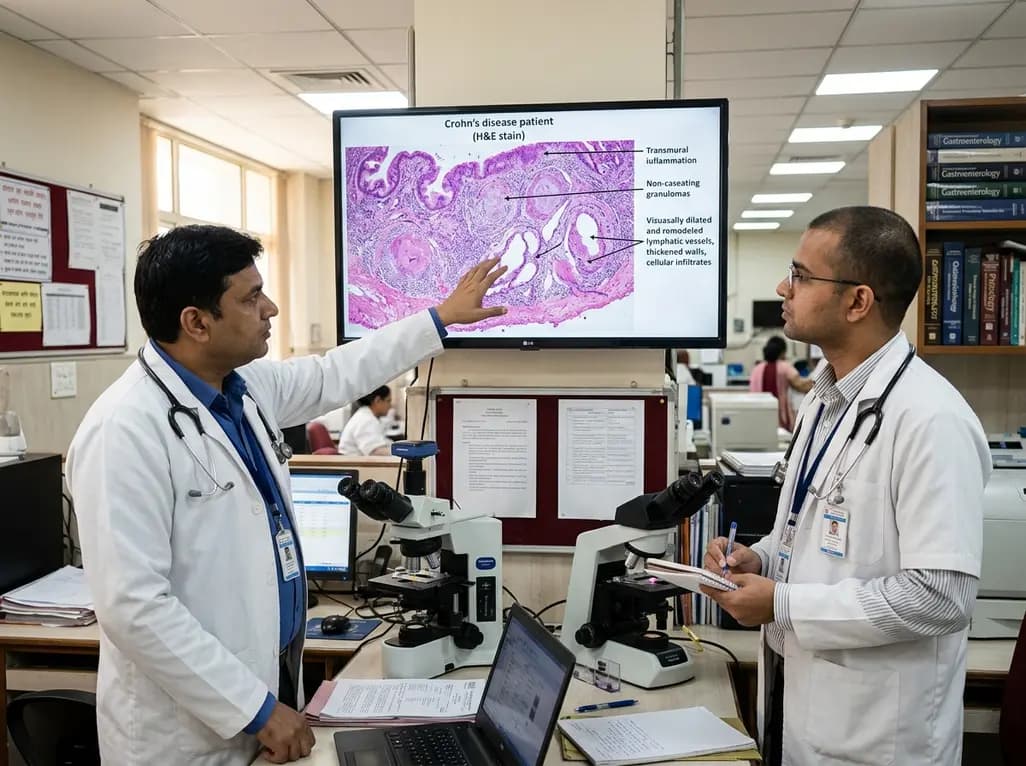
Intestinal lymphatic dysfunction is re-emerging as a fundamental driver of Crohn's disease pathogenesis. Explore how structural remodeling, lymphangitis, and defective clearance shape transmural inflammation and offer novel therapeutic targets.
Today

A school-based intervention using the Health Action Process Approach (HAPA) significantly enhanced adolescents' perceived benefits of consulting healthcare providers and promoted proactive menstrual health behaviors, offering key clinical insights for managing adolescent dysmenorrhea and endometriosis.
Today

A comprehensive analysis of the Translational Maturity Framework for nanomedicine-device combination products, evaluating regulatory complexity, manufacturing hurdles, and clinical readiness across oncology, cardiology, and orthopedics.
Today
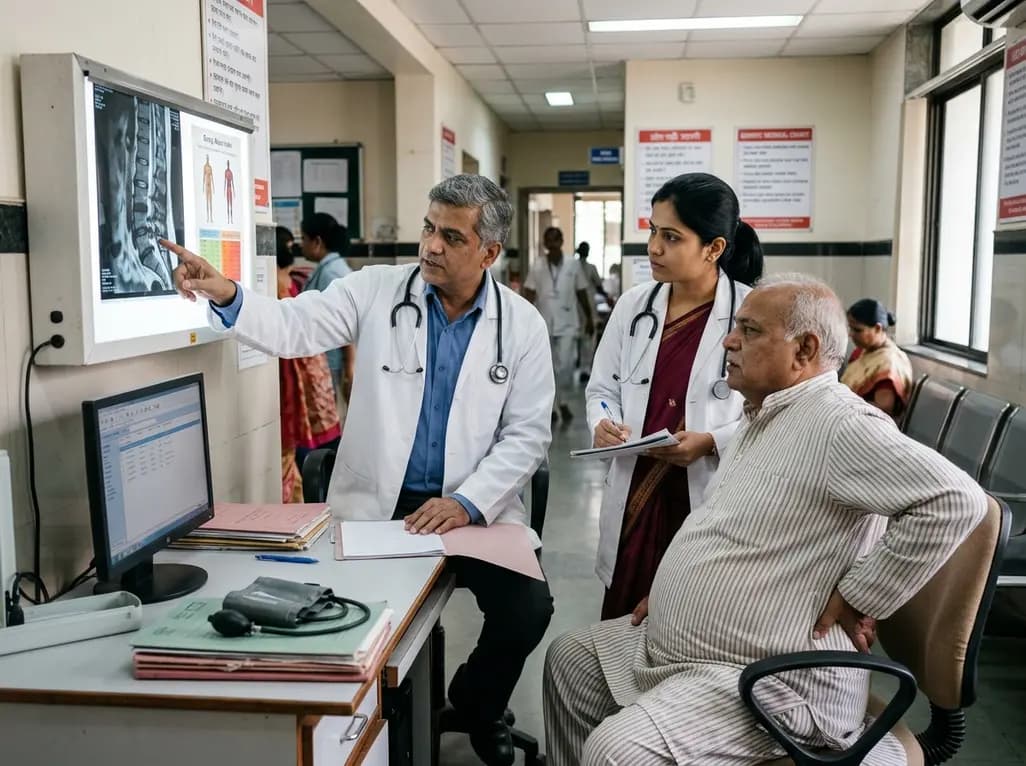
A cross-sectional study reveals that sarcopenic obesity independently increases functional impairment and severe disc degeneration in patients with degenerative lumbar spinal stenosis, highlighting the need for body composition assessment.
Today
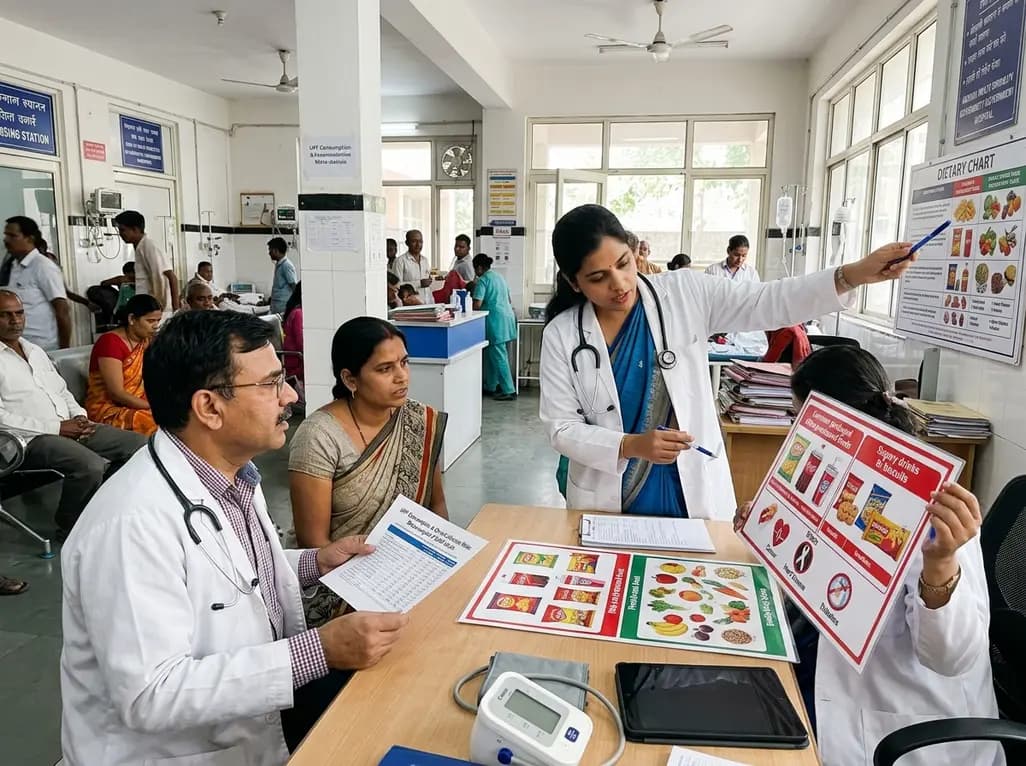
A landmark dose-response meta-analysis of 8.8 million adults reveals that high ultra-processed food intake significantly elevates risks for cardiovascular disease, cancer, diabetes, depression, and all-cause mortality, highlighting urgent needs for clinical lifestyle interventions.
Today
