.webp&w=384&q=75)

Loading, please wait...
Loading, please wait...
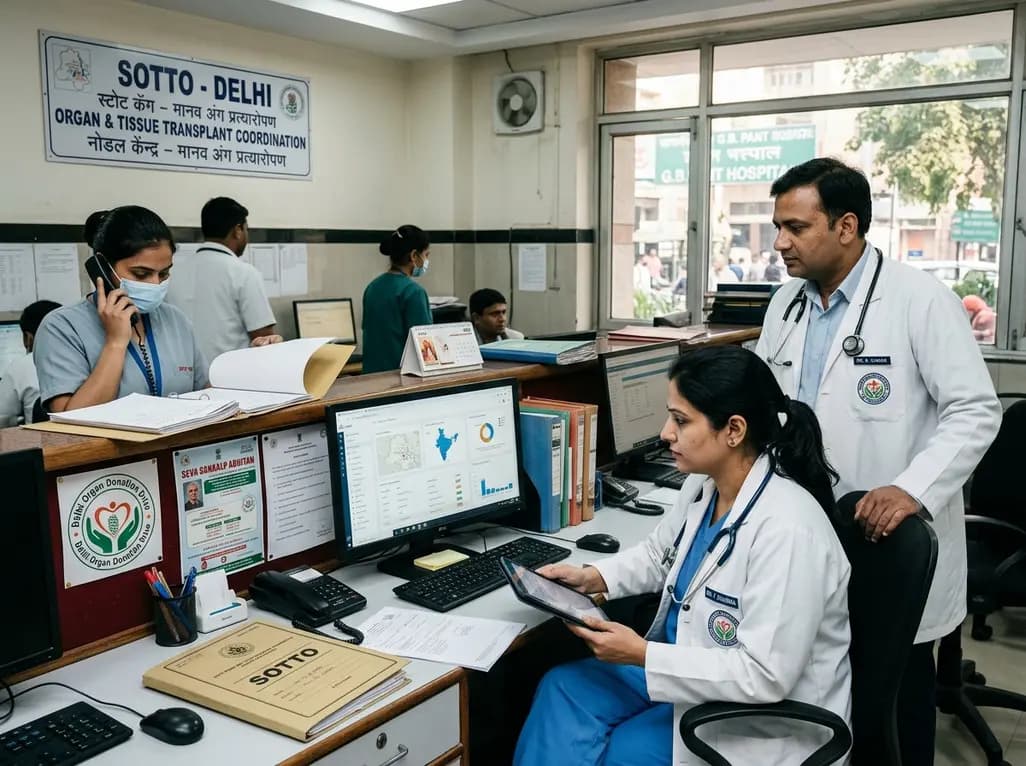
The Delhi government recently launched a comprehensive organ donation campaign under the Seva Sankalp Abhiyan initiative. Chief Minister Rekha Gupta championed this public program to expand voluntary pledges across the capital city. Furthermore, this coordinated effort marks a crucial transition toward structured deceased donor management. Hospitals across the National Capital Territory must now translate community awareness into practical clinical procurement. Consequently, critical care clinicians must understand the operational mechanisms behind these state-wide transplant protocols.
Establishing the State Organ and Tissue Transplant Organisation at Govind Ballabh Pant Hospital represents an important milestone. Previously, Delhi operated without an integrated state clearinghouse for deceased organ recovery. Therefore, regional hospitals often experienced significant administrative delays during potential procurement procedures. SOTTO now serves as the primary coordination hub for all licensed transplant centers in Delhi. Furthermore, the organisation connects municipal medical teams directly with the National Organ and Tissue Transplant Organisation. This hierarchical alignment ensures prompt notifications when suitable deceased donors become available. Additionally, SOTTO enforces rigorous compliance with national tissue procurement and safety guidelines. The facility actively maintains and updates the regional waitlist across participating medical centers. As a result, organ distribution follows an equitable, standardized allocation matrix. Dedicated transplant coordinators based at G.B. Pant Hospital assist regional intensive care teams daily. Consequently, clinicians can swiftly report potential brain stem death cases to regulatory authorities. In addition, the central office coordinates urgent green corridors alongside local traffic authorities. Ultimately, this cohesive infrastructure minimises cold ischaemic preservation times for retrieved organs. Therefore, transplant teams anticipate improved post-operative graft survival rates across regional recipients.
The newly initiated organ donation campaign seeks to eliminate entrenched social stigmas regarding deceased organ donation. Common public misunderstandings regarding post-mortem physical mutilation consistently impede family consent in intensive care units. Therefore, the municipal campaign utilizes digital portals, community outreach, and hospital workshops to demystify organ recovery. Citizens can seamlessly submit organ pledges and obtain instant digital donor cards through a web portal. Furthermore, public health authorities plan to integrate these pledge registries directly into universal health identifiers. This digital linkage allows treating intensivists to recognize registered donor preferences during terminal admissions. However, public awareness alone cannot resolve logistical inefficiencies in tertiary medical centers. Consequently, the Delhi government is actively improving diagnostic capabilities across public intensive care units. Specialised training workshops will guide critical care doctors and nursing personnel through early donor detection. Moreover, public hospitals are modernising their tissue retrieval facilities for ocular and dermal grafts. Thus, municipal administrators seek to build an enduring culture of voluntary organ donation. Ultimately, systemic improvements will convert citizen pledges into lifesaving surgical procedures.
Critical care physicians carry the primary legal responsibility for diagnosing brain stem death in hospital intensive units. Under Indian statutory regulations, clinicians must confirm the irreversible cessation of all intracranial brain stem reflexes. Consequently, intensive care units must perform systematic, documented assessments before discussing organ retrieval with families. A mandated panel of four qualified medical practitioners must conduct two complete clinical examinations. Furthermore, the panel must separate these two comprehensive diagnostic evaluations by a mandatory six-hour interval. Specifically, this team includes the medical superintendent, a treating clinician, an independent specialist, and a neurologist. Physicians must meticulously test pupillary responses, corneal reflexes, vestibulo-ocular reflexes, and pharyngeal responses during both rounds. Additionally, the medical team must perform a standardized apnoea challenge to evaluate central respiratory drive. Clinicians verify respiratory silence while arterial carbon dioxide tension exceeds sixty millimeters of mercury. However, physicians must maintain stable cardiovascular parameters throughout the apnoea test to avoid hypoxic cardiac arrest. Therefore, strict adherence to statutory documentation protects the medical team, the institution, and the donor.
India continues to experience a massive disparity between available donor organs and patients requiring life-saving transplants. Thousands of individuals with terminal organ failure die annually while waiting on national transplant registries. While living donor procedures remain prevalent for kidneys and livers, deceased donor rates remain markedly low. In fact, national deceased donation rates hover under one donor per million individuals. In contrast, several Western nations report deceased donation rates exceeding thirty donors per million citizens. Therefore, Delhi's updated operational structure directly addresses this substantial clinical deficit. Acute care clinicians frequently treat severe neurotrauma patients who subsequently progress toward irreversible brain stem death. Unfortunately, clinical teams fail to identify many eligible donors prior to irreversible cardiac arrest. Additionally, social hesitations frequently cause grieving relatives to withhold consent at the hospital bedside. Dedicated bereavement counselors and hospital transplant coordinators can substantially elevate family consent rates. Furthermore, rapid inter-hospital coordination ensures that recovered vital organs reach compatible recipients without prolonged ischemic decay. Consequently, strengthening deceased donation models significantly reduces illicit organ commerce and ensures ethical clinical practice.
Successful multiorgan procurement relies heavily on aggressive medical management of the certified brain-dead donor. The progressive destruction of brain stem centers triggers profound hemodynamic collapse, neurogenic shock, and hormonal depletion. Consequently, critical care clinicians must initiate specialized donor management protocols immediately following family consent. Intensivists must maintain adequate systemic perfusion by preserving mean arterial pressure above sixty-five millimeters of mercury. Specifically, clinicians favor low-dose vasopressin infusions to support vascular tone while simultaneously controlling central diabetes insipidus. Furthermore, intensivists employ lung-protective mechanical ventilation with low tidal volumes to preserve pulmonary donor grafts. Bedside teams must also prevent hypothermia using active external warming blankets and warm intravenous fluids. Additionally, clinicians administer hormone replacement therapy, including intravenous corticosteroids, levothyroxine, and insulin infusions. Serial laboratory analyses allow rapid correction of hypernatremia, metabolic acidosis, and progressive coagulopathy. Moreover, routine microbiological screening prevents inadvertent transmission of infectious pathogens to immunosuppressed recipients. In conclusion, diligent physiological resuscitation in the intensive care unit directly safeguards long-term allograft viability. Thus, physician expertise during donor maintenance remains essential for positive recipient outcomes.
Q1: What is the primary clinical role of SOTTO in Delhi's transplant network?
The State Organ and Tissue Transplant Organisation coordinates all deceased donor procurement and allocation procedures within the state. SOTTO maintains the centralized waiting list, connects intensive care teams with recovery surgeons, and liaises directly with NOTTO. Furthermore, it organizes emergency transit corridors with traffic authorities, ensures legal compliance under THOTA, and oversees hospital transplant coordinators. Consequently, this centralized oversight streamlines donor matching and shortens graft ischaemia times for waitlisted patients.
Q2: What legal steps must clinicians complete to certify brain stem death in India?
Indian law requires a multidisciplinary panel of four registered medical practitioners to certify brain stem death. This team consists of the medical superintendent, a treating physician, an independent specialist, and a neurologist or neurosurgeon. The panel must perform two thorough clinical examinations separated by a six-hour interval. Additionally, clinicians must conduct a standardized apnoea test confirming absent spontaneous respiration before completing statutory Form 10 documentation.
Q3: Why is aggressive physiological maintenance essential after brain stem death?
Brain stem death causes neurogenic shock, endocrine collapse, systemic vasodilation, and severe electrolyte disturbances. Therefore, critical care teams must administer active hemodynamic support, hormone replacement therapy, and lung-protective ventilation. Meticulous donor maintenance preserves cellular viability, prevents ischemic end-organ damage, and directly enhances post-transplant graft survival. Without active physiological stabilization, donor organs rapidly suffer irreversible hypoperfusion injury, making them clinically unsuitable for multiorgan transplantation.
Disclaimer: This content is for informational and educational purposes only. It does not constitute medical advice or replace professional judgment. Refer to the latest local and national guidelines for clinical practice.
References

Read summarized clinical updates, watch expert medical content, and earn CME certifications right from your smartphone.
Open your smartphone camera to scan and install.





The Delhi government operationalised SOTTO at G.B. Pant Hospital and launched a dedicated digital registry under the Seva Sankalp Abhiyan. This comprehensive initiative aims to bridge the deceased donor organ shortage, empower clinicians, and streamline brain stem death identification and procurement protocols.
Today
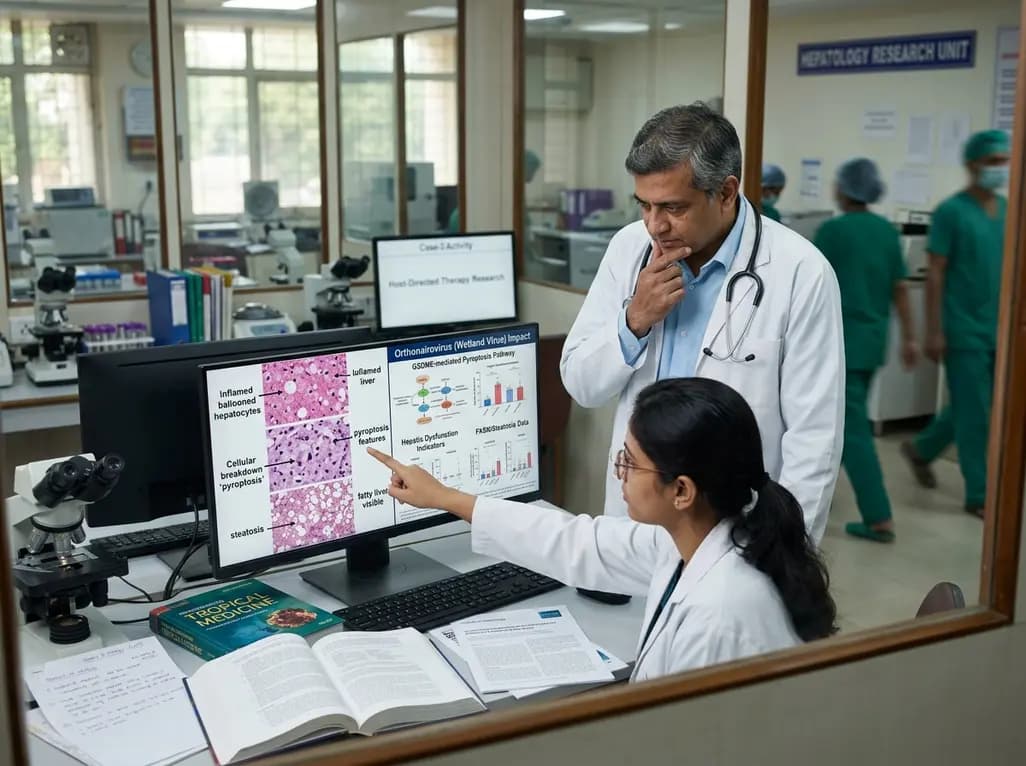
Newly recognized orthonairoviruses like Wetland virus trigger lethal hepatic dysfunction via caspase-3-gasdermin E pyroptosis and fatty acid synthase-dependent steatosis. This crucial link between inflammatory cell death and metabolic dysregulation highlights novel avenues for host-directed antiviral therapies.
Today
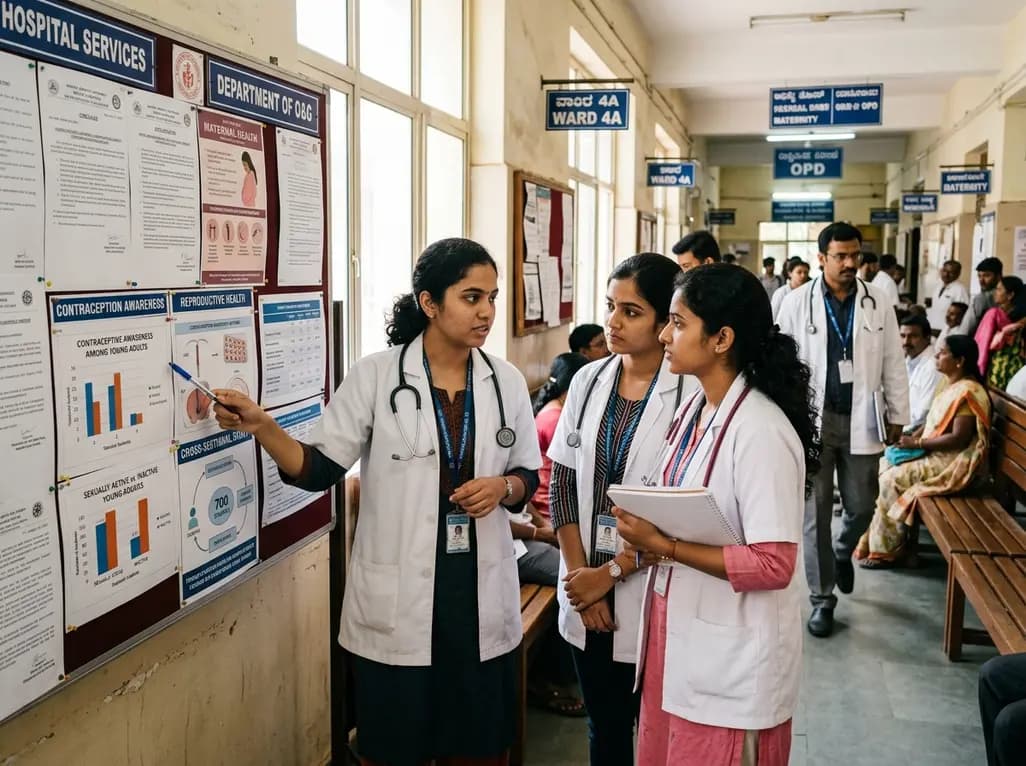
A cross-sectional study of 700 college students highlights significant contraceptive knowledge disparities between sexually active and inactive young adults. The findings demonstrate a critical need for proactive, comprehensive sexual health counseling before sexual debut.
Today
A landmark nationwide cohort study reveals that older adults with dementia who undergo cardiac catheterization for STEMI spend meaningful time alive at home, particularly community-dwelling individuals. Cognitive impairment alone should not preclude acute invasive revascularization.
Today

New anatomical and histological evidence reveals that the meniscofibular ligament and posteroinferior popliteomeniscal fascicle are true ligamentous structures. Discover the diagnostic and surgical repair implications for posterolateral knee instability.
Today
A randomized controlled trial demonstrates that theory-driven personalized mobile messaging reduces the risk of consecutive walking goal failures by 33 percent, highlighting the vital role of digital health tools in sustaining long-term exercise habits and chronic disease prevention.
Today
