

Loading, please wait...
Loading, please wait...

Adolescents presenting with subtle neurological symptoms often face prolonged diagnostic odysseys before clinicians confirm a definitive seizure disorder. Recent multi-institutional evidence reveals that adolescent onset focal epilepsy frequently remains undetected for several years, particularly when initial episodes lack overt motor manifestations. Consequently, young patients experience dozens of unrecognized events, increasing their vulnerability to preventable trauma and psychiatric distress. Healthcare providers must recognize these insidious presentations early to mitigate substantial physical and psychological morbidity.
Recent investigations from the Human Epilepsy Project illuminate striking diagnostic gaps among young patients. Specifically, researchers evaluated one hundred fifty-two individuals experiencing seizure onset at or before twenty-one years of age. The investigators found that patients waiting longer than twelve months for an accurate evaluation endured a staggering median diagnostic delay of 4.4 years. In contrast, patients identified promptly received targeted management before experiencing repeated neurological insults.
Why does such a profound disparity exist across this cohort? The analysis demonstrates that diagnostic delay primarily stems from failures in symptom recognition by both patients and healthcare professionals. In fact, over sixty-eight percent of delayed diagnoses involved nonmotor presentations that families and physicians failed to interpret as epileptic events. Adolescents often conceal transient sensory alterations or cognitive pauses because they fear social stigmatization. Moreover, general clinicians frequently misattribute these fleeting complaints to common adolescent issues, such as stress or migraines. As a result, repetitive discharges continue unchecked throughout critical neurodevelopmental periods.
The clinical phenotype of the initial seizure dictates the overall trajectory of clinical evaluation. Indeed, nearly seventy-nine percent of adolescents with protracted diagnostic delays presented initially with nonmotor seizures, compared to only forty percent among those diagnosed within one year. These nonmotor manifestations often evade standard medical workups because they lack prominent convulsive activity. Patients typically preserve motor tone and maintain partial environmental awareness during these episodes.
Clinicians frequently encounter descriptions of subjective phenomena that defy routine physical examination findings. For example, adolescents frequently describe transient episodes of déjà vu, inexplicable epigastric sensations, sudden olfactory hallucinations, or brief expressive language pauses. Neurologists often characterize these events through the memorable mnemonic of short, sudden, similar, strange spells. Unfortunately, because adolescents do not convulse or collapse, caregivers rarely suspect an underlying cortical epileptogenic process. Consequently, approximately seventy percent of patients presenting with initial nonmotor spells remained entirely undiagnosed until they suffered a dramatic, generalized motor seizure.
Uncontrolled electrical activity inevitably extracts a severe physical toll when therapeutic intervention stalls. In the evaluated multi-institutional cohort, patients with delayed diagnosis suffered a median of sixty-seven prediagnostic seizures. Conversely, individuals diagnosed within one year experienced a median of merely 5.5 prediagnostic events. This massive accumulation of unsuppressed ictal activity directly elevates the cumulative likelihood of accidental trauma.
Furthermore, physical injuries occurred ten times more frequently among individuals who progressed from nonmotor to motor seizures compared to those with isolated nonmotor episodes. Specifically, 56.5 percent of patients who developed secondary motor involvement sustained tangible injuries, compared to just 7.7 percent among peers without motor progression. These injuries include severe lacerations, soft-tissue contusions, dental fractures, head concussions, and high-velocity motor vehicle collisions. Adolescents who drive or operate machinery without knowing they harbor an active epileptogenic focus face immense peril. Thus, establishing an expeditious diagnosis serves as a vital safeguard against preventable physical disability.
Beyond physical trauma, delayed seizure identification unleashes devastating repercussions on psychological integrity and mental health. The Human Epilepsy Project revealed that diagnostic delay exceeding one year substantially heightened psychiatric vulnerability in youth. Specifically, 33.3 percent of adolescents with delayed confirmation experienced suicidal ideation, compared to 14.9 percent among those diagnosed promptly within twelve months.
Even more alarmingly, overt suicidal behaviors rose dramatically from 1.5 percent in the early-diagnosis group to 13.8 percent in the delayed cohort. Similarly, nonsuicidal self-injurious behaviors afflicted 13.4 percent of delayed individuals, versus only 1.5 percent of their rapidly diagnosed peers. Why does this catastrophic mental health decline occur? Chronic unmanaged seizures provoke profound feelings of helplessness, alienation, and perceived loss of autonomy during identity formation. Additionally, the underlying neurobiological disruption across frontotemporal circuits may simultaneously lower emotional resilience and elevate affective instability. Therefore, timely neuroclinical intervention protects both cerebral integrity and adolescent survival.
Transforming clinical outcomes requires fundamental adjustments across first-contact healthcare settings. First, primary care practitioners and pediatricians must elevate their index of suspicion whenever teenagers report recurrent, stereotyped behavioral or sensory disturbances. Instead of swiftly attributing fleeting disorientation to school-related anxiety or adolescent angst, physicians must systematically screen for paroxysmal patterns. Clinicians should specifically ask whether symptoms occur suddenly, last under two minutes, and follow identical experiential patterns.
Moreover, medical providers must adopt standardized psychological screening protocols at the initial evaluation of suspected or newly confirmed epilepsy. When clinical teams detect focal seizure activity, they should immediately screen the adolescent for depressive symptoms, anxiety disorders, and active suicidal ideation. Multidisciplinary collaboration between neurologists, pediatricians, child psychiatrists, and clinical psychologists provides the optimal model for holistic recovery. Ultimately, aggressive clinician education and comprehensive community awareness campaigns can eradicate the multi-year diagnostic latency that imperils adolescent lives.
Nonmotor focal seizures often lack overt convulsive motor signs such as limb jerking or physical collapse. Patients frequently experience subtle subjective phenomena like déjà vu, fleeting sensory paresthesias, or momentary staring spells while retaining partial awareness. Consequently, families and clinicians regularly misinterpret these subtle paroxysmal events as psychological anxiety, daydreams, or normal behavioral changes.
Protracted diagnostic delays subject adolescents to months or years of frightening, unexplained neurological events that undermine personal autonomy. This persistent unpredictability breeds profound helplessness, social isolation, and chronic emotional distress. Furthermore, repetitive focal seizure discharges disrupt frontotemporal neural pathways regulating affective control, compounding neurochemical imbalances that trigger severe depression and suicidal behaviors.
Clinicians should systematically investigate any paroxysmal, stereotyped, and brief sensory or cognitive complaints using targeted clinical questions. Providers must assess episode duration, triggers, and subjective feelings of unreality or autonomic discomfort. Furthermore, once providers suspect focal epilepsy, they should immediately perform formal mental health and suicide risk screenings before completing specialist neurology referrals.
Disclaimer: This content is for informational and educational purposes only. It should not be used as a substitute for professional medical advice, diagnosis, or treatment. Always seek the advice of your physician or other qualified healthcare provider with any questions you may have regarding a medical condition or treatment options. Never disregard professional medical advice or delay in seeking it because of something you have read here. The findings and conclusions in this article are those of the authors and do not necessarily represent the official position of any affiliated organizations or institutions. Refer to the latest local and national guidelines for clinical practice.
References

Read summarized clinical updates, watch expert medical content, and earn CME certifications right from your smartphone.
Open your smartphone camera to scan and install.





Delayed diagnosis in adolescent onset focal epilepsy often exceeds four years, predominantly due to unrecognized nonmotor seizures. This diagnostic delay markedly increases prediagnostic seizures, accidental injuries, and rates of suicidal ideation, underscoring the urgent need for timely identification.
Today

A real-world cross-sectional study in Thailand reveals that a web-based bone health self-assessment tool effectively captured clinical risk profiles, prompting DXA recommendations in 37% of users—over half of whom were below standard screening ages due to non-age clinical vulnerabilities.
Today

Researchers have engineered a sensitive electrochemiluminescent sandwich immunosensor utilizing silver nanoparticles and quantum dots to quantify placental growth factor, paving the way for rapid, accurate, and accessible early preeclampsia screening in clinical practice.
Today
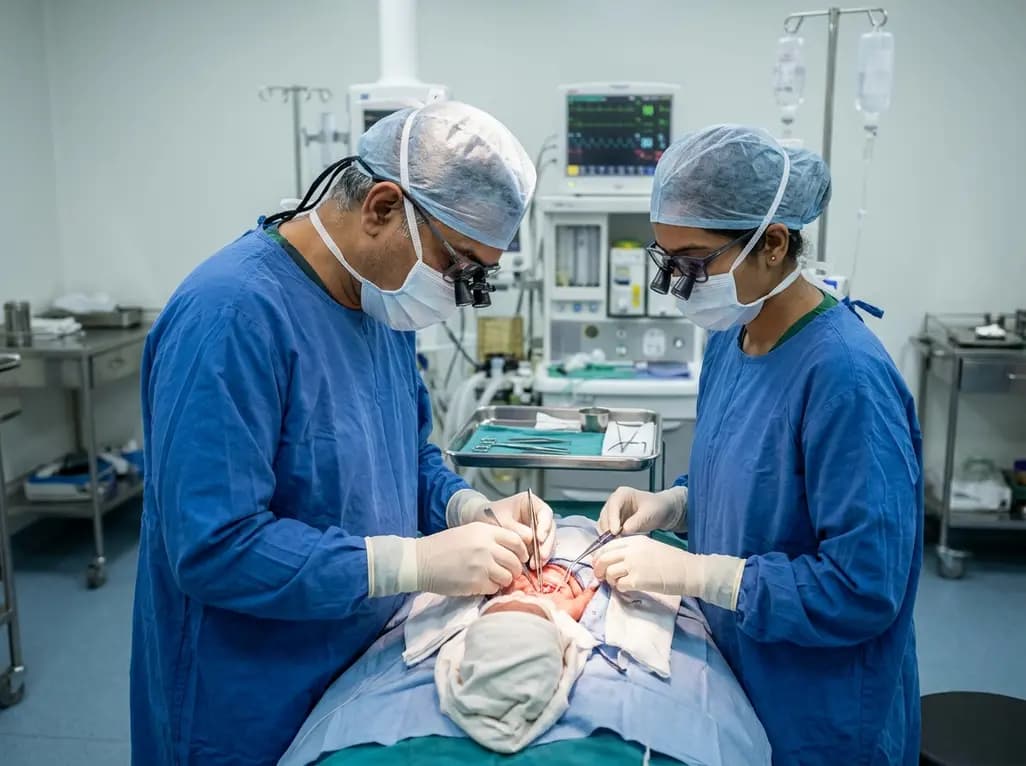
This report reviews the successful off-pump surgical retrieval of a migrated patent ductus arteriosus closure device in an 8-week-old preterm infant, preventing cardiopulmonary bypass morbidity while relieving aortic obstruction.
Today
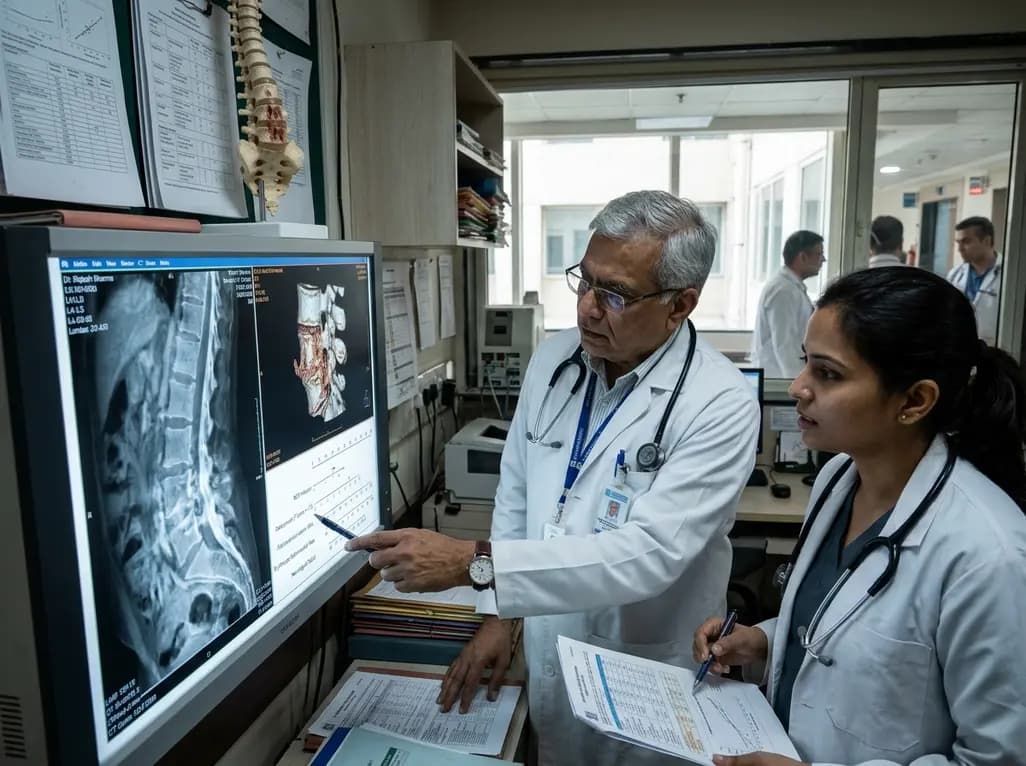
A new visual nomogram predicts postinfectious bone loss in spinal infection patients with high accuracy (AUC 0.946). Integrating markers like osteoporosis and MDR infection, the model aids early risk stratification to prevent spinal instability and deformity.
Today

As lifestyle diseases surge across India, clinicians face rising challenges from dietary misinformation and unmonitored therapies. Prioritising structured nutrition therapy, evidence-based self-care, and robust regulatory oversight offers a sustainable pathway to counter metabolic dysfunction and enhance patient health.
Today
