

Loading, please wait...
Loading, please wait...

Deep brain stimulation surgery has transformed the clinical management of severe, medically refractory movement disorders. Although stereotactic neurosurgery delivers significant symptomatic improvement, inpatient admission duration and postoperative readmissions remain important clinical concerns. Healthcare teams constantly evaluate hospitalization patterns to optimize resource utilization and minimize avoidable complications. A recent tertiary center investigation examined nearly four hundred procedural cases to identify key variables that prolong hospitalization and trigger readmission within six months. By understanding these demographic and operative predictors, multidisciplinary neurosurgical services can personalize perioperative care pathways, improve patient counseling, and reduce unnecessary healthcare expenditures.
The research team retrospectively evaluated 397 deep brain stimulation procedures involving 388 consecutive patients treated over an eight-year period at a single tertiary academic center. Within this surgical cohort, individuals presenting with advanced Parkinson's disease accounted for seventy-three percent of all interventions. In addition, patients with essential tremor formed the second largest group, representing thirteen percent of the overall population. The investigators defined prolonged hospitalization as any inpatient stay exceeding two postoperative nights, establishing a practical metric for tertiary centers. Overall, patients with Parkinson's disease demonstrated an average length of stay of 2.39 nights. In comparison, individuals undergoing stereotactic surgery for essential tremor recorded a mean stay of 2.48 nights. Consequently, these metrics indicate that uncomplicated stereotactic procedures follow a consistent and predictable recovery trajectory in specialized neurosurgical units. However, patients who experience unexpected delays place substantial pressure on institutional bed capacity, nursing resources, and surgical scheduling. Therefore, establishing reliable institutional benchmarks allows functional neurosurgeons to identify atypical recovery patterns promptly. Moreover, these findings provide multidisciplinary clinical teams with robust baseline data to evaluate the impact of novel surgical workflows and enhance standardized perioperative care bundles across functional neurosurgery units.
When analyzing the Parkinson's disease cohort, investigators identified two primary clinical factors that independently increased acute hospitalization duration. Specifically, older chronological age and active therapy with blood thinners significantly correlated with extended stays exceeding two nights. Elderly individuals frequently exhibit slower clearance of general anesthesia, higher vulnerability to transient postoperative encephalopathy, and reduced physiological reserve during mobilization. In addition, managing anticoagulant and antiplatelet medications complicates perioperative care, requiring careful timing to balance catastrophic intracranial hemorrhage risks against systemic thromboembolism. Interestingly, several conventional baseline characteristics showed no statistically significant association with longer hospital admissions. For instance, patient sex, symptom duration, operative time, and baseline motor scores on the Unified Parkinson's Disease Rating Scale did not predict delayed discharge. Consequently, clinicians should not assume that severe baseline motor impairment inherently prolongs acute recovery following uncomplicated lead placement. Instead, surgical teams must focus on physiological reserve and pharmacological complexity when assessing inpatient duration. Therefore, identifying vulnerable geriatric patients and individuals taking blood thinners during preoperative evaluation enables proactive discharge planning, early physical therapy engagement, and tailored inpatient monitoring protocols.
Standard neurosurgical quality metrics typically track thirty-day hospital readmissions, which often overlook delayed device-related complications in neuromodulation. In contrast, this tertiary evaluation assessed outcomes across an extended six-month timeframe, providing a realistic longitudinal profile. The overall procedural readmission rate reached 10.3 percent across the 397 surgical interventions reviewed in the study. Surgical site infections accounted for nearly half of these readmissions, while planned secondary procedures represented approximately one-third of instances. Excluding planned admissions, readmitted patients experienced an average hospital stay of 13.4 nights, demonstrating considerable secondary morbidity and healthcare burden. Furthermore, over half of all unplanned readmissions occurred more than thirty days after initial discharge from the hospital. Within the Parkinson's disease subgroup, the readmission rate was 6.9 percent. Notably, researchers identified the use of skull-mounted implants as a significant risk factor for readmission in this population. Skull-mounted hardware can create focal mechanical stress on the overlying scalp, increasing the likelihood of skin erosion, wound dehiscence, and secondary infections. Consequently, neurosurgeons should critically weigh the anatomical profile of skull-mounted devices against traditional burr hole covers, especially in frail patients with thin scalp tissues.
Because postoperative infections caused the majority of unplanned readmissions, functional neurosurgery teams must prioritize robust infection mitigation protocols across all phases of care. Bacterial colonization around cranial leads, extension wires, or implantable pulse generators often develops gradually and indolently. Consequently, superficial wound inflammation can smolder undetected before manifesting as frank purulence, hardware exposure, or systemic illness months after surgery. Once deep hardware colonization occurs, bacterial biofilms typically resist systemic antibiotics, often forcing surgical debridement and complete hardware explantation. Therefore, neurosurgeons must maintain rigorous intraoperative antisepsis throughout every stage of device implantation. In addition, teams should optimize scalp vascularity, avoid excessive wound tension, and achieve meticulous multilayered closure over all cranial hardware. Surgical teams may also consider intrawound vancomycin powder, antimicrobial irrigation, and careful drain management to minimize hematoma formation and subsequent bacterial seeding. Furthermore, educating patients and their caregivers to recognize early signs of wound erythema, swelling, or local tenderness promotes timely intervention. Ultimately, early outpatient evaluation of questionable surgical wounds can prevent extensive hardware removal and protracted secondary hospitalizations.
These tertiary findings offer practical insights for functional neurosurgeons seeking to improve care pathways and optimize resource allocation in modern hospitals. Because advanced age and anticoagulant therapy prolong initial hospitalization, comprehensive prehabilitation strategies can substantially enhance patient readiness. Specifically, multidisciplinary prehabilitation should address nutritional status, mobility, and cognitive baseline prior to elective stereotactic intracranial surgery. In addition, surgical teams must collaborate closely with cardiologists and hematologists to standardize perioperative anticoagulation management. Establishing rigorous medication pause and resumption protocols minimizes intracranial hemorrhage risks without causing unnecessary postoperative observation delays. Moreover, health systems should adapt postoperative follow-up schedules to extend well beyond the conventional thirty-day window. Because late complications peak weeks or months after discharge, dedicated outpatient surveillance clinics can identify hardware erosion and minor wound issues early. Adopting remote telehealth visits during intermediate recovery also allows clinicians to evaluate healing progress conveniently. Accordingly, structured surveillance minimizes emergency department utilization and costly unplanned readmissions. Ultimately, integrating prehabilitation, medication stewardship, and longitudinal wound monitoring ensures optimal clinical outcomes while maintaining healthcare cost efficiency.
Advanced patient age and active treatment with blood thinners significantly prolong hospital stays following deep brain stimulation surgery. Older individuals often experience slower recovery from anesthesia, while anticoagulants require careful perioperative bridging and monitoring. In contrast, disease duration, baseline motor severity, and operative duration do not significantly affect initial admission length.
Surgical site infections and hardware-related complications frequently develop indolently over several weeks or months. Biofilm formation around intracranial leads or pulse generators often takes time to manifest clinically with skin erosion or purulence. Consequently, standard thirty-day monitoring misses late-onset complications, requiring extended surveillance to detect delayed hardware compromise.
Skull-mounted implants can create focal mechanical pressure on the overlying scalp tissue, increasing the likelihood of skin thinning, wound dehiscence, and secondary infections. In Parkinson's disease patients, skull-mounted hardware was identified as an independent predictor of readmission, prompting surgeons to evaluate local soft-tissue thickness carefully before choosing this device.
Disclaimer: This content is for informational and educational purposes only and does not constitute medical advice. It is not intended to replace professional medical judgement, diagnosis, or treatment. Always seek the advice of a qualified healthcare provider with any questions you may have regarding a medical condition or procedure. Refer to the latest local and national guidelines for clinical practice.
References

Read summarized clinical updates, watch expert medical content, and earn CME certifications right from your smartphone.
Open your smartphone camera to scan and install.





A retrospective tertiary study of 397 deep brain stimulation surgeries evaluated key drivers of extended hospital stays and six-month readmissions. Older age and anticoagulant use prolonged initial admission, while infections and skull-mounted implants significantly increased readmissions.
Today

A complex clinical case reveals how adipsic hypernatremia after traumatic brain injury, combined with hyperosmolar hyperglycemic state, triggers life-threatening dehydration and extensive venous thromboembolism, emphasizing the vital role of meticulous fluid management and vigilance.
Today

Large genomic databases like gnomAD and All of Us offer crucial insights into the population prevalence of partial RHD genotypes. Identifying these variants helps clinicians mitigate anti-D alloimmunization risks in transfusion medicine and obstetric care across diverse ancestral populations.
Yesterday
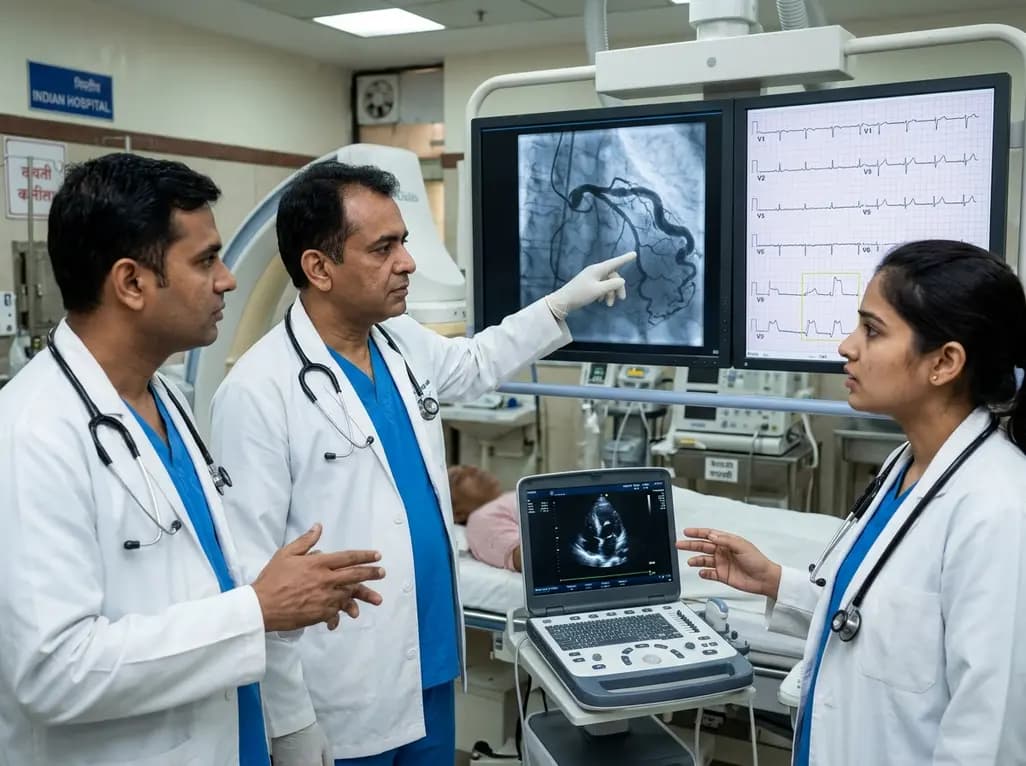
A hyperdominant left circumflex artery supplies extensive myocardial regions, creating a perilous diagnostic blind spot during acute occlusion. Standard ECGs often conceal posterior infarction, requiring clinicians to employ posterior leads and rapid echocardiography for early invasive catheterization.
Today
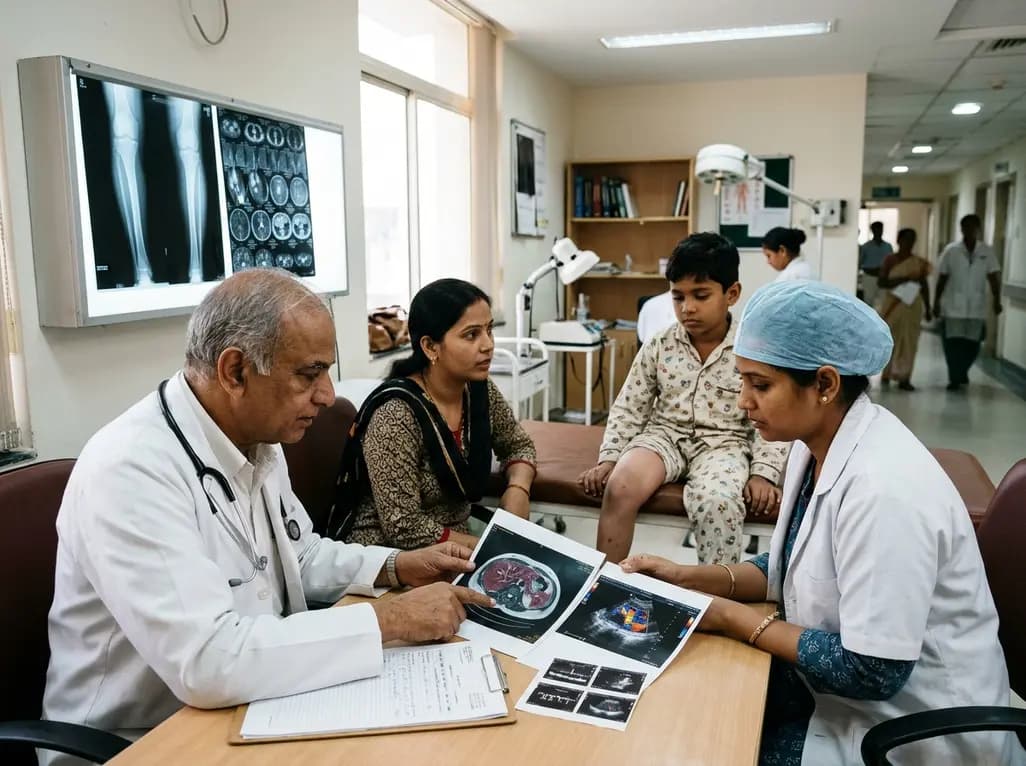
Deep intramuscular vascular malformations in pediatric Klippel-Trenaunay syndrome can mimic Maffucci syndrome. Multimodality imaging with Doppler ultrasound and MRI, along with histopathology, ensures prompt differential diagnosis, targeted surgical debulking, and optimized conservative surveillance.
Today

Discover essential clinical insights into AGLP1-type amyloidosis, a rare localized complication of glucagon-like peptide-1 analog injections. Learn how histopathology and mass spectrometry differentiate benign iatrogenic amyloidomas from systemic disease, preventing misdiagnosis and unwarranted therapies.
Yesterday
