.webp&w=384&q=75)

Loading, please wait...
Loading, please wait...
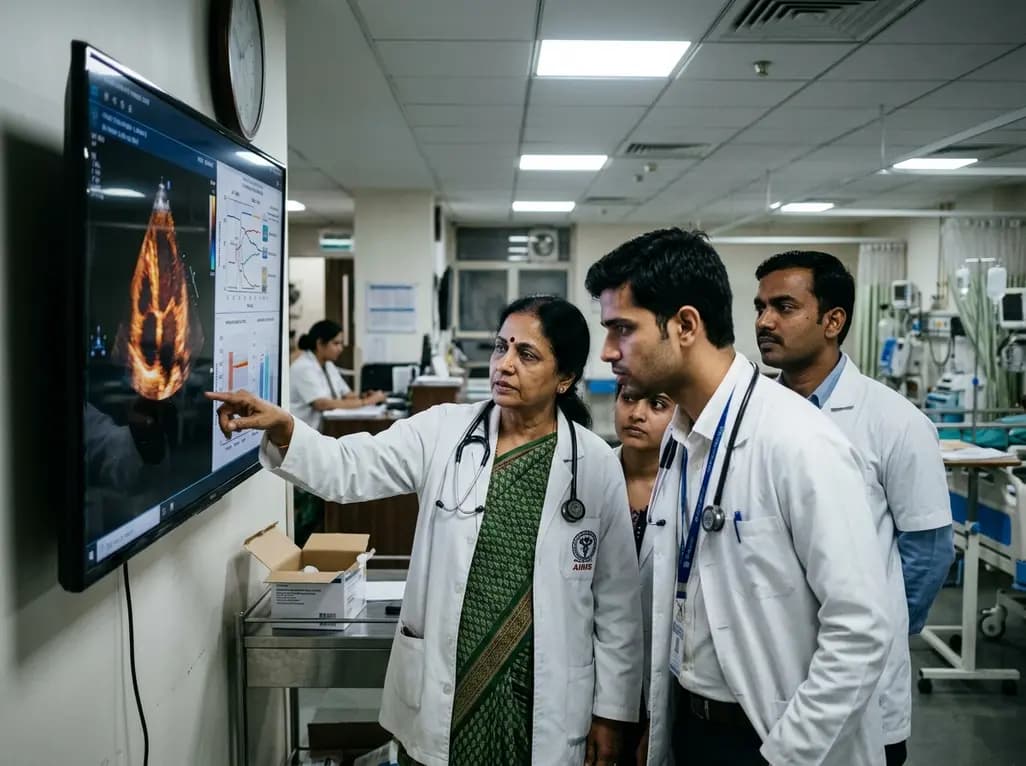
Heart failure resulting from inflammatory cardiomyopathy represents a significant clinical challenge worldwide. Clinicians frequently encounter patients who progress rapidly from acute myocardial inflammation to advanced ventricular dysfunction despite standard guideline-directed medical therapy. Although immune cell infiltration and persistent cytokine release are hallmark features of the disease, the exact molecular cascades driving progressive myocardial injury have remained poorly understood. Consequently, clinicians have lacked specific disease-modifying therapies beyond standard neurohormonal blockade and non-targeted immunosuppression. A landmark translational study by Suwalski and colleagues provides critical insights into the pathophysiology of severe inflammatory cardiomyopathy, shedding light on the molecular interplay between circulating cytokines, oxidative stress, and excitation-contraction coupling failure.
To identify key mediators of disease severity, researchers analyzed systemic inflammatory profiles in patients with biopsy-proven inflammatory cardiomyopathy presenting with severe systolic impairment, defined by a left ventricular ejection fraction of 35% or lower. The investigators evaluated an initial discovery cohort of 63 patients and subsequently validated their findings in a comprehensive multicenter cohort comprising 425 individuals. Through comprehensive proteomic screening, the team discovered that specific cytokines showed strong inverse correlations with systolic performance. Among dozens of dysregulated immune proteins, three specific biomarkers consistently emerged as primary drivers of disease severity: Collectin-12 (COLEC-12), Cysteine-Rich Motor Neuron 1 protein (CRIM-1), and Interleukin-6 (IL-6). These biomarkers were robustly elevated in patients exhibiting severe hemodynamic compromise compared to individuals with mild disease or preserved ventricular function. Importantly, the elevation of these proteins was not merely an incidental epiphenomenon; rather, their sustained systemic presence directly correlated with the extent of ongoing myocardial damage and adverse clinical trajectory. Therefore, these clinical observations provided a strong rationale for investigating their direct pathogenic actions on human myocardial tissue.
To determine whether these elevated cytokines directly injure cardiac tissue, the investigators conducted rigorous in vitro mechanistic experiments using human induced pluripotent stem cell-derived cardiomyocytes (iPSC-CMs) and human aortic endothelial cells. When the cultured cardiomyocytes were exposed to physiological concentrations of COLEC-12, CRIM-1, and IL-6, the cells exhibited profound intracellular stress. Specifically, researchers observed a dramatic surge in reactive oxygen species (ROS) production, measured quantitatively via the H2DCFDA fluorescence assay. In parallel, intracellular calcium homeostasis was severely disrupted. Fluo-4AM fluorescence assays demonstrated marked intracellular calcium accumulation and impaired calcium clearance during the relaxation phase. This persistent cytosolic calcium overload impairs sarcomeric relaxation, drives mitochondrial permeability transition pore opening, and triggers cellular apoptosis. Interestingly, while human aortic endothelial cells also showed some activation, the cytotoxic response and oxidative burst were predominantly localized to cardiomyocytes. Thus, the direct exposure of myocardial cells to these circulating cytokines drives a vicious cycle of oxidative injury and contractile failure.
The discovery of the cytotoxic roles of COLEC-12, CRIM-1, and IL-6 provides a compelling framework for developing precision immunomodulatory therapies. Currently, non-specific immunosuppressive regimens often yield unpredictable efficacy and carry notable infection risks in myocarditis patients. However, targeted blockade of specific cytokine cascades could prevent irreversible cardiomyocyte loss without causing broad immunosuppression. To evaluate this translational potential, the study authors interrogated extensive real-world electronic health record datasets. Their retrospective analyses suggested that patients receiving targeted pharmacological inhibitors against these pathways demonstrated improved myocardial recovery and reduced adverse cardiovascular events. Although these real-world observations remain exploratory, they offer encouraging preliminary evidence supporting dedicated clinical trials. Clinicians managing heart failure secondary to chronic myocardial inflammation must recognize that systemic inflammation actively alters cellular biophysics. By identifying patients with specific cytokine signatures, future cardiology practice can transition toward biomarker-guided, etiology-specific biologic therapies that halt disease progression at the cellular level.
Accurate diagnosis of inflammatory cardiomyopathy remains essential for timely intervention and risk stratification. Advanced non-invasive modalities, particularly cardiac magnetic resonance (CMR) imaging with T1/T2 mapping and late gadolinium enhancement, provide excellent sensitivity for detecting myocardial edema and fibrosis. However, endomyocardial biopsy remains the gold standard for definitively establishing the histopathological and molecular subtype of inflammation. Differentiating between autoimmune, viral, and idiopathic inflammatory etiologies is critical because therapeutic strategies diverge substantially based on the presence of persistent viral genomes or specific autoantibodies. Furthermore, combining tissue immunohistochemistry with systemic cytokine profiling may soon enable clinicians to pinpoint which patients are at heightened risk of rapid hemodynamic collapse. As precision medicine advances, integrating serum biomarker panels with histopathological data will refine patient selection for emerging anticytokine therapies and aggressive hemodynamic support.
In routine clinical practice, managing severe inflammatory cardiomyopathy requires a multidisciplinary approach combining neurohormonal blockade, rhythm surveillance, and judicious immune modulation. Standard medical therapy—including beta-blockers, SGLT2 inhibitors, mineralocorticoid receptor antagonists, and ARNI therapy—forms the baseline foundation of care to reduce wall stress and promote reverse remodeling. However, when patients present with refractory cardiogenic shock or rapidly declining ejection fractions, conventional heart failure therapies are frequently insufficient to stop inflammatory destruction. The translational insights gained from investigating COLEC-12, CRIM-1, and IL-6 underscore the urgent need for prospective randomized controlled trials testing targeted monoclonal antibodies or cytokine inhibitors in biopsy-characterized populations. By targeting the upstream drivers of reactive oxygen species generation and calcium dysregulation, clinicians may finally obtain the tools necessary to prevent irreversible structural damage and improve long-term survival in this vulnerable patient population.
What distinguishes inflammatory cardiomyopathy from standard non-ischemic dilated cardiomyopathy?
Inflammatory cardiomyopathy is specifically characterized by persistent myocarditis associated with cardiac dysfunction and remodeling. Unlike idiopathic dilated cardiomyopathy, endomyocardial biopsies in inflammatory cardiomyopathy demonstrate active immune cell infiltration, cytokine up-regulation, and ongoing cardiomyocyte lysis, which actively drive excitation-contraction coupling failure and adverse ventricular remodeling.
How do elevated cytokines cause excitation-contraction coupling failure in cardiomyocytes?
Elevated inflammatory cytokines, such as IL-6, COLEC-12, and CRIM-1, trigger excessive intracellular reactive oxygen species production and disrupt sarcoplasmic reticulum calcium handling. This leads to cytosolic calcium overload, impaired relaxation kinetics, mitochondrial membrane depolarization, and accelerated cardiomyocyte apoptosis, ultimately manifesting clinically as severe systolic and diastolic dysfunction.
What is the clinical utility of targeted anticytokine therapy in acute myocarditis?
Targeted anticytokine therapy aims to selectively neutralize specific pathogenic inflammatory mediators without inducing broad systemic immunosuppression. By attenuating cytokine-mediated oxidative stress and calcium dysregulation early in the disease course, targeted inhibitors may prevent irreversible myocardial fibrosis, preserve contractile function, and improve long-term clinical outcomes in high-risk patients.
Disclaimer: This content is for informational and educational purposes only. It is not intended to substitute professional medical advice, diagnosis, or treatment. Always consult a qualified healthcare provider with any questions regarding medical conditions or clinical management. Refer to the latest local and national guidelines for clinical practice.
References

Read summarized clinical updates, watch expert medical content, and earn CME certifications right from your smartphone.
Open your smartphone camera to scan and install.





Explore new translational findings highlighting how cytokines like COLEC-12, CRIM-1, and IL-6 induce oxidative stress and calcium dysregulation in severe inflammatory cardiomyopathy, presenting novel potential targets for clinical heart failure management.
4 weeks back

A systematic review of 41 preclinical studies reveals that baicalin dampens systemic inflammation, inhibits NF-κB and NLRP3 pathways, and improves organ preservation in sepsis models. However, substantial study heterogeneity and a complete lack of human clinical trials highlight the need for further translational research.
Today

Discover the crucial distinctions between mesonephric and mesonephric-like proliferations of the female genital tract. Learn the key histomorphologic, immunohistochemical, and molecular differences essential for accurate diagnosis and clinical management.
Today
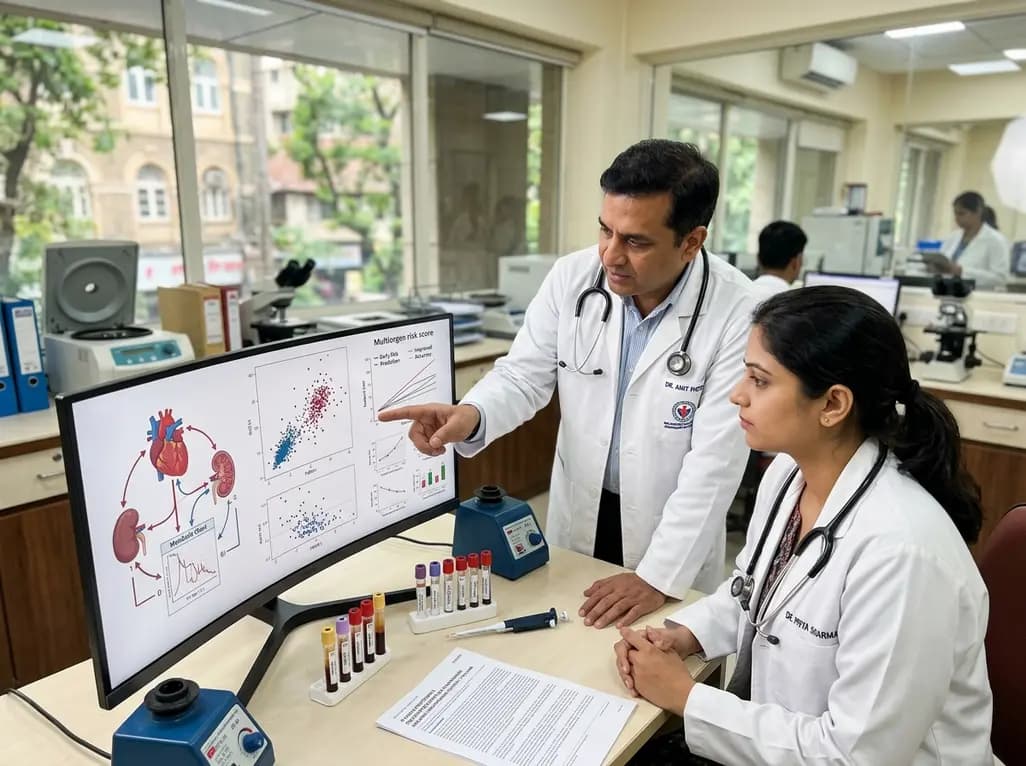
A large UK Biobank study reveals that plasma proteomic signatures capture preclinical organ damage and improve multiorgan risk prediction across early CKM syndrome stages 0 to 2 beyond traditional PREVENT clinical models.
Today
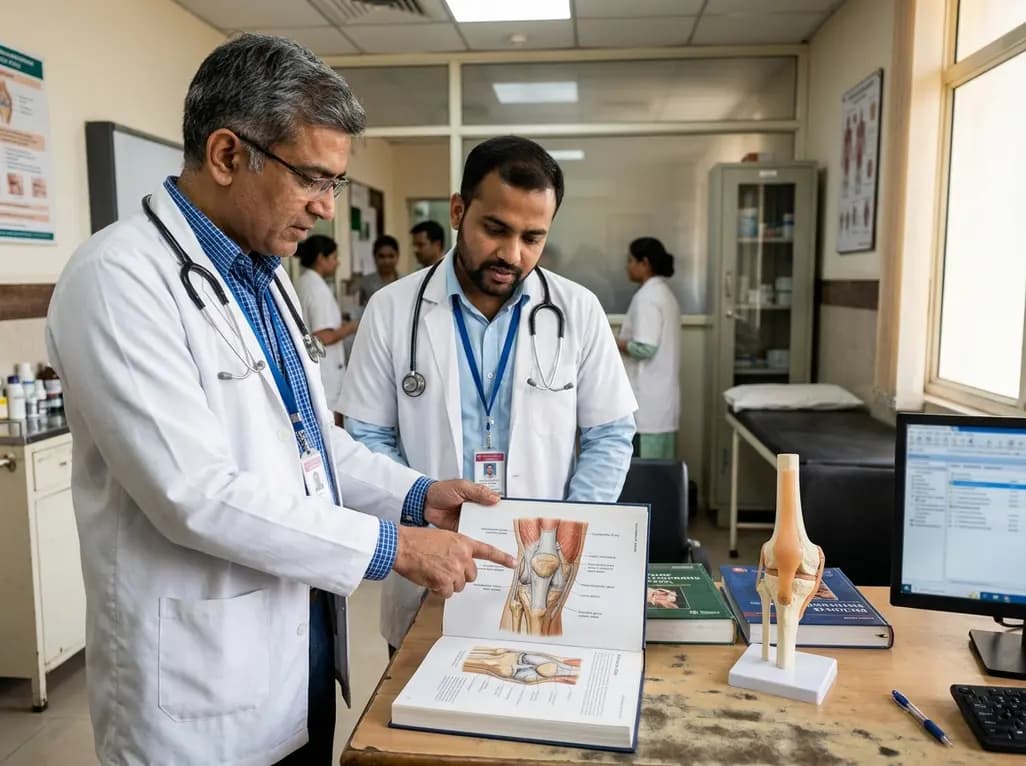
A narrative review investigates whether the articularis genus muscle functions as an independent anatomical entity or blends with the vastus intermedius. We evaluate its morphology, role in retracting the suprapatellar bursa, and direct clinical significance in anterior knee pain and arthroplasty.
Today

A Bayesian multilevel meta-analysis reveals that aerobic training combined with moderate carbohydrate restriction modestly lowers HbA1c in type 2 diabetes. However, sparse data and very low certainty leave incremental benefits over exercise or diet alone unproven, highlighting the need for individualized care.
Today
