

Loading, please wait...
Loading, please wait...

The management of recurrent and metastatic nasopharyngeal carcinoma presents a complex clinical challenge that demands clear, evidence-based direction. Specifically, to address therapeutic heterogeneity, the Chinese Society of Clinical Oncology and the American Society of Clinical Oncology recently issued a comprehensive joint clinical guideline. This collaborative landmark framework establishes standardized therapeutic pathways across both primary presentation and refractory disease scenarios. Consequently, healthcare providers gain clear guidance regarding frontline systemic therapy combinations, locoregional interventions, and long-term maintenance paradigms. Understanding these updated evidence-based algorithms enables oncologists to tailor treatment precisely, optimize patient survival, and preserve health-related quality of life.
For medically fit patients presenting with advanced disease, the expert guideline strongly endorses platinum-based chemotherapy combined with a programmed cell death protein 1 inhibitor as the preferred first-line standard of care. Landmark clinical trials demonstrate that adding anti-PD-1 agents to gemcitabine and cisplatin significantly improves progression-free survival and overall survival compared to chemotherapy alone. Therefore, clinicians should routinely evaluate immunotherapy eligibility during initial therapeutic decision-making. In addition, when clinical contraindications prevent immunotherapy use, or when patients decline immune checkpoint inhibitors, clinicians should administer platinum-based doublet chemotherapy alone. Furthermore, the selection of systemic agents requires careful evaluation of patient organ function, baseline performance status, prior therapeutic exposures, and financial feasibility. Oncologists must also proactively monitor treatment-related immune toxicities alongside common hematologic complications of cytotoxic regimens. Thus, early toxicity mitigation strategies ensure optimal dose intensity while preventing premature treatment discontinuation. Ultimately, this robust chemo-immunotherapy backbone establishes superior disease control rates, setting a strong foundation for sequential management strategies.
Following successful disease stabilization or objective tumor regression with frontline chemo-immunotherapy, clinicians face critical decisions regarding post-induction therapy. The joint expert panel recommends continuing maintenance PD-1 inhibition for up to two years in responsive patients who exhibit acceptable toxicity profiles. Consequently, sustained immune checkpoint inhibition helps delay disease progression and preserves durable antineoplastic immune surveillance. In addition, for selected patients who achieve disease control with cytotoxic chemotherapy alone, oral maintenance chemotherapy represents a viable clinical option. For example, oral fluoropyrimidines such as capecitabine provide accessible, tolerable disease suppression in appropriate clinical settings. However, physicians must continually balance the therapeutic efficacy of maintenance regimens against cumulative physical, psychological, and financial toxicity. Regular clinical assessments, routine laboratory safety monitoring, and scheduled radiographic evaluations remain essential throughout the maintenance phase. Moreover, multidisciplinary teams should adapt maintenance intensity based on patient recovery, persistent neuropathies, and underlying comorbidities. Therefore, well-structured maintenance therapy bridges aggressive initial cytoreduction with durable long-term disease stabilization.
Systemic therapy remains the cornerstone of advanced disease management, yet local interventions play an increasingly valuable role in oligometastatic settings. Specifically, the guideline highlights locoregional consolidation radiotherapy for carefully selected responders who demonstrate excellent control of distant metastatic lesions following first-line systemic therapy. Furthermore, delivery of definitive-dose intensity-modulated radiotherapy to the primary nasopharyngeal site and regional lymphatics substantially reduces local tumor burden. Consequently, this combined modality approach improves locoregional control rates and prolongs progression-free survival in responsive cohorts. However, clinical teams must carefully assess overall metastatic burden, anatomic distribution of lesions, and functional organ reserves before initiating comprehensive radiation planning. In addition, advanced imaging modalities, such as baseline and restaging PET-CT scans, assist clinicians in identifying true oligometastatic candidates who derive meaningful survival advantages. Radiation oncologists must also utilize strict normal tissue sparing constraints to avoid severe late toxicities, including xerostomia, dysphagia, and temporal lobe necrosis. Therefore, integrating targeted locoregional consolidation into systemic treatment plans offers selected patients enhanced clinical outcomes.
Isolated locoregional recurrence represents a unique clinical subset where curative-intent salvage strategies remain feasible. For patients who develop recurrence without distant metastasis, the expert panel recommends either salvage surgery or re-irradiation using modern radiotherapy techniques. Specifically, endoscopic nasopharyngectomy provides an excellent minimally invasive option for resectable recurrent primary lesions, yielding high local control with lower morbidity than open approaches. However, surgical salvage requires high technical expertise and strict patient selection based on tumor proximity to the internal carotid artery and skull base. In contrast, when recurrence involves unresectable disease or extensive nodal metastasis, re-irradiation using intensity-modulated radiotherapy or particle therapy becomes the preferred salvage modality. Nevertheless, re-irradiation carries significant risks of severe late toxicities, including carotid blowout, mucosal necrosis, and severe cranial nerve palsies. Therefore, multidisciplinary tumor boards must comprehensively evaluate recurrent tumor volume, prior radiation dosimetry, disease-free interval, and baseline neurovascular integrity before deciding between surgery and re-irradiation. Consequently, personalized local salvage decisions maximize curative potential while minimizing catastrophic treatment-related complications.
Disease progression following first-line therapy requires individualized treatment planning tailored to prior drug exposure, performance status, and specific organ reserves. For patients experiencing progression on frontline platinum regimens, subsequent-line options include single-agent chemotherapy, novel anti-PD-1 inhibitors, and emerging antibody-drug conjugates. Furthermore, clinicians should actively explore clinical trial enrollment to offer access to innovative molecular targets, bispecific antibodies, and cellular therapies. Additionally, treatment sequencing must incorporate local regulatory approvals, drug availability, and patient goals of care to ensure ethical and feasible treatment delivery. Alongside systemic antineoplastic interventions, early integration of interdisciplinary palliative and supportive care remains imperative across all stages of advanced disease. Specifically, dedicated palliative specialists assist with complex pain management, nutritional support, psychological counseling, and symptom control related to head and neck morbidity. Moreover, proactive supportive care significantly improves emotional well-being, preserves functional independence, and prevents crisis-driven emergency department visits. Therefore, combining thoughtful subsequent-line therapies with proactive symptom support ensures holistic, compassionate, and patient-centered oncologic management throughout the entire disease continuum.
The CSCO and ASCO joint guideline recommends platinum-based chemotherapy combined with a programmed cell death protein 1 inhibitor as the preferred first-line therapy for medically fit patients. Furthermore, clinical trials indicate that adding an anti-PD-1 agent to cisplatin and gemcitabine significantly enhances progression-free and overall survival. However, if immunotherapy is clinically contraindicated or unavailable, clinicians should administer platinum-based doublet chemotherapy alone as the standard alternative frontline regimen.
Clinicians should evaluate patients with isolated locoregional recurrence for curative-intent salvage local therapy through a multidisciplinary tumor board. Specifically, endoscopic salvage nasopharyngectomy represents the preferred surgical option for resectable disease because it offers lower morbidity. Alternatively, for unresectable recurrences, re-irradiation using intensity-modulated radiotherapy or particle therapy is recommended. However, practitioners must carefully weigh high risks of re-irradiation complications, such as carotid blowout and tissue necrosis.
Maintenance therapy helps sustain antineoplastic immune surveillance and prolongs progression-free survival after successful first-line induction. Consequently, the guideline recommends continuing maintenance PD-1 inhibition for up to two years in responsive patients who tolerate treatment safely. In addition, selected patients who achieve disease stabilization through first-line chemotherapy alone may receive oral capecitabine maintenance. Physicians must continually assess patient tolerance and functional status to avoid cumulative toxicity during long-term maintenance.
Disclaimer: This content is for informational and educational purposes only. It is not intended to provide medical advice or to be used as a substitute for professional medical advice, diagnosis, or treatment. Refer to the latest local and national guidelines for clinical practice.
References

Read summarized clinical updates, watch expert medical content, and earn CME certifications right from your smartphone.
Open your smartphone camera to scan and install.





The joint CSCO-ASCO guideline establishes evidence-based management for recurrent and metastatic nasopharyngeal carcinoma. Key recommendations include first-line platinum chemotherapy plus a PD-1 inhibitor, maintenance therapy up to two years, locoregional consolidation, and surgical or re-irradiation salvage.
Today
A large retrospective cohort study demonstrates that explainable machine learning models, notably XGBoost, accurately predict hospital admission at emergency triage. By analyzing routine triage parameters, hospitals can streamline bed allocation, decrease boarding times, and alleviate acute care overcrowding.
Today

A new quality-improvement initiative reveals that universal maternal mental health screening in the NICU increased screening rates from 29.5% to 95.0%, with nearly 60% of screened mothers requiring psychosocial referrals, highlighting the urgent need for embedded mental health resources.
Today
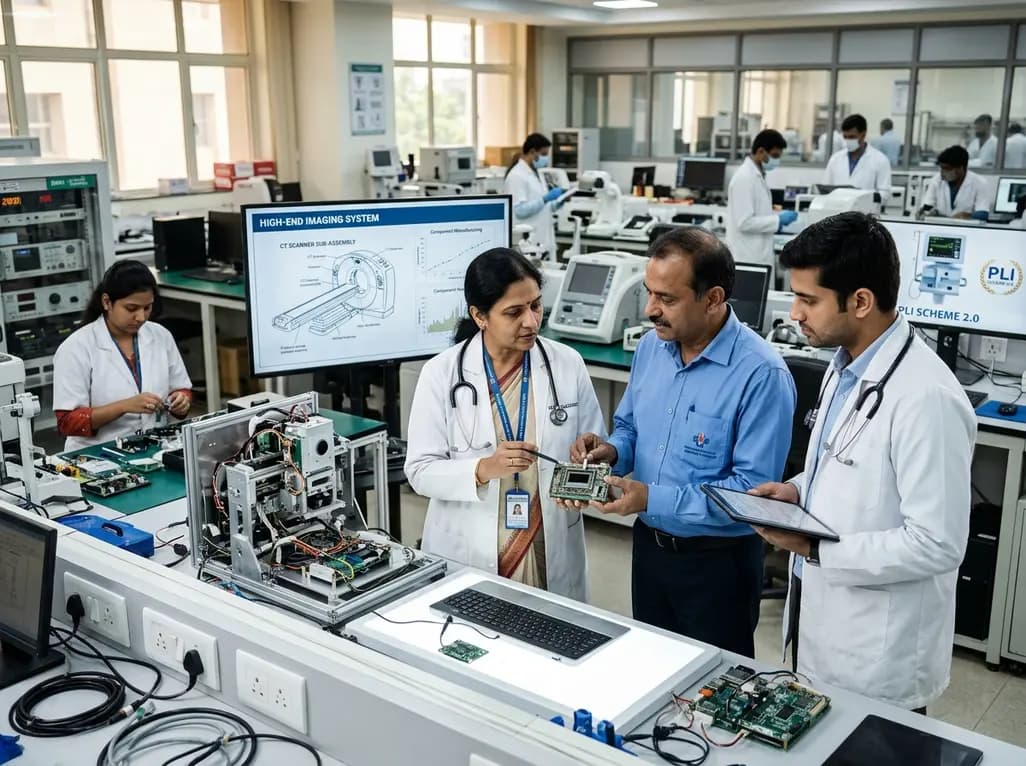
The Department of Pharmaceuticals has extended the medical devices PLI scheme to 2035-36 with a Rs 2,700 crore outlay. Featuring relaxed investment barriers and eliminated sales thresholds, the revised framework targets deep manufacturing, high-end diagnostics, critical MedTech components, and supply resilience.
Today
A metabolomic study reveals that aging delays glutathione synthesis and gamma-glutamylcysteine accumulation following muscle injury. Although precursor supplementation targets this enzymatic bottleneck, in vitro tests show no immediate effect on myogenesis, highlighting the complexity of muscle repair in older adults.
Today
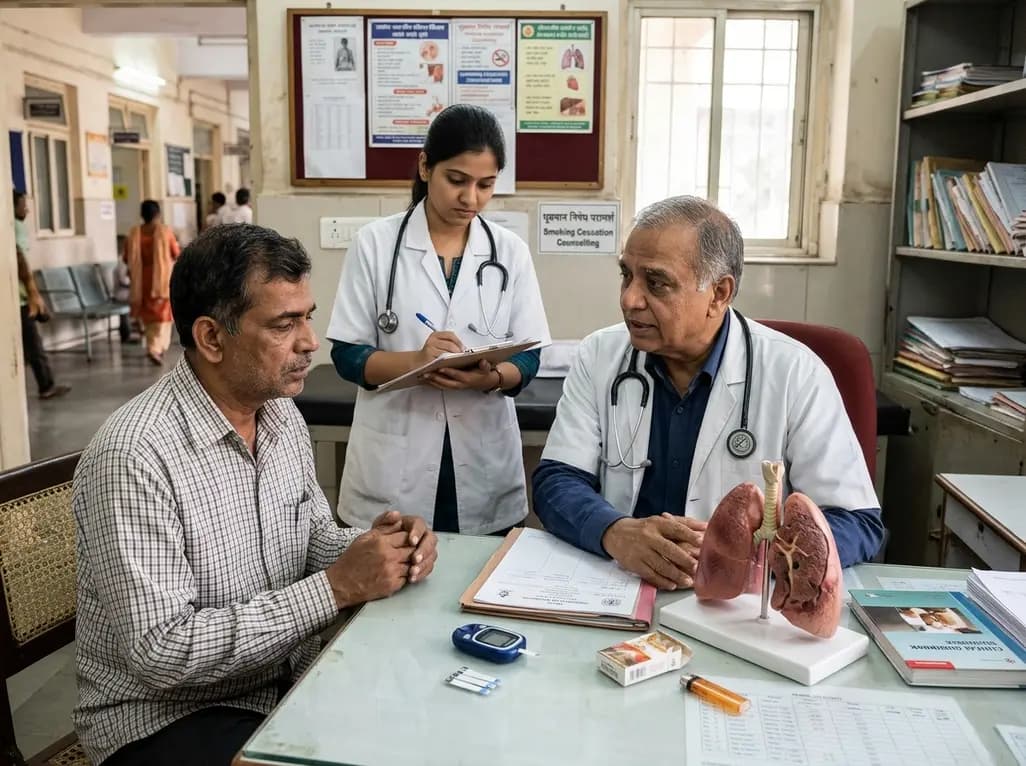
A systematic review evaluates psychological interventions for smoking cessation in diabetes, showing short-term success but highlighting challenges in long-term abstinence.
Today
