.webp&w=384&q=75)

Loading, please wait...
Loading, please wait...

Structural biology is witnessing a paradigm shift through the integration of cryo-electron tomography drug discovery workflows. Unlike traditional techniques that rely on isolated or purified proteins, cryo-electron tomography (cryo-ET) allows scientists to observe macromolecules in their native physiological context. This capability preserves vital molecular interactions that purification often destroys. Consequently, researchers can now study how drugs behave within the complex architecture of a living cell.
By providing high-resolution views of healthy and diseased cells, cryo-ET offers an unparalleled window into infection mechanisms. For example, researchers use this tool to map how viruses interact with host cell membranes. Furthermore, the ability to visualize these events in situ provides insights that were previously unattainable. This native context is critical for designing therapies that effectively target specific disease pathways without disrupting normal cellular functions.
Technological progress has significantly enhanced the utility of cryo-ET in pharmacological research. Specifically, the combination of cryo-ET with subtomogram averaging now resolves macromolecular structures beyond 3 Å resolution. This level of detail is essential for computational drug discovery, as it permits the precise mapping of ligand-binding pockets. Moreover, these advancements enable a more predictable roadmap for structure-based drug design in complex biological systems.
In addition to resolution gains, the adoption of cryo-ET across the pharmaceutical industry is growing. However, widespread implementation requires standardized workflows and improved computational processing. Ultimately, bridging these gaps will cement cryo-ET as a cornerstone of modern drug development.
Traditional methods usually analyze purified molecules outside their natural environment. In contrast, cryo-ET visualizes molecules directly within intact cells, preserving their native interactions and physiological state.
Yes. By using subtomogram averaging, researchers can achieve resolutions high enough to identify drug-binding sites. This makes it a powerful tool for modern computational drug discovery.
Disclaimer: This content is for informational and educational purposes only. It does not constitute medical advice or professional services. Readers should not use this information to diagnose or treat health problems. Refer to the latest local and national guidelines for clinical practice.
References
Clemente CM et al. Applications and prospects of cryo-electron tomography in drug discovery and understanding disease. Curr Opin Struct Biol. 2026 May 14. doi: undefined. PMID: 42134002.
Thermo Fisher Scientific. (2026). Thermo Fisher Scientific opens cryo-EM center in South San Francisco to speed drug discovery. SelectScience.
Scapin G, Potter CS, Carragher B. (2023). Cryo-EM as a powerful tool for drug discovery. PMC, NIH.

Read summarized clinical updates, watch expert medical content, and earn CME certifications right from your smartphone.
Open your smartphone camera to scan and install.





Cryo-ET is revolutionizing drug discovery by allowing high-resolution visualization of macromolecules within intact cells, preserving native interactions....
5 months ago

Following regulatory scrutiny from FSSAI regarding promotional representations and lean muscle preservation claims, Dr. Reddy's Laboratories and Nestlé Health Science are currently reviewing the branding and marketing strategy for their joint nutritional supplement Celevida GLP+.
Today
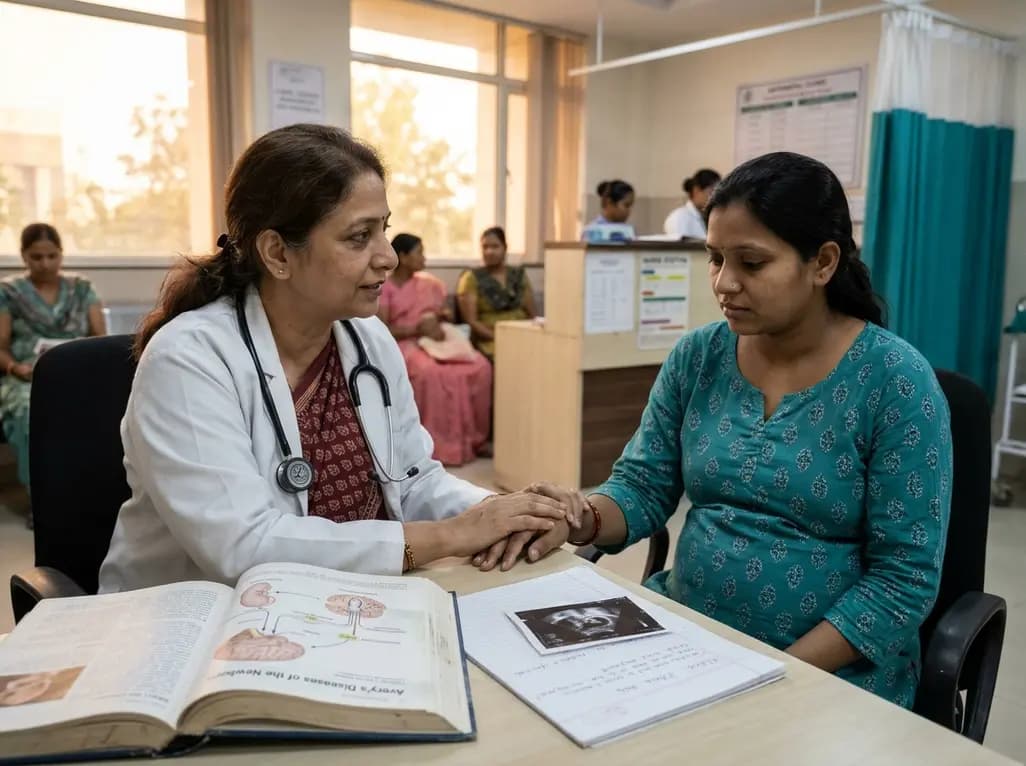
A comprehensive scoping review synthesises evidence linking prenatal maternal mental health to long-term offspring neurodevelopment, evaluating neuroendocrine, inflammatory, and epigenetic pathways while highlighting clinical screening and future research priorities.
Today

The Directorate General of Health Services directs Indian states to halt the hazardous reuse and reprocessing of single-use medical devices. Discover regulatory implications under the Drugs and Cosmetics Act, critical infection risks, legal liabilities, and operational changes required across clinical specialties.
Today
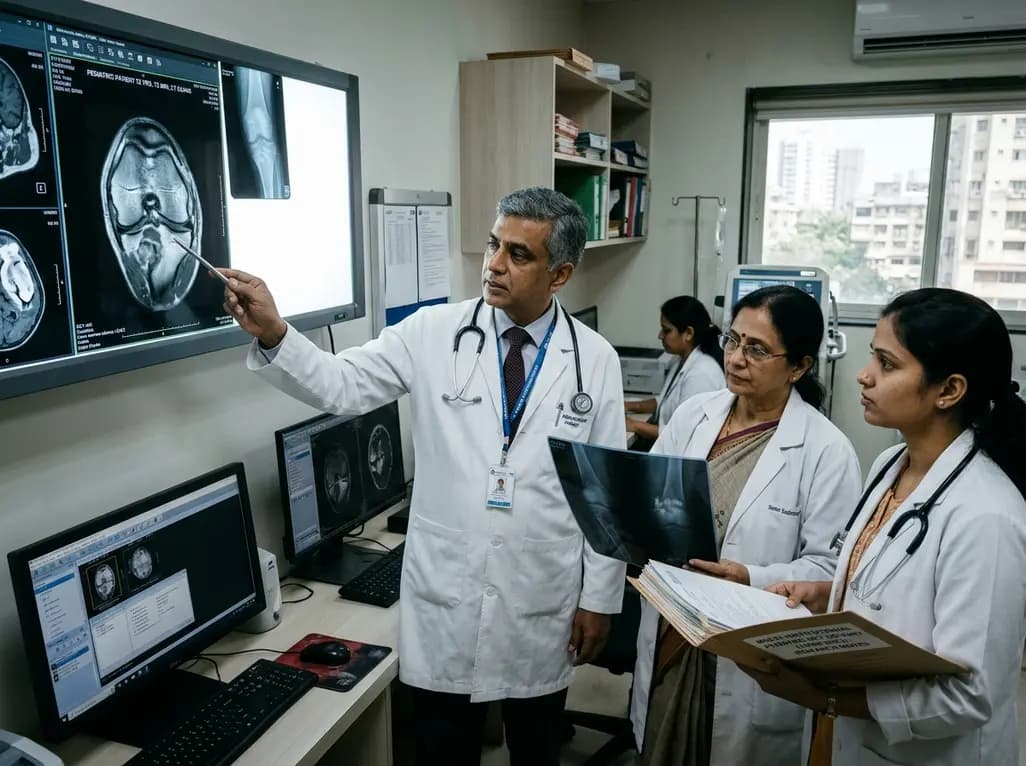
A 25-year multi-institutional cohort reveals high recurrence rates in pediatric giant cell tumor of bone, particularly in patients with open physes and bone marrow edema on preoperative MRI. Early surveillance and careful balance between growth plate preservation and tumor clearance are essential.
Today

India is advancing preventive healthcare by integrating genomics, artificial intelligence, and quantum technologies. With the SANGAM programme sequencing one million Indian genomes, clinicians can unlock personalized therapies, detect cardiometabolic risks early, and curb the burden of diabetes and heart disease.
Today
