.webp&w=384&q=75)

Loading, please wait...
Loading, please wait...
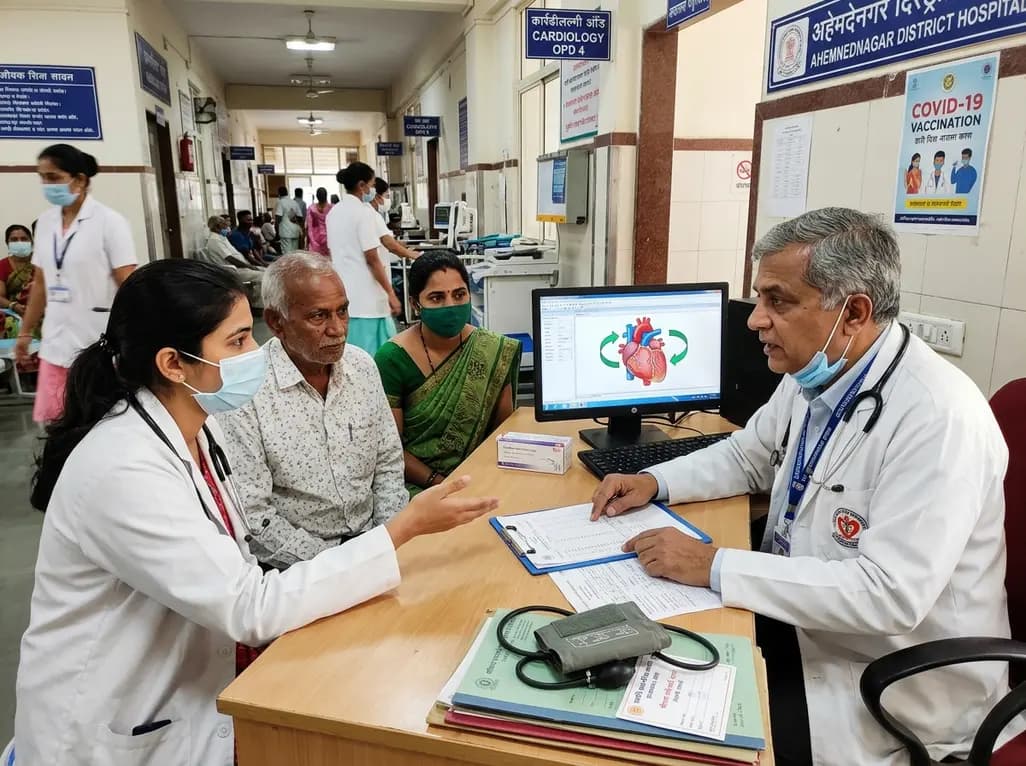
Emerging clinical evidence highlights that acute viral infections can trigger persistent vascular damage and endothelial dysfunction. Consequently, mitigating post-COVID cardiovascular risk remains an urgent public health and clinical priority. A statewide cohort and target trial emulation study involving nearly 2.4 million adults has evaluated how vaccination before or after SARS-CoV-2 infection modulates major adverse cardiovascular events (MACE) and thromboembolic outcomes over extended follow-up periods.
SARS-CoV-2 infection induces systemic inflammation, persistent hypercoagulability, microvascular injury, and autonomic dysregulation. Therefore, clinical survivors frequently face prolonged cardiovascular vulnerability lasting months after acute symptom resolution. Consequently, clinicians observe substantial elevations in acute myocardial infarction, acute coronary syndromes, stroke, heart failure, atrial fibrillation, and venous thromboembolism.
Earlier investigations confirmed that acute viral illnesses provoke lasting vascular sequelae. However, quantifying the precise cardioprotective impact of vaccination across varied timing intervals remained challenging. Furthermore, health systems required robust population-level data to evaluate whether post-infection vaccination confers secondary cardioprotection. Understanding these disease dynamics allows clinicians to optimize long-term surveillance protocols for individuals recovering from COVID-19, particularly patients with baseline cardiometabolic comorbidities.
The landmark investigation utilized linked administrative health records from Victoria, Australia, encompassing 2,391,456 adult residents followed between 2019 and 2025. Researchers employed time-varying Cox proportional hazards regression alongside target trial emulation methodologies to mitigate immortal time bias and residual confounding.
Investigators analyzed primary outcomes defined as major adverse cardiovascular events, alongside distinct secondary outcomes including acute myocardial infarction, stroke, heart failure hospitalization, incident atrial fibrillation, and venous thromboembolism. Additionally, investigators applied formal causal mediation analysis. This analytical approach evaluated whether observed vascular risk reductions stemmed entirely from preventing initial viral contraction or from underlying physiological attenuation of post-viral immunothrombosis. Consequently, the study framework delivers exceptional epidemiological rigor and highly generalizable clinical findings.
Vaccination demonstrated consistent, statistically significant reductions in the hazard of MACE and all examined secondary endpoints. Specifically, pre-infection vaccination achieved an estimated absolute risk reduction of 0.21% for MACE, whereas post-infection vaccination demonstrated an absolute risk reduction of 0.24%.
Moreover, the protective association followed a clear dose-response pattern. Patients receiving three or more vaccine doses experienced progressively lower hazards across arterial and venous endpoints compared to unvaccinated counterparts. Crucially, the protective effect persisted across diverse demographic strata and clinical subgroups. These robust findings indicate that vaccination delivers durable cardioprotective benefits regardless of whether administration occurs prior to initial viral exposure or during post-infection convalescence.
A vital insight from this population-level inquiry involves the formal causal mediation analysis. The results revealed that approximately 68% of the estimated association between vaccination and reduced vascular hazards was not explained by the prevention of SARS-CoV-2 infection alone.
Hence, the cardioprotective efficacy of vaccination operates through biological mechanisms extending far beyond basic sterilizing immunity. Immunization appears to blunt downstream systemic inflammatory cascades, dampen excessive cytokine signaling, preserve endothelial integrity, and curb prolonged prothrombotic pathways following viral encounter. Consequently, vaccinated individuals who experience breakthrough infections demonstrate substantially attenuated vascular damage, leading to lower rates of secondary ischemic injury and heart failure progression.
These findings provide actionable clinical guidance for general practitioners, cardiologists, and internal medicine specialists managing post-acute infection recovery. First, clinicians should actively emphasize vaccination updates for patients with established cardiovascular disease, metabolic syndrome, diabetes, and hypertension.
Second, clinicians must reassure patients that receiving vaccine doses after an initial SARS-CoV-2 infection still provides meaningful secondary risk reduction against ischemic and thromboembolic sequelae. Vaccination should therefore be positioned as an essential disease-modifying tool within comprehensive preventive cardiology frameworks. Furthermore, clinicians should maintain vigilance for latent vascular complications, initiating timely diagnostic workups whenever post-COVID patients present with atypical fatigue, exertional chest discomfort, palpitations, or unexplained dyspnea.
COVID-19 vaccination reduces cardiovascular risks through two main pathways. First, it lowers the initial risk of contracting severe viral illness. Second, vaccination significantly attenuates downstream systemic inflammation, immune-mediated endothelial damage, and prothrombotic cascades during breakthrough infections. Consequently, vaccinated individuals experience substantially lower rates of arterial thrombosis, heart failure, and venous thromboembolism over extended follow-up periods.
Yes, clinical data demonstrate that post-infection vaccination confers meaningful cardiovascular protection. In large cohort analyses, administering vaccine doses after infection achieved an absolute risk reduction of 0.24% for major adverse cardiovascular events. Therefore, vaccination remains highly effective for secondary vascular protection, blunting chronic post-viral inflammatory sequelae and reducing long-term thromboembolic risks in previously infected patients.
Yes, population-based evidence confirms a clear dose-response relationship between vaccine doses and cardiac outcomes. Individuals receiving three or more vaccine doses experienced progressively lower hazards of myocardial infarction, stroke, heart failure, and venous thromboembolism compared to those receiving fewer doses. Maintaining updated booster vaccinations ensures sustained immunological and vascular protection against post-acute viral complications.
Disclaimer: This content is for informational and educational purposes only. It does not constitute formal medical advice, diagnosis, or treatment recommendations. Refer to the latest local and national guidelines for clinical practice.
References

Read summarized clinical updates, watch expert medical content, and earn CME certifications right from your smartphone.
Open your smartphone camera to scan and install.





A statewide cohort study of 2.39 million adults confirms that COVID-19 vaccination before or after infection substantially lowers post-COVID-19 cardiovascular disease risk, with dose-dependent protection extending far beyond simple infection prevention.
4 weeks back

This clinical review examines the dangerous intersection of climate change and antimicrobial resistance (AMR). It highlights thermal selection, altered transmission pathways, and the imperative for One Health and Planetary Health adaptation frameworks to preserve therapeutic efficacy.
Today
Discover the crucial distinctions between mesonephric and mesonephric-like proliferations of the female genital tract. Learn the key histomorphologic, immunohistochemical, and molecular differences essential for accurate diagnosis and clinical management.
Today
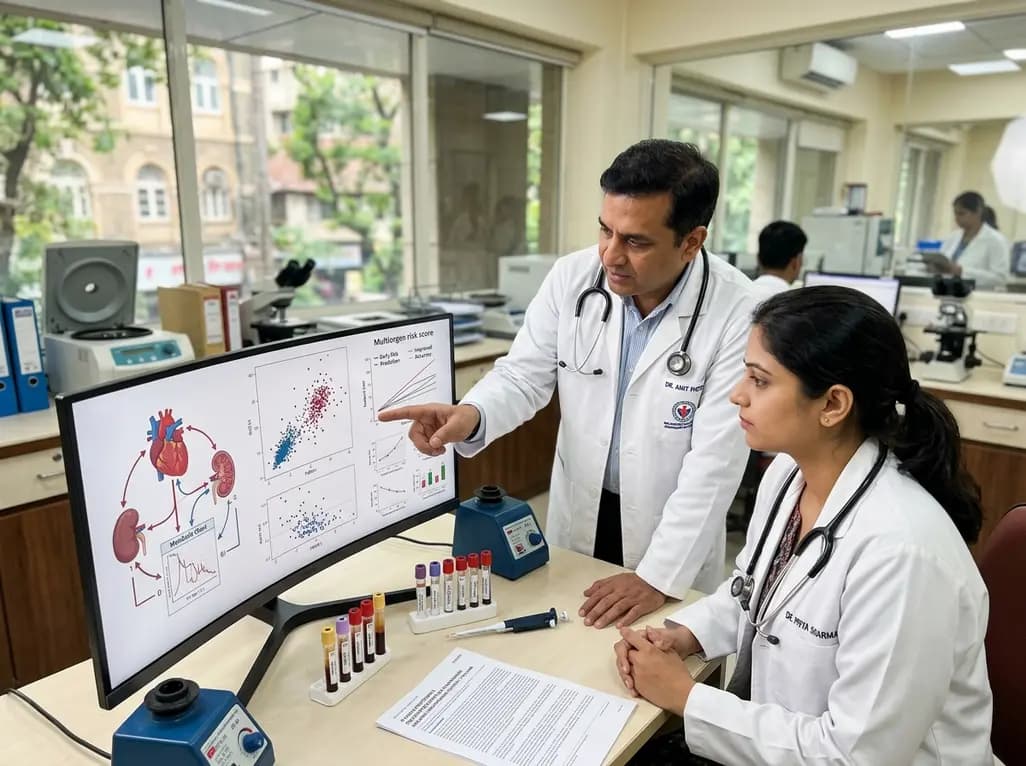
A large UK Biobank study reveals that plasma proteomic signatures capture preclinical organ damage and improve multiorgan risk prediction across early CKM syndrome stages 0 to 2 beyond traditional PREVENT clinical models.
Today

A narrative review investigates whether the articularis genus muscle functions as an independent anatomical entity or blends with the vastus intermedius. We evaluate its morphology, role in retracting the suprapatellar bursa, and direct clinical significance in anterior knee pain and arthroplasty.
Today

A Bayesian multilevel meta-analysis reveals that aerobic training combined with moderate carbohydrate restriction modestly lowers HbA1c in type 2 diabetes. However, sparse data and very low certainty leave incremental benefits over exercise or diet alone unproven, highlighting the need for individualized care.
Today
