.webp&w=384&q=75)

Loading, please wait...
Loading, please wait...

Modern otolaryngology is undergoing a major technological transformation, particularly through the rapid emergence of remote cochlear implant management. Millions of individuals worldwide live with severe-to-profound sensorineural hearing loss, yet geographic distance and economic barriers frequently limit access to specialized tertiary care centres. Consequently, digital audiology platforms offer a viable solution to deliver timely mapping, device diagnostics, and rehabilitative support directly to patients.
While digital interventions promise greater healthcare equity, clinicians require standardized evidence to evaluate their therapeutic efficacy. Historically, investigators evaluated tele-audiology using disparate metrics, which created substantial heterogeneity across clinical trials. Therefore, researchers developed a standardized core outcome domain set through a rigorous international Delphi consensus study involving CI users and multidisciplinary professionals from Australia, the United Kingdom, and the United States.
The steering group registered the protocol on the Core Outcome Measures in Effectiveness Trials database to ensure absolute methodological transparency. Over three iterative crossover rounds, 114 cochlear implant users and 77 experienced professionals systematically evaluated 57 unique outcome domains. Furthermore, participants grouped these candidate domains under three overarching supra-domains that systematic reviews and expert workshops previously identified. By establishing this foundational framework, the collaborative initiative provides a benchmark to assess whether remote delivery matches or exceeds traditional in-person clinical care. Ultimately, this unified structure guides clinical teams toward meaningful, evidence-based virtual consultations. In addition, standardizing outcome domains prevents selective outcome reporting and aligns research with clinical reality.
The Delphi consensus successfully identified ten essential core domains categorized within three distinct supra-domains: Service, Clinical, and Patient. Specifically, the Service supra-domain encompasses usability, reliability, and accessibility of remote technologies for the client. Clinicians must confirm that users can navigate smartphone applications and telehealth portals without technical friction. Moreover, stable internet connectivity and robust data encryption remain vital prerequisites for remote mapping sessions.
Within the Clinical supra-domain, stakeholders identified device integrity and status, speech discrimination, and consistent device use as fundamental pillars. Audiologists regularly monitor electrode impedances and sound processor telemetries to verify optimal hardware functionality. Similarly, objective speech discrimination tests confirm that programming adjustments provide adequate auditory stimulation. Finally, continuous device datalogging reveals whether recipients maintain adequate daily wearing time across varied acoustic environments. Together, these clinical metrics ensure that virtual programming safeguards auditory performance. Consequently, tracking these technical parameters prevents premature device malfunction and identifies fitting errors early. As a result, clinical teams can maintain rigorous therapeutic standards outside conventional hospital sound booths.
A striking finding of the Delphi investigation was the substantial mismatch between patient rankings and professional rankings. While both groups recognized similar overarching domains, their relative prioritization diverged dramatically. Healthcare professionals consistently assigned higher priority to Clinical supra-domain measures, such as speech discrimination scores, electrode impedance values, and technical device status. For audiologists and otolaryngologists, these quantitative parameters serve as familiar clinical barometers of acoustic optimization.
In contrast, cochlear implant recipients placed far greater value on the Patient supra-domain. Specifically, users prioritized participation restriction, hearing-related quality of life, client device satisfaction, and mental health and wellbeing. Patients view their cochlear implant not merely as an electronic auditory prosthesis, but as a vehicle for social reintegration. Although clinicians frequently celebrate a ten percent improvement in word recognition scores, patients often worry about social isolation during family gatherings. Therefore, this perceptual divergence demonstrates that technical diagnostic success does not automatically translate into subjective patient wellbeing. Furthermore, ignoring these psychosocial priorities risks creating therapeutic disengagement among long-term implant users.
To resolve this discordance, the study authors emphasize the urgent necessity of mutual education between recipients and clinicians. Audiologists must educate patients regarding why periodic hardware checks, electrode telemetry monitoring, and speech discrimination tests remain clinically indispensable. When patients understand how technical adjustments prevent auditory fatigue and protect remaining neural pathways, they engage more willingly with remote diagnostic testing protocols.
Conversely, healthcare professionals must expand their clinical focus beyond purely audiological metrics. Clinicians must actively listen to patient narratives regarding emotional distress, communication anxiety, and workplace challenges. In addition, integrating validated patient-reported outcome measures into tele-audiology software enables practitioners to evaluate psychosocial health systematically. For instance, screening for mental wellbeing during virtual consultations helps clinicians detect listening-related exhaustion and depression early. Consequently, mutual education fosters collaborative goal-setting and transforms traditional paternalistic healthcare into a true therapeutic partnership. Moreover, transparent communication regarding digital platform limitations helps manage client expectations during remote sessions. Thus, shared decision-making bridges the experiential gap and cultivates sustained compliance over decades of device use.
The establishment of this core outcome domain set arrives at a pivotal juncture for global audiological practice. In low- and middle-income nations, such as India, geographical barriers severely restrict access to specialized implant centers. Cochlear implant recipients in rural areas often incur substantial travel costs to attend routine follow-up visits in metropolitan tertiary hospitals. Therefore, deploying decentralized tele-audiology services can bridge critical accessibility divides and ensure lifetime follow-up care.
However, successful implementation demands structured clinical protocols that integrate service reliability, technical validation, and patient-centered rehabilitation. Otolaryngologists and audiologists should adopt hybrid models combining remote processor adjustments with targeted in-person evaluations. Furthermore, local clinical societies must develop localized guidelines and infrastructure funding to support telepractice initiatives. By embedding these agreed domains into digital platforms, clinicians deliver equitable, personalized hearing healthcare across diverse geographic regions. Additionally, healthcare systems benefit from reduced hospital congestion and streamlined resource allocation. Ultimately, this comprehensive paradigm ensures that every patient achieves optimal communication outcomes regardless of geographic location.
A core outcome domain set represents an agreed minimum collection of health aspects that clinicians and researchers must measure and report during clinical trials or healthcare evaluations. In cochlear implant rehabilitation, this framework identifies essential clinical, technical, and patient-reported dimensions. Consequently, standardized domains ensure that digital health interventions demonstrate authentic equivalence to standard hospital visits while improving research comparability and aligning ongoing auditory management with meaningful patient goals.
Clinicians naturally focus on diagnostic precision, signal processing, and measurable speech discrimination scores because these technical metrics guide everyday programming adjustments. Conversely, cochlear implant recipients evaluate success through personal functional capacity, social engagement, and emotional wellbeing. Therefore, patients value reductions in participation restrictions and improvements in overall quality of life far above isolated audiometric scores. Recognizing these divergent priorities enables surgical teams and audiologists to tailor consultations to the emotional realities of hearing loss.
Successful remote services require robust tele-audiology platforms, secure cloud infrastructure, and clear communication protocols for regular technical monitoring. Healthcare providers must verify device integrity, data transfer stability, and local ambient noise levels before initiating virtual mapping sessions. Additionally, clinical teams must establish hybrid care pathways that reserve in-person visits for complex adjustments or surgical troubleshooting. This balanced structure preserves patient safety, enhances geographical equity, and maintains high therapeutic trust across distributed patient communities.
Disclaimer: This content is for informational and educational purposes only... Refer to the latest local and national guidelines for clinical practice.
References

Read summarized clinical updates, watch expert medical content, and earn CME certifications right from your smartphone.
Open your smartphone camera to scan and install.





A multi-country Delphi study established a core outcome domain set for remote cochlear implant management. While clinicians emphasize speech scores and device integrity, patients prioritize quality of life and social participation, highlighting the urgent clinical need for mutual education.
Today
A breakthrough study identifies thioredoxin-interacting protein (TXNIP) as a key upstream driver of tubular ferroptosis in hyperuricemic nephropathy. Pharmacological suppression by verapamil halts renal injury independently of serum urate levels, presenting a novel therapeutic paradigm for chronic kidney disease.
Today

A large UK cohort study of 1.4 million women shows that pregnancy complications, including gestational diabetes, hypertension, and preterm birth, substantially raise long-term risks for hypertension, chronic kidney disease, type 2 diabetes, and cardiovascular events, highlighting early postpartum intervention needs.
Today
A cross-sectional study reveals that hypertension knowledge, illness perceptions, depression, and substance use significantly predict self-care behaviors. Addressing mental health and cognitive beliefs in primary care is crucial for optimal blood pressure control and cardiovascular disease prevention.
Today
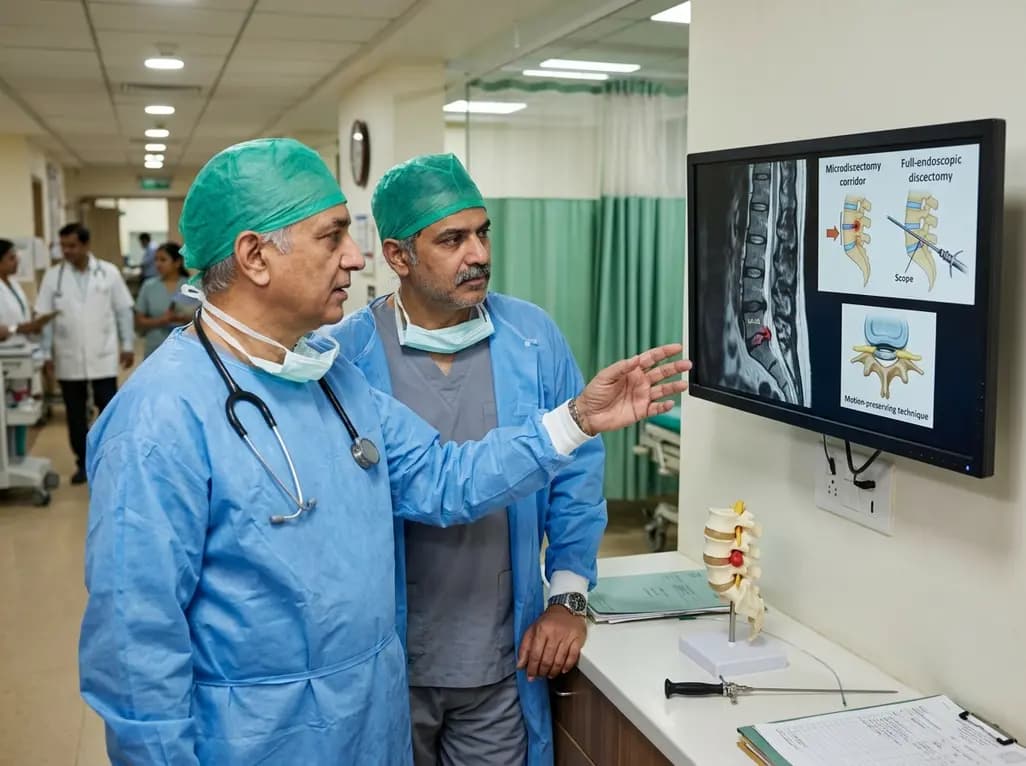
This clinical overview examines recent advancements in lumbar disc herniation surgery, comparing microscopic and full-endoscopic discectomy while highlighting biportal techniques and emerging motion-preserving innovations for spine specialists.
Today
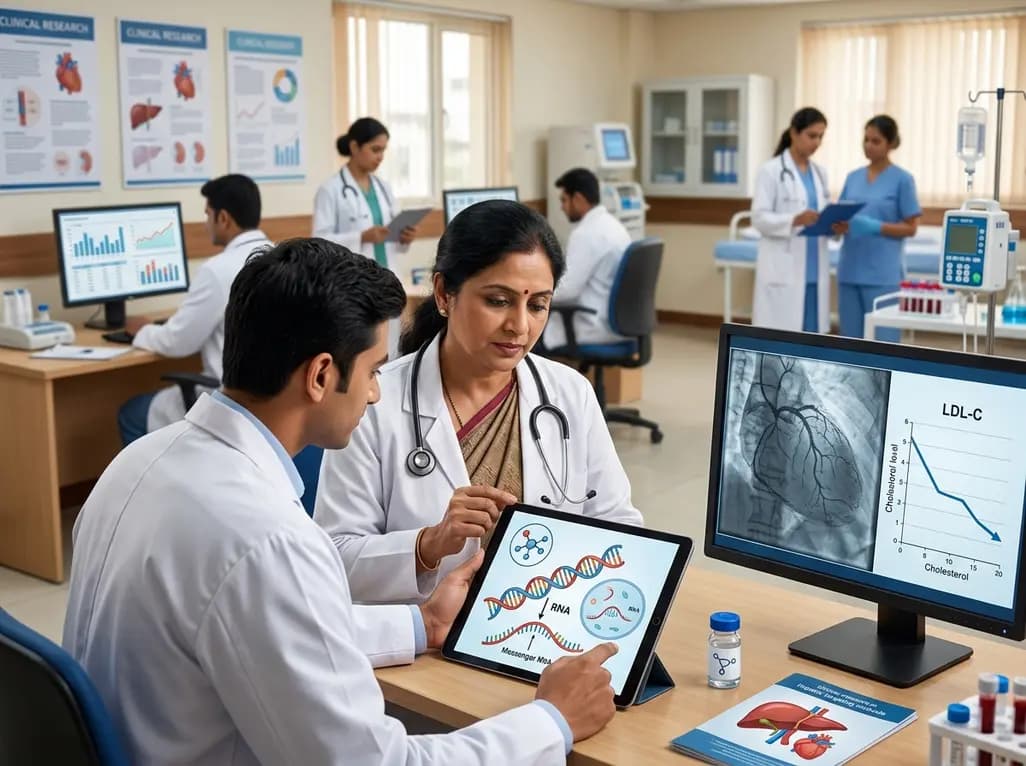
Small interfering RNA (siRNA) therapeutics harness RNA interference to degrade disease-causing messenger RNA. By delivering hepatocyte-targeted, durable gene silencing, agents targeting PCSK9, LPA, and angiotensinogen offer potent cardiovascular risk reduction with infrequent, biannual dosing schedules.
Today
