.webp&w=384&q=75)

Loading, please wait...
Loading, please wait...
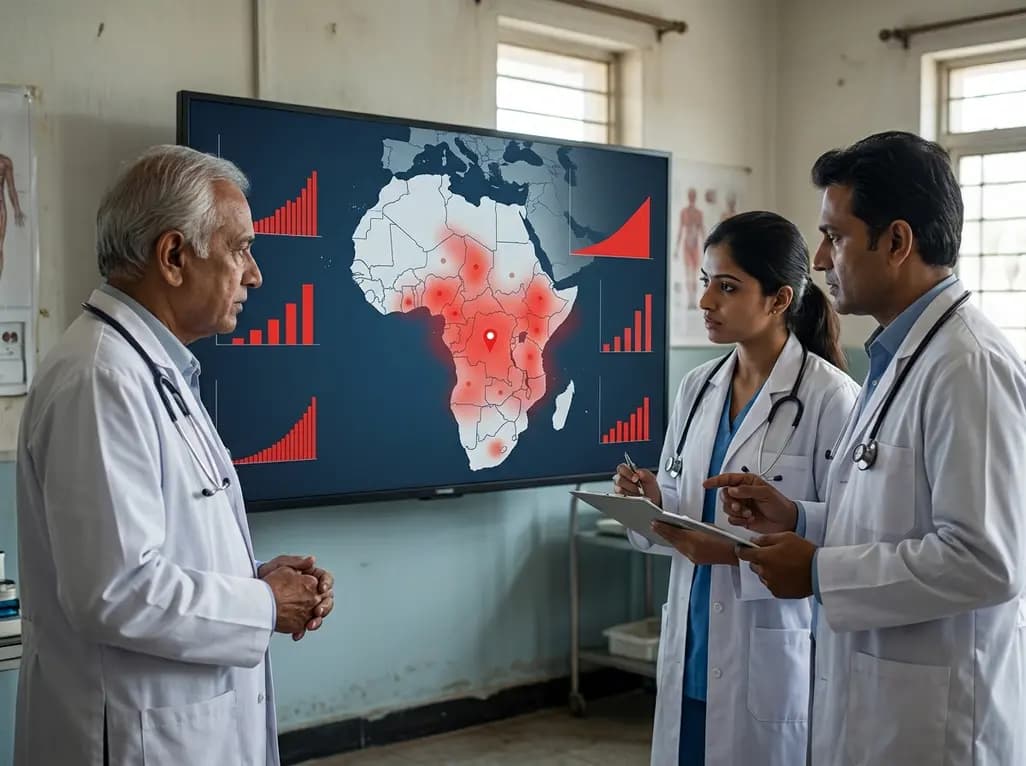
Currently, the Congo Ebola outbreak is experiencing a rapid expansion into previously unaffected regions. Specifically, public health authorities recently reported that the virus has reached two more northeastern provinces. Consequently, Haut-Uele and Tshopo have joined the list of active zones alongside Ituri, North Kivu, and South Kivu. This represents the nation's 17th outbreak, which health officials declared on May 15. Although containment measures are operational, total confirmed cases have surged to 1,926, including 702 deaths. Because this epidemic is moving quickly, epidemiologists warn that cross-border transmission risks remain high. Therefore, international medical professionals must monitor these developments closely.
Undoubtedly, the geographic expansion of the virus marks a critical turning point in this epidemic. Historically, the virus remained concentrated within Ituri province, with sporadic cases appearing in North and South Kivu. However, the introduction of the virus into Haut-Uele and Tshopo provinces has dramatically altered the containment landscape. Specifically, official reports confirmed four cases in Tshopo, resulting in two deaths, while Haut-Uele recorded one death. Additionally, health authorities had started tracing exposed individuals in late June. However, the government did not include these provinces in official reports until recently. According to the National Institute of Public Health, investigations suggest patients contracted the virus in Niania in Ituri. Nevertheless, authorities must now treat these provinces as active epidemic zones to prevent sustained local transmission. This development is particularly alarming because Tshopo's capital, Kisangani, is one of the largest cities in the country. Consequently, the presence of the virus in an urban hub raises the risk of rapid exponential growth. Furthermore, Haut-Uele shares borders with South Sudan and the Central African Republic, which increases the likelihood of international spread. Therefore, cross-border surveillance teams are urgently reinforcing checkpoints to identify symptomatic travelers.
Currently, the Bundibugyo ebolavirus strain drives the outbreak, presenting unique clinical and therapeutic challenges. Unlike the more common Zaire strain, the Bundibugyo variant historically has a lower case fatality rate but remains highly lethal. Specifically, this pathogen causes a severe viral hemorrhagic fever that spreads through direct contact with infected bodily fluids. For instance, blood, saliva, vomit, and sweat from infected patients or dead bodies are highly infectious. Consequently, healthcare workers must implement strict personal protective equipment protocols to prevent nosocomial transmission. Clinically, early symptoms resemble other endemic diseases like malaria or typhoid fever, which often delays accurate diagnosis. Furthermore, laboratories must use specialized reverse transcription polymerase chain reaction assays to confirm cases. Indeed, rapid decentralized testing has become essential for speeding up patient isolation. Patients typically present with a sudden onset of high fever, intense weakness, muscle pain, and headache. Subsequently, the illness progresses to severe vomiting, diarrhea, impaired kidney function, and in some cases, internal and external bleeding. Moreover, because no widely approved commercial vaccines or therapies exist for the Bundibugyo strain, treatment remains largely supportive. Currently, clinical trials are evaluating experimental antivirals like galidesivir under compassionate use protocols. Therefore, early detection and aggressive fluid resuscitation remain the most critical components of clinical management.
Undoubtedly, health agencies face severe operational constraints that heavily restrict the effectiveness of the containment response. For example, active conflict, deep community mistrust, and damaged infrastructure in eastern Congo limit access to remote villages. Consequently, tracking and identifying every chain of transmission has proven nearly impossible for surveillance teams. Recently, a senior World Health Organization official warned that the true scale of the epidemic might be much larger. Specifically, the official estimated that the actual numbers could be two to four times higher than official figures suggest. This discrepancy occurs because approximately four out of five new cases have no clear epidemiological link to existing patients. Additionally, the national contact tracing rate currently stands at 78.3%, which is far below the internationally recommended 90% target. Importantly, the lack of an approved commercial vaccine for this specific strain complicates vaccination campaigns. Thus, response teams must rely entirely on isolation and rigorous contact tracing to break transmission chains. Furthermore, funding shortages have created a major gap in resources, delaying the establishment of essential isolation facilities. In response, international groups like Doctors Without Borders are rapidly expanding treatment centers to manage the influx of patients. However, stabilizing these areas requires sustained international funding and improved security.
Undoubtedly, the expansion of the virus to Haut-Uele has significantly heightened the risk of cross-border transmission into South Sudan. Specifically, the confirmation of cases in Wamba health zone, which is close to the border, is deeply alarming. Consequently, the World Health Organization currently estimates a 70% likelihood that the virus will enter neighboring countries. Because South Sudan has weak surveillance systems and limited health infrastructure, an imported case could spread silently for weeks. Moreover, ongoing regional conflict and sparse humanitarian presence would severely delay any emergency response. Similarly, Tshopo province shares domestic boundaries with several other critical regions, amplifying the risk of internal spread. Therefore, the Ministry of Health has added ten provinces, including Kinshasa, to the high-risk category. Currently, these high-risk areas are implementing strict protocols and screening measures at all major travel hubs. In addition, neighboring countries are actively reviewing their national preparedness plans and training border officials on symptom detection. However, successfully preventing cross-border transmission requires a collaborative, regional approach that integrates real-time information sharing. Ultimately, containment depends on aggressive localized responses coupled with strong international support at border crossings.
Undoubtedly, the scale of this epidemic carries significant international relevance, demanding heightened awareness from healthcare providers globally. For instance, a United States humanitarian worker recently contracted the virus in Congo and required treatment in a German hospital. Additionally, another imported case in France underscores how quickly viral pathogens can travel through modern aviation networks. Therefore, physicians worldwide must maintain a high index of suspicion when evaluating febrile patients with recent travel history to central Africa. Specifically, taking a detailed travel history remains the most important initial step in preventing domestic healthcare transmission. Although the risk to countries outside Africa remains low, prompt isolation of suspected cases is critical. If they suspect hemorrhagic fever, clinicians must immediately isolate patients and contact local public health authorities. Furthermore, laboratories must handle diagnostic specimens with extreme caution, utilizing high-level biosafety facilities. Ultimately, global health security depends on robust local responses in central Africa and vigilant clinical practice worldwide. By supporting the Congolese response and strengthening surveillance, the international community can effectively mitigate the threat of a wider pandemic.
Q1: Why is the current Congo Ebola outbreak spreading faster than previous epidemics?
Undoubtedly, several factors contribute to the rapid transmission of this pathogen. Specifically, the rare Bundibugyo virus strain drives the epidemic, which went undetected for several weeks in remote areas. Furthermore, intense regional conflict, damaged healthcare infrastructure, and severe community resistance have severely hindered public health interventions. Consequently, these challenges limit the contact tracing rate to under 80%, leaving several active, unlinked transmission chains to propagate silently within highly populated regions.
Q2: What clinical characteristics distinguish the Bundibugyo ebolavirus strain from other variants?
Generally, the Bundibugyo ebolavirus strain causes a lower case fatality rate compared to the highly lethal Zaire strain. However, it still causes a severe viral hemorrhagic fever with symptoms like high fever, severe muscle pain, and vomiting. Currently, a major clinical challenge is that no approved vaccines or targeted therapies exist specifically for the Bundibugyo variant. Therefore, clinicians must rely heavily on early supportive care and experimental treatments under compassionate use protocols.
Q3: How should healthcare providers outside of Africa manage suspected cases of Ebola?
Initially, clinicians must obtain a detailed travel history for any patient presenting with high fever and systemic symptoms. If a patient recently traveled to an active transmission zone, healthcare providers must immediately isolate them in a single room. Furthermore, staff should implement strict contact and droplet precautions while notifying local health authorities. Ultimately, prompt isolation remains the most effective clinical action to prevent nosocomial transmission while awaiting diagnostic confirmation from specialized reference laboratories.
Disclaimer: This content is for informational and educational purposes only. It does not constitute medical advice or replace professional judgment. Refer to the latest local and national guidelines for clinical practice.
References

Read summarized clinical updates, watch expert medical content, and earn CME certifications right from your smartphone.
Open your smartphone camera to scan and install.





The Congo Ebola outbreak has officially expanded into Haut-Uele and Tshopo provinces, bringing the total number of infected regions to five. With confirmed cases nearing 2,000 and the death toll rising, local health authorities and global organizations are intensifying response efforts amid surveillance gaps.
3 months ago

Novel glucose-responsive mPEG-PSA nanocarriers deliver insulin aspart on demand, achieving dual postprandial and basal glycemic control without hypoglycemia in diabetic models. This biomaterial breakthrough offers promising clinical implications for physiologic diabetes management.
Today
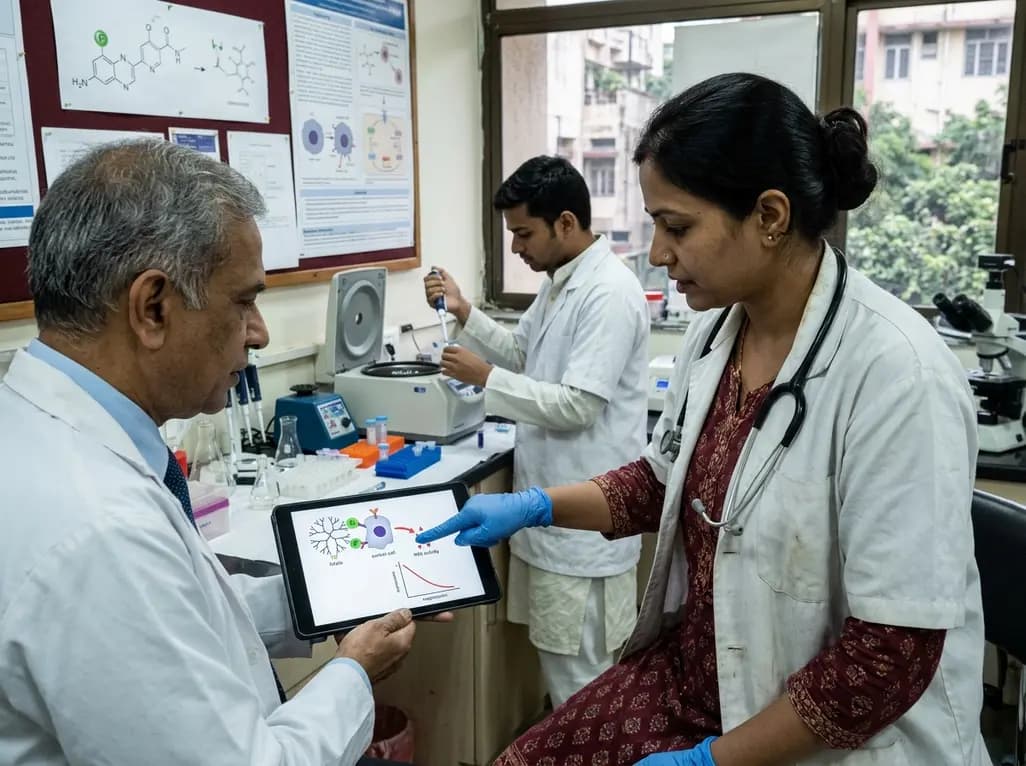
A novel folate-conjugated tecto-dendrimer nanoplatform successfully delivers siRNA to achieve targeted HK2 silencing, disrupting ovarian cancer glycolysis and suppressing lactate output.
Today
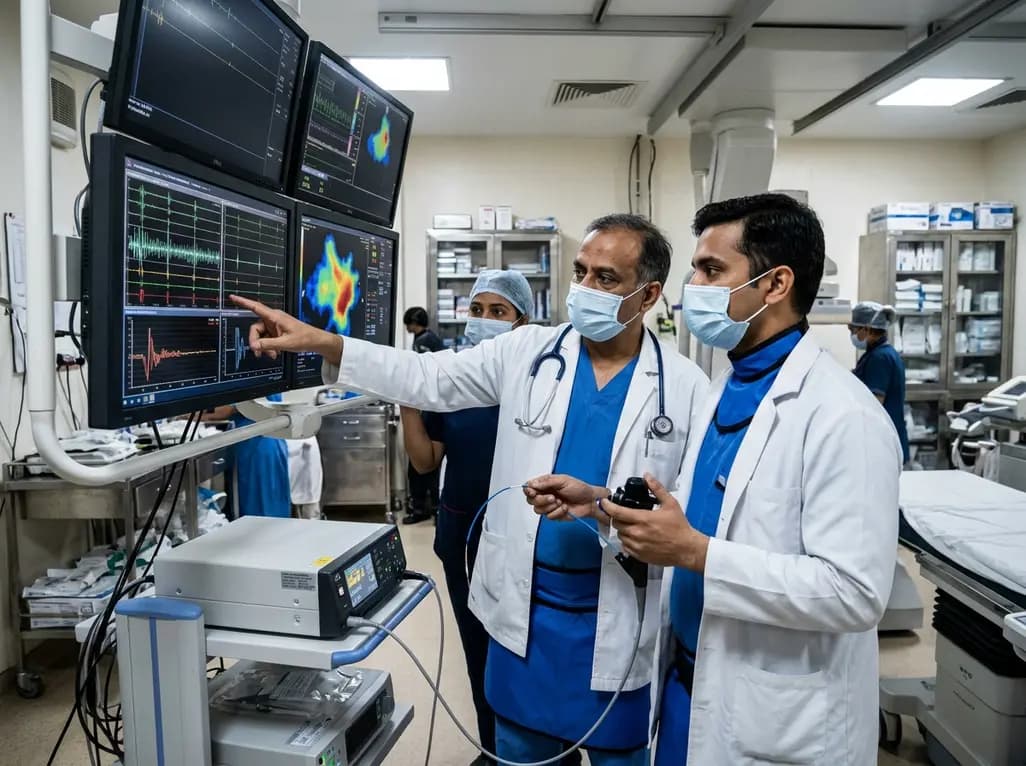
A comparative non-contact study reveals that high-power radiofrequency delivery with the QDOT MICRO catheter induces an artifactual contact force rise. Electrophysiologists must understand this power-dependent thermal and electrical phenomenon to avoid inadvertent catheter withdrawal and ineffective ablation.
Today
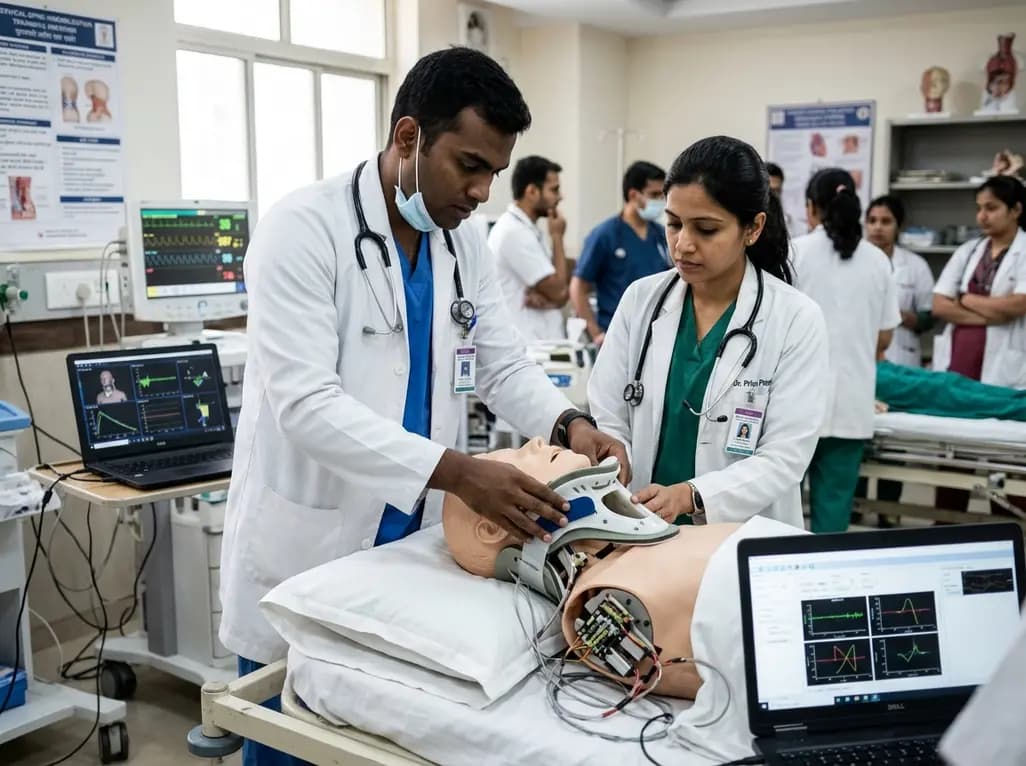
A novel proof-of-concept study presents a six-degree-of-freedom articulated manikin neck equipped with linear potentiometers. The system provides real-time kinematic motion feedback during cervical immobilisation, delivering sub-degree tracking accuracy to improve pre-hospital trauma training and patient safety.
Today
A retrospective comparative cohort study evaluated genitourinary safety in HFpEF between dapagliflozin and empagliflozin over six months. Rates of symptomatic UTI and asymptomatic bacteriuria showed no statistically significant differences, supporting comparable safety profiles across both SGLT2 inhibitors.
Today
